
Apple AI Pin Emerges as a Quiet Challenge to the Smartphone Era
Apple AI Pin has entered public discussion after recent leaks revealed details of a wearable device that could change how people interact with technology. The device, often described as compact and screen-free, is designed to clip onto clothing and operate through voice, vision, and artificial intelligence. While it is not a phone and does not aim to replace smartphones immediately, its concept has drawn attention across the global technology industry.
 The AI Pin is reportedly built by a team that includes former Apple design leadership and is backed by major figures in artificial intelligence. Its purpose is simple but ambitious: reduce dependence on screens and allow users to interact with digital information without pulling out a phone. The idea is not about speed or entertainment but about presence and awareness in daily life.
Industry observers say this development matters not because it will replace the iPhone today, but because it signals where personal technology may be heading next.
Apple AI Pin Reflects a Changing Relationship Between People and Devices
The core idea behind the Apple AI Pin is to move technology away from constant screen engagement. Instead of scrolling, tapping, and staring, users interact through natural language and gestures. The device is said to recognize surroundings, understand context, and provide information only when needed.

This approach reflects a growing concern among consumers and designers alike about screen fatigue and digital overload. Smartphones have become essential, but they also demand constant attention. The AI Pin challenges that pattern by offering assistance without distraction.
From a design perspective, the device is intentionally minimal. It does not feature a traditional display. Instead, it relies on audio feedback, sensors, and artificial intelligence to interpret the user’s environment. This marks a shift from device-first thinking to experience-first design.
Tech analysts note that Apple itself has faced similar transitions before, moving from computers to music players, then to phones and wearables. The emergence of the Apple AI Pin shows that the next shift may not involve a bigger screen or faster processor, but a quieter presence in everyday life.
Apple AI Pin Raises Questions About the Future of Smartphones
While comparisons to smartphones are inevitable, the Apple AI Pin is not positioned as a direct replacement. Phones still handle complex tasks such as media consumption, detailed communication, and work-related functions. However, the AI Pin introduces a new layer of interaction that could reduce how often people reach for their phones.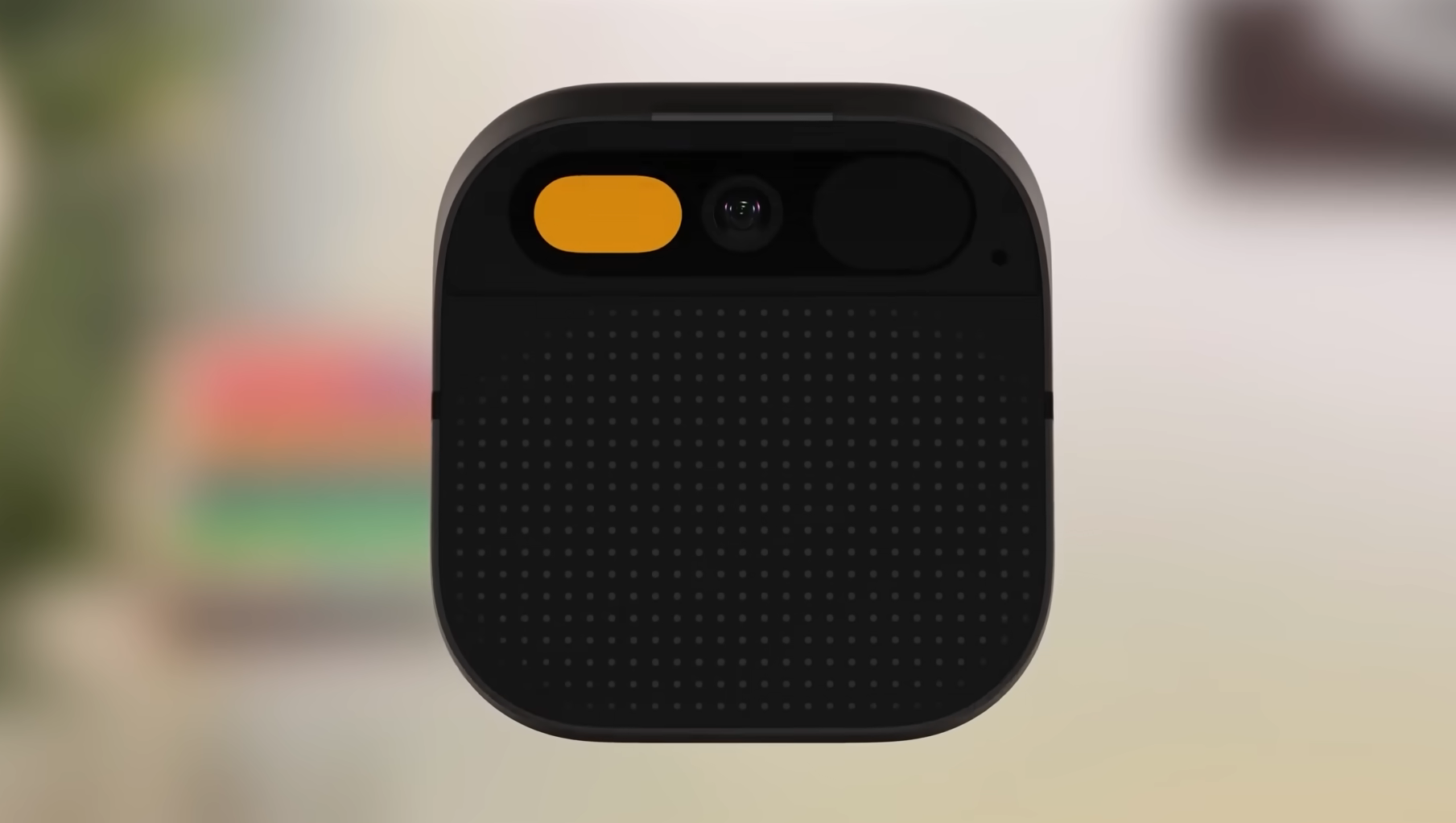
This is what has caught the attention of major technology companies. History has shown that disruptive products often start as secondary tools before becoming central. Early digital cameras did not replace film overnight, but they changed habits slowly and steadily.
The AI Pin could follow a similar path. If users begin relying on it for reminders, navigation, quick information, and communication, the role of smartphones could gradually shift. Instead of being the first point of contact with technology, phones may become backup devices.
For Apple and others, this represents both a challenge and an opportunity. Ignoring such shifts in user behavior has proven costly in the past for companies that failed to adapt.
Apple AI Pin Highlights a Broader Trend in Artificial Intelligence
Beyond hardware, the Apple AI Pin represents how artificial intelligence is becoming more personal and contextual. Rather than responding to typed commands, AI systems are learning to understand voice, movement, and surroundings. This makes interactions feel less like using a machine and more like having an assistant present.
View this post on Instagram
The backing of prominent AI figures suggests confidence in this direction. As AI models become more capable, devices no longer need large screens to deliver value. Intelligence moves from the interface to the system itself. Also Read: Pralhad Joshi and Nitin Gadkari Take Joint Ride in Hydrogen Fuel Cell Vehicle to Promote Clean Mobility: 2026
Privacy and trust will play a key role in how such devices are adopted. A wearable that sees and hears must be transparent in how data is handled. Public acceptance will depend not just on innovation, but on responsibility.
Conclusion
The Apple AI Pin is not about replacing smartphones today. It is about questioning whether screens need to dominate every interaction with technology. As artificial intelligence becomes more integrated into daily life, devices may become smaller, quieter, and more aware. Whether the AI Pin succeeds or not, it signals a future where technology blends into life rather than pulling attention away from it.
