
Madras HC Stay Removed by Supreme Court in Key Tamil Nadu University Law Case
Madras HC stay on amendments related to the appointment of Vice-Chancellors in Tamil Nadu universities has been overturned by the Supreme Court, marking an important development in the ongoing legal dispute between the state government and the Governor’s role in university administration. The apex court set aside the interim order passed by the Madras High Court in May 2025 that had stayed ten amendments enacted by the Tamil Nadu Assembly.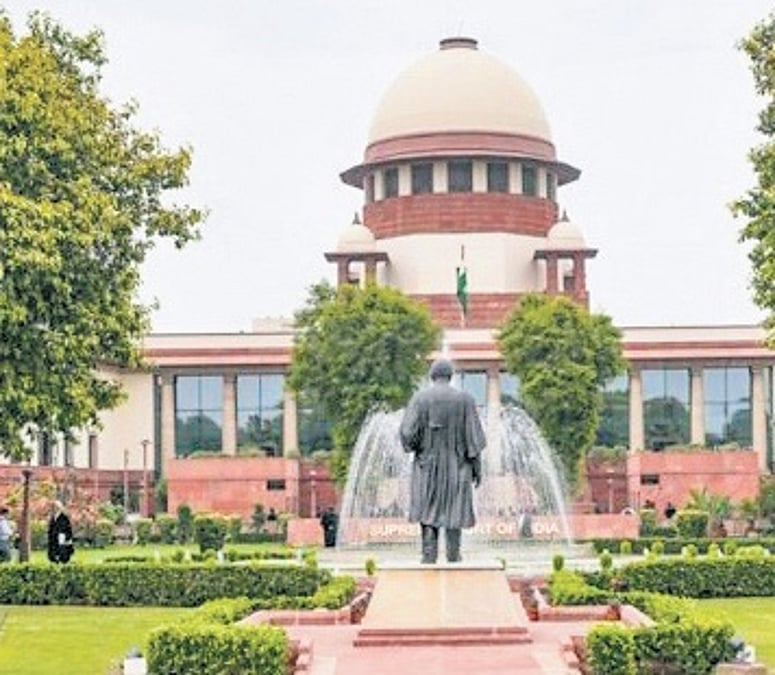
The amendments were introduced to transfer the power of appointing Vice-Chancellors of state-run universities from the Governor to the Tamil Nadu government. These laws had come into effect after the Supreme Court earlier ruled on the issue of deemed assent in the Tamil Nadu Governor’s case. Despite this, a vacation bench of the Madras High Court stayed the operation of the amendments following a public interest petition.
The Supreme Court, while hearing petitions filed by the Tamil Nadu government, expressed strong displeasure over the manner in which the Madras HC stay was granted. The bench observed that the High Court acted with unusual urgency and stayed the laws without following proper judicial procedure.
Madras HC Stay Criticised for Procedural Haste
The Supreme Court bench, headed by the Chief Justice of India along with two other judges, questioned why a vacation bench of the High Court examined the constitutional validity of university statutes in such haste. The court noted that legislative enactments carry a strong presumption of constitutionality and should not be stayed lightly, especially without detailed hearings.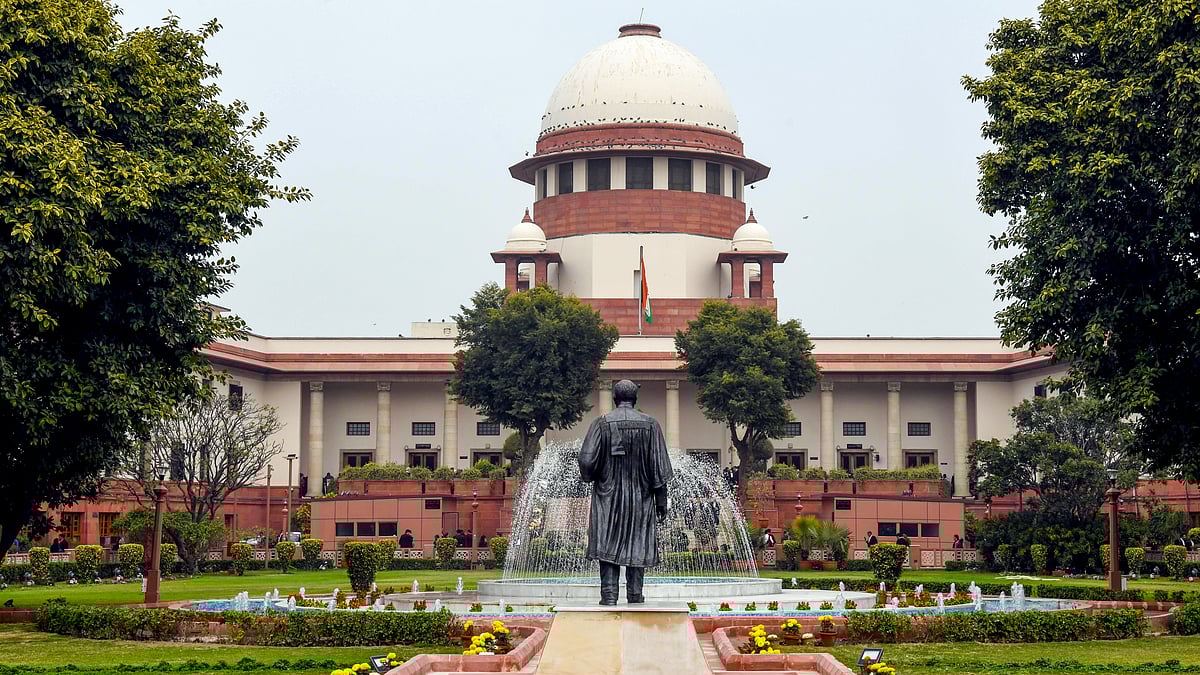
The apex court pointed out that the High Court appeared to grant a stay first and hear arguments later, which it described as a serious procedural flaw. The Supreme Court therefore quashed the Madras HC stay and directed that the matter be reheard by a regular bench, preferably one presided over by the Chief Justice of the Madras High Court.
The court also rejected the approach adopted during the summer vacation, stating that constitutional matters of this nature require careful examination and should not be rushed. By setting aside the interim order, the Supreme Court effectively restored the legal position prior to the High Court’s stay, while ensuring judicial review continues in an orderly manner.
Importantly, the Supreme Court asked the Madras High Court to decide the case within six weeks, highlighting the need for a timely resolution due to the significance of the issue for higher education governance in Tamil Nadu.
Madras HC Stay and the State’s Position Before the Supreme Court
During the hearing, senior counsel representing the Tamil Nadu government argued that the amendments had already come into force in April 2025. He stated that the writ petition challenging the laws was filed nearly a month later but was suddenly moved with urgency during the court’s vacation period.
The state contended that such urgency was unjustified and that the High Court should have allowed the laws to function until their validity was finally decided. The counsel also emphasised that courts must exercise restraint while interfering with legislative decisions passed by an elected assembly.
Another senior counsel appearing for the state highlighted that the public interest petition was filed in Chennai by bypassing the Madurai Bench of the Madras High Court, even though the petitioner fell within the territorial jurisdiction of the Madurai Bench. This, the state argued, raised questions about forum selection and procedural fairness.
The Supreme Court took note of these submissions and recorded the state government’s assurance that no Vice-Chancellor appointments would be made under the amended laws until the Madras High Court delivers its final verdict. This assurance was considered important in balancing administrative stability with judicial scrutiny.
Madras HC Stay Linked to Larger Federal Concerns
The dispute surrounding the Madras HC stay is part of a broader debate on the balance of power between state governments and Governors, particularly in the administration of universities. Tamil Nadu has consistently argued that elected governments should have a greater role in managing public institutions, while critics claim the amendments reduce the Governor’s constitutional authority.
View this post on Instagram
By setting aside the stay, the Supreme Court has not ruled on the validity of the amendments themselves but has underlined the need for proper judicial process. The final outcome will depend on the High Court’s detailed examination of the laws, their intent, and their constitutional alignment. Also Read: Justin Bieber New Back Tattoo Draws Attention for Its Personal Meaning in 2026
Conclusion
The removal of the Madras HC stay by the Supreme Court resets the legal battle over Tamil Nadu’s university law amendments. With a fresh hearing ordered and a clear timeline fixed, the case now moves toward a more structured and decisive phase, carrying implications for university governance and constitutional balance in the state.
