
TWAD to Divert Water Brings New Drinking Supply Plan for Tiruchendur
TWAD to divert water from an industrial supply scheme marks an important step in addressing the growing drinking water shortage in Tiruchendur municipality. The Tamil Nadu Water Supply and Drainage Board has planned to reroute unused water from an existing industrial pipeline to strengthen domestic water availability in the temple town, which sees heavy inflow of devotees and tourists throughout the year.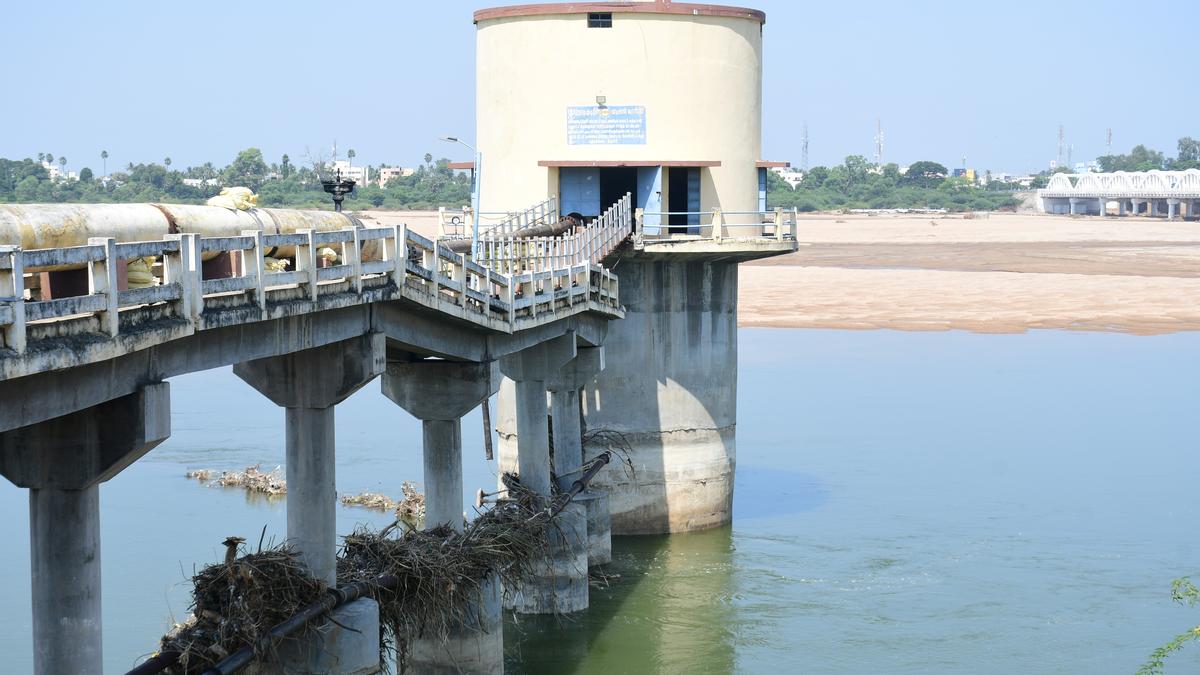
TWAD to divert water involves reallocating 2.86 million litres per day from a larger industrial water system that draws water from the Thamirabarani river at the Srivaikuntam anicut. Officials clarified that the water being diverted is surplus and currently not utilised by industries, making it suitable for drinking water use without affecting industrial operations.
Tiruchendur’s water demand has increased steadily over the years due to population growth and constant pilgrim movement to the Murugan temple. Existing drinking water schemes have struggled to keep up with the pressure, especially during festival seasons and summer months.
TWAD to Divert Water from Industrial Scheme to Public Use
The industrial water supply scheme was commissioned in the early 2000s with a capacity of 20 million gallons per day. It was originally intended exclusively for major industrial units such as SIPCOT industries, thermal power stations, and chemical plants in Thoothukudi district.
Over time, industrial consumption from this scheme has reduced due to changes in water sourcing and efficiency measures. TWAD officials said this has resulted in unused water that can now be safely redirected to meet domestic needs.
Under the new plan, water will be diverted from the Manjalneerkayal water treatment plant and routed to the Authoor water treatment facility through a newly proposed underground pipeline. This connection will strengthen Tiruchendur’s drinking water network and reduce dependence on limited existing sources.
To execute the plan, TWAD has applied for permission from the Union Ministry of Road Transport and Highways to lay a 5.03-kilometre pipeline along the Thoothukudi–Tiruchendur–Kanyakumari National Highway. The pipeline will be laid underground using the open trench method to ensure quick installation and minimal disruption.
TWAD to Divert Water to Increase Daily Supply in Tiruchendur
At present, Tiruchendur municipality receives around 1 million litres of water per day from the Authoor water treatment plant. With the proposed diversion, the daily supply is expected to rise to 3.86 million litres per day, which officials say will be sufficient to meet current drinking water requirements.
The increased supply is expected to improve distribution frequency, reduce water shortages, and ensure more consistent availability for households, businesses, and pilgrims. TWAD officials noted that the project is designed as a quick-response solution to immediate needs rather than a temporary fix.
The project has received administrative approval following discussions involving district authorities, state ministers, and industrial stakeholders. Industrial units were consulted before the decision, and officials confirmed that the diversion will not impact their water availability.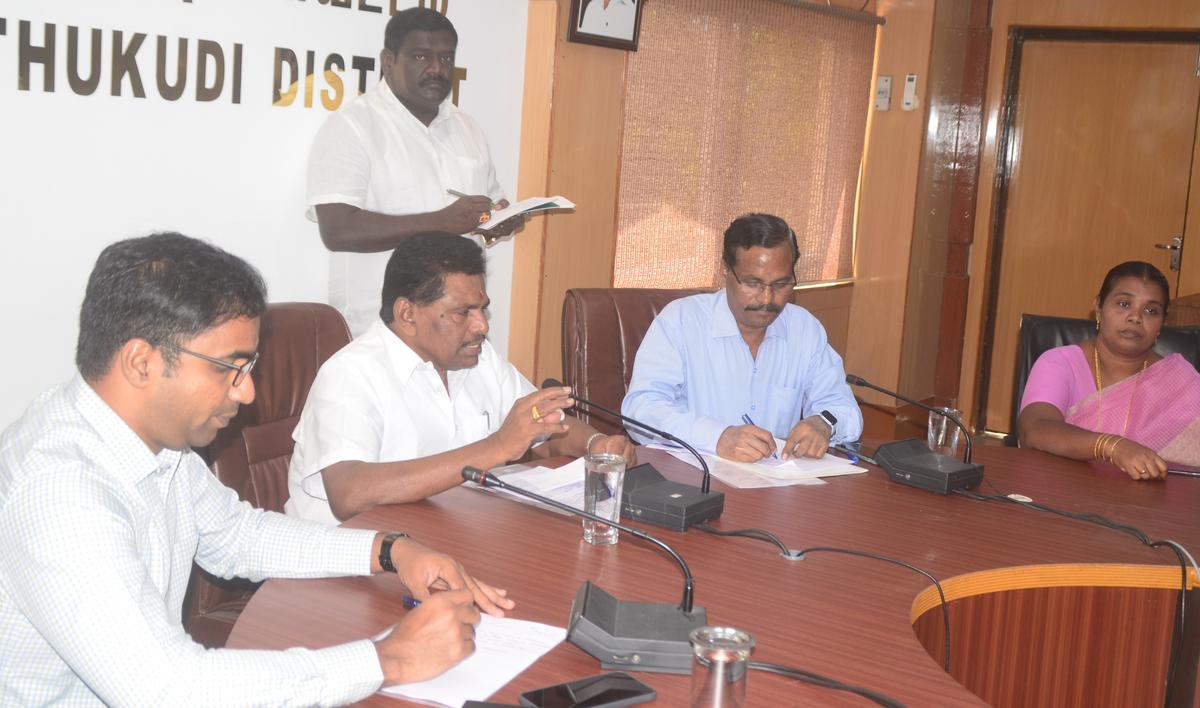
TWAD has allocated ₹7.30 crore for the project, and work is expected to be completed within a month once final permissions are obtained. Officials believe the short timeline reflects the urgency of Tiruchendur’s water situation.
TWAD to Divert Water Aligns with Long-Term Planning
Senior officials pointed out that the industrial water scheme may eventually become redundant once a large desalination plant meant exclusively for industries becomes operational. This would allow freshwater sources like the Thamirabarani river to be prioritised for drinking and agricultural needs.
Local leaders and residents have welcomed the move, stating that additional water supply could ease long-standing issues faced by the town. Water scarcity has often affected daily life, especially during peak pilgrimage periods, leading to increased reliance on private water sources. Also Read: Justin Bieber New Back Tattoo Draws Attention for Its Personal Meaning in 2026
The diversion plan is also seen as a practical example of resource optimisation, where unused infrastructure is repurposed to meet public needs without new extraction from natural sources.
Conclusion
TWAD to divert water for Tiruchendur reflects a focused effort to balance industrial planning with public welfare. By redirecting surplus water, the project offers immediate relief while supporting sustainable water management for the temple town’s future needs.
