
Railways to Enhance Elephant Safety in the Madukkarai Forest Corridor
Railways to enhance elephant safety has become a key focus in the Madukkarai forest stretch as authorities move forward with plans to build two additional underpasses on the Tamil Nadu side of the railway line. This step comes after years of concern over repeated train-elephant collisions in one of the most sensitive wildlife corridors of the Western Ghats.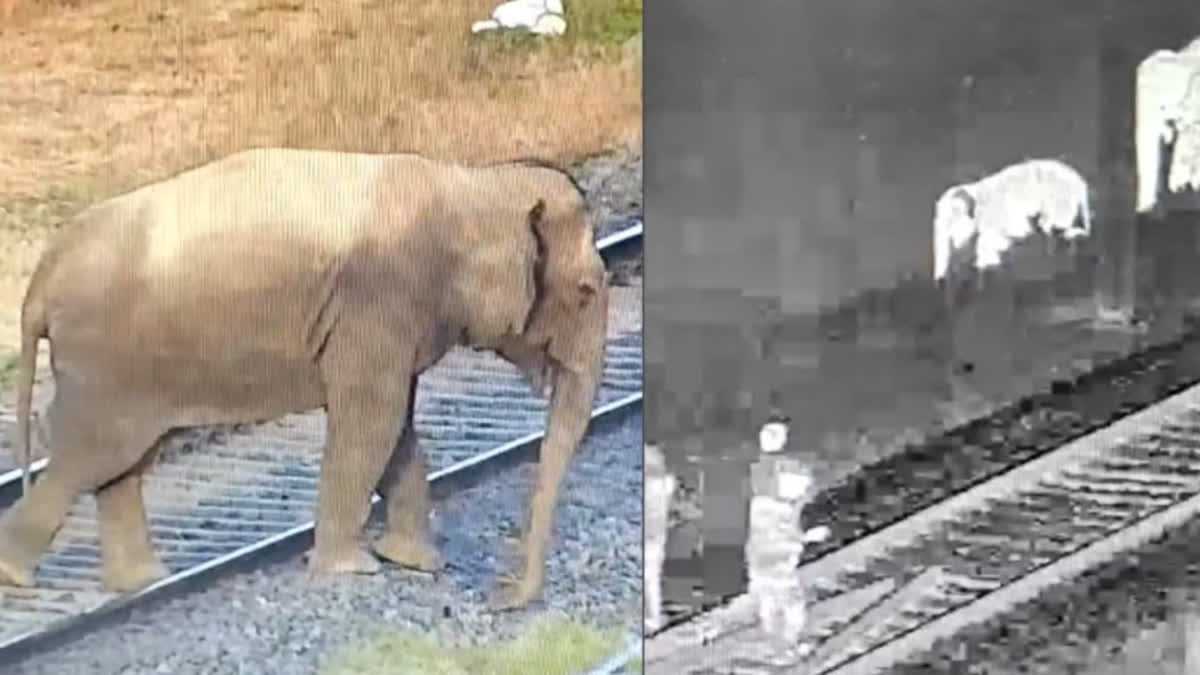
Railways to enhance protection efforts aim to reduce accidents while allowing elephants to move freely between forest areas in search of food and water. The railway corridor between Palakkad and Podanur passes directly through reserve forests, making it a crucial passage not just for trains but also for wildlife. Despite safety measures already in place, the risk to elephants remains high, pushing officials to expand infrastructure support.
Railways to Enhance Wildlife Movement With Additional Underpasses
Railways to enhance elephant movement will now focus on constructing two new underpasses in the Madukkarai forest range. These will be added to the two underpasses already functioning between Walayar and Ettimadai. Although the existing structures have helped, forest and railway officials acknowledge that they are not sufficient to fully prevent accidents.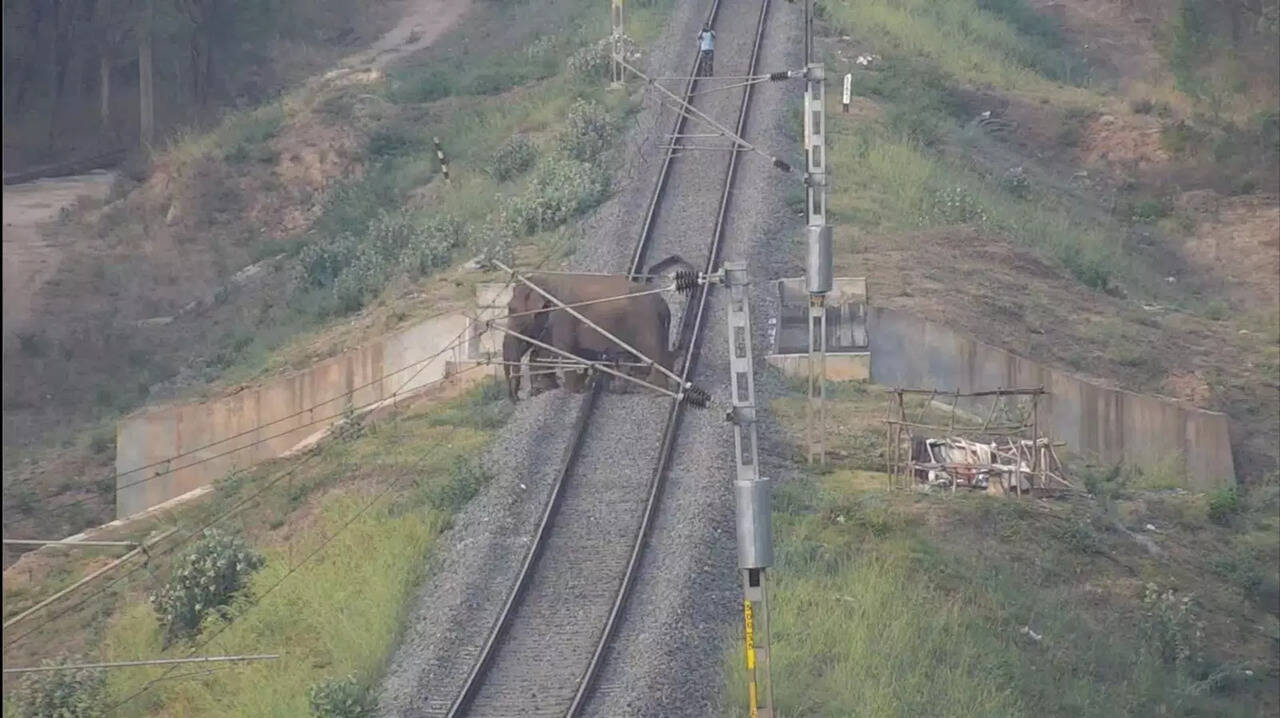
The earlier underpasses were built at a cost of nearly ₹9.8 crore. The proposed new structures are expected to cost more than ₹10 crore. Final locations will be identified after consultation with the Tamil Nadu forest department, based on areas where elephant movement is most frequent.
This collaborative planning reflects a growing understanding that wildlife protection cannot be handled by a single department. Railways to enhance safety are now working closely with forest authorities to ensure that infrastructure decisions are based on animal behaviour rather than convenience.
Railways to Enhance Monitoring Through Technology and Speed Control
Railways to enhance real-time monitoring have installed CCTV cameras in existing underpasses. These cameras track elephant movement and send alerts directly to railway officials. If elephants are detected near the tracks, alarms are triggered at the Walayar railway station, allowing station managers to warn locomotive pilots immediately.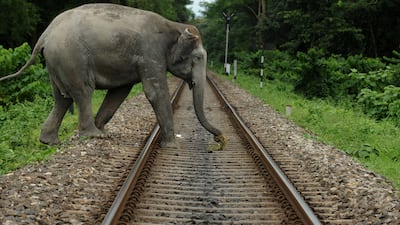
This system helps drivers reduce speed and proceed cautiously through vulnerable sections. Continuous monitoring has become a critical tool in preventing sudden collisions, especially during early morning and late evening hours when visibility is low.
Railways to Enhance Track Safety With Lights and Detection Systems
Railways to enhance night-time visibility have installed solar lights along key sections between Kanjikode and Ettimadai. These lights help train drivers spot elephants from a distance, reducing reaction time during emergencies.
In addition, work is underway to introduce the Elephant Intrusion Detection System. This system is designed to sense animal movement near tracks and issue automated warnings. Combined with fencing, ramps, and signage, these efforts represent a layered approach to safety rather than reliance on a single solution.
Railways to Enhance Conservation in a Sensitive Elephant Corridor
The stretch between Kottekkad in Kerala and Madukkarai in Tamil Nadu is recognised as an important elephant corridor within the Western Ghats. Over the years, this region has recorded multiple elephant deaths due to train accidents. Since 2002, nearly thirty elephants have been killed on this route, including a young elephant hit earlier this year near Walayar.
View this post on Instagram
Railways to enhance safety have already imposed speed restrictions in this zone, limiting trains to 65 kmph during the day and 45 kmph at night. Fencing has been installed along certain sections, and long ramps have been created to guide elephants toward safer crossing points.
Wildlife activists and public representatives continue to urge long-term solutions, including the construction of elevated railway corridors. Such structures would allow animals to pass freely underneath without ever coming close to moving trains. While these proposals require central approval and significant funding, they reflect the growing demand for sustainable infrastructure planning. Also Read: Justin Bieber New Back Tattoo Draws Attention for Its Personal Meaning in 2026
Conclusion
Railways to enhance elephant safety in the Madukkarai forest corridor marks a steady shift toward responsible development. By combining underpasses, technology, speed control, and inter-department coordination, authorities are taking meaningful steps to protect wildlife while maintaining essential rail connectivity. Though challenges remain, these measures show progress toward reducing human-wildlife conflict in one of India’s most sensitive ecological zones.
