
The Karnataka State Food Commission Chairperson has recommended disciplinary action against four personnel and a fair price shop following the detection of alleged irregularities in the functioning of the public distribution system in a district-level review. The recommendation comes after inspections and complaint-based inquiries pointed to lapses in the distribution of essential commodities meant for beneficiaries under government welfare schemes. Officials said the action aims to reinforce accountability within the system and ensure that subsidised food grains reach the intended recipients without delay, diversion, or manipulation.
According to sources familiar with the inquiry, the irregularities included discrepancies in stock records, improper maintenance of registers, and complaints from ration card holders regarding short supply of commodities. Such lapses are considered serious because the public distribution system is a lifeline for economically vulnerable households. The Chairperson reportedly stressed that even minor deviations can have a direct impact on food security for families that depend heavily on subsidised rice, wheat, and other essentials provided through fair price shops across the State.
The inspection was part of routine monitoring undertaken by the Food Commission to assess the effectiveness of food security schemes and identify systemic weaknesses. During the visit, officials interacted with beneficiaries, examined distribution records, and cross-verified stock positions. Preliminary findings suggested that procedures laid down for transparent distribution were not followed consistently at the concerned fair price shop. The Commission’s intervention is seen as an attempt to send a clear message that negligence or malpractice at any level will attract scrutiny and corrective measures.
Officials in the department said that the four personnel facing recommended action include staff responsible for oversight and record verification. Their roles involve ensuring that fair price shops maintain accurate data on stock inflow and outflow, beneficiary lists, and monthly distribution figures. Failure to perform these duties effectively can allow irregularities to go unnoticed. By holding supervisory staff accountable, the Commission hopes to plug gaps in monitoring and strengthen internal checks that prevent misuse of subsidised resources.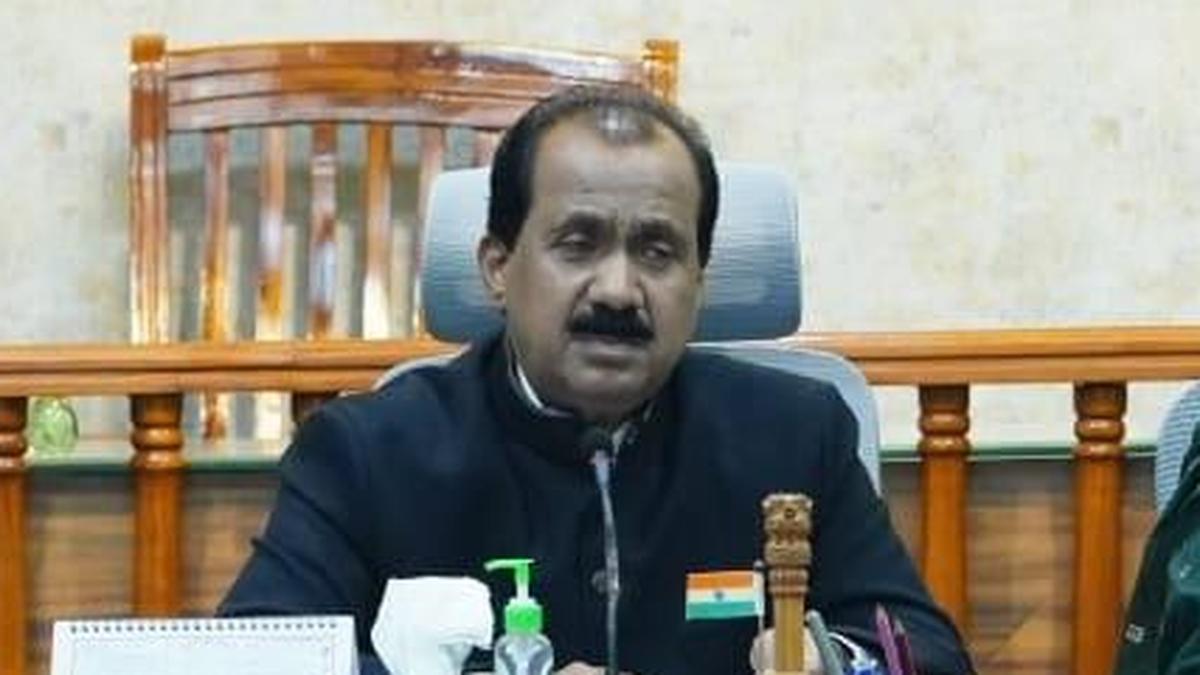
Beneficiaries in the area reportedly expressed relief that their complaints were taken seriously. Some card holders said they had previously raised concerns about receiving less than the entitled quantity of grains or facing unexplained delays in distribution. For families living on limited incomes, such shortages can disrupt household budgets and food planning. The Commission’s action has therefore been welcomed as a step that restores confidence in grievance redressal mechanisms and demonstrates that oversight bodies are responsive to ground realities.
The public distribution system in Karnataka covers a vast network of fair price shops serving millions of households under food security programmes. While the system has improved over the years with digitisation and biometric authentication, challenges persist in remote areas and at individual outlets. Issues such as human error, inadequate training, and occasional malpractice can undermine overall efficiency. The present case highlights the importance of continuous vigilance to ensure that benefits reach every eligible person without leakage or distortion.
ACCOUNTABILITY AND TRANSPARENCY IN FOCUS
The Food Commission’s recommendation underscores a broader emphasis on accountability within welfare delivery mechanisms. Experts note that decentralised systems like the public distribution network require strong local monitoring because day-to-day operations occur at the grassroots level. While policies are framed at higher levels, their success depends on honest implementation by shop operators and field staff. Regular inspections, surprise checks, and prompt action on complaints are crucial tools to maintain integrity and public trust in the system.
Authorities indicated that the disciplinary process will follow established procedures, giving the concerned personnel an opportunity to present their explanations. Depending on the outcome of departmental inquiries, penalties may range from warnings and suspension to more severe action if misconduct is proven. The fair price shop in question may also face cancellation of its licence or other regulatory measures if violations are confirmed. Such steps are intended not only to address the present case but also to deter similar lapses elsewhere.
Technology has been increasingly integrated into the distribution system to reduce scope for irregularities. Electronic point-of-sale devices, Aadhaar-based authentication, and online stock tracking have improved transparency. However, officials acknowledge that technology alone cannot eliminate all problems. Accurate data entry, timely updating of records, and ethical conduct by operators remain essential. The Commission’s findings suggest that despite digital tools, human oversight and responsibility continue to play a central role in ensuring fairness.
Civil society groups working on food rights have long advocated stronger monitoring of fair price shops. They argue that while large-scale diversion has reduced in recent years, small-scale irregularities can still affect vulnerable households. Activists say that visible action against erring personnel reassures beneficiaries that the system is not indifferent to their struggles. They also call for regular social audits and community participation in oversight, so that local residents have a voice in ensuring transparent operations.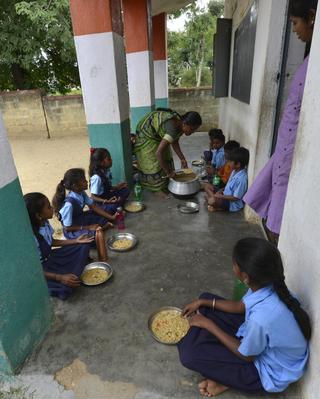
Officials from the Food and Civil Supplies Department emphasised that most fair price shop operators perform their duties diligently under challenging conditions. They cautioned against generalising isolated incidents to the entire network. At the same time, they agreed that strict action in proven cases is necessary to maintain standards. The department plans to intensify training programmes for staff and operators to reinforce guidelines on record keeping, stock management, and customer service, reducing the likelihood of procedural lapses.
The Chairperson reportedly highlighted the need for empathy in service delivery. Fair price shops are often the first point of contact between the State and low-income citizens seeking food support. Delays, confusion, or irregular practices can erode faith in welfare systems. By recommending corrective measures, the Commission aims to ensure that interactions at these outlets are smooth, respectful, and reliable. Strengthening this last mile of delivery is essential to achieving the larger goal of food security.
PROTECTING FOOD SECURITY FOR THE VULNERABLE
Food security schemes are designed to shield families from hunger and nutritional deprivation, especially during times of economic uncertainty. In Karnataka, subsidised food grains help stabilise consumption for households with limited and irregular incomes. Any disruption in this supply chain can have ripple effects, forcing families to cut back on meals or spend more on market purchases. The Commission’s intervention is therefore seen not merely as administrative action but as a safeguard for basic human well-being.
Experts point out that effective grievance mechanisms are key to maintaining system credibility. When beneficiaries know that complaints can lead to tangible action, they are more likely to report issues instead of remaining silent. This feedback loop helps authorities identify weak points and improve performance. The present case illustrates how field-level grievances, when investigated thoroughly, can trigger institutional responses that strengthen the overall framework of food distribution.
The incident also highlights the importance of coordination between different levels of administration. From local inspectors and taluk officials to district authorities and the State Commission, each tier plays a role in oversight. Timely sharing of information and follow-up on recommendations ensure that corrective measures do not remain on paper. Officials said they are working to streamline communication channels so that similar cases can be addressed swiftly in the future.
For beneficiaries, the ultimate measure of success is simple: receiving their entitled rations regularly and without hassle. Many families rely on these supplies to plan monthly budgets and maintain dietary stability. When systems function smoothly, the public distribution network becomes an invisible yet vital support structure. When irregularities arise, they quickly become sources of anxiety. Actions such as those recommended by the Commission seek to minimise such uncertainty and reinforce reliability.
The State government has repeatedly stated its commitment to strengthening welfare schemes through better monitoring and citizen engagement. Initiatives to modernise storage facilities, improve logistics, and upgrade technology are part of this broader effort. However, as officials acknowledge, vigilance at the point of distribution remains critical. Even the most advanced systems depend on honest implementation at the last mile, where policy translates into daily service for ordinary people.
Looking ahead, authorities are expected to review inspection protocols and possibly increase the frequency of surprise checks in sensitive areas. Data analysis may be used to identify patterns that signal potential issues, such as unusual stock variations or repeated beneficiary complaints. By combining data-driven insights with field visits, the administration aims to create a more proactive oversight model that detects problems early rather than reacting after significant damage occurs.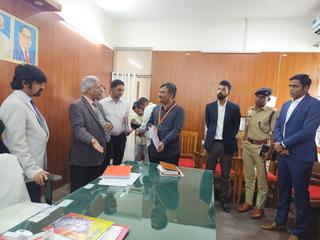
Ultimately, the recommendation of action against four personnel and a fair price shop reflects an effort to uphold fairness and integrity in a system that directly touches the lives of millions. While the process of inquiry and disciplinary proceedings will take its course, the message is clear: welfare benefits must be delivered transparently, and lapses will not be overlooked. For beneficiaries who depend on these schemes for daily sustenance, such assurance carries both practical and emotional significance, reinforcing faith in the institutions meant to support them.
The development also serves as a reminder that strong institutions depend on continuous public engagement and oversight. When regulatory bodies act decisively on irregularities, it reinforces the principle that welfare systems exist for the people and must operate with integrity at every level. Observers note that sustained vigilance, transparent procedures, and timely corrective steps can gradually reduce systemic weaknesses. For Karnataka’s food security framework, such actions contribute to building a distribution network where accountability is routine, trust is strengthened, and the fundamental objective of ensuring food reaches every entitled household remains firmly protected.
Follow: Karnataka Government
Also read: Home | Channel 6 Network – Latest News, Breaking Updates: Politics, Business, Tech & More
