
Bengaluru, once celebrated as India’s garden city and global technology hub, now finds itself increasingly defined by another identity: a city caught in relentless gridlock. Long traffic snarls, stalled vehicles, and frustrated commuters have become a routine part of daily life. What was once an occasional inconvenience has evolved into a structural urban crisis that affects productivity, mental health, air quality, and overall quality of life. The phrase “stranded in traffic” is no longer an exaggeration but a lived reality for lakhs of residents navigating roads that struggle to cope with explosive growth.
Over the past two decades, Bengaluru has witnessed rapid expansion driven by the IT sector, educational institutions, and real estate development. This growth has drawn people from across the country, transforming the city into a diverse and dynamic metropolis. However, infrastructure development has not kept pace with this population boom. Narrow roads, limited alternative routes, and unplanned layouts in many areas have created bottlenecks that choke vehicle movement, especially during peak hours when office-goers and school traffic overlap.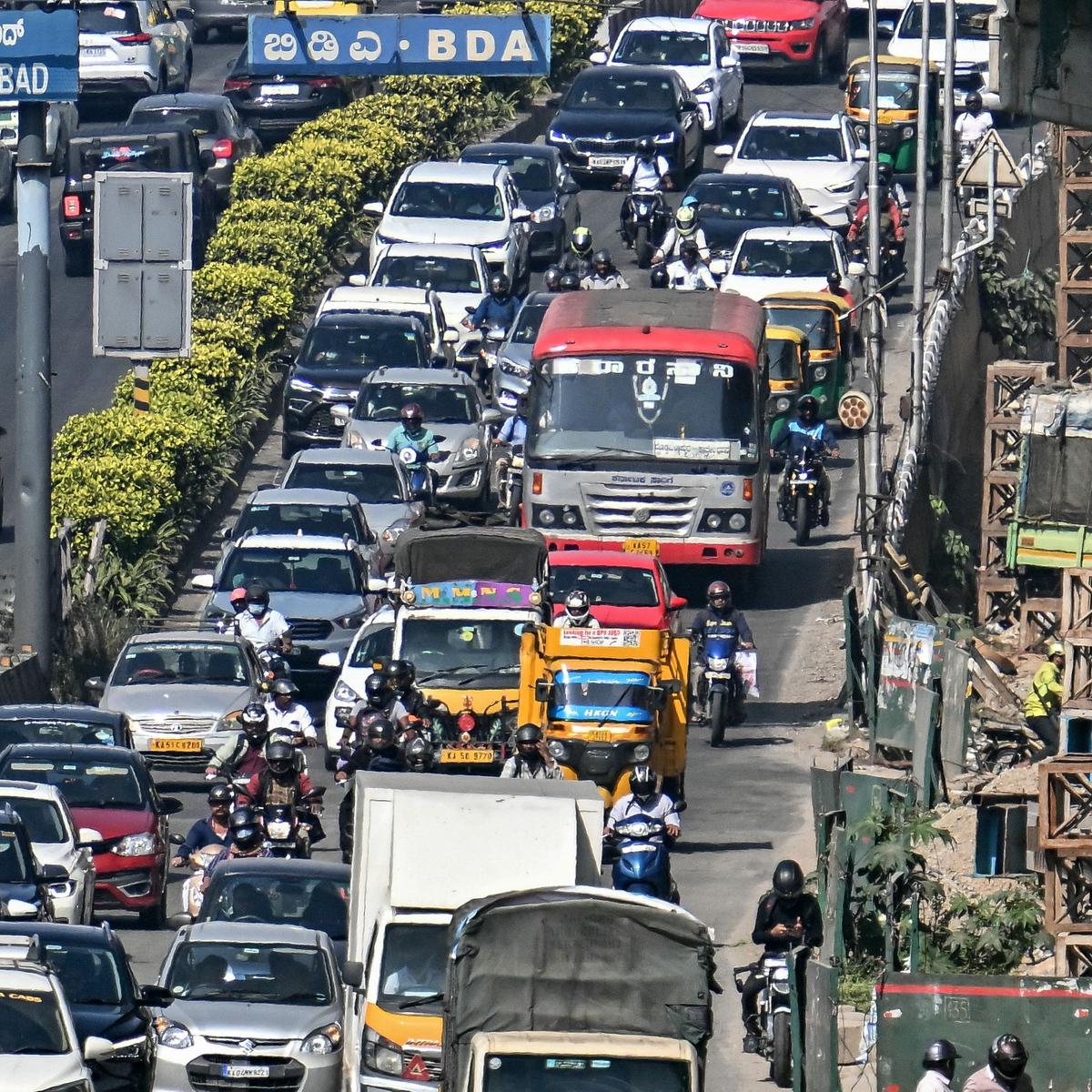
Daily commuters describe journeys that once took thirty minutes now stretching to ninety minutes or more. Two-wheelers weave cautiously between cars and buses, while pedestrians search for safe spaces to cross chaotic intersections. Public buses inch forward amid a sea of private vehicles, often unable to maintain schedules. The unpredictability of travel times disrupts routines, forcing people to leave home much earlier than necessary and return late, eating into family time and personal rest.
Urban planners point to a fundamental imbalance between the number of vehicles and available road space. Vehicle registrations in the city have surged, with personal cars and two-wheelers dominating the streets. Many residents rely on private transport due to gaps in last-mile connectivity and the perception that public options are insufficient or inconvenient. This dependence compounds congestion, creating a cycle where more vehicles lead to slower movement, which in turn pushes people toward private solutions rather than shared mobility.
The impact extends beyond inconvenience. Prolonged exposure to traffic congestion contributes to increased fuel consumption and higher emissions, worsening air pollution. Idling engines release pollutants that affect respiratory health, particularly among children, the elderly, and traffic police personnel who spend long hours on the roads. Noise pollution from constant honking adds another layer of stress, making even short trips physically and mentally exhausting for commuters.
Businesses also feel the strain. Delivery schedules are disrupted, logistics costs rise, and employees arrive fatigued after battling traffic. Companies in the technology and service sectors, which depend on punctuality and efficiency, often adjust work hours or promote remote work to cope. While such measures offer temporary relief, they do not address the underlying mobility challenges. The city’s reputation as a business-friendly destination risks being overshadowed by stories of gridlock and lost hours.
Residents express a mix of frustration and resignation. Social conversations frequently revolve around traffic experiences, with people sharing alternate routes, peak congestion timings, and coping strategies. Some choose to relocate closer to workplaces despite higher rents, while others adjust lifestyles around travel constraints. The emotional toll is evident, as commuting becomes a daily source of anxiety rather than a simple transition between home and work.
GROWTH WITHOUT PLANNING STRAINS URBAN SYSTEMS
Experts argue that Bengaluru’s traffic crisis is rooted in patterns of urban expansion that prioritised development over integrated planning. Large residential layouts and commercial zones have emerged in peripheral areas without adequate public transport links. As these neighbourhoods matured, residents became dependent on personal vehicles to access workplaces, schools, and healthcare facilities located across the city. This spatial mismatch between living and working areas intensifies cross-city travel demand.
Public transport, though expanding, struggles to cover the city’s vast and evolving geography. The metro network has brought relief along certain corridors, significantly reducing travel time where available. However, many areas remain far from stations, requiring additional travel by bus, auto-rickshaw, or private vehicle. Inadequate feeder services and limited pedestrian infrastructure make seamless transitions difficult, discouraging some commuters from fully adopting public transport.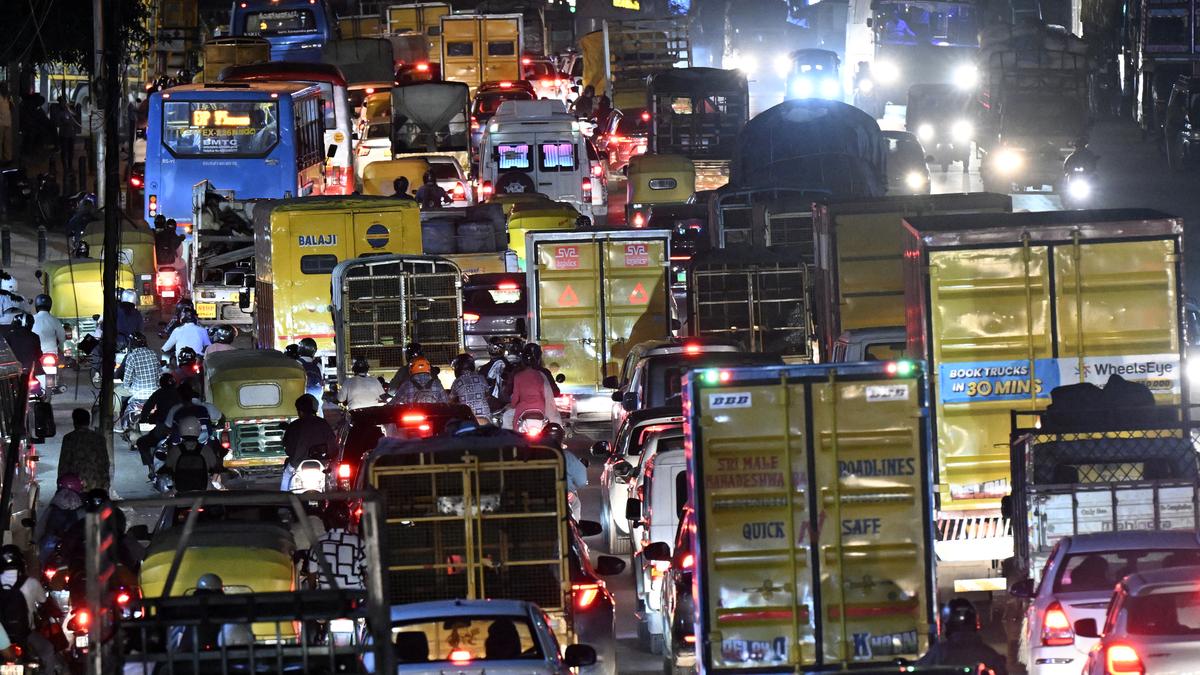
Road infrastructure projects such as flyovers and underpasses have been introduced to ease congestion at key junctions. While they offer localised improvements, critics say they often shift bottlenecks rather than eliminating them. Increased road capacity can also encourage more vehicle use, a phenomenon urban researchers describe as induced demand. Without parallel efforts to strengthen mass transit and manage vehicle growth, such projects risk providing only temporary relief.
Encroachment on footpaths and poor pedestrian facilities further complicate mobility. In many areas, sidewalks are either absent or obstructed, forcing pedestrians onto busy roads. This not only endangers lives but also slows traffic as vehicles navigate around people. Safe, continuous pedestrian networks are essential in dense urban environments, yet they remain an underdeveloped aspect of the city’s infrastructure strategy.
Traffic management practices face challenges as well. Signal coordination, lane discipline, and enforcement vary across locations. Intersections often become choke points when vehicles block junctions or disregard lane markings. Although technology-driven monitoring systems are being introduced, consistent behavioural change among road users remains a hurdle. Effective management requires both enforcement and public awareness, ensuring that rules are respected as part of everyday driving culture.
Urban flooding during heavy rains exacerbates congestion. Waterlogged roads and potholes reduce usable road space, slow vehicles, and increase the risk of breakdowns and accidents. The city’s drainage challenges intersect with mobility issues, demonstrating how interconnected urban systems are. A single spell of rain can transform an already slow commute into hours of immobility, highlighting the vulnerability of existing infrastructure.
The economic cost of congestion is significant. Time lost in traffic translates into reduced productivity and increased stress-related health issues. Fuel wastage adds to personal expenses and environmental burdens. For lower-income workers who rely on daily wages, delays can directly affect earnings. Thus, traffic is not merely a transport issue but a socio-economic concern that touches multiple layers of urban life.
SEARCH FOR SOLUTIONS AMID RISING PRESSURE
Authorities have acknowledged the seriousness of the situation and initiated multiple measures to address congestion. Expansion of the metro network remains a central strategy, with new lines expected to connect more residential areas to employment hubs. If integrated effectively with buses and feeder services, the system could shift a substantial share of commuters from private vehicles to public transport, easing pressure on roads.
Bus services are also being modernised with the introduction of new fleets and route rationalisation efforts. Dedicated bus lanes in select corridors have been discussed as a way to improve reliability and speed, making buses a more attractive option. However, implementing such lanes in already crowded road spaces requires careful planning and public cooperation to ensure they are not encroached upon by other vehicles.
Promotion of non-motorised transport is gaining attention. Cycling tracks, pedestrian-friendly streets, and last-mile connectivity initiatives are being considered to reduce dependence on short vehicle trips. Encouraging walking and cycling not only eases congestion but also supports healthier lifestyles and cleaner air. For these measures to succeed, infrastructure must be safe, continuous, and well-maintained, inspiring confidence among users.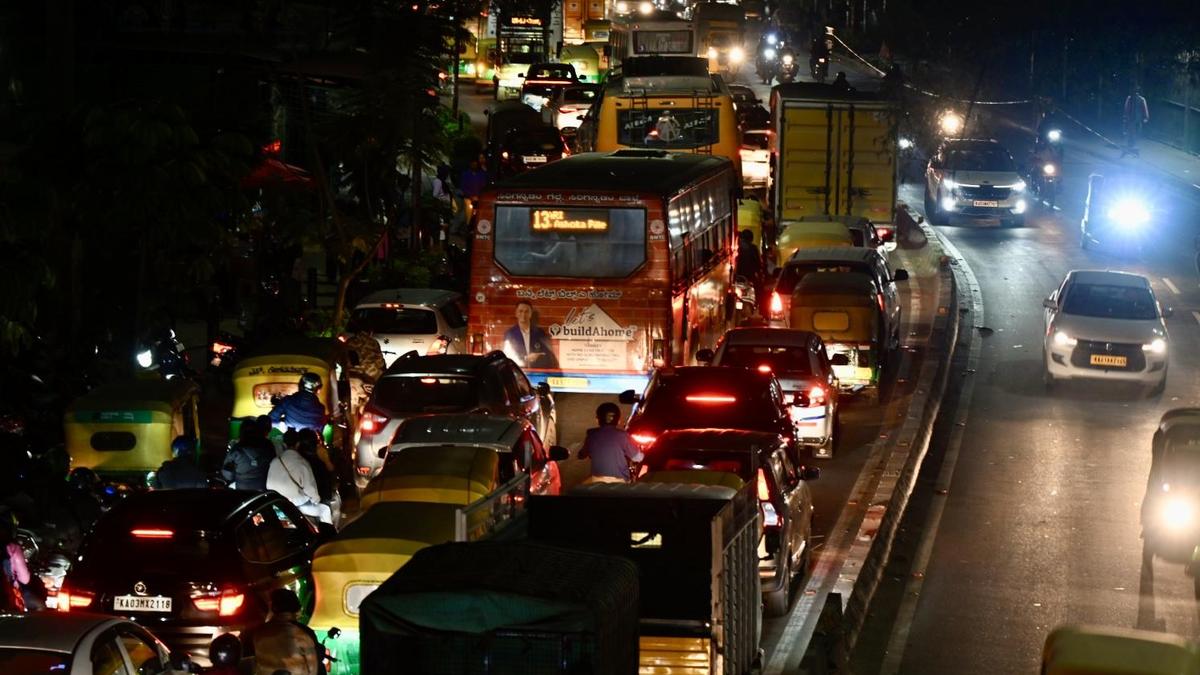
Technology is playing a growing role in traffic management. Intelligent traffic systems, real-time monitoring, and adaptive signal control aim to optimise flow and respond to changing conditions. Data analytics can help identify congestion patterns and inform targeted interventions. While technology cannot replace infrastructure, it can enhance efficiency and provide decision-makers with tools to plan more effectively.
Workplace policies are evolving as well. Flexible hours, staggered shifts, and remote work options reduce peak-hour pressure on roads. Educational institutions adjusting timings can also spread travel demand more evenly. These behavioural and organisational changes complement physical infrastructure improvements, demonstrating that solutions must extend beyond construction projects.
Citizen participation is increasingly recognised as vital. Carpooling, use of public transport, and adherence to traffic rules depend on individual choices. Awareness campaigns and community initiatives can foster a sense of shared responsibility. When residents see mobility as a collective challenge rather than a personal inconvenience, cooperation becomes more likely.
Despite the challenges, there remains a strong desire among Bengaluru’s residents to see their city thrive. The same energy that fuels its innovation and cultural vibrancy can drive solutions if channelled effectively. Addressing gridlock requires sustained commitment, coordination across agencies, and long-term vision that balances growth with liveability.
Bengaluru’s story is not unique among rapidly expanding global cities, but its scale and pace make the challenge urgent. Traffic congestion has become a symbol of deeper planning and infrastructure gaps, yet it also presents an opportunity to rethink urban mobility. With integrated strategies that prioritise public transport, sustainable design, and responsible behaviour, the city can move toward a future where movement is smoother and daily life less strained.
For now, the image of vehicles stretching endlessly along arterial roads serves as a reminder of the work ahead. Each commuter caught in the slow crawl carries hopes of a city that matches its promise with practical ease. The path forward may be complex, but the collective aspiration is simple: a Bengaluru where journeys are not battles, and where the rhythm of urban life flows with greater harmony and care.
Follow: Karnataka Government
Also read: Home | Channel 6 Network – Latest News, Breaking Updates: Politics, Business, Tech & More
