
Fresh political ripples have emerged within the Karnataka unit of the Bharatiya Janata Party after senior leader Basanagouda Patil Yatnal publicly alleged bias in the party’s internal fight against corruption. His remarks have triggered debate not only within party circles but also in the wider political landscape, as questions surface about consistency, accountability, and internal discipline. The controversy highlights underlying tensions that periodically surface in large political organisations where ideological commitments, personal ambitions, and public expectations intersect in complex ways.
The episode may also prompt closer scrutiny of how parties communicate internal disciplinary decisions. Clear documentation of procedures, timelines, and criteria for action can help counter perceptions of favouritism. When members and the public understand that processes are rule-based rather than personality-driven, confidence in organisational integrity improves. Strengthening institutional frameworks often proves more effective than ad hoc responses to individual controversies.
Grassroots workers, who form the backbone of party organisation, are likely to watch developments carefully. Their engagement depends not only on electoral prospects but also on faith in leadership fairness. If cadres feel that standards apply evenly, motivation tends to remain high. Conversely, doubts about impartiality can dampen enthusiasm and create parallel loyalties aligned with different leaders, complicating coordination during campaigns.
Political analysts also note that moments of internal friction can shape leadership evolution. Debates over accountability may influence future appointments, committee structures, or oversight mechanisms within the party. Organisational reforms introduced in response to criticism can redefine how authority is exercised and monitored, potentially altering internal power balances over time.
For voters observing from outside, such disputes often reinforce demands for transparency across all parties. Public expectations around clean governance have risen steadily, and citizens increasingly evaluate parties based on how they handle internal ethical questions. Consistent, visible action tends to resonate more strongly than rhetoric, making follow-through crucial in shaping credibility.
In the broader democratic context, internal party debates on corruption underscore the importance of institutional resilience. Political organisations that adapt to scrutiny, refine procedures, and maintain open channels for grievance redressal contribute to a healthier political culture. While disagreements can be disruptive, they also provide opportunities to reaffirm commitments to fairness and accountability, values that remain central to public trust in governance.
Yatnal’s comments suggest that anti-corruption measures within the party are not being applied uniformly. He reportedly indicated that certain leaders face scrutiny while others are spared, creating a perception of selective action. Such allegations, especially when voiced by a prominent figure from within the party, can carry weight and influence public perception. Political observers note that internal criticism, when made openly, signals both dissatisfaction and an attempt to push for reforms within established structures.
The BJP has often positioned itself as a party committed to transparency and clean governance, making allegations of uneven enforcement particularly sensitive. Supporters expect a strong stance against corruption, while critics are quick to highlight inconsistencies. In this context, Yatnal’s statements add pressure on party leadership to clarify processes and reinforce credibility. Internal debates about standards and accountability are not uncommon in political organisations, but public airing of such issues tends to amplify their impact.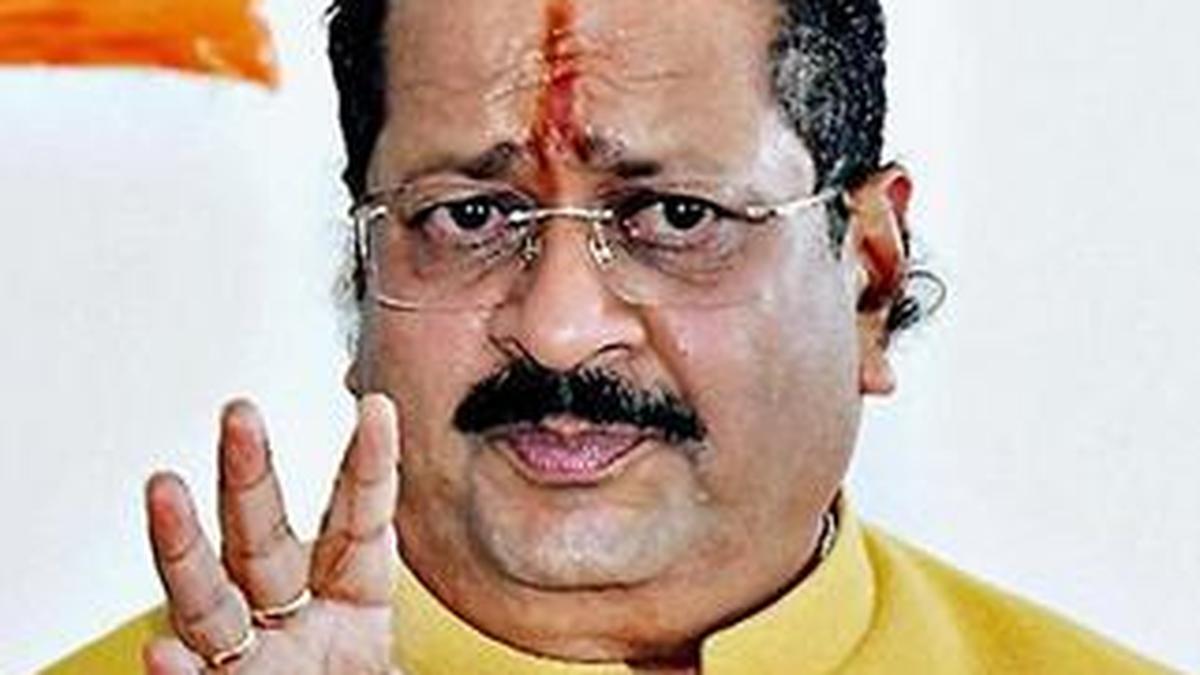
The backdrop to the remarks includes ongoing political developments in Karnataka, where parties are actively shaping narratives ahead of future electoral challenges. Anti-corruption rhetoric has long been a central theme in political discourse, resonating strongly with voters frustrated by governance failures. Allegations of bias within a party’s own anti-corruption framework therefore carry implications beyond internal management, influencing broader political positioning.
Party insiders suggest that disagreements over strategy, leadership roles, and ideological direction sometimes manifest through such public statements. While some view this as healthy internal democracy, others see it as a sign of factional strain. Balancing diverse voices while maintaining organisational coherence is a challenge faced by many political parties, especially those with wide regional representation and varied local dynamics.
Yatnal has previously been known for outspoken positions, often addressing issues directly rather than through closed-door channels. Such a style can appeal to sections of the public who value frankness but may also create friction within party hierarchies that prioritise collective messaging. His recent allegations appear to continue this pattern, placing emphasis on what he perceives as inconsistencies in action.
Political analysts point out that corruption allegations, even when internal, can shape voter attitudes. Citizens often judge parties not only by their promises but by how they handle issues among their own ranks. Transparent processes, timely inquiries, and clear communication are crucial to maintaining trust. In the absence of clarity, speculation can fill the gap, sometimes overshadowing policy achievements.
INTERNAL DYNAMICS AND LEADERSHIP RESPONSES
Within the party structure, leadership typically handles such matters through disciplinary mechanisms and internal consultations. Senior leaders are expected to engage with concerned members to address grievances while safeguarding unity. Public disagreements, however, place additional pressure on leadership to respond in a manner that reassures both cadres and the electorate. Silence can be interpreted as avoidance, while strong reactions risk deepening divides.
Observers note that allegations of selective action often arise in contexts where multiple inquiries or controversies are unfolding simultaneously. The challenge lies in demonstrating that decisions are guided by evidence and procedure rather than personal or factional considerations. Clear guidelines, consistent timelines, and transparent communication can help reduce perceptions of bias.
Political communication experts highlight that modern media ecosystems amplify such disputes rapidly. Statements made at local events or through interviews can quickly become state-wide talking points. Managing narrative flow requires coordinated messaging and careful engagement with both traditional and digital platforms. Parties must balance internal discussion with external communication strategies that prevent misunderstandings.
For party workers at the grassroots level, such controversies can create confusion. Local cadres often look to leadership for direction and reassurance, particularly when facing questions from voters. Ensuring that workers are informed about the party’s stance and processes becomes essential to maintaining morale and coherence. Prolonged uncertainty can weaken organisational momentum.
At the same time, internal critique can serve as a catalyst for reform. Political systems evolve partly through challenges that expose gaps and inconsistencies. If addressed constructively, such moments can strengthen institutions by prompting clearer rules and stronger oversight. The outcome depends largely on how leadership chooses to engage with the concerns raised.
Opposition parties, meanwhile, often seize upon such statements to question the ruling party’s integrity. Political competition ensures that internal disputes rarely remain internal for long. Public perception can shift based on how effectively a party counters criticism and demonstrates commitment to its stated values. In this sense, managing internal allegations becomes part of broader electoral strategy.
The situation also underscores the personal dimension of politics. Leaders operate within networks of alliances, rivalries, and expectations. Public statements may reflect not only ideological positions but also personal calculations about influence and visibility. Understanding these layers helps explain why internal disagreements sometimes surface in dramatic fashion.
BROADER POLITICAL AND PUBLIC IMPLICATIONS
For the public, debates over corruption and accountability resonate deeply. Voters across socio-economic backgrounds express frustration with perceived misuse of power and resources. When a senior leader alleges bias in anti-corruption efforts, it touches on broader anxieties about fairness and governance. Citizens often seek assurance that rules apply equally, regardless of status or affiliation.
Civil society observers argue that robust internal accountability within political parties is essential for democratic health. Parties function as gateways to public office; their internal standards influence governance outcomes. Transparent processes for handling allegations can strengthen democratic institutions by setting examples of responsible conduct.
The controversy also highlights the tension between unity and transparency. Parties strive to present cohesive fronts, especially in competitive political environments. Yet suppressing debate can lead to deeper fractures. Finding a balance where concerns are addressed without undermining organisational stability is a delicate task.
Media coverage plays a significant role in shaping how such issues are perceived. Responsible reporting that distinguishes between allegation and proven fact is crucial. Sensationalism can distort understanding, while measured coverage can inform citizens about processes and context. Political actors must navigate this environment carefully.
Looking ahead, the way this episode unfolds may influence internal culture within the party. Constructive dialogue, if pursued, could lead to clearer anti-corruption mechanisms and stronger confidence among members. Conversely, unresolved tensions might resurface during key political moments, affecting campaign dynamics.
For Karnataka’s political landscape, the episode adds another layer to ongoing debates about governance, ethics, and leadership. Each controversy contributes to evolving narratives that shape voter attitudes. Parties that respond effectively to internal and external challenges often emerge stronger, while those that struggle with cohesion risk losing momentum.
Ultimately, Yatnal’s allegations have opened a conversation about standards and fairness within political structures. Whether this leads to reform, reconciliation, or further contestation will depend on the choices made by party leadership and members in the days ahead. What remains clear is that issues of integrity and accountability continue to occupy a central place in public discourse, reminding political actors that trust, once questioned, requires consistent effort and transparent action to rebuild.
Follow: Karnataka Government
Also read: Home | Channel 6 Network – Latest News, Breaking Updates: Politics, Business, Tech & More
