
The recent deaths of children in Ghaziabad have triggered nationwide concern, drawing attention to the growing issue of gaming addiction among young people, including in Karnataka. While the incident occurred outside the State, its emotional and social implications resonate strongly with parents, educators, and policymakers across regions. The tragedy has reignited debates about excessive screen exposure, psychological health, and the role of digital environments in shaping childhood behaviour. Experts warn that gaming dependency, when left unchecked, can disrupt emotional stability, academic focus, and family relationships, making it a pressing child welfare issue.
Researchers studying adolescent behaviour emphasise the importance of understanding developmental stages when addressing gaming dependency. Early adolescence is marked by heightened sensitivity to rewards and peer influence, making young people more susceptible to engaging experiences offered by digital platforms. Neuroscientists note that executive functions related to impulse control are still maturing during these years. Awareness of these biological and psychological factors can guide adults toward patient, supportive responses rather than purely disciplinary reactions. Recognising that children are navigating complex developmental changes helps frame gaming overuse as a behavioural health concern requiring guidance.
Public health experts suggest that data collection and research at the State level could improve policy responses. Surveys on screen-time patterns, mental health indicators, and lifestyle habits among children can help identify risk trends. Evidence-based strategies are more effective than generalised restrictions. Collaboration between education departments, health services, and child welfare agencies can ensure interventions are coordinated. Reliable data also helps evaluate whether awareness programmes and school initiatives are achieving intended outcomes, enabling authorities to adjust approaches as needed.
Peer influence is another dimension that shapes children’s gaming habits. Multiplayer games often involve friend groups, making participation a social expectation. Children may fear exclusion if they limit gaming time while peers continue playing. Addressing this requires community-level conversations rather than individual family rules alone. Schools and neighbourhood groups can promote collective agreements around balanced digital use, reinforcing the idea that moderation is a shared value. When social norms shift, children may feel less pressure to remain constantly connected online.
The media’s portrayal of gaming-related incidents can also influence public perception. Experts urge balanced reporting that avoids sensationalism while still highlighting risks. Overstating dangers may create panic, whereas minimising concerns can lead to complacency. Clear communication about warning signs, support resources, and preventive measures empowers families without fostering fear. Responsible dialogue in public forums contributes to a more informed and constructive response to digital lifestyle challenges.
As technology continues to evolve, the conversation around gaming and children will remain dynamic. Virtual reality, augmented experiences, and increasingly immersive platforms may further blur lines between digital and physical environments. Preparing children to navigate this landscape responsibly is an ongoing process. By prioritising emotional resilience, open dialogue, and healthy routines, communities can help young people benefit from technological advances while maintaining balanced growth and well-being.
Across Karnataka, the rapid spread of smartphones, affordable internet access, and immersive online games has transformed how children spend their leisure time. Gaming, once a recreational activity, has increasingly become a daily routine for many adolescents. Parents report children spending long hours on mobile devices, often late into the night. This pattern raises concerns about sleep deprivation, declining physical activity, and reduced face-to-face interaction. Mental health professionals say such behavioural shifts can gradually affect mood regulation, attention spans, and overall well-being, especially among children in formative developmental stages.
Schools have also begun noticing behavioural changes linked to excessive gaming. Teachers describe students appearing fatigued in classrooms, struggling with concentration, and showing declining academic performance. Some institutions have introduced awareness sessions to educate students about balanced digital habits. Counsellors emphasise that gaming addiction shares similarities with other behavioural dependencies, where the brain’s reward system is repeatedly stimulated, leading to compulsive engagement. Without guidance, children may find it difficult to self-regulate, increasing vulnerability to anxiety, irritability, and emotional withdrawal when access to devices is restricted.
Parents in urban Karnataka express growing helplessness in managing their children’s screen time. Many households depend on digital devices for education and communication, blurring boundaries between learning and entertainment. Working parents, particularly in nuclear families, sometimes find it challenging to monitor usage continuously. Child psychologists stress that supervision alone is not enough; building trust and open communication is equally important. When children perceive gaming as an escape from stress or loneliness, restricting access without emotional support may intensify conflict rather than resolve underlying issues.
Healthcare professionals underline the physical consequences associated with prolonged gaming. Extended sedentary behaviour contributes to posture problems, eye strain, headaches, and reduced physical fitness. Sleep cycles often suffer, as exposure to bright screens before bedtime interferes with natural rest patterns. Paediatricians in Bengaluru and other cities note a rise in lifestyle-related concerns among children, including weight gain and early signs of stress disorders. While gaming itself is not inherently harmful, the absence of moderation can create a cluster of health risks that accumulate over time.
Psychological Impact and Social Dimensions
Mental health experts point out that children immersed in virtual worlds may gradually detach from real-life interactions. Online gaming communities can provide a sense of belonging, but they may also expose children to cyberbullying, aggressive content, or unhealthy competition. Emotional investment in virtual achievements can overshadow academic goals or hobbies. Counsellors caution that when children define self-worth through gaming success, setbacks in games may trigger disproportionate distress, frustration, or anger, affecting relationships with peers and family members.
Another concern is the influence of game design features that encourage prolonged engagement. Reward systems, achievement levels, and social ranking structures are designed to sustain attention. Young users, whose impulse control mechanisms are still developing, may find it particularly difficult to disengage. Psychologists describe this as a cycle where anticipation of rewards drives repeated play, gradually reinforcing dependency. Educational campaigns increasingly highlight the need to help children recognise these patterns and develop healthier digital habits that balance entertainment with other aspects of life.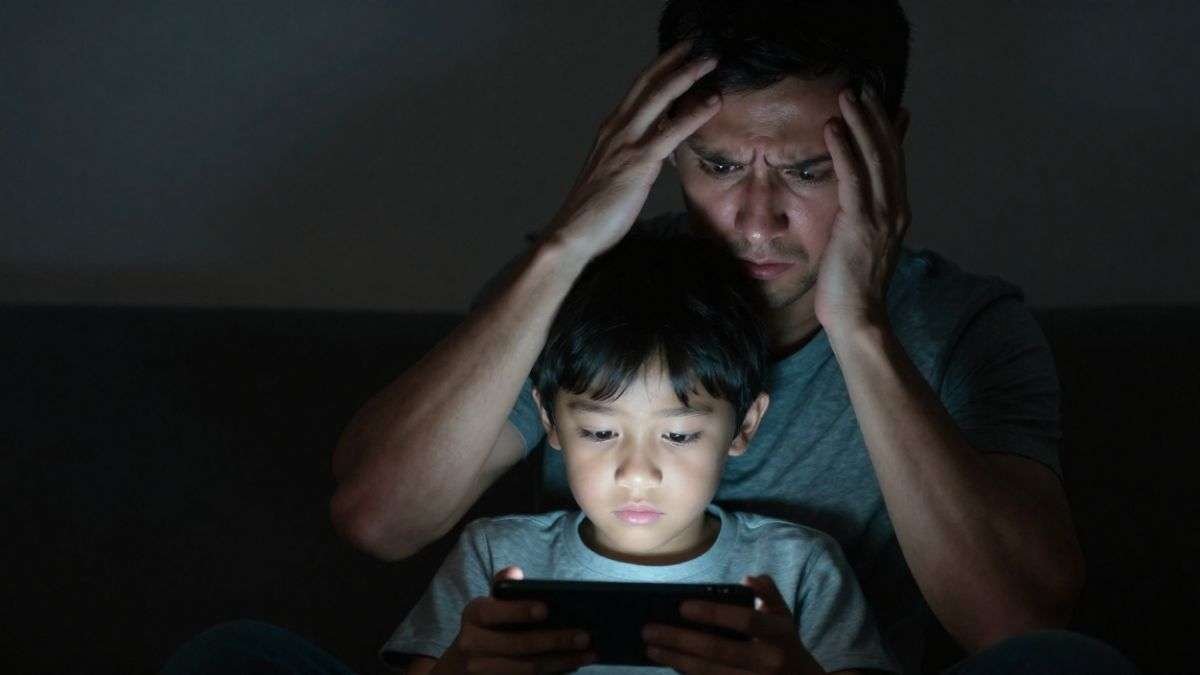
Social workers in Karnataka observe that gaming addiction sometimes overlaps with emotional vulnerabilities. Children experiencing academic pressure, social anxiety, or family conflicts may turn to online games as coping mechanisms. Virtual environments offer a sense of control and accomplishment that real life may not always provide. Addressing gaming addiction therefore requires more than limiting devices; it demands attention to emotional resilience and supportive home environments. Counsellors advocate family-based interventions where parents participate actively in understanding their children’s digital worlds.
Community organisations have begun organising workshops to raise awareness about responsible technology use. Sessions for parents often cover practical strategies such as setting screen-time schedules, encouraging outdoor activities, and modelling healthy digital behaviour themselves. Experts stress consistency and mutual agreement rather than punitive measures. When rules are framed collaboratively, children are more likely to follow them. Encouraging alternative hobbies like sports, arts, or reading helps diversify interests, reducing overreliance on virtual entertainment for satisfaction and relaxation.
Policy discussions are also emerging at State and national levels regarding regulation of online gaming platforms. Debates include age verification systems, parental control tools, and guidelines for advertising targeted at minors. Authorities aim to balance innovation in the digital economy with child protection. Awareness campaigns through schools and public health departments are being considered to educate families about early warning signs of addiction. These include irritability when not gaming, loss of interest in other activities, and persistent neglect of responsibilities.
Pathways to Prevention and Balanced Growth
Educators believe that digital literacy should include lessons on responsible consumption of technology. Teaching children how algorithms and reward systems operate can empower them to make informed choices. Some schools in Karnataka are incorporating discussions on digital well-being into life skills curricula. Students are encouraged to reflect on their screen habits and explore time management techniques. Such initiatives aim to foster self-awareness rather than impose strict prohibitions, recognising that technology will remain an integral part of modern life.
Mental health professionals recommend early intervention when signs of dependency appear. Counselling can help children develop coping mechanisms for stress and social challenges without relying solely on gaming. Family therapy may also be beneficial in addressing communication gaps. Experts stress that seeking help should not be stigmatised; behavioural addictions require understanding and support, similar to other health concerns. Timely guidance can prevent escalation into severe psychological distress or social isolation.
Parents are encouraged to create structured routines that balance study, recreation, and rest. Establishing device-free times, especially before bedtime, supports better sleep hygiene. Shared family activities such as meals, outings, or creative projects strengthen emotional bonds and reduce reliance on solitary screen engagement. Consistency in rules across caregivers is crucial to avoid confusion. When children understand the reasons behind limits, they are more likely to cooperate, seeing boundaries as protective rather than restrictive.
Technology companies also play a role in shaping healthier usage patterns. Features such as usage reminders, screen-time dashboards, and parental control settings can support moderation. Collaboration between industry, educators, and health professionals may lead to more child-friendly design standards. Experts argue that corporate responsibility in digital product design is essential as children form a significant user base. Transparent communication about potential risks can help families make informed decisions.
Ultimately, the renewed focus on gaming addiction following the Ghaziabad tragedy serves as a reminder of the delicate balance required in raising digitally connected children. Karnataka, like many regions, stands at a crossroads where technological opportunities coexist with psychological challenges. By combining awareness, supportive parenting, educational initiatives, and policy engagement, society can work toward safeguarding children’s well-being. Ensuring that technology enhances rather than diminishes childhood experiences remains a collective responsibility requiring sustained attention and compassion.
Follow: Karnataka Government
Also read: Home | Channel 6 Network – Latest News, Breaking Updates: Politics, Business, Tech & More
