
A devotee couple’s determined effort to have darshan at the Mayakka Devi Temple in Chinchali, Belagavi district, has drawn widespread attention after they arrived carrying an oxygen cylinder to support one partner’s medical needs. Temple authorities and visitors alike were moved by the couple’s resolve, which highlighted the deep faith many pilgrims associate with the shrine. The incident also brought focus to the challenges faced by devotees with health conditions who undertake religious journeys despite physical limitations.
According to local sources, the couple had travelled from outside the immediate region, prepared carefully to manage a respiratory condition that required continuous oxygen support. Family members reportedly accompanied them, ensuring that medical requirements were met throughout the journey. On reaching the temple premises, they coordinated with staff to complete their visit safely. Their preparation underscored the importance of planning for health needs during travel, particularly to crowded pilgrimage sites.
The Mayakka Devi Temple, a well-known spiritual centre, attracts large numbers of devotees throughout the year, especially during special occasions. Pilgrimage visits often involve long queues and extended periods of standing, which can be physically demanding. Observers at the temple said the couple’s presence with medical equipment drew both curiosity and admiration. Volunteers and fellow pilgrims reportedly extended assistance, reflecting the supportive atmosphere common at religious gatherings.
Temple authorities emphasised that while devotion inspires many to undertake such journeys, health and safety remain priorities. Staff members coordinated to ensure that the couple could complete darshan without strain. Such situations highlight the importance of inclusive arrangements that accommodate devotees with medical or mobility challenges. Over recent years, many pilgrimage centres have worked to improve facilities for elderly and differently-abled visitors.
The incident also sparked discussions about medical preparedness during pilgrimages. Health professionals note that individuals with chronic conditions should consult doctors before travel, carry necessary prescriptions, and inform companions about emergency procedures. In crowded religious settings, access to immediate care can be limited, making preparation crucial. The couple’s proactive steps served as an example of balancing faith with practical health precautions.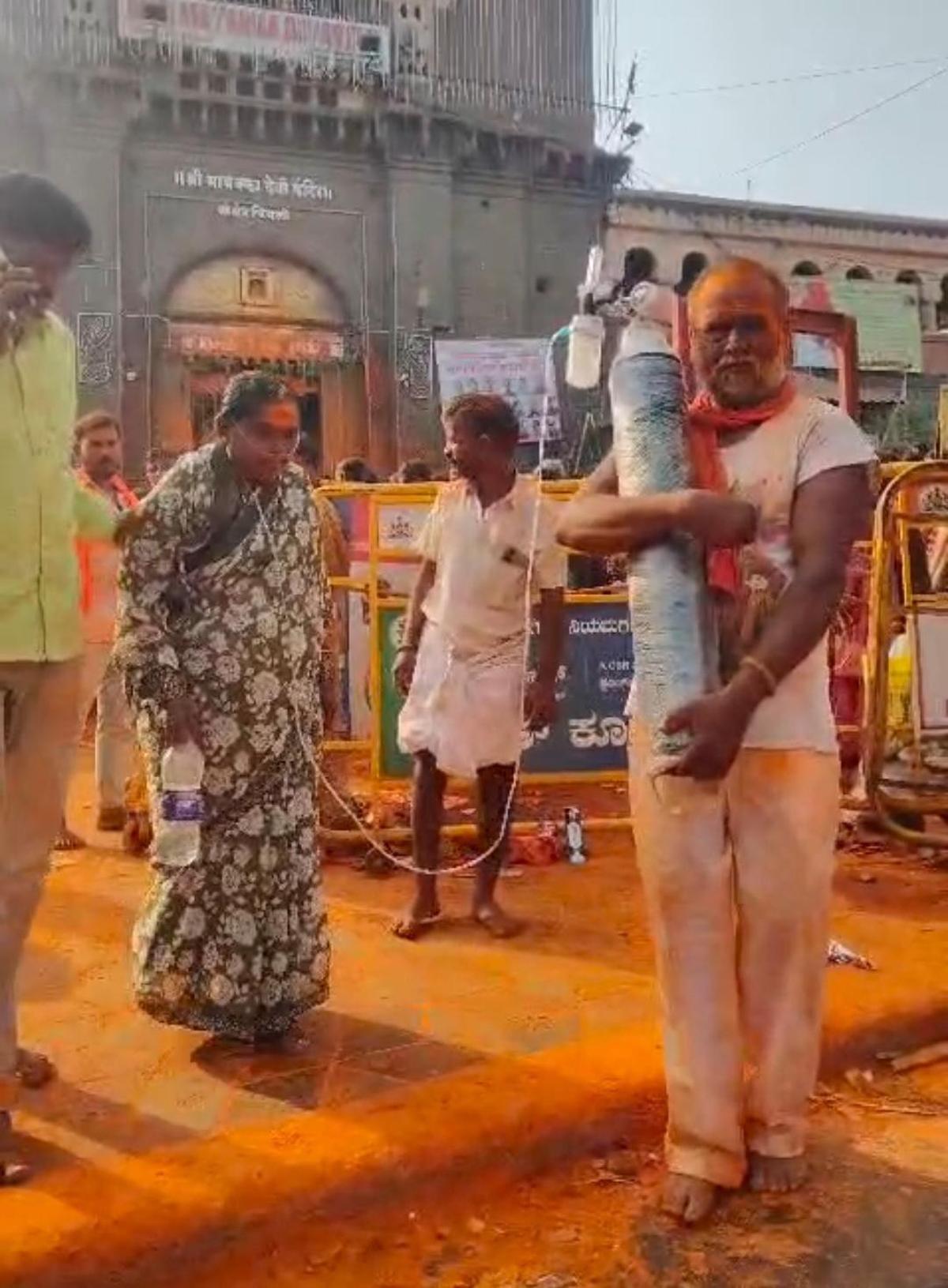
Faith, Accessibility, and Community Support
Pilgrimage in India often involves journeys undertaken with strong emotional and spiritual motivations. For many, fulfilling a vow or offering prayers at a revered shrine carries deep personal significance. Such motivations can inspire individuals to overcome physical barriers, as seen in this instance. Observers noted that the couple’s determination resonated with others present, reinforcing the powerful role faith plays in people’s lives.
Accessibility remains an important topic at religious sites. Authorities at various temples have introduced measures such as ramps, seating areas, and priority access for elderly or medically vulnerable devotees. These initiatives aim to ensure that spiritual experiences are not limited by physical constraints. Incidents like this highlight the continuing need to strengthen such facilities and communication systems so that special requirements can be managed smoothly.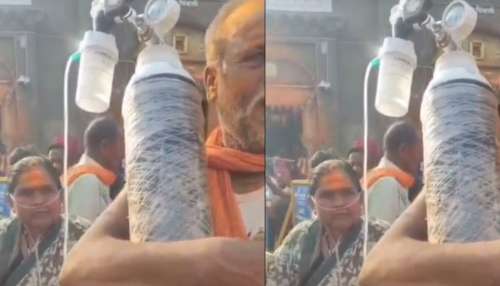
Community support often emerges spontaneously during pilgrimages. Fellow devotees frequently assist one another with directions, space in queues, or emotional encouragement. The atmosphere at the temple reportedly reflected this spirit of cooperation. Such collective goodwill helps create a sense of shared purpose and compassion, reinforcing the social dimension of religious gatherings.
Local administrators sometimes coordinate with temple management to provide medical assistance during peak pilgrimage periods. First-aid stations and emergency response arrangements can be crucial when large crowds gather. While routine days may see fewer facilities, the need for readiness remains. Events like this serve as reminders of the diverse needs of visitors.
Religious tourism also carries economic and cultural significance for regions hosting major shrines. Pilgrims contribute to local livelihoods through travel, accommodation, and services. Ensuring safe and inclusive access strengthens the overall pilgrimage experience and supports sustainable visitor management. Balancing devotion with infrastructure planning remains an ongoing responsibility for authorities.
Balancing Devotion and Well-being
Health experts reiterate that faith-based journeys should always prioritise personal well-being. Carrying essential medical equipment, staying hydrated, and avoiding physical strain are recommended precautions. For individuals with respiratory conditions, altitude, temperature, and crowd density can influence comfort levels. Careful planning helps prevent complications during emotionally significant visits.
The couple’s visit has been described by observers as a moment that blended spirituality with resilience. Their story reflects how personal devotion can motivate individuals to undertake journeys that require courage and preparation. At the same time, it underscores the importance of responsible travel practices. Faith and caution, experts say, need not be in conflict.
Temple authorities indicated that they remain open to assisting devotees with special requirements when informed in advance. Coordination helps staff arrange smoother access and reduce waiting times. Clear communication between visitors and administrators can enhance safety and comfort. As more people travel with varied health needs, such proactive measures may become increasingly common.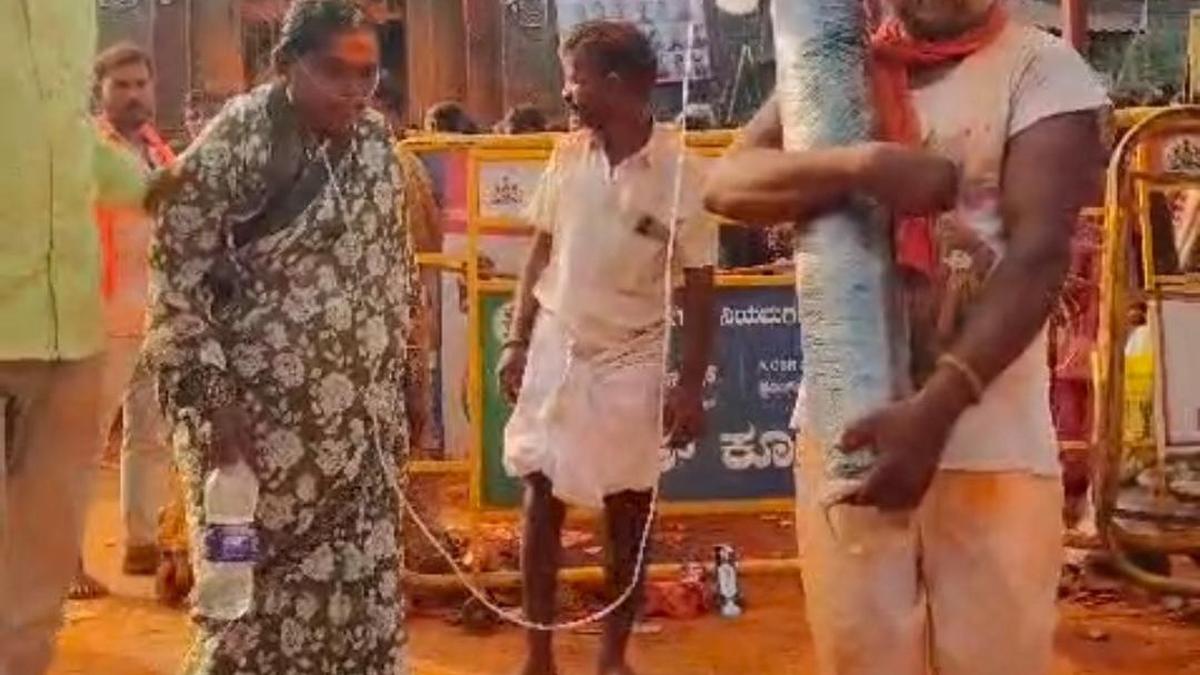
The episode has resonated beyond the immediate temple community, prompting conversations about inclusivity and preparedness at pilgrimage centres. It illustrates how individual experiences can highlight broader themes of accessibility, compassion, and shared responsibility. While faith motivates countless journeys, ensuring that these journeys are undertaken safely is equally vital.
Ultimately, the couple’s darshan at Mayakka Devi Temple stands as a reminder of the human stories that unfold at spiritual sites every day. Acts of devotion often carry layers of personal challenge and hope. By combining determination with careful preparation and community support, the couple’s visit became a moment that many observers described as both inspiring and instructive, reflecting the intersection of belief, resilience, and collective care.
Temple management committees across Karnataka have increasingly recognised the need to integrate health-sensitive arrangements into routine operations. While many shrines were historically built without modern accessibility considerations, gradual modifications have been introduced in recent years. These include wider entry points, shaded waiting areas, and designated assistance counters for senior citizens and those with medical requirements. Incidents involving devotees with visible health challenges often accelerate these efforts, reminding administrators that pilgrimage spaces must evolve alongside the needs of contemporary visitors while preserving traditional practices and spiritual ambience that define the temple experience for millions.
Religious scholars observe that faith journeys have long included narratives of endurance, sacrifice, and personal trials. In many traditions, overcoming difficulty to complete a pilgrimage is viewed as an act of profound devotion. However, they also emphasise that scriptures and teachings rarely encourage neglect of health. Instead, balance and mindfulness are recurring principles. The recent temple visit by the medically supported devotee reflects this intersection, where spiritual aspiration coexists with modern medical understanding. Such moments often spark dialogue within communities about how best to uphold tradition while embracing practical wisdom and compassion in shared religious spaces.
Public health officials point out that India’s growing elderly population is reshaping the profile of pilgrims at major temples. With increased life expectancy, more devotees with chronic conditions such as diabetes, hypertension, and respiratory ailments are undertaking travel. This shift requires enhanced emergency preparedness at religious sites. Basic facilities like oxygen support access, wheelchair services, and trained first responders can make significant differences. Authorities note that while large pilgrimage centres may have structured systems, smaller temples in rural areas often rely on local volunteers, making community awareness and coordination essential components of safety planning.
Transport logistics also play a role in ensuring safe pilgrimage experiences. Many temples are located in areas where public transport access is limited, requiring road travel over uneven terrain. For individuals with medical needs, journey conditions can affect comfort and health stability. Families accompanying such devotees often plan rest stops, medication schedules, and hydration carefully. Travel operators in pilgrimage circuits have begun offering specialised services for elderly groups, including slower-paced itineraries. The broader travel ecosystem thus gradually adapts, influenced by the increasing visibility of health-conscious pilgrimage practices across regions.
Sociologists studying religious gatherings highlight how shared experiences at temples often foster spontaneous acts of solidarity. When pilgrims witness someone facing a physical challenge yet persisting with devotion, it frequently evokes empathy and collective support. This social dynamic reinforces community bonds beyond linguistic or regional differences. Observers note that such instances subtly reshape perceptions about disability and illness, framing them not as barriers to participation but as conditions around which inclusive cooperation can form. Religious settings therefore become spaces where social attitudes toward vulnerability, care, and dignity are publicly expressed and reinforced.
Insurance and emergency response experts suggest that pilgrimage organisers could benefit from formalised risk assessment models. While devotion remains central, structured planning helps mitigate unforeseen health incidents. Temporary medical kiosks during festival seasons, partnerships with nearby hospitals, and volunteer training in first aid are among recommended measures. Though not every temple has the resources of major national shrines, incremental steps can enhance preparedness. Events that draw public attention to health-related challenges often encourage policy discussions within local administrative bodies about resource allocation and support frameworks.
Cultural historians note that temples have historically functioned not only as spiritual centres but also as community support hubs. In earlier eras, temple complexes often provided food, shelter, and care for travellers. Modern interpretations of this legacy include ensuring that visitors with medical needs feel welcomed rather than restricted. The presence of medical equipment, once unusual in sacred spaces, is gradually becoming part of contemporary pilgrimage realities. This shift reflects broader societal changes in how technology, healthcare, and spirituality intersect without diminishing the sanctity that devotees associate with such sites.
Environmental conditions at pilgrimage locations can also influence health outcomes. Heat, humidity, dust, and crowd density are factors that may exacerbate respiratory discomfort. Temple administrations sometimes adjust queue management during peak weather periods to reduce waiting times. The couple’s careful planning, including carrying oxygen support, illustrates awareness of such environmental influences. Experts say that disseminating basic health advisories through temple notice boards or announcements could further assist visitors in preparing appropriately, especially those travelling from distant regions unfamiliar with local climatic conditions.
Educational institutions and social organisations occasionally collaborate with temple committees to conduct awareness drives on health and safety during festivals. Volunteers may guide elderly visitors, distribute drinking water, or help manage crowd movement. Such partnerships strengthen the support network available to devotees. The visibility of a medically supported pilgrim completing darshan can inspire these groups to expand outreach efforts, ensuring that inclusivity becomes an embedded value rather than an occasional response. Over time, these practices contribute to a culture where spiritual participation is accessible to individuals across varied physical conditions.
Ultimately, the episode serves as a reminder that pilgrimage narratives are deeply human stories shaped by hope, resilience, and collective care. While temples remain spaces of prayer and ritual, they are equally arenas where society negotiates compassion and responsibility. The couple’s journey, supported by preparation and community assistance, reflects an evolving understanding that faith and well-being can move forward together. As more such stories emerge, they may guide future improvements in accessibility, health readiness, and social empathy within India’s diverse and vibrant landscape of sacred travel.
Follow: Karnataka Government
Also read: Home | Channel 6 Network – Latest News, Breaking Updates: Politics, Business, Tech & More
