
Education is the true foundation of women’s empowerment, a panel chairperson emphasised while addressing a gathering focused on gender equality and social development. Speaking at a public event, the leader highlighted how access to education transforms not only individual lives but also families and communities. She noted that when women are educated, they gain confidence, economic independence, and the ability to make informed decisions. The remarks resonated with participants who included students, educators, and social workers, all of whom stressed the importance of creating inclusive learning opportunities for girls across regions.
The speaker pointed out that education equips women with knowledge, critical thinking skills, and awareness of their rights. These factors collectively enhance their participation in social, economic, and political spheres. She underlined that education is not merely about formal degrees but also about lifelong learning that helps women adapt to changing environments. Participants agreed that empowering women through education has ripple effects, improving health, nutrition, and overall well-being within families.
Data shared during the discussion indicated that female literacy rates have improved in many regions, yet gaps remain between urban and rural areas. Panel members emphasised the need to address barriers such as poverty, early marriage, and limited access to quality schools. Scholarships, safe transport, and supportive family attitudes were identified as key enablers. Community awareness campaigns were also described as effective in changing perceptions about girls’ education.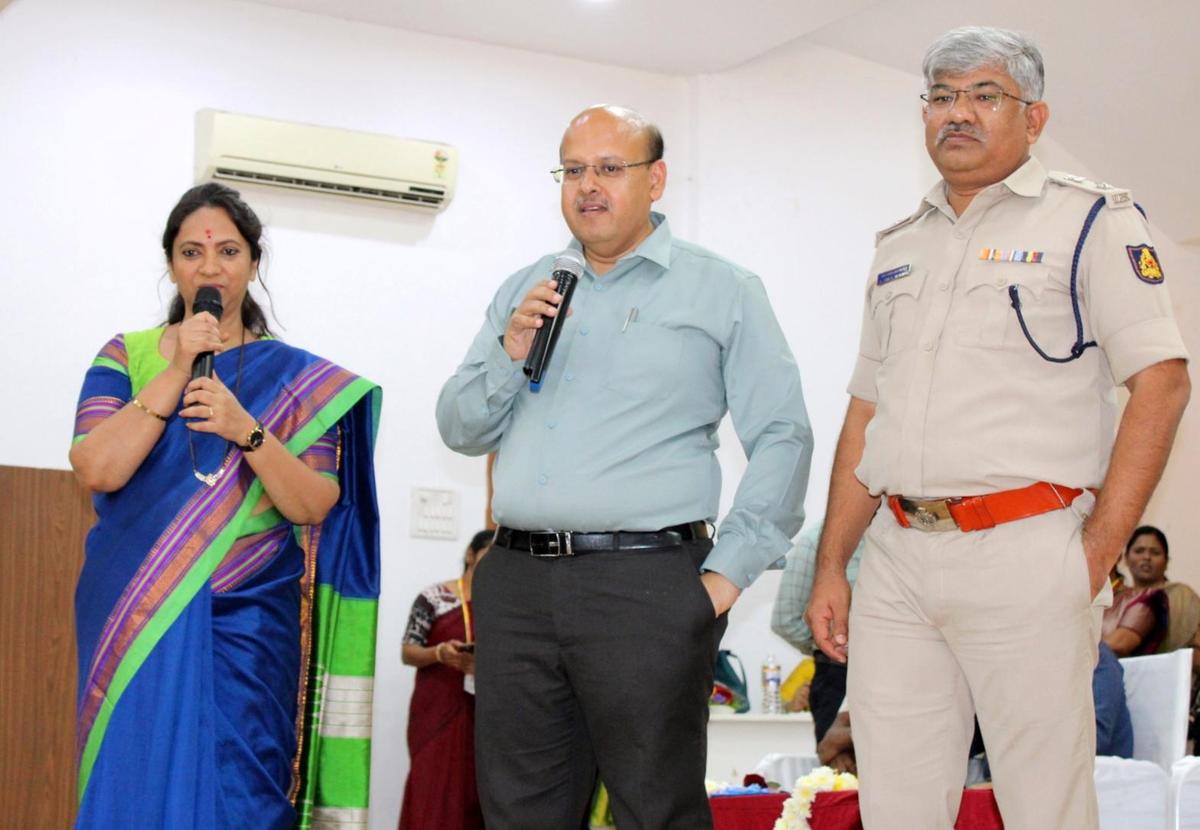
The chairperson observed that educated women are more likely to participate in the workforce, contributing to economic growth. Their involvement in diverse professions challenges stereotypes and broadens opportunities for future generations. The panel stressed that skill development programmes aligned with market needs can further strengthen women’s employability. Such initiatives help bridge the gap between education and livelihood.
Participants also discussed the role of digital learning in expanding access. Online platforms, mobile education tools, and community centres can reach girls who face mobility constraints. However, ensuring digital literacy and safe access to technology remains essential. The panel called for collaboration among government agencies, civil society groups, and educational institutions to expand outreach efforts.
Education as a Catalyst for Social Change
Speakers at the event described education as a transformative force that shifts social norms. Educated women often advocate for equality, challenge discriminatory practices, and support the education of their own children. This intergenerational impact creates a cycle of progress. The panel chairperson stressed that investment in girls’ education yields long-term benefits for society at large.
The discussion also addressed health outcomes. Studies have shown that educated women are more likely to access healthcare services, ensure immunisation for children, and adopt healthy practices. Awareness gained through education enables better decision-making in matters of nutrition and family planning. Panelists emphasised that these improvements contribute to stronger communities.
Economic empowerment formed another key theme. Women with education and skills are better positioned to start enterprises, manage finances, and pursue leadership roles. Financial independence enhances their bargaining power within households and society. Panel members noted that entrepreneurship programmes and mentorship initiatives can complement formal education.
Cultural attitudes were identified as both barriers and opportunities. In some communities, traditional expectations limit girls’ schooling. However, positive role models and success stories can inspire change. The chairperson encouraged educators and leaders to highlight examples of women who have overcome obstacles through education.
Policy frameworks supporting gender equality were also discussed. Laws ensuring free and compulsory education, scholarships, and protective measures against discrimination create enabling environments. Effective implementation, panelists said, is crucial to translating policy into real opportunities. Monitoring and evaluation help track progress and address gaps.
Building Pathways for Future Generations
The event concluded with a call to strengthen partnerships that support girls’ learning journeys. Schools, families, and community organisations must work together to create safe and encouraging environments. Teachers play a vital role in motivating students and recognising potential. Continuous training helps educators address diverse learning needs.
Panelists highlighted the importance of mentoring programmes where experienced women guide younger learners. Such connections build confidence and provide practical advice on career pathways. Exposure to diverse professions expands aspirations beyond traditional roles. Career counselling in schools was recommended to help students make informed choices.
Infrastructure improvements were also emphasised. Adequate classrooms, sanitation facilities, and learning materials create conducive environments. Safe school environments encourage attendance and reduce dropout rates. Investments in these areas demonstrate commitment to girls’ education.
The chairperson reiterated that empowering women through education strengthens the social fabric. When girls are given opportunities to learn and grow, they become agents of change in their communities. The panel urged sustained commitment from all stakeholders to ensure that education remains accessible and inclusive.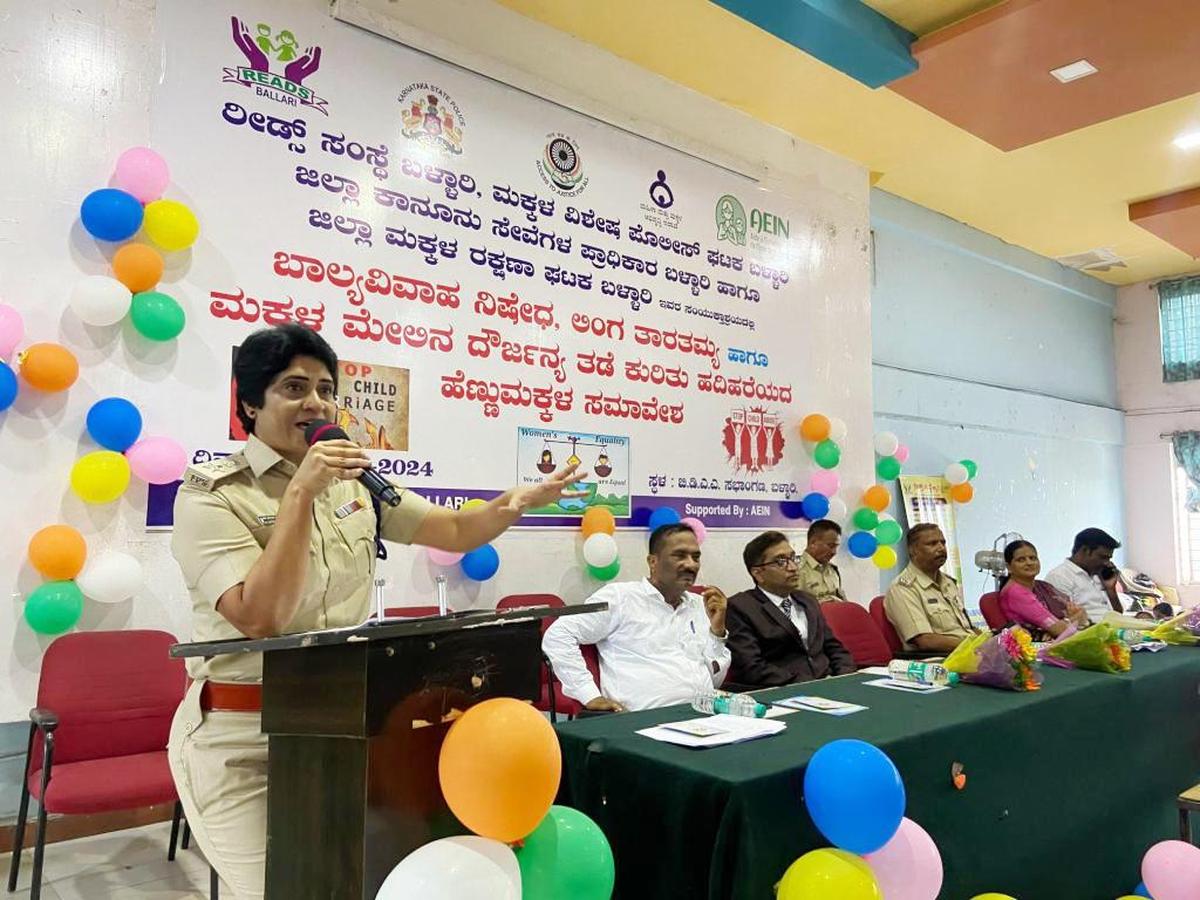
Ultimately, the message underscored that education is not only a right but also a powerful tool for shaping equitable societies. By prioritising girls’ learning, communities lay foundations for resilience, prosperity, and social harmony. The discussion ended on an optimistic note, with participants expressing determination to continue efforts that open doors of opportunity for women everywhere.
Follow: Karnataka Government
Also read: Home | Channel 6 Network – Latest News, Breaking Updates: Politics, Business, Tech & More
