
In a region frequently exposed to cyclones, floods, landslides, and network disruptions, the National Institute of Technology Karnataka has unveiled a critical alternative communication lifeline by linking schools and colleges across coastal Karnataka through a HAM radio network. The initiative is designed to function independently of mobile towers and internet infrastructure, offering reliable communication during emergencies when conventional networks fail. Education institutions, disaster response agencies, and local administrators have hailed the effort as a timely and forward-looking intervention that blends technical expertise with social responsibility.
The HAM radio network, established and coordinated by NITK Surathkal, connects educational institutions across Dakshina Kannada, Udupi, and neighbouring coastal districts. These areas are among the most disaster-prone in the State, often witnessing prolonged power outages and communication blackouts during extreme weather events. By enabling voice-based communication over radio frequencies, the network ensures that critical information can still be transmitted even when mobile phones and data services are rendered useless.
The initiative has also prompted discussions around institutional responsibility in disaster-prone regions. Experts argue that educational institutions, particularly those with technical expertise, cannot remain insulated from the realities surrounding them. By proactively addressing communication gaps, NITK has demonstrated how knowledge centres can extend their role beyond academics to serve as pillars of community resilience. This approach is increasingly relevant in coastal Karnataka, where recurring natural disasters demand preparedness that goes beyond reactive relief measures.
Local disaster management officials have acknowledged that alternative communication systems like HAM radio significantly improve response coordination during the critical first hours of an emergency. When mobile networks collapse, delays in information flow can cost lives. The ability of schools and colleges to relay ground-level information such as road blockages, shelter availability, and urgent medical needs adds a valuable layer to official response mechanisms. Authorities believe that such decentralised reporting can help prioritise rescue and relief efforts more effectively.
The network has also encouraged a renewed culture of volunteering and public service among students. Participation in HAM radio operations requires discipline, patience, and a strong sense of responsibility, qualities that extend beyond technical skills. Faculty members have observed that students involved in the initiative display heightened awareness of disaster risks and a deeper understanding of community needs. This experiential learning, they say, complements classroom education by grounding theory in real-world relevance.
Community members living near participating institutions have expressed appreciation for the added sense of security the network provides. In times of uncertainty, the presence of trained operators and functional communication equipment offers reassurance that help can be reached if required. For many residents, especially the elderly and those in vulnerable locations, this assurance carries significant emotional value. It reinforces trust in local institutions and strengthens ties between campuses and surrounding communities.
As coastal Karnataka continues to face the challenges of climate variability and infrastructure vulnerability, initiatives like NITK’s HAM radio network are likely to gain greater significance. While no single system can eliminate the risks posed by natural disasters, layered preparedness can reduce their impact. By ensuring that communication does not completely collapse when conventional networks fail, the initiative adds a crucial safety net. In doing so, it underscores the enduring importance of resilience, foresight, and collective responsibility in safeguarding lives and livelihoods.
Officials at NITK have emphasised that the initiative is not merely a technological experiment but a preparedness measure rooted in lived experience. During past floods and cyclones, institutions and emergency responders struggled to coordinate relief due to the collapse of conventional communication systems. The HAM network is intended to fill this gap by offering a decentralised, resilient alternative that can be activated instantly during crises.
The project also reflects the growing importance of educational institutions as community anchors in disaster management. Schools and colleges often serve as relief shelters, coordination centres, and information hubs during emergencies. By equipping them with HAM radio capabilities, NITK aims to strengthen local response capacity and reduce dependence on external communication infrastructure. The move has been widely appreciated by educators who see it as a practical extension of disaster preparedness training.
HAM radio, also known as amateur radio, operates on designated frequencies and does not rely on commercial service providers. Licensed operators can communicate across long distances using relatively simple equipment, making the system particularly valuable during disasters. NITK’s initiative leverages this robustness by creating a structured network rather than isolated radio stations, ensuring systematic information flow between institutions.
Students and faculty members trained in HAM radio operations play a central role in maintaining and operating the network. This aspect of the initiative has also added an educational dimension, exposing young people to alternative communication technologies and emergency response protocols. Faculty members have noted that such hands-on involvement builds technical skills while instilling a sense of civic responsibility among students.
Building a Disaster-Ready Communication Ecosystem
At the core of the initiative is NITK’s HAM radio club, which has been active for several years but gained renewed focus following repeated disasters along the coast. The institute systematically expanded the network by collaborating with schools and colleges willing to install HAM radio stations on their campuses. These institutions were provided guidance on equipment, licensing procedures, and basic operational training.
The network has been designed to be simple yet effective. Each participating institution serves as a node capable of transmitting and receiving messages. During emergencies, these nodes can relay information about weather conditions, infrastructure damage, availability of shelter, and immediate needs. This decentralised structure ensures that even if one node becomes inoperative, others can continue functioning, maintaining overall connectivity.
Training has been a critical component of the project. NITK has conducted workshops to familiarise teachers and students with HAM radio etiquette, emergency protocols, and message prioritisation. Participants are trained to handle high-pressure situations where clear and concise communication can save lives. According to organisers, this focus on human preparedness is as important as the technology itself.
The initiative also promotes coordination with local authorities and disaster management agencies. By aligning communication protocols, the HAM network can complement official response systems rather than operate in isolation. During mock drills, institutions practice transmitting structured reports that can be easily interpreted by responders. Such integration enhances the credibility and utility of the network during real emergencies.
Beyond disaster response, the network has potential educational and social applications. Regular communication exercises and contests help keep operators engaged and equipment functional. These activities also foster a sense of community among participating institutions, creating informal support networks that extend beyond emergencies. Educators believe that this culture of collaboration strengthens resilience at the grassroots level.
The coastal geography of Karnataka presents unique challenges that make such initiatives particularly relevant. Heavy rainfall, high humidity, and strong winds frequently damage power lines and communication towers. In such conditions, the ability to establish contact without relying on vulnerable infrastructure becomes invaluable. The HAM network’s independence from external systems gives it a distinct advantage in these scenarios.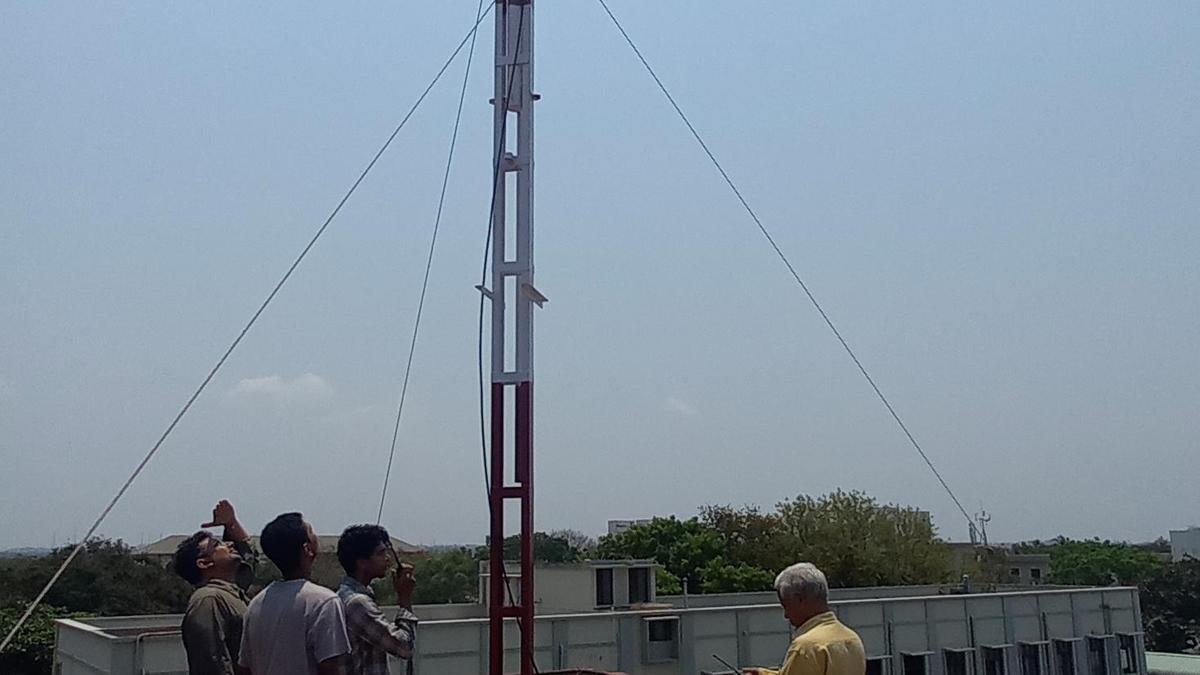
Strengthening Community Resilience and Future Vision
The impact of NITK’s HAM radio initiative extends beyond technical preparedness, touching upon broader questions of resilience and inclusion. In many emergencies, communication failures disproportionately affect rural and remote communities, isolating them during critical moments. By linking educational institutions spread across urban and semi-rural areas, the network helps bridge this gap and ensures that information can travel even from less connected regions.
School administrators involved in the project have highlighted its psychological impact as well. Knowing that an alternative communication channel exists provides reassurance to staff, students, and parents during times of uncertainty. This sense of preparedness can reduce panic and enable more organised responses when disasters strike. In several institutions, the initiative has prompted renewed interest in safety planning and emergency drills.
The involvement of students has been particularly significant. Many young participants have expressed enthusiasm for learning a technology that feels both retro and revolutionary. Operating HAM radios offers a break from screen-based communication and introduces students to fundamental principles of radio science. More importantly, it allows them to contribute meaningfully to community safety, transforming abstract concepts of service into tangible action.
Experts have noted that such initiatives align well with global best practices in disaster risk reduction, which emphasise redundancy and local capacity. Reliance on a single mode of communication is increasingly seen as a vulnerability. By adding HAM radio to the communication mix, communities create layers of resilience that can absorb shocks more effectively. NITK’s model demonstrates how academic institutions can lead this process through innovation and outreach.
Looking ahead, NITK plans to expand the network to include more institutions and possibly integrate it with other community organisations. There is also interest in exploring portable HAM stations that can be deployed quickly to affected areas. While technology will continue to evolve, organisers stress that the fundamental value of HAM radio lies in its simplicity and reliability, qualities that remain relevant regardless of technological trends.
Challenges remain, including the need for sustained training, equipment maintenance, and regulatory compliance. Ensuring continuity as students graduate and staff change will require institutional commitment. However, stakeholders believe that these challenges are manageable compared to the benefits offered by the network. The success of initial collaborations has already encouraged more institutions to express interest.
As climate uncertainties and extreme weather events become more frequent, the importance of resilient communication systems cannot be overstated. NITK’s HAM radio network stands as a powerful reminder that preparedness does not always require complex or expensive solutions. By combining technical knowledge, community engagement, and a clear sense of purpose, the initiative offers hope that even in moments of isolation and crisis, voices will still be heard and help will still find its way along the coast.
Follow: Karnataka Government
Also read: Home | Channel 6 Network – Latest News, Breaking Updates: Politics, Business, Tech & More
