
In an ambitious move aimed at reshaping the city’s urban fabric, the Greater Bengaluru Authority has announced plans to revive 194 unused public spaces across the city, signalling a renewed focus on inclusive urban development and community-driven transformation. The initiative seeks to breathe life into neglected corners of Bengaluru that have long remained underutilised, turning them into vibrant spaces for recreation, culture, and civic engagement. Officials describe the effort as both a practical intervention and an emotional reconnection with the city’s shared spaces.
The announcement comes against the backdrop of Bengaluru’s rapid urbanisation, where open spaces have steadily diminished under pressure from real estate expansion and infrastructure growth. Many of the identified locations include abandoned playgrounds, defunct civic plots, vacant lots near residential areas, and unused spaces beneath flyovers. Over time, these areas have often become dumping grounds or encroached upon, contributing to safety concerns and urban decay.
According to the GBA, the revival plan is rooted in the idea that public spaces play a crucial role in fostering social cohesion and improving quality of life. Rather than viewing land solely through the lens of development potential, the authority aims to reposition these spaces as community assets. By activating them for public use, the city hopes to address multiple challenges simultaneously, including lack of recreational areas, rising stress levels, and the need for inclusive environments that serve diverse populations.
Urban planners involved in the initiative emphasise that the project is not about uniform beautification, but context-specific redesign. Each of the 194 spaces will be assessed based on location, surrounding demographics, and local needs. Some may be converted into parks or play areas, while others could become open-air libraries, cultural plazas, markets, or spaces for senior citizens and youth activities. This flexibility, officials say, is key to ensuring relevance and long-term use.
The proposal has been welcomed by civic groups and resident welfare associations, many of whom have long demanded better utilisation of public land. For years, citizens have raised concerns about the shrinking availability of accessible open spaces, particularly in densely populated neighbourhoods. The GBA’s plan has therefore been seen as a response to these demands, offering hope that urban planning can be both people-centric and sustainable.

However, the scale of the initiative also raises questions about execution, funding, and maintenance. Past attempts at public space development in Bengaluru have faced challenges ranging from bureaucratic delays to lack of upkeep. The success of this revival effort will depend not just on design and construction, but on sustained governance and community participation.
By placing unused public spaces at the centre of urban discourse, the GBA has set the stage for a broader conversation about what kind of city Bengaluru wants to become. Whether the initiative marks a turning point or joins a list of unrealised plans will depend on how effectively vision translates into action.
Mapping Neglect, Planning Renewal
Officials involved in the project said the identification of 194 unused public spaces followed extensive surveys and data collection across different zones of the city. Many of these sites are owned by civic agencies but had fallen through administrative cracks over the years. In some cases, land records were unclear; in others, projects had stalled midway due to funding or legal issues. The revival initiative seeks to bring these spaces back into the planning framework.
The initiative is also expected to influence how future urban projects are conceptualised in Bengaluru. Planners believe that if the revival of these 194 spaces succeeds, it could encourage policymakers to prioritise adaptive reuse over fresh construction in other sectors as well. This shift in approach may help the city address space constraints more creatively, while also preserving neighbourhood character and reducing environmental impact associated with large-scale development.
For residents, the coming months will be crucial in determining whether the promise of revival translates into everyday change. Community members are likely to judge the effort not by official announcements but by visible improvements on the ground — cleaner surroundings, safer environments, and spaces that invite regular use. If these outcomes materialise, the revival programme could strengthen civic trust and set a precedent for collaborative urban governance in Bengaluru.
The GBA has indicated that the first phase will focus on spaces that can be revived quickly with minimal structural intervention. These include plots that require basic cleaning, landscaping, lighting, and seating. By prioritising such locations, authorities hope to demonstrate early results and build public confidence in the programme. More complex sites, such as those requiring redesign or resolution of encroachment issues, will be taken up in later phases.
A key component of the plan is community consultation. Officials say local residents will be involved in deciding how nearby spaces should be used, ensuring that development reflects neighbourhood needs. This participatory approach marks a shift from top-down planning models that have often drawn criticism for ignoring ground realities. By giving communities a stake in design and usage, the GBA hopes to foster a sense of ownership that will aid long-term maintenance.
Funding for the revival is expected to come from a mix of government allocations, corporate social responsibility contributions, and partnerships with non-governmental organisations. While officials have not disclosed detailed budgets, they emphasise that the initiative is being designed to be cost-effective. Reusing existing land, rather than acquiring new plots, significantly reduces financial and environmental costs.
Urban designers associated with the project note that reviving small, scattered spaces can have a cumulative impact on city life. While each site may be modest in size, together they form a network of accessible public areas within walking distance of homes. This decentralised approach contrasts with large, centralised parks that may be difficult for many residents to access regularly.
The plan also incorporates safety and inclusivity as core principles. Adequate lighting, clear sightlines, and universal design features are expected to be integrated into all revived spaces. Special attention is being given to ensure that women, children, senior citizens, and persons with disabilities can use these areas comfortably and safely.
Despite the optimism, experts caution that revival must be accompanied by clear accountability mechanisms. Without defined responsibilities for upkeep, revived spaces risk slipping back into neglect. The GBA has stated that maintenance models, including partnerships with local groups and periodic audits, are being explored to prevent this outcome.
Urban Life, Civic Trust, and the Road Ahead
The decision to revive 194 unused public spaces has broader implications for Bengaluru’s urban identity. Public spaces are often seen as the soul of a city, places where social boundaries blur and civic life unfolds. In a metropolis increasingly shaped by private developments and gated communities, reclaiming shared spaces is both a symbolic and practical act.
Urban sociologists argue that accessible public spaces contribute to mental well-being, social interaction, and democratic engagement. For children, they provide room to play; for elders, places to gather; for artists and performers, platforms to express. By investing in such spaces, the city invests in its social capital. The GBA’s initiative has therefore been framed as an effort to rebuild not just infrastructure, but trust between citizens and civic institutions.
The project also intersects with environmental concerns. Green spaces help mitigate urban heat, improve air quality, and support biodiversity. Even small parks or tree-lined plazas can make a difference in dense neighbourhoods. If environmental considerations are integrated thoughtfully, the revival effort could contribute to the city’s resilience against climate-related challenges.
At the same time, the initiative will be tested by Bengaluru’s complex governance landscape. Multiple agencies, overlapping jurisdictions, and legacy issues have historically slowed urban projects. Coordination between departments will be critical to ensure timely approvals and smooth execution. The GBA’s ability to act as a unifying authority will play a decisive role in overcoming these hurdles.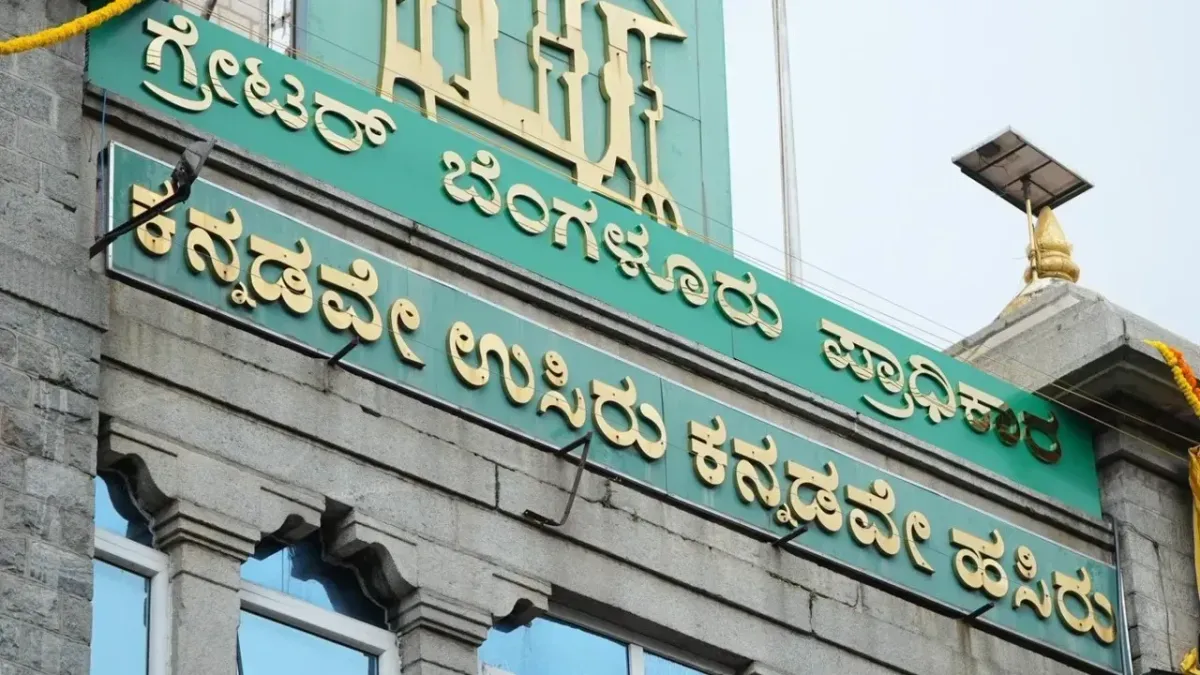
Public expectations are high, but tempered by past experiences. Citizens have seen well-intentioned plans falter due to lack of follow-through. Transparency in timelines, clear communication, and visible progress will be essential to maintain momentum. Civic groups have already indicated their willingness to collaborate, provided their inputs are genuinely considered.
There are also concerns about commercialisation. While partnerships and sponsorships can bring in resources, residents worry that public spaces may be overtaken by advertising or exclusive activities. Officials have assured that the primary purpose of these spaces will remain public use, and that any commercial elements will be carefully regulated.
As the city grows, the pressure on land will only intensify. The revival of unused public spaces offers a way to expand livable areas without further encroachment. It reflects a planning philosophy that values renewal over expansion, and inclusion over exclusivity.
In the long run, the success of the initiative will be measured not by the number of spaces revived, but by how they are used. A park that remains empty or a plaza that feels unsafe fails its purpose. Conversely, a modest space filled with everyday life can become a neighbourhood’s heart.
The GBA’s plan to revive 194 unused public spaces is, at its core, an attempt to reimagine Bengaluru’s relationship with its commons. It acknowledges past neglect while pointing toward a more participatory and humane urban future. If executed with care, consistency, and community involvement, the initiative could transform forgotten corners into places of connection, memory, and belonging—quietly reshaping the city, one space at a time.
Follow: Karnataka Government
Also read: Home | Channel 6 Network – Latest News, Breaking Updates: Politics, Business, Tech & More
