
A disturbing incident involving a Karnataka State Road Transport Corporation driver allegedly watching reels on a mobile phone while driving has sparked outrage, concern, and renewed debate over passenger safety and discipline within public transport services. The incident, which came to light after a video clip circulated widely, showed the driver glancing repeatedly at his phone instead of focusing on the road, even as the bus was in motion with passengers on board. The KSRTC swiftly responded by suspending the driver, stating that such behaviour amounted to gross negligence and posed a serious threat to public safety.
Officials confirmed that the incident occurred on a scheduled route within Karnataka, though the precise location and date were subject to internal verification. The video, reportedly recorded by a passenger, captured the driver scrolling through short video reels while navigating traffic. The clip quickly spread, triggering sharp reactions from commuters, transport unions, and road safety advocates. Many questioned how such conduct could occur in a public transport system entrusted with thousands of lives daily.
KSRTC authorities said the suspension was immediate and preliminary, pending a detailed departmental inquiry. Senior officials stressed that the corporation maintains a zero-tolerance policy toward mobile phone usage while driving. They added that the act violated service rules, safety protocols, and basic professional ethics expected from drivers operating heavy passenger vehicles. The incident has been described as not just an individual lapse, but a reflection of the growing distraction culture driven by smartphone addiction.
The incident has also reached the corridors of policymaking, with calls for a statewide review of safety protocols in public transport services. Some legislators have suggested mandatory periodic audits of driver behaviour, including random checks and psychological assessments, to ensure fitness for duty. There is growing consensus that traditional disciplinary frameworks must be updated to address new-age challenges such as digital distraction. The episode has thus become a reference point in discussions on how governance must adapt to behavioural risks emerging from technology-driven lifestyles.
For KSRTC, the coming weeks will be crucial in shaping public perception. How transparently the inquiry is conducted and how clearly its findings are communicated will determine whether the corporation can turn this lapse into a moment of reform. Passengers and safety advocates alike are watching closely, not just for punitive outcomes, but for systemic changes that reassure commuters. The hope is that this case will lead to stronger safeguards, ensuring that public transport remains a space of trust, responsibility, and safety rather than a casualty of digital negligence.
Passengers who regularly use KSRTC services expressed shock and fear, stating that such behaviour erodes trust in public transport. Several commuters said they rely on state-run buses precisely because they expect trained drivers and regulated systems, unlike some private operators. The idea that a driver could be distracted by entertainment content while at the wheel has raised anxieties about road safety, especially on highways and congested urban routes.
Transport experts pointed out that even a few seconds of distraction can have catastrophic consequences when driving a large vehicle. Watching reels, they said, is not a momentary glance like checking mirrors, but an active cognitive distraction that diverts attention from the road. In a country where road accidents claim thousands of lives annually, the incident has renewed calls for stricter enforcement and monitoring mechanisms within public transport systems.
KSRTC’s action has been welcomed by many as a necessary step, though some have argued that suspension alone may not be sufficient. They have called for structural reforms, regular counselling, and technological interventions to prevent such incidents in the future. As the inquiry proceeds, the case has become a symbol of the broader challenge of ensuring discipline and accountability in the age of smartphones.
Public Safety, Digital Distraction, and Institutional Accountability
The incident has reignited discussion around digital distraction and its growing impact on road safety. Mobile phone usage while driving has long been identified as a major risk factor, but the rise of short-form video platforms has added a new dimension to the problem. Unlike calls or messages, reels are designed to capture and retain attention, making them particularly dangerous when consumed behind the wheel.
Road safety campaigners argue that professional drivers should be held to higher standards than private motorists. KSRTC drivers undergo training and are bound by strict service rules, which explicitly prohibit the use of mobile phones while driving. The fact that a driver allegedly violated these rules in full view of passengers has led to questions about enforcement gaps and supervision mechanisms.
KSRTC officials acknowledged that while rules exist, ensuring compliance at all times remains a challenge. They said the corporation relies on a combination of surprise checks, passenger feedback, and internal vigilance to monitor driver behaviour. However, they admitted that the incident exposed vulnerabilities in the system. Officials hinted that the corporation may consider introducing additional measures such as in-cabin monitoring or stricter penalties to deter misconduct.
The role of passengers in bringing the incident to light has also been widely discussed. Many have praised the passenger who recorded the video, arguing that citizen vigilance plays a crucial role in accountability. At the same time, some have raised ethical questions about filming and circulating videos instead of immediately alerting authorities. Safety experts counter that without such visual evidence, many incidents would go unaddressed.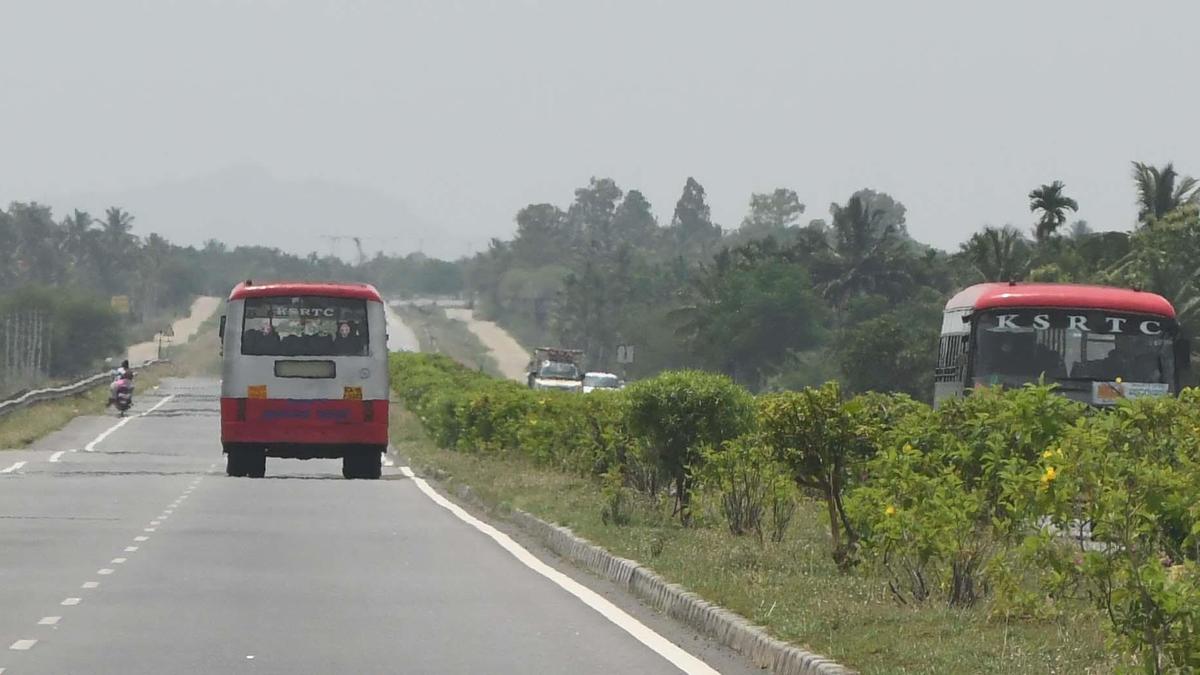
Within KSRTC’s workforce, the incident has triggered mixed reactions. Some drivers expressed embarrassment and concern that the actions of one individual could tarnish the image of the entire organisation. They stressed that the vast majority of drivers adhere to rules and prioritise passenger safety. Others pointed to long working hours, stress, and fatigue as contributing factors that may lead to lapses in judgment, though they emphasised that this could never justify dangerous behaviour.
Transport unions have urged the corporation to balance disciplinary action with support systems for drivers. They called for regular awareness programmes on digital addiction, mental health counselling, and refresher safety training. According to union representatives, addressing the root causes of distraction is as important as punitive measures, especially in a profession that demands sustained concentration.
The incident has also drawn attention to the broader regulatory framework governing road safety in Karnataka. Legal experts noted that using a mobile phone while driving is a punishable offence under motor vehicle laws, with provisions for fines and suspension of licences. In the case of public transport drivers, departmental action often runs parallel to legal consequences. Whether criminal or traffic charges will be pursued in this case remains to be seen.
For passengers, the episode has served as a reminder of the fragility of safety on the roads. Several commuters said they would be more vigilant and willing to report unsafe practices in the future. Some even suggested displaying helpline numbers prominently inside buses to enable quick reporting of violations. The conversation has shifted from outrage to introspection about shared responsibility in ensuring safe travel.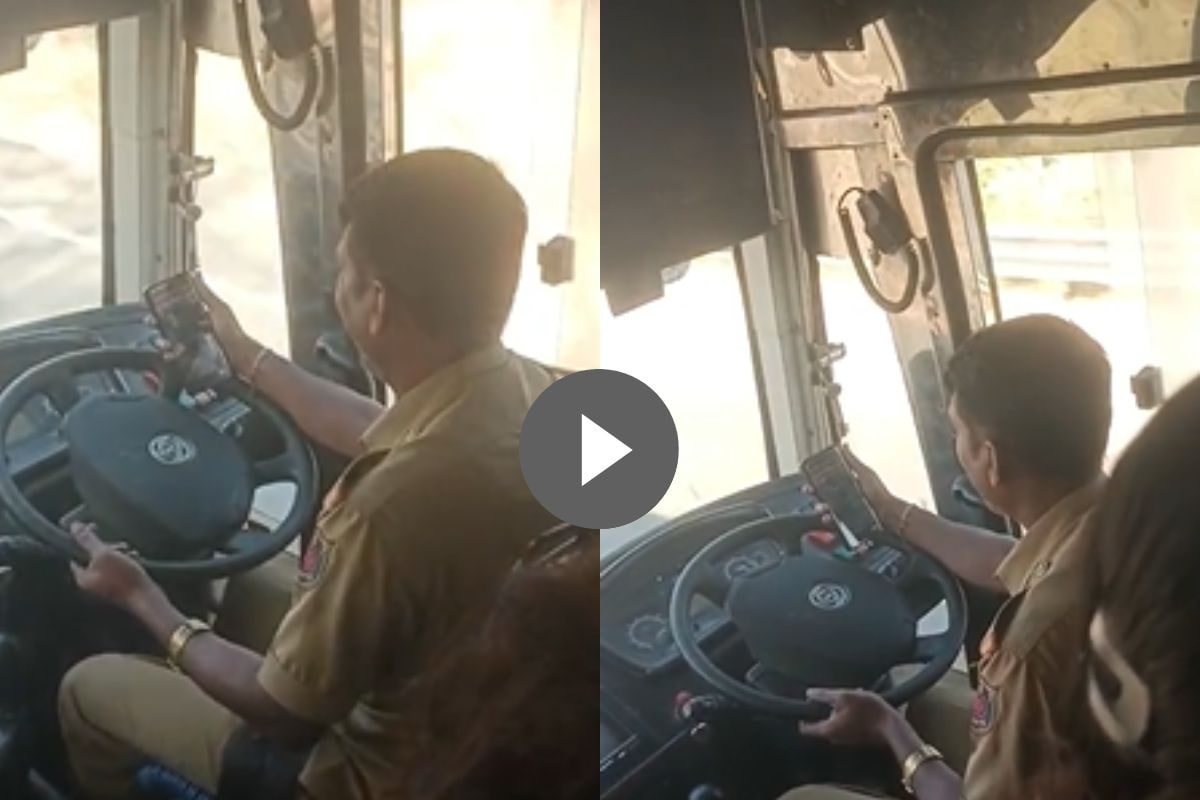
Reforms, Technology, and the Road Ahead for Public Transport Safety- KSRTC
As the KSRTC inquiry continues, attention is turning toward long-term solutions to prevent similar incidents. Experts argue that technology, if used wisely, can be part of the answer. Installing driver monitoring systems that detect mobile phone usage or distracted behaviour is one option being discussed. Such systems, already in use in some private fleets, can alert control rooms in real time, enabling swift intervention.
Another proposal involves stricter disciplinary frameworks with graduated penalties. While suspension sends a strong message, repeat offences could invite harsher consequences, including termination of service. Clear communication of these consequences, experts say, can act as a deterrent. However, they caution that punitive measures must be accompanied by preventive strategies to be truly effective.
Training and sensitisation programmes are also seen as crucial. Regular workshops highlighting the dangers of distracted driving, coupled with real-life case studies, could reinforce safe practices. Psychologists suggest incorporating modules on attention management and digital self-control into driver training curricula. Given the addictive design of many apps, awareness alone may not suffice without structured support.
The incident has prompted comparisons with safety standards in other states and countries. Some transport corporations have implemented strict no-phone policies backed by random checks and surveillance. Others have introduced incentives for safe driving, rewarding drivers with clean safety records. Karnataka’s policymakers may now face pressure to evaluate and adopt best practices to restore public confidence.
Public trust, observers say, is the most significant casualty of such incidents. State-run transport systems are not just service providers; they are symbols of governance and public welfare. Any compromise on safety undermines this trust. KSRTC’s swift suspension of the driver has been seen as a positive step, but rebuilding confidence will require sustained effort and transparency.
The case has also sparked a broader societal debate about smartphone usage and self-discipline. If a trained professional can succumb to the lure of reels while driving a bus, critics ask, what does it say about collective digital habits. The incident has been cited as evidence of how deeply smartphones have penetrated daily life, often at the cost of attention and responsibility.
As the inquiry report is awaited, KSRTC has reiterated its commitment to passenger safety. Officials said lessons from the incident would be incorporated into future policies and training programmes. They urged passengers to cooperate by reporting unsafe behaviour and assured them that complaints would be taken seriously.
In the final analysis, the suspension of the KSRTC driver is more than a disciplinary action against an individual. It is a stark reminder of the dangers of distraction, the responsibilities that come with public service, and the need for constant vigilance in an increasingly digital world. Whether this incident becomes a turning point for stronger safety culture in Karnataka’s public transport system will depend on the actions that follow, not just the outrage it has generated.
Follow: Karnataka Government
Also read: Home | Channel 6 Network – Latest News, Breaking Updates: Politics, Business, Tech & More
