
Thadangam Starts Again With Municipal Waste Dumping Raising Fresh Alarm
Thadangam starts again with municipal waste dumping and burning activities resurfacing in the panchayat area of Dharmapuri district after nearly four years, triggering strong opposition from local residents. People living in and around Thadangam say the renewed dumping has undone years of progress made through waste treatment and environmental restoration efforts carried out earlier by the municipality.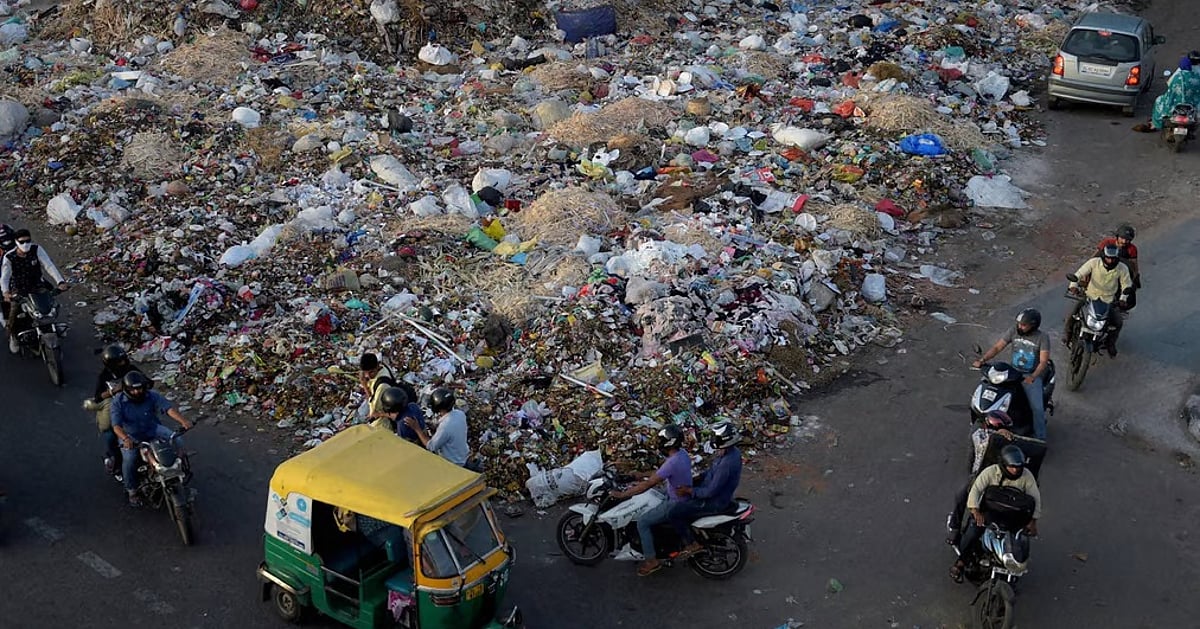
Residents recall that the landfill site had remained largely inactive after extensive biomining work was completed a few years ago. The project had aimed to clear legacy waste and transform the land into a green zone. However, over the past few weeks, waste dumping has reportedly resumed, accompanied by incidents of smoke and fire, causing fear and frustration among villagers.
According to residents, the sudden return of dumping activity has brought back memories of frequent fires, toxic fumes, and health concerns that had once plagued the area. Thick smoke was recently seen rising from the site, affecting nearby residential zones and agricultural land.
Thadangam Starts Again despite past biomining efforts
The landfill at Thadangam had earlier undergone a large-scale biomining process undertaken by the Dharmapuri municipality. The project covered around 11 acres of land and involved the removal and treatment of accumulated waste over several years. Officials had earlier stated that more than 44,000 cubic metres of waste were processed and converted into usable soil.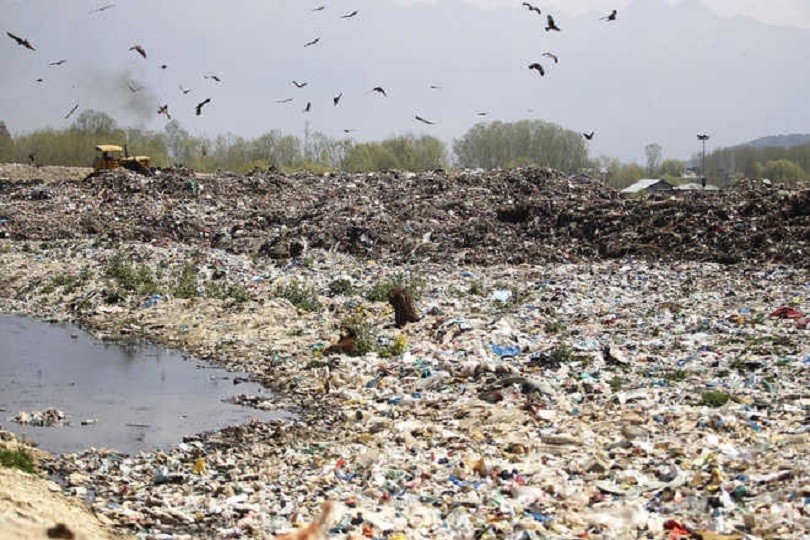
As part of the restoration effort, thousands of saplings were planted to develop the land into an urban forest. The initiative was presented as a long-term solution to waste-related issues in the region, and residents were assured that dumping would not resume at the site.
Locals now say that these assurances have been broken. Waste from tens of thousands of households within the municipality is allegedly being transported and dumped at the same location again. Residents claim that plastic waste and other materials are being piled up, increasing the risk of fire, especially during the dry season.
People living close to the landfill say the return of dumping has immediately affected air quality. Smoke from burning waste has been drifting into nearby streets, forcing families to keep doors and windows shut. Parents and elderly residents are particularly concerned about breathing problems and long-term health effects.
Thadangam Starts Again bringing back safety and health fears
Local residents say fire outbreaks were a frequent occurrence at the landfill site in the past, particularly during summer. Though the last two years had been relatively calm, the recent incidents have raised fears that the situation may once again spiral out of control.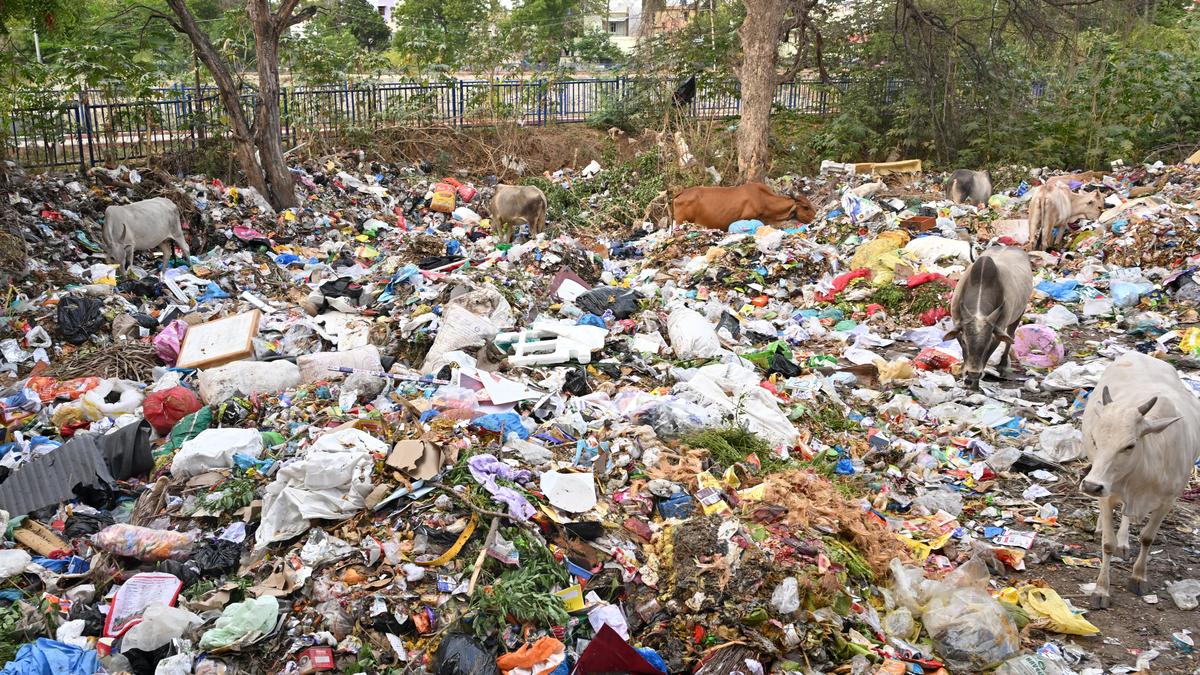
Villagers allege that a recent fire may have been triggered by chemical waste, resulting in thick smoke that lingered for hours. They say such incidents pose a serious risk, especially in a rural area where emergency response systems are limited.
Residents have urged the administration to immediately halt dumping activities and ensure that no waste is burned at the site. Many feel that the environmental recovery achieved through years of effort and public spending is now at risk of being reversed.
Thadangam Starts Again putting earlier promises under question
Several locals also expressed disappointment, stating that they had actively participated in earlier greening initiatives and were hopeful that the landfill chapter had been permanently closed. The renewed dumping has left them feeling ignored and betrayed.
Despite repeated attempts, municipal officials were unavailable to respond to residents’ concerns. The lack of official communication has further added to public anxiety, with villagers unsure whether the dumping is temporary or part of a larger shift in waste management practices. Also Read: Tribal Dept to Team Up With Global Chess Body to Reshape Learning in Schools in 2026
Environmental observers note that restarting dumping at a restored site could undermine both ecological balance and public trust. They stress the need for transparent communication, proper waste segregation, and alternative disposal mechanisms to prevent repeated harm to the same area.
Conclusion
Thadangam starts again as a symbol of growing concern over waste management practices in Dharmapuri. Residents now wait for swift administrative action to stop dumping, prevent fires, and protect the health and environment of the panchayat before long-term damage sets in.
