
Namakkal Poultry Farms Step Up Biosecurity Measures to Protect Poultry Hub
Namakkal poultry farms have tightened biosecurity measures following a statewide advisory issued after avian influenza cases and unusual bird deaths were reported in parts of Tamil Nadu. Though no infections have been detected within the district, farm owners and authorities have moved quickly to strengthen preventive systems to safeguard one of India’s largest poultry-producing regions.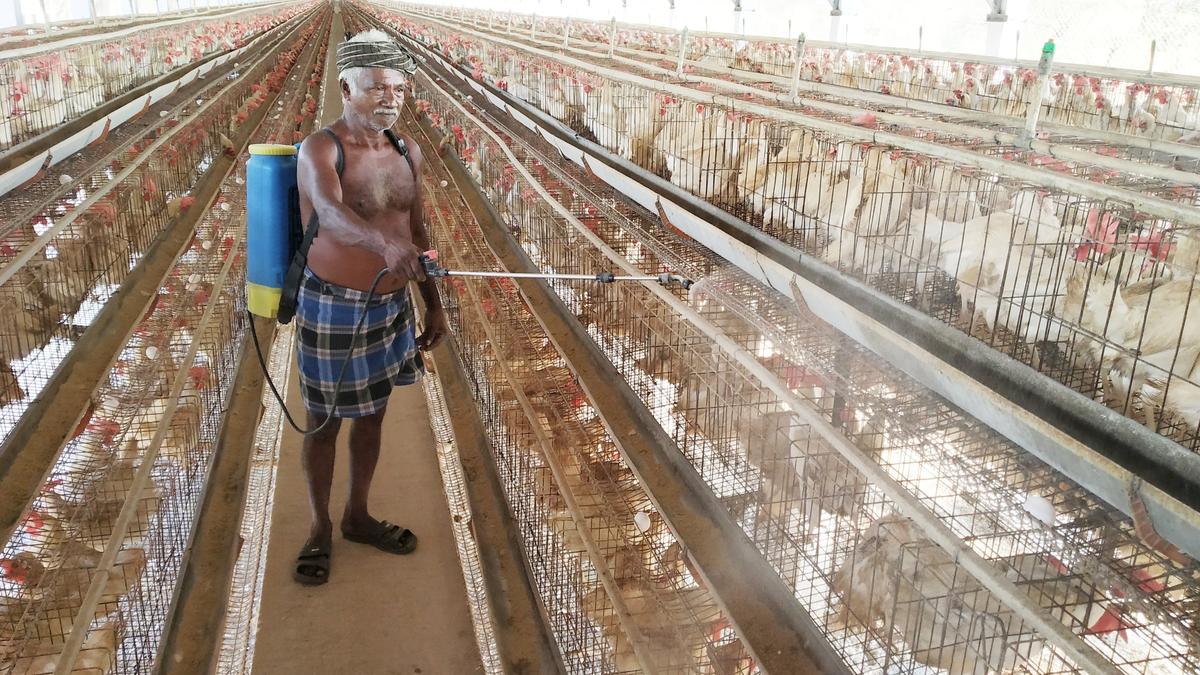
Namakkal poultry farms play a vital role in egg production, supplying domestic markets and supporting exports. Given the district’s importance, officials and industry representatives say even a small lapse could have serious economic and public health consequences. As a precaution, farms across the region have increased sanitation routines, restricted entry, and enhanced monitoring to ensure that the controlled farm environment remains secure.
Authorities say the advisory has prompted renewed caution because avian influenza spreads easily through contact with contaminated surfaces, equipment, vehicles, or human movement. Even without confirmed cases locally, the poultry sector remains on alert to prevent any possibility of the virus entering farm premises.
Namakkal Poultry Farms tighten monitoring and sanitation
Farm owners say sanitation practices have been significantly intensified over the past few days. Disinfection schedules have been revised, with cleaning now being carried out more frequently than usual. Entry into poultry sheds has been strictly limited, and unnecessary movement of people within farms has been stopped.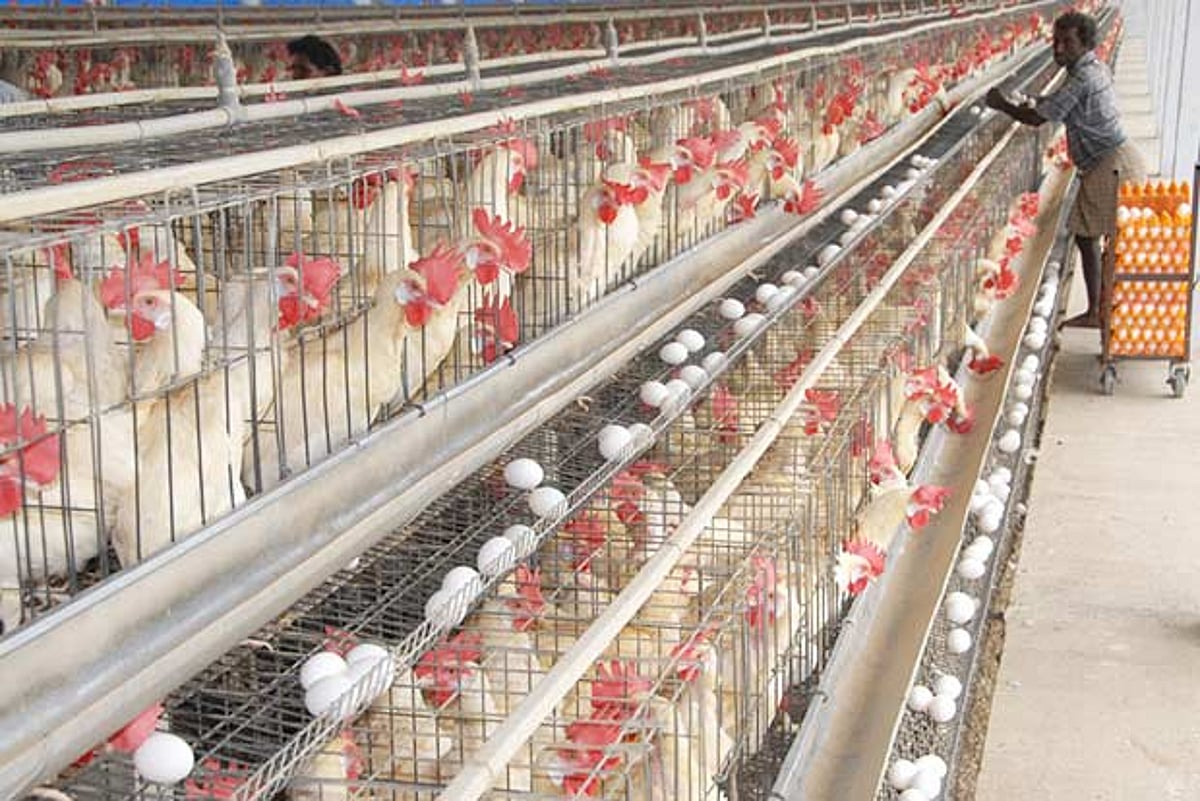
Vehicles entering Namakkal poultry farms are being thoroughly disinfected at designated points. Equipment used for feeding, egg collection, and transport is also being cleaned more often to reduce contamination risks. Farm workers are required to follow strict hygiene protocols, including the use of protective clothing and footwear that remain within the farm premises.
Industry representatives say these measures are not new but are being reinforced as a precaution. Poultry operations in the district follow year-round biosecurity norms due to the scale of production and the risk associated with large bird populations. However, advisories related to avian influenza lead to tighter enforcement and closer supervision.
Farm owners involved in egg exports say they already comply with multiple layers of biosecurity requirements to meet domestic and international standards. These include controlled access zones, routine health checks for birds, and continuous monitoring of farm conditions.
Namakkal Poultry Farms under veterinary supervision
The animal husbandry department has increased vigilance across Namakkal poultry farms. Veterinary doctors are carrying out regular inspections to check bird health, hygiene conditions, and compliance with safety norms. Officials say inspections are conducted at fixed intervals under normal conditions and will be increased if any unusual symptoms or concerns are observed.
Veterinary teams are also advising farm owners on early signs of avian influenza and the steps to be taken if any abnormal bird deaths or symptoms are noticed. Farmers have been instructed to report issues immediately rather than attempting to manage problems independently.
Officials stressed that early reporting and isolation are key to preventing the spread of disease. Even though no threat has been detected so far, preparedness remains essential due to the highly contagious nature of avian influenza.
View this post on Instagram
Industry bodies say coordination between farm owners, veterinary authorities, and exporters has helped maintain stability in the sector. Clear communication and compliance with guidelines are seen as crucial in protecting both poultry health and livelihoods linked to the industry.
Farmers also pointed out that poultry operations in Namakkal function in a controlled environment, reducing exposure to wild birds, which are often carriers of avian influenza. This controlled setup, along with strict biosecurity, lowers the overall risk compared to open or backyard poultry systems. Also Read: Tribal Dept to Team Up With Global Chess Body to Reshape Learning in Schools in 2026
However, stakeholders agree that constant vigilance is necessary, especially when reports of bird flu emerge from other regions. Movement of people, materials, and vehicles between districts is being closely watched to prevent accidental transmission.
Conclusion
Namakkal poultry farms remain disease-free but alert as preventive measures are strengthened across the district. With strict biosecurity, regular inspections, and coordinated efforts between farmers and authorities, the region aims to protect its poultry sector from any potential avian influenza threat while ensuring uninterrupted production and supply.
