
Mysuru added a new cultural milestone to its evolving identity with the opening of India’s first-ever cat museum, a unique space dedicated entirely to celebrating feline history, art, behaviour, and companionship. Located on the outskirts of the heritage city, the museum blends education, empathy, and curiosity, drawing animal lovers, families, researchers, and tourists alike. Unlike conventional museums, this initiative seeks to spark conversations around animal welfare and human–animal relationships while offering visitors an immersive experience into the world of cats, both domestic and wild, real and symbolic.
The museum was inaugurated amid much enthusiasm, with animal welfare activists, local officials, artists, and students attending the opening ceremony. Organisers described the project as a labour of love that took several years of research, planning, and community support. Mysuru was chosen deliberately, given its reputation as a calm, culturally rich city that values heritage and coexistence. The museum’s founders believe the city’s temperament aligns naturally with the gentle and observant nature of cats.
Spread across multiple galleries, the museum showcases a wide range of exhibits, including rare photographs, sculptures, paintings, manuscripts, and interactive installations. Visitors are taken on a journey tracing the evolution of cats from ancient civilisations to their modern role as companions in households across the world. Special emphasis is placed on the presence of cats in Indian folklore, temple art, and regional storytelling traditions, areas that have often been overlooked in mainstream animal history narratives.
The museum’s founders have also stressed that the space is intended to evolve with public participation rather than remain static. Feedback collected from visitors will be used to redesign sections, introduce new narratives, and expand community engagement. Plans are underway to document local stories involving cats from neighbourhoods across Mysuru and nearby districts, turning lived experiences into curated oral histories. By giving ordinary citizens a voice, the museum hopes to blur the line between curator and visitor, making the institution feel shared rather than imposed.
In the longer run, the cat museum is being envisioned as a model for theme-based cultural spaces that prioritise sensitivity over spectacle. Organisers believe its success will not be measured solely by footfall but by the conversations it sparks in homes, schools, and public spaces. If it manages to shift even a small fraction of attitudes towards animals from indifference to care, they argue, the effort would be worthwhile. In a city celebrated for its palaces and traditions, this quiet tribute to companionship may well become one of Mysuru’s most meaningful additions.
Curators say the idea behind the museum is not merely to entertain but to educate. Each gallery is designed to highlight different aspects of feline life, including anatomy, behaviour, communication, and emotional intelligence. Detailed panels explain how cats perceive their environment, form bonds with humans, and adapt to urban ecosystems. For younger visitors, storytelling corners and interactive displays help simplify scientific concepts without diluting accuracy.
The museum also dedicates space to discussing the ethical treatment of animals, particularly stray and community cats. Informational sections explain the importance of sterilisation, vaccination, and responsible feeding practices. Organisers hope that visitors leave with a deeper sense of responsibility and empathy, not just admiration. Mysuru, like many Indian cities, has a significant population of street cats, and the museum aims to encourage humane coexistence rather than fear or neglect.
One of the standout sections focuses on the artistic portrayal of cats across cultures. From ancient Egyptian reverence of cats as sacred beings to their depiction in Japanese art and European literature, the gallery highlights how cats have fascinated humans for thousands of years. Indian miniature paintings, temple carvings, and folk art featuring cats form a key part of this collection, reinforcing the idea that feline presence in cultural history is more significant than commonly assumed.
The founders of the museum said the project was inspired by similar institutions abroad but tailored carefully to Indian sensibilities. Rather than replicating foreign models, the Mysuru museum integrates local narratives, regional languages, and indigenous art forms. This approach, they said, ensures that the museum feels rooted rather than novelty-driven, appealing equally to local residents and out-of-state visitors.
The opening has already begun to draw attention from tourists visiting Mysuru for its palaces, heritage walks, and festivals. Travel operators have expressed interest in including the cat museum as part of curated city tours, particularly for families and niche travellers. Officials believe the museum adds a contemporary cultural layer to Mysuru’s tourism landscape without disrupting its historical character.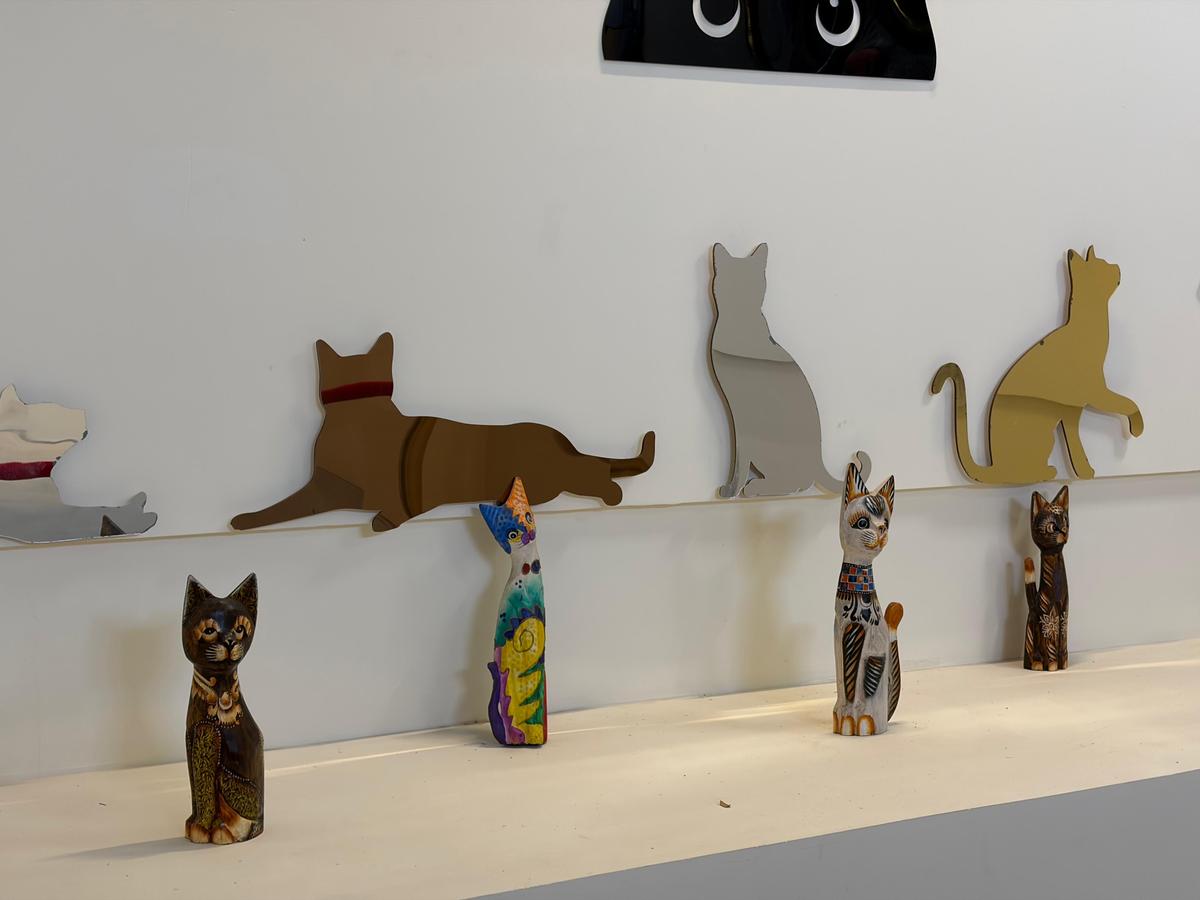
A Space Where Education Meets Empathy
Beyond its exhibits, the museum functions as a learning hub. Workshops, talks, and guided sessions are planned regularly, focusing on animal behaviour, veterinary basics, and adoption awareness. Experts from the fields of zoology, psychology, and animal welfare are expected to collaborate with the museum to expand its educational outreach. Schools and colleges have already begun enquiring about structured visits aligned with academic curricula.
A small library within the museum houses books, journals, and research material related to feline studies, animal ethics, and urban ecology. Students pursuing veterinary sciences, wildlife studies, and environmental journalism are expected to benefit from this resource. The museum management has indicated that access to this collection will be expanded gradually as partnerships with academic institutions develop.
The interactive elements of the museum have been carefully curated to avoid distress to animals. Unlike pet cafes or live-animal exhibits, the museum does not keep cats on display. Instead, digital installations, augmented visuals, and sensory exhibits allow visitors to understand feline behaviour without involving captive animals. This decision, organisers said, reflects their commitment to ethical practices.
A section of the museum is devoted to myths and misconceptions surrounding cats, particularly black cats, which are often associated with superstition. Through historical evidence and scientific explanation, the exhibits attempt to challenge fear-based narratives and promote rational, compassionate perspectives. Organisers believe addressing such beliefs is essential in reducing cruelty and abandonment.
The museum also highlights the role of cats in pest control, mental health support, and companionship, especially for the elderly and individuals living alone. Case studies and personal narratives illustrate how cats have played quiet but meaningful roles in human lives. These stories, displayed through audio and visual formats, add an emotional dimension to the museum experience.
Local artists have been given a platform to display cat-themed works, rotating periodically to keep the exhibits dynamic. This initiative has been welcomed by the artistic community, which sees the museum as a rare opportunity to explore animal-centric themes beyond traditional galleries. Workshops for children encourage creative expression while subtly reinforcing messages of kindness and observation.
City officials attending the inauguration said the museum reflects Mysuru’s ability to innovate while staying rooted in values of harmony and learning. They noted that such initiatives could inspire similar thematic museums across Karnataka, focusing on animals, ecology, and sustainability. The administration has expressed willingness to support educational outreach programmes linked to the museum.
Tourism, Culture, and a Growing Conversation
The opening of the cat museum comes at a time when experiential and niche tourism is gaining traction across India. Travellers increasingly seek destinations that offer unique, meaningful experiences rather than conventional sightseeing alone. Tourism experts believe the museum fits well into this trend, offering a calm, reflective space that contrasts with fast-paced attractions.
Hospitality businesses in and around Mysuru have reported increased interest from visitors curious about the museum. While it is still early to measure economic impact, stakeholders are optimistic that the museum will contribute to longer stays and repeat visits. The museum’s location has been planned to avoid congestion, with adequate parking and access facilities.
Animal welfare groups across Karnataka have welcomed the initiative, calling it a positive step towards mainstreaming conversations about coexistence. Several organisations have expressed interest in collaborating on awareness campaigns, adoption drives, and public education programmes. The museum management has indicated openness to such partnerships, provided they align with ethical guidelines.
Critics, however, have raised questions about accessibility and inclusivity, particularly ticket pricing and transport connectivity. In response, the organisers said efforts are being made to ensure affordable entry, student concessions, and outreach programmes in schools and community centres. They emphasised that the museum’s mission extends beyond revenue generation.
The founders have also outlined long-term plans, including temporary exhibitions focusing on wild cats of India, urban biodiversity, and the impact of climate change on animal habitats. These expansions, they said, would broaden the museum’s scope while staying aligned with its core theme. Mysuru’s proximity to forest regions makes it an ideal location for such conversations.
Educators in the city believe the museum could become a valuable supplementary learning space. By combining science, art, and ethics, it offers an interdisciplinary approach rarely found in conventional classrooms. Teachers have noted that such environments help students develop empathy and observational skills alongside factual knowledge.
As visitors streamed through the galleries on opening day, the atmosphere was one of curiosity rather than spectacle. Families lingered over displays, children asked questions, and elderly visitors shared memories of pets they once had. For many, the museum triggered quiet reflection rather than loud excitement, a quality that organisers consider its greatest success.
India’s first cat museum may be modest in scale, but its ambition is expansive. By placing a commonly overlooked animal at the centre of a cultural institution, it challenges hierarchies of attention and affection. In doing so, it invites visitors to look more closely, think more gently, and perhaps treat the living world with a little more care. Mysuru, once again, has shown that innovation does not always need grandeur — sometimes, it simply needs curiosity and compassion.
Follow: Karnataka Government
Also read: Home | Channel 6 Network – Latest News, Breaking Updates: Politics, Business, Tech & More
