
The Gandhi Smaraka Nidhi has raised strong objections to what it described as an incorrect and insensitive portrayal of Mahatma Gandhi in an advertisement campaign currently displayed across parts of Karnataka. The organisation, which is dedicated to preserving and promoting Gandhian values and legacy, said the visual representation used in the campaign distorts the historical image and ethical philosophy associated with Gandhiji. The objection has triggered a broader debate on the use of national icons in commercial messaging and the responsibilities of advertisers.
According to the Gandhi Smaraka Nidhi, the advertisement in question depicts Mahatma Gandhi in a manner that trivialises his persona and undermines the moral seriousness he represents. While the organisation has not opposed creative expression per se, it has emphasised that Gandhi’s image carries deep symbolic meaning and must be treated with dignity and accuracy. The Nidhi has formally communicated its concerns to the concerned authorities and the agency behind the campaign, seeking immediate corrective action.
The controversy has also prompted discussions within academic circles about the evolving nature of public memory in a market-driven society. Scholars argue that as historical figures increasingly enter commercial spaces, the risk of dilution or distortion grows. They caution that when icons like Mahatma Gandhi are repurposed for branding, the emphasis often shifts from substance to surface, reducing complex moral philosophies into simplified visuals that may not withstand ethical scrutiny.
Observers note that the debate is not limited to one advertisement or one state but reflects a national pattern. Similar objections have surfaced in the past across different regions, suggesting the absence of a shared consensus on acceptable representation. This recurring friction, they argue, underscores the need for sustained dialogue between cultural custodians, educators, and the creative industry rather than reactive responses after public objections arise.
As Karnataka watches the unfolding response to the Nidhi’s objection, the episode has reaffirmed the enduring sensitivity surrounding Gandhi’s legacy. For many, the issue transcends legality or aesthetics and enters the realm of moral responsibility. Whether the advertisement is altered or withdrawn, the larger outcome may lie in renewed awareness that certain symbols carry histories too profound to be treated casually, demanding respect not just in remembrance but in representation.
Officials associated with the Nidhi said Gandhiji’s image is not merely a historical reference but a moral compass for the nation. They argued that misrepresentation, whether intentional or inadvertent, risks diluting the values of truth, non-violence, and simplicity that Gandhi stood for. The organisation expressed disappointment that such portrayals continue to surface despite repeated public discourse on ethical advertising.
The campaign has been widely visible in urban centres, drawing attention from citizens, historians, and political observers alike. Social media discussions and opinion columns have amplified the controversy, with many questioning where the line should be drawn between creative liberty and cultural responsibility. For some, the issue goes beyond a single advertisement and touches upon a pattern of casual use of national symbols in commercial spaces.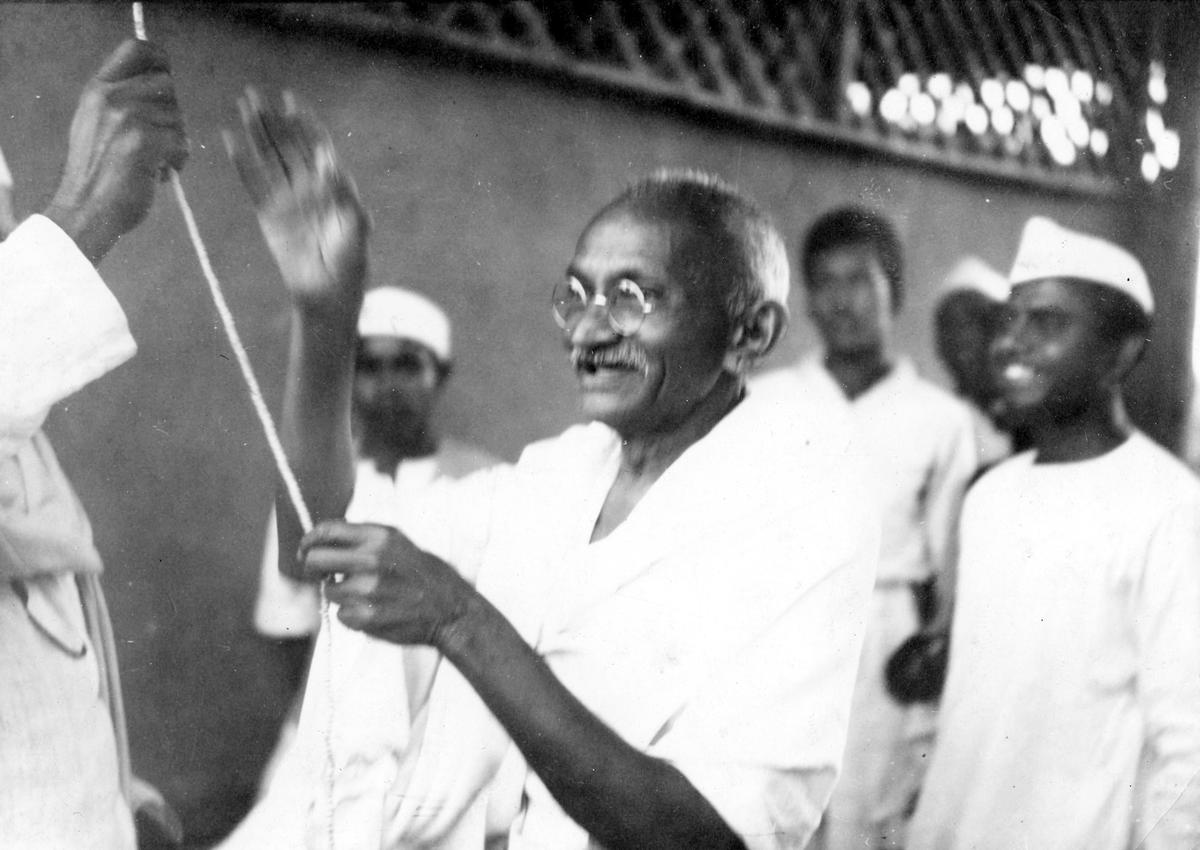
In its statement, the Gandhi Smaraka Nidhi stressed that Gandhi’s portrayal has constitutional and emotional significance. His image appears on currency notes, public institutions, and national commemorations, symbolising integrity and sacrifice. Any deviation from this established representation, the organisation argued, risks confusing younger generations about the historical figure and his ideals.
The Nidhi also pointed out that India has a long tradition of respecting its freedom movement leaders across political ideologies. They cautioned that commercial reinterpretations of such figures must be approached with restraint. While acknowledging that modern communication often relies on symbolism and satire, they maintained that Gandhi’s persona demands a higher ethical threshold.
Sources indicated that the advertisement campaign is part of a broader branding exercise by a private entity. The agency involved has reportedly defended its creative choices, claiming no intention to disrespect or misrepresent Gandhiji. However, the Nidhi has rejected such explanations, stating that intent does not negate impact, particularly when dealing with figures of national importance.
The controversy has prompted renewed calls for clearer guidelines on the use of historical figures in advertising. Legal experts note that while there are existing norms, enforcement remains inconsistent. The absence of a uniform framework, they argue, often leads to disputes that are resolved only after public backlash.
Ethics, Expression, and the Limits of Creative Freedom
The objection raised by the Gandhi Smaraka Nidhi has reignited a long-standing debate about the balance between freedom of expression and ethical responsibility. Advertisers often argue that creativity thrives on reinterpretation and contemporary relevance. However, critics counter that such freedom must be tempered when national icons are involved, particularly those who embody moral and philosophical ideals rather than mere historical milestones.
Historians have weighed in on the controversy, noting that Gandhi’s image has undergone various representations over the decades, from reverential portraits to stylised depictions in popular culture. While some adaptations have helped keep his legacy accessible to younger audiences, others have been criticised for oversimplification or mischaracterisation. The current dispute, they say, fits into this broader tension between relevance and reverence.
Cultural commentators point out that advertising, by its nature, seeks instant recognition and emotional connection. Gandhi’s instantly recognisable appearance and moral authority make him an attractive symbol. However, this very recognisability increases the risk of misuse. When stripped of context, symbols can lose their original meaning and be reduced to mere visual tools.
The Gandhi Smaraka Nidhi has argued that Gandhi’s philosophy cannot be divorced from his image. They stress that portraying him in ways that contradict his values, even subtly, amounts to misrepresentation. The organisation has urged advertisers to consult historians or Gandhian institutions before using his likeness, suggesting that dialogue could prevent such controversies.
Political reactions to the issue have been cautious but notable. While no major party has formally taken sides, several leaders have emphasised the need to respect national icons. Some have accused advertisers of prioritising shock value over sensitivity, while others have warned against over-regulation that could stifle artistic expression.
The state government has so far refrained from direct intervention, stating that the matter is under examination. Officials indicated that they are reviewing the representation to determine whether it violates any existing norms or guidelines. They also acknowledged the emotional weight such issues carry and assured that concerns raised by respected institutions would not be ignored.
Public opinion remains divided. Many citizens support the Nidhi’s stance, arguing that Gandhi’s image should remain sacrosanct. Others feel that the outrage may be disproportionate and that contemporary reinterpretations can coexist with respect. This divide reflects a broader generational shift in how historical figures are perceived and engaged with.
Legal scholars note that Indian courts have previously addressed cases involving the depiction of national symbols, often emphasising context and intent. However, they caution that relying solely on legal remedies may not address the underlying ethical questions. Instead, they suggest that industry self-regulation and public dialogue may offer more sustainable solutions.
Legacy, Memory, and the Responsibility of Representation
At the heart of the controversy lies a deeper question about how India remembers and represents its past. Mahatma Gandhi occupies a unique place in the nation’s collective memory, not just as a leader of the freedom movement but as a moral exemplar. The Gandhi Smaraka Nidhi argues that this uniqueness demands careful stewardship, particularly in an era of rapid media consumption.
Educationalists have expressed concern about the cumulative effect of distorted representations. They worry that repeated exposure to inaccurate or casual portrayals could gradually erode understanding of Gandhi’s life and philosophy. In a media-saturated environment, advertisements often leave stronger impressions than textbooks, making accuracy all the more crucial.
The Nidhi has reiterated that its objection is not an attempt to censor creativity but a call for accountability. They emphasised that Gandhi himself championed freedom of expression but also insisted on ethical responsibility. Invoking this paradox, the organisation urged creators to reflect on whether their work aligns with the values Gandhi espoused.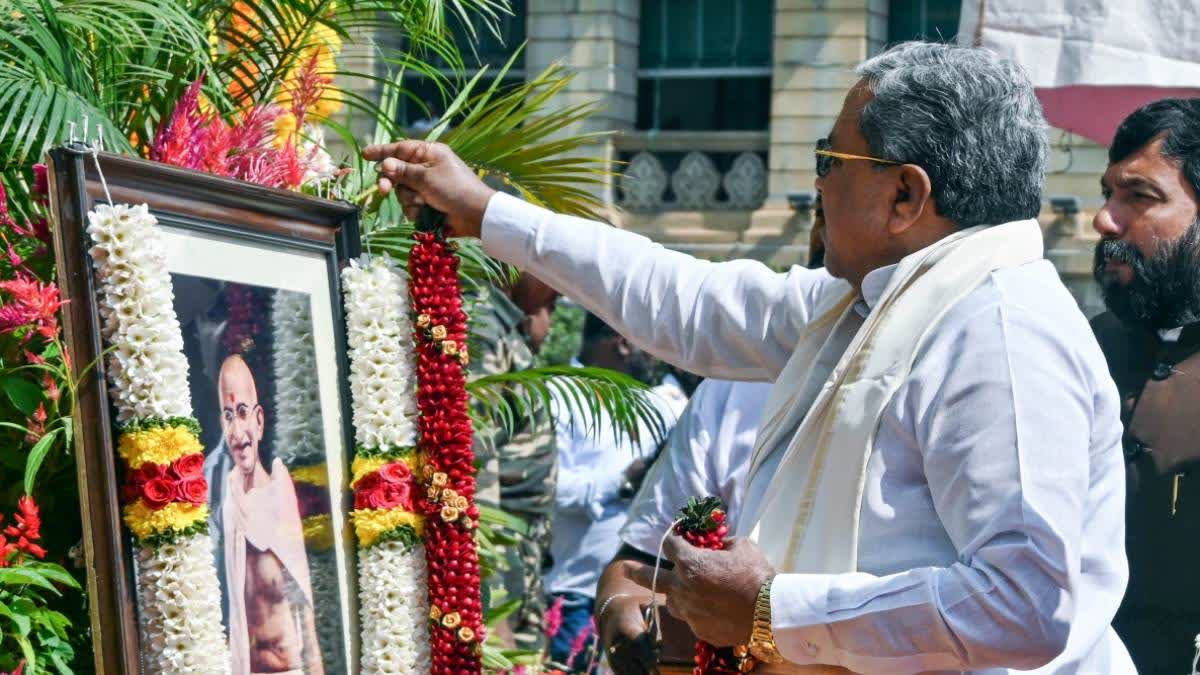
Several Gandhian institutions across the country have expressed solidarity with the objection, viewing it as part of a larger effort to preserve the integrity of Gandhi’s legacy. They have called for consultations between cultural organisations and the advertising industry to develop shared norms and sensitivities.
Advertising professionals, meanwhile, have acknowledged the need for introspection. Some have suggested that the industry must evolve clearer internal guidelines when using historical figures. They argue that proactive self-regulation could prevent reputational damage and foster more meaningful creative engagement with India’s past.
The episode has also highlighted the role of public vigilance in shaping ethical standards. Citizen feedback, amplified through media platforms, has played a key role in bringing the issue to prominence. This, observers say, reflects a healthy democratic impulse where cultural values are actively negotiated rather than passively accepted.
As discussions continue, the future of the controversial advertisement remains uncertain. The Gandhi Smaraka Nidhi has indicated that it expects either withdrawal or modification of the campaign to address its concerns. Failure to do so, it warned, could lead to further action, including appeals to regulatory authorities.
Beyond the immediate outcome, the controversy serves as a reminder of the enduring power of symbols. Gandhi’s image, over seventy-five years after independence, continues to evoke strong emotions and ethical reflection. How it is used, contested, and defended reveals much about contemporary India’s relationship with its history.
In objecting to the portrayal, the Gandhi Smaraka Nidhi has sought to reaffirm not just the sanctity of an image, but the values it represents. Whether advertisers, policymakers, and the public heed this call will shape the evolving boundaries between commerce, culture, and conscience in the years to come.
Follow: Karnataka Government
Also read: Home | Channel 6 Network – Latest News, Breaking Updates: Politics, Business, Tech & More
