
TN CM Stalin Rejects Power-Sharing Demand with Allies; Congress Says ‘Respect DMK’s Views’ Amid Political Buzz
TN CM Stalin rejects power-sharing demand with allies; Congress says “respect DMK’s views” as political discussions gain momentum ahead of the upcoming elections in Tamil Nadu. The Chief Minister’s clear stand has brought clarity to the future of the DMK-led alliance, even as conversations around seat-sharing continue.
Speaking at a public interaction in Chennai, Chief Minister M.K. Stalin made it clear that while the alliance with the Congress party will remain strong, there is no possibility of sharing power with alliance partners. His remarks came at a time when discussions about seat-sharing and expectations from allies were becoming more visible in the political space.
Stalin said that his relationship with Congress leader Rahul Gandhi remains cordial. He described their bond as one built on shared values and concern for public welfare. According to him, both parties are united by ideology and a commitment to serve the people. However, he separated this personal and political understanding from the issue of power-sharing within the state government.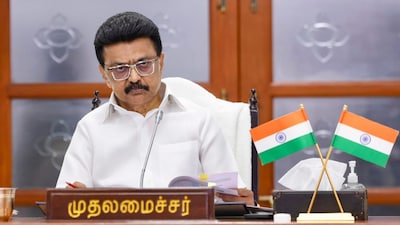
The DMK recently announced that it would begin seat-sharing talks with its friendly parties. This announcement followed expressions of disappointment from sections of the Congress leadership regarding delays in starting formal discussions. With elections approaching, allies are looking to secure a stronger role in the alliance structure.
Despite this background, Stalin firmly stated that power-sharing arrangements do not suit Tamil Nadu’s political culture. He explained that such models have not worked effectively in the state in the past. According to him, both the DMK and the Congress understand this ground reality. He added that the alliance would contest the elections together and expressed confidence that they would secure victory.
TN CM Stalin Rejects Power-Sharing Demand with Allies; Congress Says ‘Respect DMK’s Views’ During Key Election Phase
The Chief Minister also showed confidence in the ruling party’s performance. He said the DMK government has implemented several welfare schemes and development projects since coming to power. He expressed hope that the party would improve upon its previous electoral performance.
On the issue of relations between the State and the Union government, Stalin repeated his concerns that Tamil Nadu has not been receiving adequate financial support. He argued that the state deserves fair treatment and sufficient funds for development programs. This issue, he suggested, would also play a role in the political narrative going forward.
Reacting to Stalin’s comments, Tamil Nadu Congress Committee president K. Selvaperunthagai said that the Chief Minister had clearly explained his position. He stated that the Congress respects the DMK’s views on power-sharing. His remarks indicated that the Congress leadership, at least officially, is willing to accept the DMK’s stand while continuing as part of the alliance.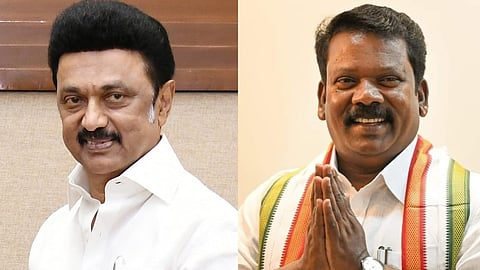
However, not all voices within the Congress have been silent on the matter. Some leaders have earlier spoken about the need for a greater role in governance if the alliance returns to power. They believe that a stronger participation in decision-making would reflect the spirit of coalition politics. At the same time, they have maintained that the final decision rests with the party leadership and the people of Tamil Nadu.
TN CM Stalin Rejects Power-Sharing Demand with Allies; Congress Says ‘Respect DMK’s Views’ Ahead of Elections
Political observers note that alliances in Tamil Nadu have often been shaped by electoral arithmetic rather than formal power-sharing agreements. In previous elections, parties have supported the ruling government from outside without demanding ministerial positions. This model has helped maintain stability, even when one party led the government independently.
The current developments suggest that while discussions may continue behind closed doors, the DMK leadership does not intend to change its governance structure. By clearly stating his position early, Stalin appears to be setting the tone for alliance negotiations. His message seems aimed at preventing confusion and managing expectations among partners.
As seat-sharing talks begin, the focus will shift to how constituencies are divided among allies. This process often determines the strength and unity of an alliance. Both the DMK and the Congress are expected to work toward a formula that benefits the coalition in the upcoming polls.
For now, TN CM Stalin rejects power-sharing demand with allies; Congress says “respect DMK’s views,” marking a significant moment in Tamil Nadu politics. The alliance remains intact, but the structure of governance appears firmly in DMK’s control. ALSO READ: TN govt on plea to seal illegal quarries near Gundar River draws court attention
Conclusion
The DMK and Congress alliance is set to continue into the next election, but without any power-sharing arrangement. Stalin’s clear stand has reduced uncertainty, and the coming weeks will show how smoothly seat-sharing talks progress within the alliance framework.
