
Raichur Member of Parliament G. Kumar Naik has raised strong concerns over the recent surge in cotton imports, warning that unchecked inflow of foreign cotton could severely impact domestic growers, particularly in Karnataka’s agrarian belts. Addressing officials and stakeholders, the MP urged the Centre to recalibrate trade policies and introduce safeguards that prioritise Indian farmers. The issue has sparked fresh debate on balancing global trade commitments with the economic security of millions of cotton cultivators who depend on stable prices and predictable procurement mechanisms.
Cotton remains one of India’s most significant cash crops, supporting farmers across Karnataka, Maharashtra, Gujarat, Telangana, and other States. In districts like Raichur, where cotton cultivation forms a major component of the rural economy, fluctuations in global trade patterns directly affect household incomes. Kumar Naik argued that rising imports, especially when domestic production is sufficient, depress market prices and create uncertainty for growers who have already invested heavily in seeds, fertilisers, and irrigation.
According to farmer groups in north Karnataka, domestic cotton prices have shown volatility in recent months, coinciding with reports of increased imports to meet the demands of textile mills. While industry representatives argue that imports help stabilise supply and ensure quality consistency, farmers insist that priority must be given to procuring locally grown cotton at remunerative prices. The MP echoed these concerns, stating that policy decisions must first secure the livelihoods of domestic producers before facilitating external trade.
Kumar Naik has reportedly sought a review of import duties and urged the government to consider protective measures during peak harvest seasons. He emphasised that Indian cotton farmers face rising input costs, including labour and pesticides, which leave them vulnerable to even minor price dips. Without adequate minimum support price enforcement or buffer procurement, he warned, many growers could face financial distress, leading to reduced cultivation in subsequent seasons.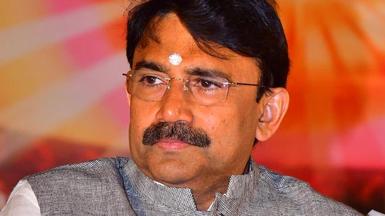
The concern over cotton imports is not new, but it has resurfaced with intensity as global market dynamics shift. International price movements, currency fluctuations, and demand from textile manufacturers all influence import decisions. However, agricultural economists caution that sudden surges in imports during domestic harvest periods can distort local markets. Kumar Naik’s intervention brings political visibility to what farmers describe as a structural imbalance between trade liberalisation and agrarian protection.
In Raichur and neighbouring districts, cotton farmers have expressed appreciation for the MP’s advocacy, urging the government to convene consultations with farmer representatives, textile industry leaders, and trade officials. They argue that policy must be inclusive and evidence-based rather than reactive. The call for stronger policy support reflects a growing sentiment among cultivators that agricultural trade decisions are often shaped without sufficient grassroots input.
Trade vs. Livelihood: The Policy Tightrope
India’s cotton sector sits at the intersection of agriculture and industry, making policy decisions particularly complex. On one hand, textile manufacturers depend on consistent supply, specific fibre quality, and competitive pricing to sustain exports. On the other hand, millions of farmers rely on cotton as a primary source of income. Striking a balance between these interests requires careful calibration of tariffs, procurement policies, and export–import regulations.
Industry representatives have defended imports, arguing that they are sometimes necessary to meet demand for specialised cotton varieties not readily available domestically. They also point to global competitiveness, stating that Indian textile exports could suffer if mills are unable to access cost-effective raw material. However, farmer organisations counter that imports should be carefully timed and regulated to prevent market saturation during domestic harvest periods.
Kumar Naik has called for transparent data on import volumes and their impact on local prices, suggesting that evidence-based policymaking is essential to avoid speculation and mistrust. He has also emphasised strengthening procurement mechanisms to ensure that farmers receive at least the declared minimum support price. Without strict enforcement, he noted, market fluctuations can render MSP announcements ineffective in practice.
Agricultural policy analysts highlight that cotton farmers already face climate-related risks, including erratic rainfall and pest infestations. Adding price instability due to import competition compounds these vulnerabilities. They argue that a comprehensive support framework should include crop insurance efficiency, timely credit access, and predictable trade policies to provide growers with stability across seasons.
The broader geopolitical context also plays a role. Trade agreements and bilateral negotiations often influence tariff structures and import decisions. Policymakers must navigate international obligations while safeguarding domestic interests. The MP’s demand for stronger policy support reflects an attempt to recalibrate this balance in favour of Indian farmers, particularly those in rain-fed regions with limited resilience.
Rural Impact and the Way Forward
For farmers in Raichur, the cotton import debate is not an abstract policy issue but a matter of survival. Many operate on small landholdings and rely heavily on seasonal earnings to repay loans and fund household expenses. Even modest price drops can push them into cycles of debt. Farmer leaders warn that if confidence in cotton profitability declines, cultivators may shift to alternative crops, potentially altering regional agricultural patterns.
Economists suggest that the solution may lie in a multi-pronged approach rather than a single policy lever. Rationalised import duties during sensitive periods, improved storage facilities to manage surplus, and enhanced export incentives during bumper production years could help stabilise the market. Additionally, investment in quality enhancement and branding of Indian cotton could strengthen its competitiveness globally.
The MP has urged the Union government to convene a high-level review meeting involving agriculture, commerce, and textile ministries to assess the current scenario comprehensively. Such coordination, he argues, would ensure that decisions reflect both industrial needs and agrarian realities. He has also emphasised that timely intervention is crucial before farmer sentiment turns into widespread agitation.
Observers note that cotton has historically been a politically sensitive crop, often shaping rural narratives and electoral dynamics. Advocacy from elected representatives signals the seriousness of the issue within agrarian constituencies. Whether the Centre responds with immediate corrective measures or opts for incremental adjustments will influence both economic outcomes and political perceptions.
As discussions continue, the surge in cotton imports has become a focal point for broader questions about agricultural sovereignty and market fairness. Kumar Naik’s intervention underscores a recurring tension in India’s growth story: how to integrate with global markets without marginalising domestic producers. For the cotton growers of Raichur and beyond, the answer will determine not just the profitability of a season, but the sustainability of their livelihoods in an increasingly interconnected economy.
Farmer associations in Raichur have warned that uncertainty in cotton pricing could have a cascading impact on rural credit cycles. Many cultivators depend on seasonal crop loans from cooperative banks and regional rural banks, which are structured around expected harvest returns. If market prices weaken due to increased imports, repayment capacity declines, leading to delayed repayments and potential defaults. Such stress not only affects individual farmers but also places strain on rural financial institutions already navigating tight liquidity conditions.
There is also concern about how price volatility influences sowing decisions in the upcoming season. Agricultural experts note that farmers make crop choices months in advance, guided largely by expectations of price stability. If cotton appears unreliable, shifts toward alternative crops such as pulses or oilseeds could occur. While diversification can be beneficial, sudden large-scale transitions may disrupt regional supply chains and input markets, creating new imbalances in the agricultural economy.
Textile sector representatives, meanwhile, have urged policymakers to consider the broader value chain. They argue that competitive raw material prices enable Indian textile exports to maintain global market share, sustaining employment in spinning mills, garment factories, and ancillary industries. The cotton debate thus reflects an interdependence between farm incomes and industrial growth. Any restrictive measure, they caution, must avoid unintended consequences that weaken downstream sectors.
Agricultural economists suggest that improved real-time data dissemination could reduce friction between stakeholders. Transparent reporting of production estimates, stock levels, and import projections would allow farmers and industry players to make informed decisions. The absence of clear communication often fuels suspicion that policies favour one group over another. Establishing predictable policy triggers tied to objective indicators could help depoliticise the issue.
The environmental dimension also warrants attention. Cotton cultivation is resource-intensive, requiring significant water and pesticide use in certain regions. If imports surge while domestic output remains unsold, the ecological costs borne by farmers become economically unrewarded. This imbalance, experts argue, underscores the need for integrated agricultural and trade policies that account not just for prices but also for sustainability considerations.
Political observers note that advocacy on agrarian trade issues often resonates strongly in rural constituencies. By raising concerns over cotton imports, the Raichur MP has positioned himself as a vocal defender of farmer interests. Whether this translates into tangible policy adjustments will depend on the Centre’s willingness to reassess tariff structures and procurement strategies in the coming months.
Ultimately, the debate over cotton imports reflects a broader challenge confronting India’s agricultural economy: how to remain globally competitive while safeguarding local livelihoods. As policymakers deliberate, the voices of cotton growers in districts like Raichur serve as a reminder that trade statistics represent real families, real investments, and real risks. The resolution of this issue will shape confidence not only in cotton markets but also in the credibility of agricultural policy itself.
Follow: Karnataka Government
Also read: Home | Channel 6 Network – Latest News, Breaking Updates: Politics, Business, Tech & More
