
The Criminal Investigation Department has launched an intensive search operation for Bengaluru BJP MLA Byrathi Basavaraj, triggering a major political storm across Karnataka. The development follows serious allegations linked to an attempted murder case that has drawn widespread public attention and media scrutiny. Officials confirmed that multiple teams have been deployed to trace the legislator, whose whereabouts remain unknown. The case has rapidly escalated into a high-voltage confrontation between political parties, raising questions about accountability, law enforcement autonomy, and the broader implications for governance in the State.
Sources within the CID revealed that the agency began its coordinated action after securing preliminary evidence that allegedly connects the MLA to a conspiracy involving violence against a city-based businessman. While investigators have refrained from disclosing specific details, they indicated that statements from key witnesses and digital records have formed part of the inquiry. The seriousness of the allegations has compelled authorities to move swiftly, intensifying surveillance and conducting searches at multiple locations associated with the legislator and his close aides.
The case reportedly stems from an incident in which unidentified assailants attacked a real estate businessman in Bengaluru. The victim survived the assault and later filed a complaint naming several individuals. During the course of the investigation, the complainant is said to have provided information suggesting the involvement of influential figures. This claim prompted the transfer of the probe to the CID, given the sensitivity of the matter and the stature of the individuals allegedly linked to the conspiracy.
The development has also intensified political tensions in Bengaluru, with opposition parties accusing the government of shielding influential leaders, while the ruling dispensation has maintained that the law will take its own course. Political observers note that such high-profile cases often test the independence and credibility of investigative agencies, especially when they involve sitting legislators. The case has once again brought focus on the intersection of politics, crime, and real estate interests in the city.
Senior police officials stated that the CID is verifying the MLA’s known addresses, business links, and possible travel routes. Teams have reportedly visited locations connected to his associates to gather further leads. Officials have refrained from disclosing operational details, citing the sensitivity of the case, but confirmed that efforts are being made to secure his presence before the court at the earliest.
Legal experts point out that once anticipatory bail is rejected, the accused is expected to cooperate with the investigation or seek regular bail after arrest. They add that non-appearance may strengthen the prosecution’s argument that custodial interrogation is necessary. The court’s earlier observations in denying relief have already underscored the seriousness of the allegations and the need for an unhindered probe.
Meanwhile, residents and civic groups in parts of Bengaluru have expressed concern over the alleged links between elected representatives and individuals with criminal backgrounds. Activists argue that such cases erode public trust and demand stricter scrutiny of candidates with pending criminal cases. The incident has reignited debates about electoral reforms and the need for faster disposal of cases involving public officials.
The CID is expected to submit periodic status reports to the court regarding the progress of the investigation and efforts to trace the accused. Officials indicated that once the MLA is secured, further questioning and evidence collection would follow, potentially widening the scope of the probe. The case remains under close public and judicial watch, with its outcome likely to have significant legal and political ramifications in Karnataka.
Political reactions were immediate and sharply divided. Leaders from the opposition demanded strict action, asserting that no individual, regardless of position, should be shielded from investigation. They described the development as a test of the State’s commitment to rule of law. Meanwhile, members of the ruling party urged restraint, emphasizing that the allegations remain unproven and cautioning against what they termed as premature conclusions driven by political motives.
Senior police officials clarified that the search operation follows due legal procedure and is not politically motivated. According to them, the agency is acting based on evidence gathered during the investigation and subsequent legal consultations. They stressed that the objective is to ensure a fair and transparent process. Authorities also appealed to the public to avoid speculation, noting that misinformation could compromise the integrity of the inquiry and create unnecessary panic.
Legal experts observing the developments pointed out that the case could become a significant precedent in matters involving elected representatives. They noted that investigations against sitting legislators often attract intense scrutiny because of concerns about political interference. However, they emphasized that investigative agencies are empowered to pursue inquiries if credible evidence exists. The coming days, they suggested, will be crucial in determining whether the probe results in formal charges or further legal escalation.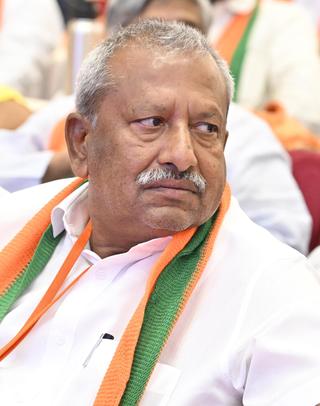
Intensifying Political Tremors Across Karnataka
The unfolding episode has sparked heated debates within Karnataka’s political landscape. Opposition leaders have organized press conferences accusing the BJP of failing to uphold ethical standards among its representatives. They argued that the incident reflects deeper issues related to political patronage and misuse of influence. Some even demanded that the MLA be suspended from party responsibilities until the investigation concludes, asserting that such a step would demonstrate commitment to transparency.
On the other hand, BJP spokespersons countered that the allegations are part of a broader campaign aimed at tarnishing the party’s image ahead of upcoming political developments. They questioned the timing of the accusations and expressed confidence that the truth would ultimately vindicate their colleague. Party insiders indicated that internal consultations are ongoing, though no official disciplinary action has been announced thus far.
Public sentiment appears divided, with social media platforms witnessing intense exchanges between supporters and critics. Many citizens have called for a swift and impartial investigation, highlighting concerns about rising incidents of political violence. Civil society groups have also urged authorities to ensure witness protection and prevent any form of intimidation that could influence the case. The episode has revived discussions about the need for systemic reforms to address criminal allegations involving public representatives.
Meanwhile, the CID’s operational strategy includes questioning individuals believed to have knowledge of the alleged conspiracy. Investigators are reportedly analyzing call data records, financial transactions, and communication trails to establish possible links. Officials confirmed that coordination with local police units is ongoing to track movements and gather actionable intelligence. The agency has maintained that its focus remains strictly on evidence-based findings rather than political narratives.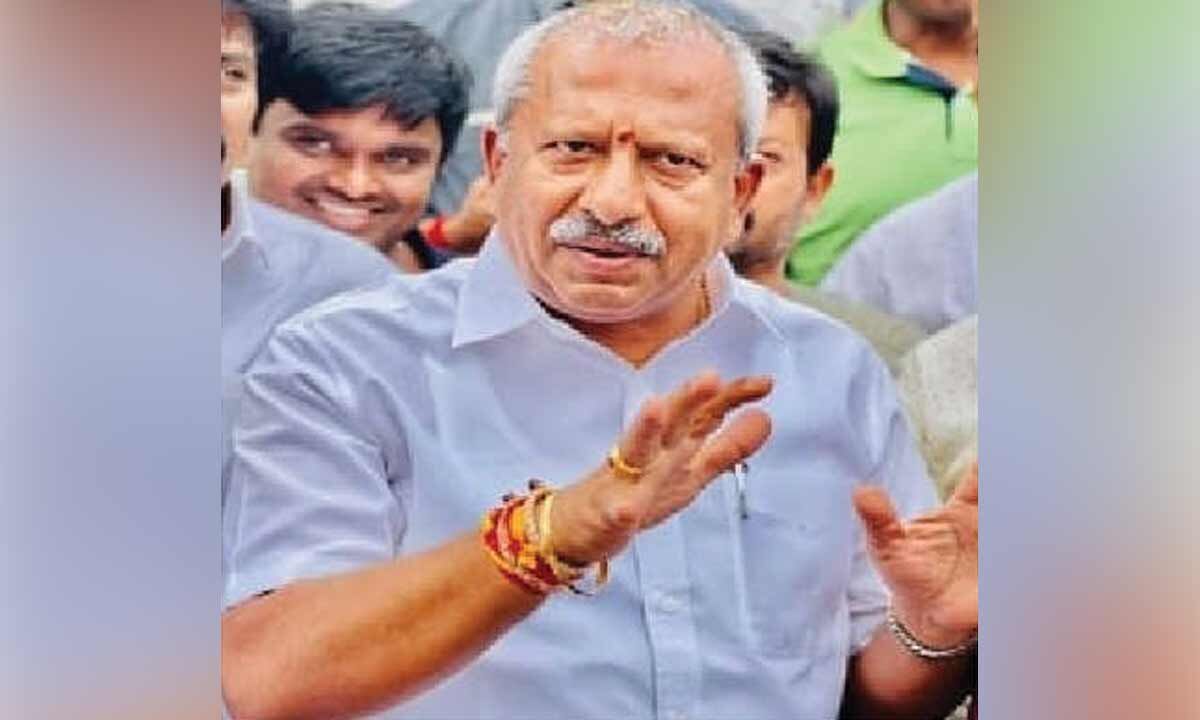
The businessman who survived the attack is said to be cooperating with authorities and has reiterated his claims before investigators. According to sources, he has expressed fear for his safety and requested enhanced security measures. Law enforcement officials acknowledged these concerns and stated that appropriate steps are being taken to safeguard all individuals connected to the case. Such measures, they added, are essential to maintaining confidence in the investigative process.
As developments continue, legal observers anticipate potential court proceedings if the MLA fails to respond to notices issued by the CID. The possibility of anticipatory bail or other legal remedies may also arise, depending on the trajectory of the investigation. Experts emphasize that adherence to constitutional safeguards will be critical in balancing accountability with the rights of the accused. The legal dimension is expected to unfold alongside the political debate.
Legal Crossroads and the Road Ahead
The case has also reignited broader discussions about the intersection of politics and criminal law in India. Analysts note that allegations against elected representatives often place investigative agencies under immense pressure. In such circumstances, maintaining institutional credibility becomes paramount. Transparency in procedural steps, timely communication, and judicial oversight are seen as essential safeguards to prevent perceptions of bias or selective enforcement.
Former police officials have observed that high-profile investigations require meticulous documentation and evidence handling. Any procedural lapse, they warn, could weaken the prosecution’s case in court. Therefore, the CID’s approach is likely to remain cautious and methodical. Sources suggest that additional summons may be issued if the MLA does not voluntarily appear before investigators within the stipulated timeframe.
The State government has refrained from making extensive public comments, reiterating that the law will take its course. This stance reflects an attempt to avoid influencing the investigative process while addressing public concerns. However, political opponents argue that stronger assurances are necessary to demonstrate zero tolerance toward alleged wrongdoing. The coming legislative sessions may witness intense debates over the matter.
For residents of Bengaluru, the episode has become a focal point of conversation about governance and public trust. Many citizens have expressed hope that the truth, whatever it may be, emerges through a fair process. The incident underscores the delicate balance between political authority and legal accountability. Observers believe that how institutions handle this case could shape public perception for years to come.
As the CID continues its hunt for Byrathi Basavaraj, the atmosphere remains charged with anticipation. Whether the investigation culminates in arrests, exoneration, or prolonged legal proceedings, its implications will extend beyond a single constituency. The episode serves as a reminder that democratic systems depend not only on electoral mandates but also on unwavering adherence to the rule of law. In the days ahead, Karnataka watches closely, awaiting clarity amid uncertainty.
Follow: Karnataka Government
Also read: Home | Channel 6 Network – Latest News, Breaking Updates: Politics, Business, Tech & More
