
Bacteria are far from being solitary and silent organisms; they actively “talk” to one another using complex chemical signals, and in many cases, they are effectively multilingual, according to a leading biologist speaking at a recent scientific lecture. The expert explained that microbes communicate through a process known as quorum sensing, which allows them to coordinate behavior depending on their population density. This communication enables bacteria to act collectively, forming biofilms, launching infections, or adapting to environmental stress. The findings challenge the long-held perception of bacteria as simple, isolated life forms.
Quorum sensing works through the release and detection of small signaling molecules. When a bacterium releases these molecules into its surroundings, nearby bacteria detect the concentration of the signal. Once the signal reaches a threshold level—indicating a sufficient population—genes responsible for group behaviors are activated. This coordinated activity can lead to phenomena such as synchronized light production in marine bacteria or collective virulence in disease-causing strains. According to the biologist, such communication reflects a remarkable level of biological sophistication among microorganisms.
The concept of bacteria being “multilingual” stems from their ability to respond to multiple types of signaling molecules, not just those produced by their own species. Some bacteria can interpret and react to signals released by entirely different microbial communities. This cross-species communication enables them to adapt in diverse environments, whether in soil, oceans, or the human body. Scientists have observed that certain bacterial species can switch between chemical “languages,” allowing them to integrate into mixed microbial populations and coordinate survival strategies effectively.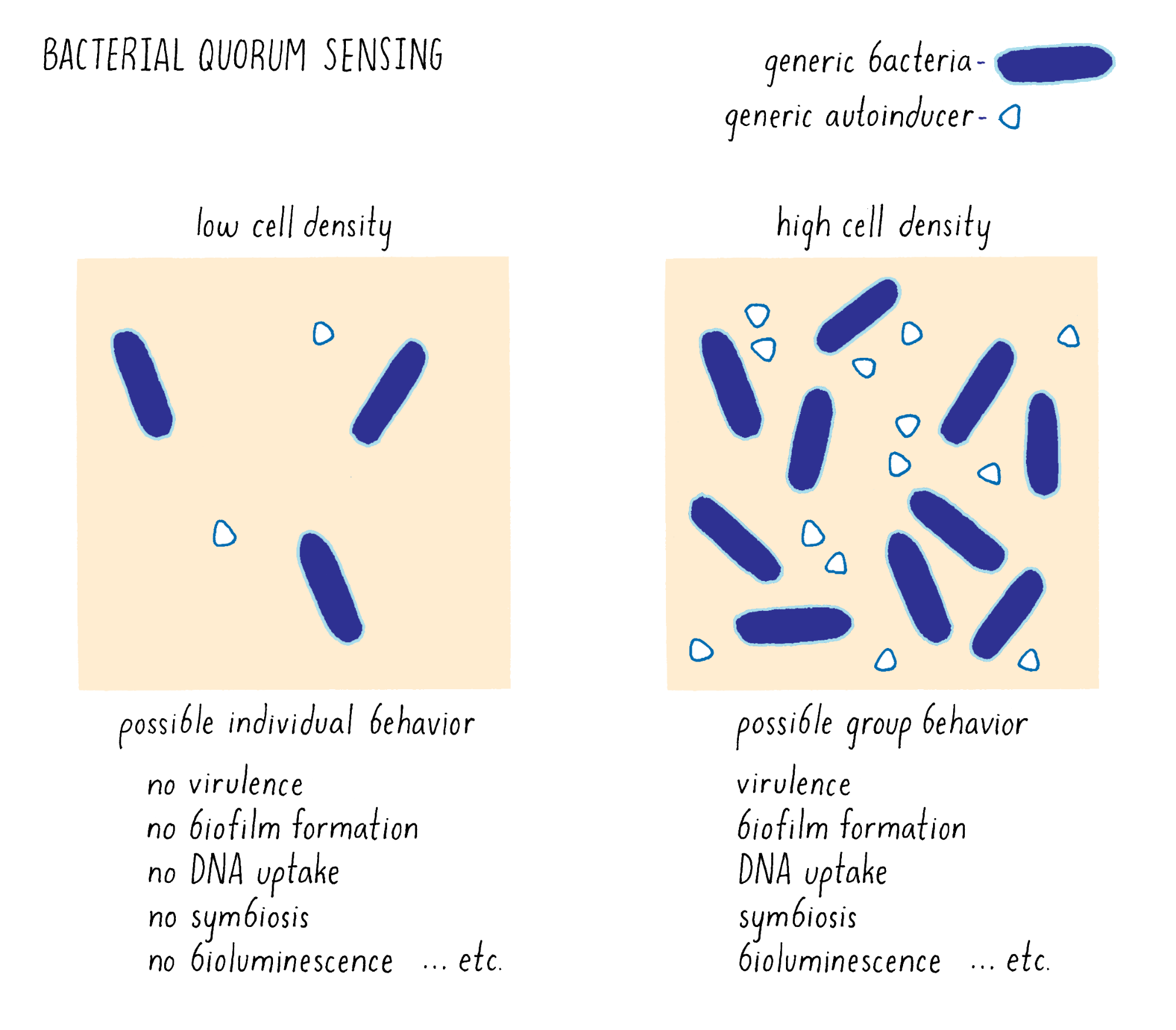
Researchers believe this microbial dialogue plays a crucial role in human health. In the gut, for instance, trillions of bacteria communicate constantly, influencing digestion, immunity, and even mental well-being. Disruptions in these communication networks can contribute to infections or inflammatory conditions. The biologist noted that understanding bacterial conversations may help scientists design therapies that interrupt harmful signaling pathways, thereby preventing bacteria from organizing into antibiotic-resistant biofilms or triggering disease processes.
One striking example of bacterial communication is the formation of biofilms—structured communities of microbes that adhere to surfaces. In hospitals, biofilms can form on medical devices such as catheters and implants, making infections difficult to treat. Through quorum sensing, bacteria coordinate the production of protective layers that shield them from antibiotics. By deciphering the chemical “languages” involved, researchers hope to develop targeted interventions that disrupt these signals without necessarily killing the bacteria outright, potentially reducing the risk of resistance.
Unlocking Microbial Conversations for Medical Breakthroughs
The ability of bacteria to communicate across species boundaries opens new avenues for medical innovation. Scientists are exploring compounds known as quorum sensing inhibitors, which can block or alter microbial signals. Instead of destroying bacteria, these inhibitors aim to silence harmful communication, preventing pathogens from coordinating attacks on host tissues. Such approaches may represent a promising alternative to traditional antibiotics, particularly in an era of growing antimicrobial resistance. The biologist emphasized that targeting communication rather than survival could reduce selective pressure that drives resistance.
Environmental applications are also emerging from this field of research. In agriculture, beneficial bacteria communicate with plant roots, enhancing nutrient uptake and disease resistance. By understanding these chemical interactions, scientists could develop bio-based fertilizers and sustainable farming techniques. Similarly, in marine ecosystems, microbial communication regulates nutrient cycles and influences climate-related processes. Recognizing bacteria as interactive, communicative organisms reshapes how scientists approach ecological management and environmental conservation.
Advances in imaging and molecular biology have made it possible to observe bacterial communication in real time. Researchers can now track fluorescent markers attached to signaling molecules, allowing them to visualize microbial interactions under laboratory conditions. Such technologies have revealed that bacterial communication networks can be surprisingly dynamic, adapting quickly to environmental changes. This adaptability further reinforces the idea that microbes possess complex regulatory systems that rival those of higher organisms in certain contexts.
The notion of bacterial multilingualism also has implications for understanding microbial competition and cooperation. In mixed communities, some bacteria may eavesdrop on signals produced by others, gaining strategic advantages. Others may produce deceptive signals to disrupt competitors. These interactions resemble intricate social behaviors, albeit at a microscopic scale. Scientists argue that studying these microbial “conversations” could provide insights into broader biological principles of communication and cooperation across life forms.
Rethinking the Microbial World
The biologist concluded that appreciating bacteria as communicative, adaptive entities compels a fundamental shift in scientific thinking. Rather than viewing them solely as pathogens to be eradicated, researchers are increasingly recognizing their roles as integral components of ecosystems and human biology. This perspective encourages more nuanced approaches to medicine and environmental science, focusing on balance and modulation rather than indiscriminate elimination.
Public health experts note that deeper understanding of bacterial signaling could transform infection control strategies in hospitals. By identifying the molecular languages that pathogens use to coordinate outbreaks, healthcare providers may one day intervene preemptively. Such innovations could reduce hospital-acquired infections and improve patient outcomes without relying exclusively on antibiotics.
Educational institutions are incorporating these discoveries into microbiology curricula, highlighting the dynamic and interactive nature of microbial life. Students are being introduced to the idea that communication is not limited to animals or humans but is a universal feature of living systems. This evolving understanding broadens scientific curiosity and fosters interdisciplinary research across biology, chemistry, and medicine.
As research continues, the metaphor of bacteria as “multilingual” communicators underscores the extraordinary complexity hidden within microscopic life. These discoveries not only deepen scientific knowledge but also open pathways to innovative treatments and sustainable solutions. In redefining bacteria as social and communicative organisms, science moves closer to unlocking the full potential of the unseen microbial world that shapes life on Earth.
Bacteria, long dismissed as solitary and primitive life forms, are now being understood in a profoundly different light. According to leading biologists studying microbial communication, bacteria possess the ability to “talk” to each other using sophisticated chemical languages. This emerging field of research reveals that microbes are not silent organisms drifting aimlessly but active participants in dynamic conversations. These discoveries are reshaping how scientists perceive infection, immunity, and even environmental balance. The idea that bacteria are multilingual has sparked excitement across laboratories, opening new doors to understanding how life at its smallest scale coordinates survival, cooperation, and competition.
For decades, microbiology textbooks described bacteria primarily as independent cells reacting to stimuli in isolation. However, deeper investigation into microbial ecosystems has overturned that assumption. Scientists have identified a process known as quorum sensing, through which bacteria release and detect chemical signal molecules. When these signals reach a certain concentration, they trigger collective behavioral changes. This means bacteria can assess population density and coordinate actions accordingly. Rather than acting alone, they operate as communities capable of synchronizing movement, forming biofilms, and even launching attacks, revealing a hidden layer of biological sophistication previously underestimated by researchers.
Biologists explain that quorum sensing functions much like a democratic voting system. Each bacterium releases small chemical compounds into its surroundings. As more bacteria contribute signals, the concentration rises. Once a threshold is reached, it activates genes that alter the group’s behavior. This coordinated shift can lead to the production of toxins, increased mobility, or enhanced resistance mechanisms. The system ensures that certain actions occur only when sufficient numbers are present, improving survival odds. Such communication demonstrates intentional timing and collective awareness, challenging earlier beliefs that bacteria behave purely on instinct without coordinated strategy.
CHEMICAL LANGUAGES AND MICROBIAL MULTILINGUALISM
What makes bacterial communication even more fascinating is the discovery that different species use distinct signaling molecules. Some respond only to specific chemical “words,” while others can interpret multiple types of signals. This capacity has led researchers to describe them as multilingual. In diverse environments like soil, oceans, and the human gut, numerous species coexist. To survive, they must interpret both friendly and hostile signals. Certain microbes can eavesdrop on competitors, adjusting their behavior based on the chemical chatter around them. This ability to understand multiple languages provides a strategic advantage in complex ecosystems.
Scientists studying polymicrobial communities have observed that sometimes switch between signaling systems depending on environmental pressures. For example, in nutrient-rich settings, cooperative signals may dominate, encouraging shared resource usage. In contrast, stressful conditions can prompt aggressive chemical messaging that activates defensive genes. This flexibility resembles code-switching in human societies, where individuals adapt language to context. The microbial world appears to function with similar adaptability. Such findings underscore the intelligence embedded within microscopic life forms, revealing communication networks that rival the complexity of more visible organisms.
Research conducted in clinical settings has further highlighted the significance of bacterial conversations. Many infections become dangerous not because of individual bacterial cells but due to coordinated attacks. Through quorum sensing, pathogens synchronize toxin release, overwhelming host defenses. Interrupting this communication pathway has become a promising medical strategy. Scientists are developing drugs designed not to kill directly but to silence their signaling systems. By disrupting the conversation, these treatments prevent collective action, reducing virulence without promoting antibiotic resistance. This innovative approach reflects how understanding microbial language can transform modern medicine.
Beyond disease, bacterial communication plays a crucial role in environmental sustainability. In soil ecosystems, microbes coordinate nutrient cycling, breaking down organic matter and releasing essential elements for plant growth. These processes depend on chemical signaling that ensures efficient collaboration. In marine environments, conversations regulate carbon cycling and influence global climate patterns. By communicating effectively, microbial communities maintain ecological balance. Biologists emphasize that ignoring these interactions would mean overlooking one of Earth’s most powerful regulatory systems. Recognizing as communicative agents reframes their role from mere decomposers to active architects of planetary health.
Follow: Karnataka Government
Also read: Home | Channel 6 Network – Latest News, Breaking Updates: Politics, Business, Tech & More
