
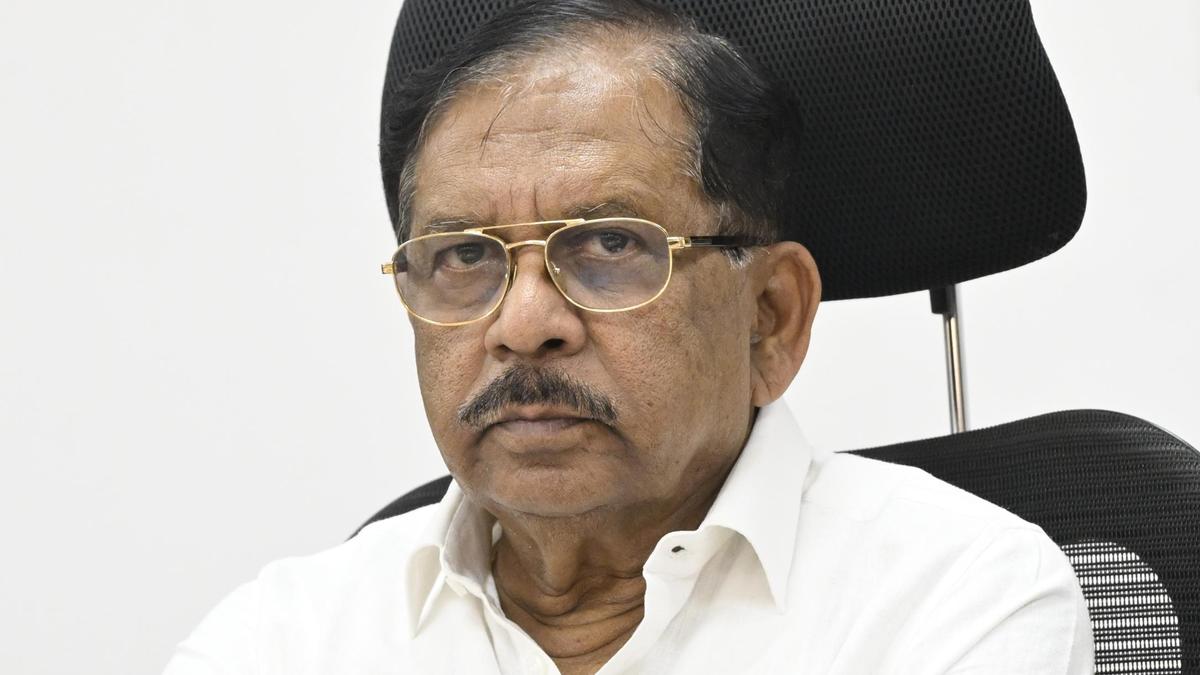
The Karnataka government has reiterated its unwavering commitment to eliminating the menace of narcotics from the State, with Home Minister Dr. G. Parameshwara declaring that a “drug-free Karnataka” remains the administration’s core objective. Speaking at a high-level review meeting on law and order and anti-narcotics operations in Bengaluru, the Minister underscored the need for coordinated enforcement, community participation, and preventive awareness to combat the growing threat of substance abuse. His remarks come amid intensified crackdowns by city and district police units, which have reported significant seizures and arrests in recent months.
Meanwhile, senior police officials have been directed to conduct periodic performance reviews of anti-narcotics units to ensure accountability and measurable outcomes. The Home Minister said district Superintendents of Police and city Police Commissioners will be required to submit monthly reports detailing seizures, arrests, convictions, and awareness initiatives undertaken in their jurisdictions. These reports will be evaluated to identify gaps and best practices. Dr. Parameshwara stressed that sustained monitoring would prevent the dilution of momentum and ensure that anti-drug operations remain a continuous priority rather than a temporary campaign.
The government is also examining the socio-economic factors that make certain communities more vulnerable to drug abuse. Officials from the Social Welfare and Education Departments have been asked to map high-risk zones and develop targeted intervention programmes. Skill development workshops, sports initiatives, and youth engagement drives are expected to form part of a broader preventive strategy. The Minister noted that providing constructive avenues for young people can significantly reduce the allure of narcotics, especially in urban pockets where peer pressure and exposure are high.
Law enforcement authorities have been instructed to keep a close watch on entertainment venues, including pubs, clubs, and private event spaces, where synthetic drugs are often circulated. Surprise inspections and coordinated raids will continue, with strict penalties for establishments found complicit in illegal activity. Dr. Parameshwara clarified that the aim is not to disrupt legitimate businesses but to ensure compliance with the law. He added that license cancellations and blacklisting would be considered in cases of repeated violations to send a strong deterrent message.
In rural areas, where cannabis cultivation and trafficking occasionally surface, the government plans to intensify surveillance and community awareness campaigns. Police teams are expected to work closely with local revenue officials to identify and destroy illegal plantations. The Minister highlighted the importance of empowering village-level committees to report suspicious cultivation activities. By strengthening grassroots intelligence networks, authorities hope to curb supply at its origin and prevent rural regions from becoming feeder zones for urban drug markets.
The Home Minister also addressed concerns about the rehabilitation of first-time offenders and individuals caught with small quantities for personal use. He indicated that the government is exploring diversion programmes that would mandate counselling and community service instead of prolonged incarceration in certain cases. Such measures, he explained, aim to prevent overcrowding in prisons and provide individuals an opportunity to reform. However, he made it clear that repeat offenders and those involved in trafficking would face uncompromising legal action.
To ensure public participation, the government is considering launching a statewide campaign under a unified slogan promoting drug awareness. Multimedia outreach through television, radio, social media, and local events is being planned to reach diverse demographic groups. Dr. Parameshwara said celebrities, sportspersons, and community influencers may be roped in to amplify the message, particularly among youth audiences. He emphasised that stigma around seeking help for addiction must be reduced, encouraging families to approach authorities and health professionals without hesitation.
Concluding his expanded address, the Home Minister reiterated that the fight against narcotics requires a sustained, multi-pronged effort. He called upon parents, teachers, religious leaders, and civil society to act as partners in vigilance and prevention. Stressing that the State’s reputation and the well-being of its youth are at stake, Dr. Parameshwara affirmed that the government would allocate necessary resources and legislative backing to strengthen the campaign. The vision of a drug-free Karnataka, he said, can only be realised through collective responsibility and unwavering commitment.
The Home Minister stated that the government is determined to ensure that Karnataka does not become a transit hub or consumption centre for illegal drugs. He emphasised that narcotics not only endanger public health but also fuel organised crime, destabilise families, and corrode social harmony. Dr. Parameshwara pointed out that the administration has adopted a zero-tolerance policy, directing law enforcement agencies to take stringent action against peddlers, suppliers, and networks that operate within and beyond the State’s borders. He also warned officials against complacency, calling for sustained vigilance and accountability.
According to officials present at the meeting, special emphasis is being placed on intelligence-based operations. Police units across Bengaluru, Mysuru, Mangaluru, Kalaburagi, and other major districts have been instructed to strengthen surveillance around educational institutions, nightlife zones, and vulnerable neighbourhoods. The Minister highlighted that young people are increasingly targeted by drug syndicates, making early intervention and preventive outreach critical. He urged educational institutions to collaborate with law enforcement to identify suspicious activity and to conduct awareness programmes aimed at discouraging experimentation with narcotics.
Dr. Parameshwara revealed that recent operations by the Central Crime Branch (CCB) and Anti-Narcotics Wing have resulted in the seizure of substantial quantities of synthetic drugs, ganja, MDMA, and other psychotropic substances. He noted that these operations demonstrate the State’s resolve but also signal the scale of the challenge. The Minister praised police personnel for their efforts while cautioning that drug networks are adaptive and technologically savvy. He instructed officers to upgrade their investigative techniques and leverage digital forensics to dismantle supply chains effectively.
Coordinated Crackdown and Community Vigilance
The Home Minister stressed that tackling drug abuse requires more than arrests and seizures. He announced plans to expand de-addiction and rehabilitation facilities across Karnataka, ensuring that individuals struggling with addiction receive medical and psychological support. Dr. Parameshwara stated that the government is working with the Health Department to integrate counselling services and community outreach into primary healthcare systems. He emphasised that addiction should be treated as a health issue alongside its criminal dimensions, advocating a balanced approach that combines enforcement with compassion.
In addition to enforcement and rehabilitation, the State government is exploring partnerships with non-governmental organisations and civil society groups. The Minister said community leaders, resident welfare associations, and youth clubs have a crucial role in identifying localised drug activity and reporting it promptly. He called for the establishment of anonymous tip lines and digital reporting platforms to encourage citizens to share information without fear of retaliation. According to him, a vigilant society is the strongest deterrent against the spread of narcotics.
Dr. Parameshwara also highlighted the need for inter-State coordination, noting that drug trafficking networks often operate across multiple jurisdictions. He confirmed that Karnataka is working closely with neighbouring States and central agencies to track supply routes and intercept consignments. Joint operations, data sharing, and regular intelligence exchanges are being strengthened to ensure seamless cooperation. The Minister stated that the government would not hesitate to invoke stringent provisions under the Narcotic Drugs and Psychotropic Substances (NDPS) Act against offenders, including asset seizure and preventive detention where warranted.
Officials indicated that awareness campaigns targeting schools and colleges will be intensified in the coming months. Workshops, seminars, and interactive sessions led by law enforcement officers and healthcare professionals are planned to educate students about the legal consequences and health risks associated with drug use. The Minister asserted that prevention through education is one of the most effective tools in reducing demand. He urged parents and guardians to remain attentive to behavioural changes in children and to seek timely assistance if necessary.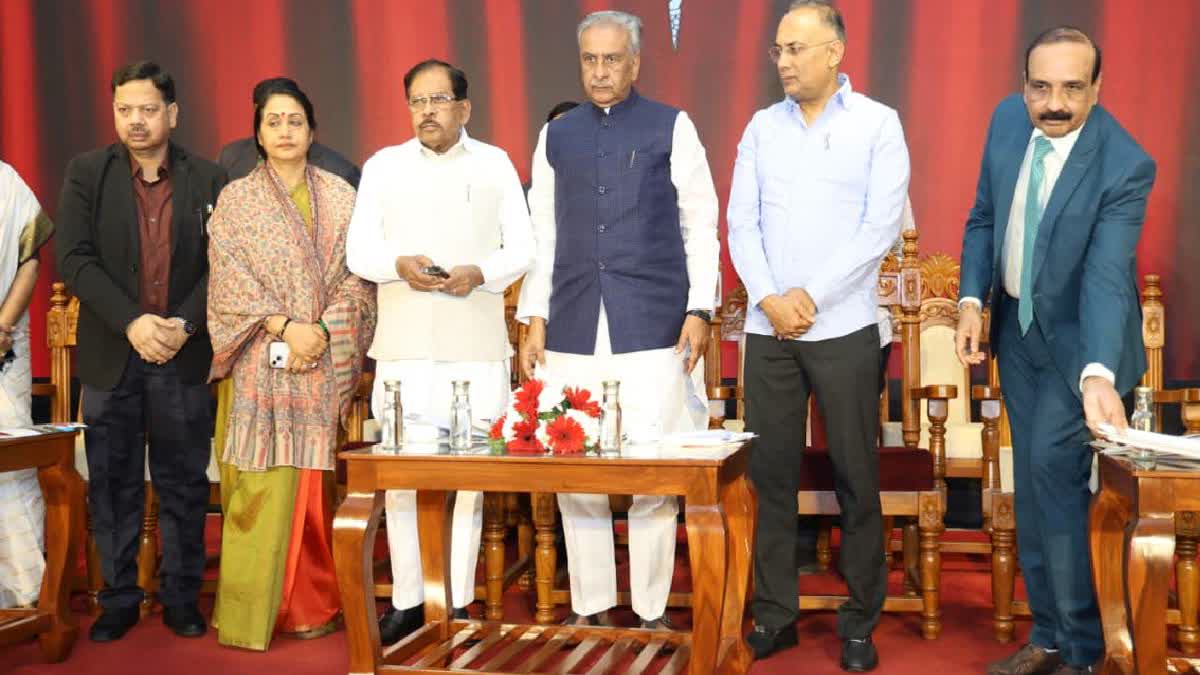
Policy Reforms and Technology-Driven Enforcement
The Home Minister further disclosed that the government is considering policy reforms to strengthen monitoring of pharmaceutical drugs that are susceptible to misuse. He noted that certain prescription medications are being diverted into illegal markets, necessitating tighter regulatory oversight. Discussions are underway with the Drugs Control Department to enhance inspection mechanisms and ensure compliance among pharmacies and distributors. Dr. Parameshwara stressed that technology-based tracking systems could help identify irregular supply patterns and prevent diversion at source.
To enhance enforcement capabilities, the State is investing in advanced surveillance equipment and forensic laboratories. The Minister said police training modules are being updated to include modules on cyber tracking, cryptocurrency transactions, and dark web monitoring, as traffickers increasingly exploit digital platforms. He acknowledged that law enforcement must evolve in tandem with emerging threats, adding that specialised task forces may be constituted to handle complex cases involving international syndicates.
Opposition leaders have broadly supported the anti-drug campaign but have urged the government to ensure that enforcement actions are transparent and not misused for political vendetta. In response, Dr. Parameshwara maintained that the campaign is apolitical and driven solely by the need to safeguard public welfare. He assured that due process would be followed in every case and that innocent individuals would not be harassed. The Minister reiterated that the primary objective is to dismantle organised networks rather than target small-time users.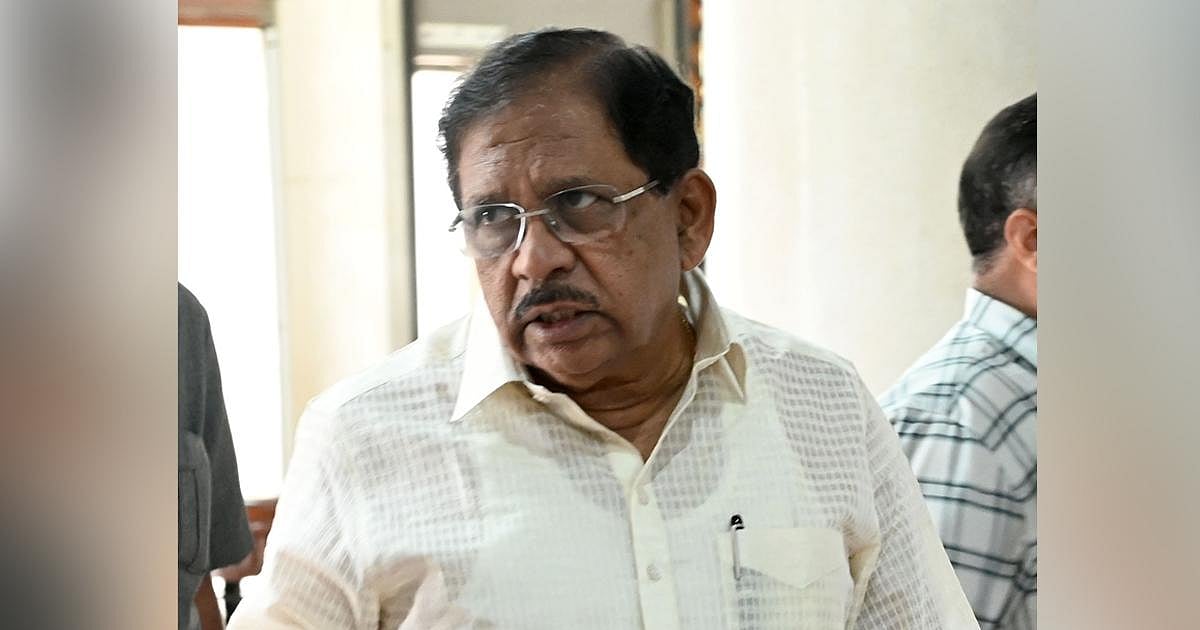
As the State intensifies its fight against narcotics, the Home Minister concluded by reaffirming the government’s commitment to creating a safe and healthy environment for future generations. “Drug-free Karnataka is not just a slogan but a responsibility,” he declared, urging citizens to join hands with authorities. With enhanced enforcement, community participation, policy reform, and rehabilitation initiatives, the government aims to curb both supply and demand. Whether these measures yield sustained impact will depend on consistent implementation and collective resolve across society.
Follow: Karnataka Government
Also read: Home | Channel 6 Network – Latest News, Breaking Updates: Politics, Business, Tech & More
