
The Karnataka Legislative Assembly was the scene of a heated confrontation this week as ruling and opposition members sparred over the handling of relief measures for flood- and drought-affected regions. The debate, described by observers as one of the most intense in recent sessions, highlighted deep disagreements over the speed, adequacy, and transparency of government support to distressed farmers. Opposition lawmakers accused the ruling coalition of inaction and administrative delays, while government representatives defended their record, citing procedural requirements and resource constraints. The session underscored the complex challenges of disaster management in a state that faces extreme weather events in different regions almost simultaneously.
Several regions in Karnataka have been battling the dual challenge of severe floods in some districts and prolonged drought in others. Farmers and local communities have been left struggling with crop damage, water scarcity, and the resulting financial distress. Opposition members claimed that government response has been inconsistent, with relief reaching some areas faster than others. Lawmakers demanded immediate action, highlighting the human cost of delays, including loan defaults, migration of rural populations, and disruption of local economies. The debate reflected a growing frustration among policymakers about systemic inefficiencies in delivering disaster assistance.
Government officials defended their record, stating that relief measures are being processed according to established protocols to ensure fairness and prevent duplication. They noted that field assessments, verification of claims, and allocation of funds take time but are necessary to ensure the right beneficiaries receive assistance. Officials emphasised that balancing multiple crises simultaneously—floods in some areas and drought in others—requires careful planning and resource management. They assured the Assembly that priority is being given to the most severely affected regions and that additional funds have been earmarked for emergency relief.
The discussion also brought to light gaps in the current disaster response framework. Opposition members highlighted cases where affected families reported receiving partial compensation, delays in payment, or lack of awareness about eligibility criteria. They argued that these delays exacerbate economic hardship and stress among already vulnerable communities. Several lawmakers called for a more decentralised system, empowering local authorities to act swiftly in coordination with state agencies. They stressed that timely intervention is critical to prevent loss of livelihoods and ensure sustainable recovery for rural households.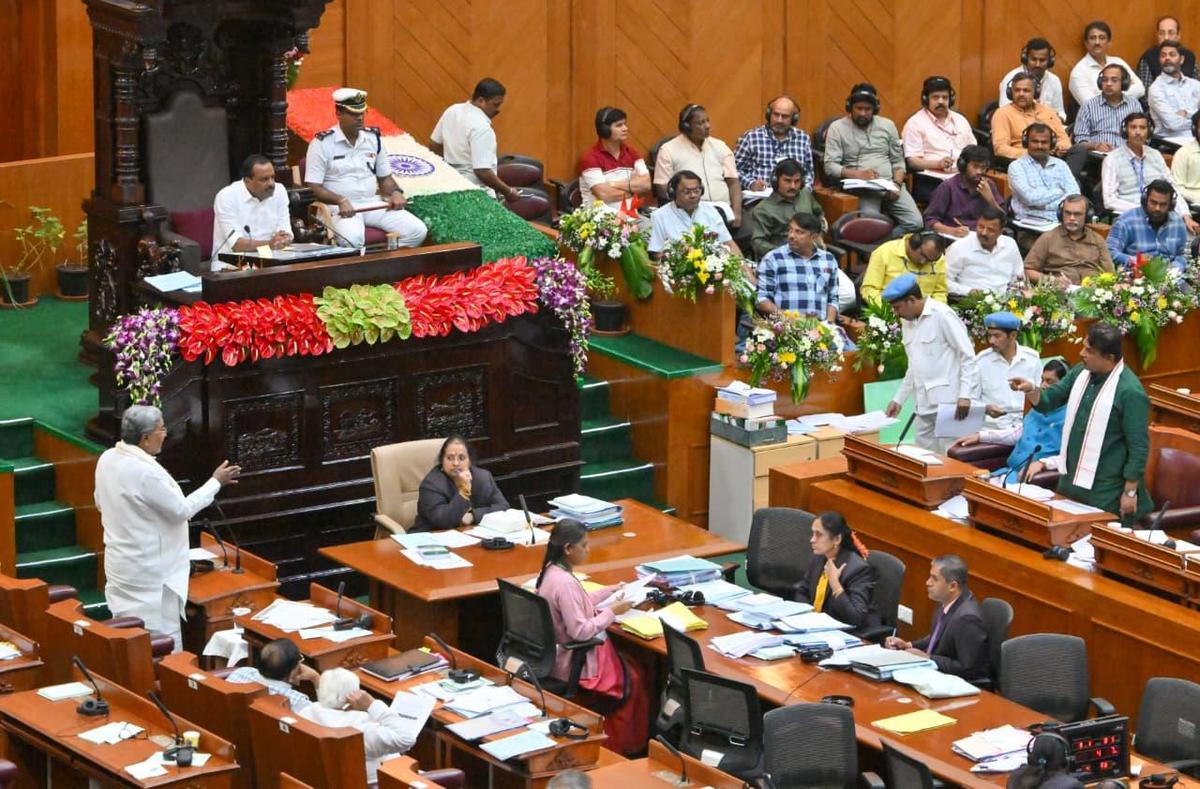
Conflict Over Timelines and Adequacy of Relief
One of the most contentious points was the question of timelines for disbursing assistance. Opposition members argued that bureaucratic procedures, including multiple verification steps and departmental approvals, have slowed down the delivery of relief. They warned that prolonged delays could lead to loss of confidence among farmers and further migration from rural areas. Lawmakers urged the government to simplify processes, introduce single-window systems, and delegate decision-making to district authorities to accelerate support. They stressed that speed is as important as accuracy in addressing the urgent needs of disaster-hit populations.
Government representatives countered by emphasising the importance of accuracy and transparency in relief distribution. They noted that hasty disbursal could result in errors, duplication of claims, and misallocation of funds. Officials highlighted that relief measures are being rolled out in phases, prioritising the worst-affected districts first, and that additional teams have been deployed to expedite verification. They also pointed out that coordination between revenue, agriculture, and disaster management departments is being strengthened to ensure smooth implementation. The government asserted that while delays are regrettable, careful planning is essential to maintain accountability.
Opposition members pressed the government on the adequacy of the compensation being offered. They argued that the amounts allocated often do not match the actual losses incurred, particularly for small and marginal farmers. Some lawmakers suggested that relief packages should account for input costs, lost income, and the long-term impact on agricultural productivity. They emphasised that without sufficient financial support, farmers may fall into debt traps, threatening their livelihoods and increasing rural distress. Government officials acknowledged these concerns and indicated that additional funds may be allocated based on ongoing assessments.
The debate also touched upon the role of insurance in mitigating losses. Opposition members argued that delays in insurance claims compound the hardship caused by natural disasters. They recommended closer coordination between insurance agencies and government authorities to ensure timely settlement. Lawmakers proposed joint assessment teams, pre-verified claims, and automatic triggers for compensation based on rainfall or crop damage data. They emphasised that integrating insurance and government relief schemes could significantly enhance the effectiveness of support provided to affected communities.
Community representatives attending the session highlighted the human cost of delayed assistance. Stories of families struggling to purchase seeds, pay off loans, or access basic necessities painted a vivid picture of the stakes involved. Lawmakers emphasised that disaster relief is not merely about financial support but also about sustaining livelihoods, preventing rural distress, and enabling communities to recover with dignity. Several members urged the government to prioritise communication with local populations to ensure awareness and prevent misinformation from spreading during crises.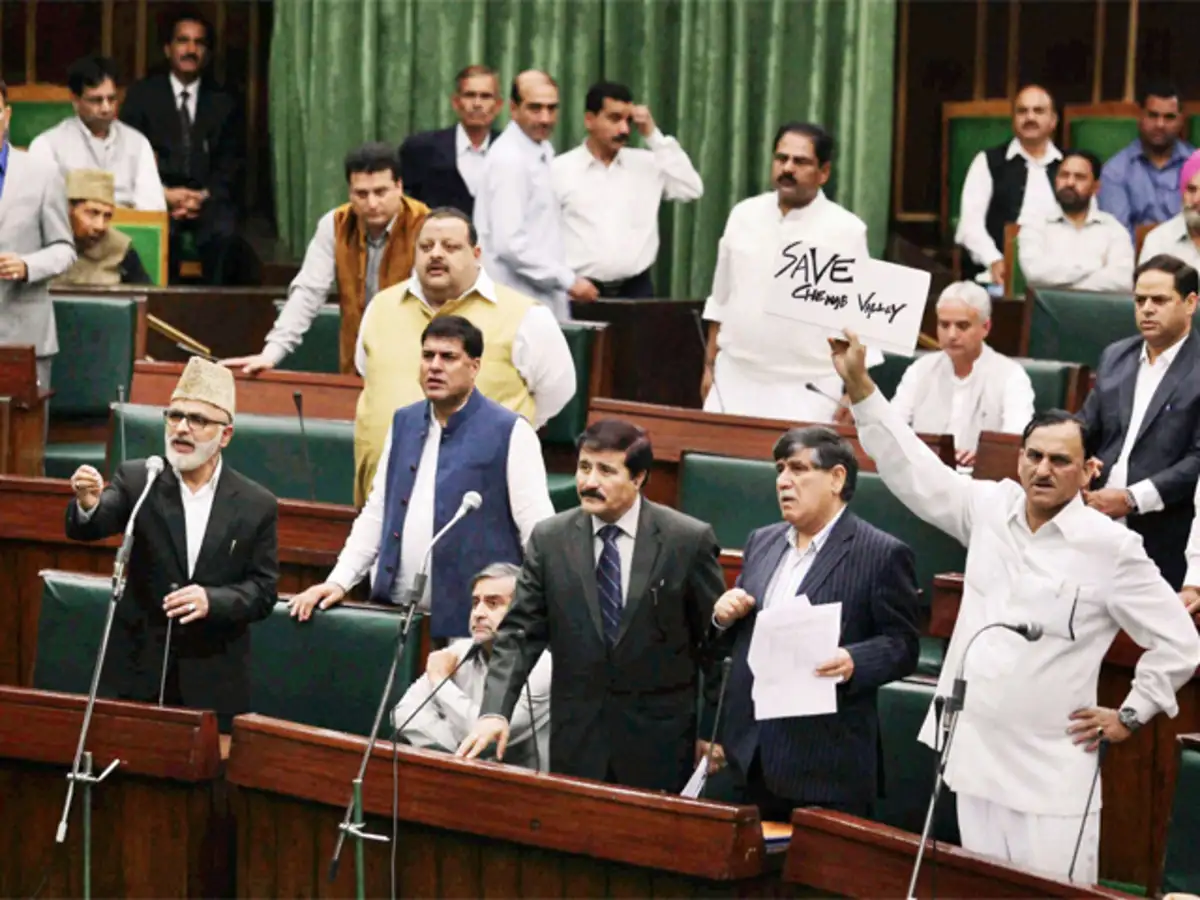
Calls for Long-Term Policy and Resilience Measures
Several members of the Assembly stressed the need for long-term solutions to mitigate the impact of floods and droughts. They recommended investments in irrigation infrastructure, water conservation projects, and better drainage systems in flood-prone areas. Lawmakers also highlighted the importance of early warning systems, weather monitoring, and training programs for farmers to adopt climate-resilient agricultural practices. The session reflected a consensus that while immediate relief is crucial, building resilience against future natural disasters is equally important.
Discussion turned to the role of local governance structures, including panchayats and district committees, in disaster management. Opposition members suggested empowering these bodies with decision-making authority and emergency funds to act quickly in the aftermath of disasters. They argued that decentralised governance can reduce delays and ensure that assistance reaches the most vulnerable populations efficiently. Government representatives acknowledged the need for stronger local coordination and indicated steps are being taken to involve grassroots bodies more effectively in relief distribution.
The Assembly also debated the transparency and monitoring of relief measures. Lawmakers urged the creation of publicly accessible dashboards or portals to track claims, disbursements, and administrative approvals. Such systems, they argued, would prevent corruption, duplication, and arbitrary allocation of funds. Government officials indicated that digital monitoring initiatives are being explored to improve accountability and allow citizens to track the status of their claims in real time. Transparency was highlighted as a key factor in rebuilding trust with affected communities.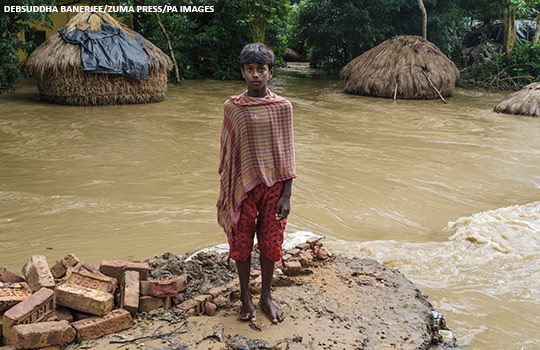
Lawmakers from both sides raised concerns about the psychological and social impact of natural disasters on farming communities. Delays in relief, compounded by repeated exposure to adverse weather events, have caused stress, anxiety, and migration from rural areas. The Assembly emphasised that timely assistance is essential not only for economic recovery but also for maintaining social stability. Proposals included counselling support, community engagement programs, and outreach campaigns to address the broader human impact of disasters.
The session concluded with a consensus on the need for stronger disaster management policies, faster disbursal of relief, and enhanced accountability. While differences remained on the specifics of implementation, lawmakers agreed that addressing the immediate needs of flood- and drought-affected populations must remain a priority. The debate highlighted the complex challenges of balancing speed, fairness, and transparency in disaster response, underscoring the importance of coordinated action by government agencies, local bodies, and community representatives to protect livelihoods and sustain agricultural productivity.
Follow: Karnataka Government
Also read: Home | Channel 6 Network – Latest News, Breaking Updates: Politics, Business, Tech & More
