
A Parliamentary Standing Committee on Education has begun preparing its recommendations to simplify the rules governing recognition and renewal for private schools across the country. The initiative comes after repeated concerns from school managements and parent groups about the cumbersome and opaque processes they currently face. According to panel members, the primary objective is to make the system more transparent and predictable while maintaining essential quality standards. Once finalised, the recommendations will be submitted to the Ministry of Education for examination and potential policy action that could reshape the administrative landscape for thousands of institutions.
Private schools have long voiced frustration over the layers of paperwork required to obtain mandatory clearances, including infrastructure certifications, staff qualifications, safety compliance and land-related documents. Many institutions argue that varying rules across states make compliance even more complex, especially when guidelines are frequently revised without detailed instructions. The committee is closely examining which parts of the current framework result in unnecessary duplication. Stakeholders have urged the panel to create a system that holds schools accountable without burdening them with procedural barriers that delay renewals and undermine daily operations.
During a series of consultations, the panel engaged with representatives from budget private schools that serve students from low and middle-income families. These schools highlighted how compliance procedures often demand resources they do not have, forcing administrators to devote time away from academic planning. Renewal delays, they noted, can affect fee collection cycles, restrict access to financial support and pause expansion plans. The committee has expressed agreement that smaller institutions may require differentiated compliance systems. Members believe that standards must be upheld, but through processes tailored to the size and nature of the school rather than a uniform and rigid structure.
Many state education departments require private schools to produce similar sets of documents for different agencies, resulting in overlapping verification processes. For example, fire safety audits, building stability certificates and sanitation reports are often demanded by municipal bodies, district authorities and education departments separately. These repetitive procedures increase administrative workload without adding meaningful value to safety or quality oversight. The committee is exploring ways to harmonise these requirements by encouraging better coordination between government departments. Policy specialists have suggested that a unified compliance portal could significantly reduce confusion, allowing schools to submit information once and track approvals seamlessly.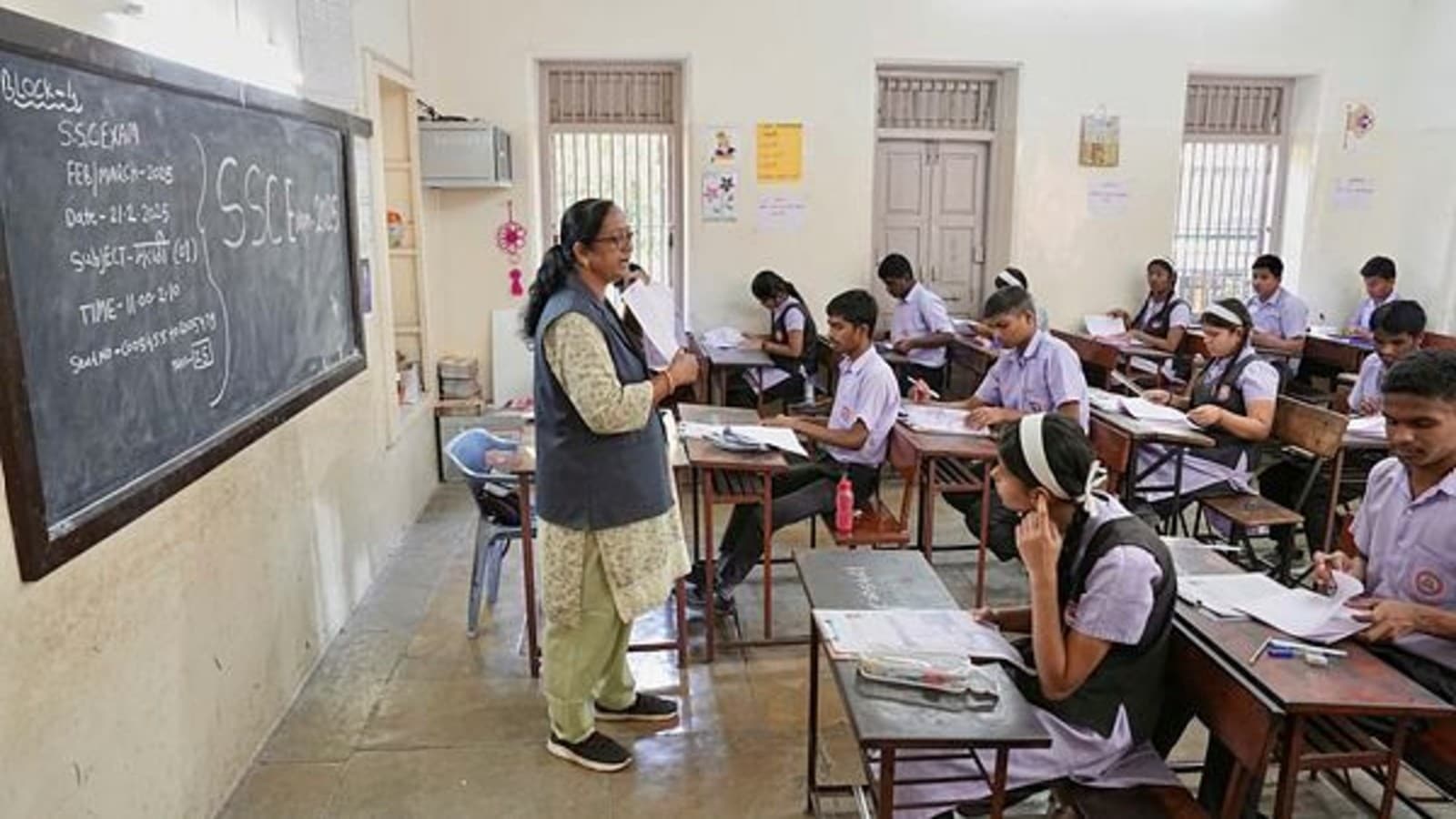
In several interactions, the committee also heard that outdated guidelines remain enforced in some states despite new national recommendations under the Right to Education framework. Schools have argued that this mismatch creates uncertainty, especially when different agencies interpret rules differently. Some institutions reported facing multiple inspections within the same year, each assessing the same facilities but using different criteria. The panel is expected to recommend clearer communication channels between central and state authorities to ensure consistency. Members have stated that the goal is not to reduce scrutiny but to make oversight purposeful, efficient and aligned with contemporary educational needs.
Cutting Through Bureaucratic Delays
A significant focus of the committee’s work is addressing the delays that schools face while waiting for recognition or renewal approvals. In some states, applications remain pending for months due to staff shortages, manual verification processes and unclear timelines within departments. Schools say such delays create uncertainty for parents, teachers and lenders, all of whom rely on timely approvals to plan ahead. The panel is assessing whether statutory deadlines should be introduced to ensure faster processing. This could include deemed approval provisions if authorities fail to respond within a fixed timeframe, a proposal already being tested in some sectors.
As part of its review, the committee is also examining safety-related provisions that schools must meet to receive recognition. While members agree that safety must remain a top priority, they also acknowledge that compliance mechanisms need refinement. Schools frequently report confusion over acceptable formats for safety certificates or discrepancies between local authorities’ interpretations of norms. For example, fire department officials in different districts may follow varying checklists. The panel may recommend standardised templates for essential certifications to reduce ambiguity and ensure that safety checks are meaningful and uniform across regions.
Experts invited by the committee have emphasised the importance of separating academic evaluations from administrative compliance. They argue that recognition should not hinge solely on infrastructural factors but also on learning outcomes and teacher development initiatives. Some have suggested the creation of periodic self-assessment modules that schools can complete online, followed by randomised audits to verify accuracy. Such mechanisms, proponents say, would reduce routine paperwork while maintaining oversight. The committee is considering these ideas, noting that a modernised system must balance trust, accountability and innovation in school governance.
Private school associations have also raised concerns regarding the cost of compliance. They note that schools, especially smaller ones, often spend significant amounts on repeated documentation, inspections and legal consultations. For institutions operating on low margins, these costs accumulate quickly and may affect investments in teaching resources or classroom improvements. The panel is expected to study the feasibility of clearer fee caps for inspections and certifications to prevent exploitative practices. Additionally, some members are exploring whether phased compliance options could be introduced for schools with limited financial capacity.

Towards a More Supportive Policy Framework
As discussions progress, the committee has been gathering feedback from parents, teachers and education activists to understand the broader impact of recognition norms on students’ learning experiences. Parents’ groups have noted that delayed renewals sometimes force schools into temporary shutdowns, causing disruptions in academic schedules. Teachers have highlighted that administrative stress trickles down to staff, affecting morale and professional development. The panel acknowledges these concerns and aims to propose reforms that place student welfare at the centre of regulatory design, ensuring that compliance processes do not interfere with educational continuity.
A recurring suggestion from stakeholders is the introduction of a single-window clearance system for private schools. Such a model would integrate multiple approvals—ranging from building safety to sanitation—under a unified administrative framework. Schools would be able to submit their documents digitally, track progress and respond to queries without navigating several agencies. States like Karnataka and Rajasthan have experimented with similar systems for other sectors, showing promising results in reducing delays. The committee is evaluating whether such a system can be adapted nationally for school recognition and renewal.
Teacher organisations have urged the committee to retain stringent standards for qualifications and professional development. They fear that excessive simplification could lead to the appointment of underqualified staff, affecting teaching quality. The panel has reassured them that any reforms will aim to maintain academic integrity. While procedural efficiency is a priority, the committee emphasises that core educational standards—such as teacher training, classroom infrastructure and student safety—will remain non-negotiable. Members believe that streamlining processes should strengthen accountability rather than weaken essential requirements.
Budget private schools have highlighted the need for flexibility in infrastructure norms, especially in urban areas where land availability and building regulations pose challenges. They argue that strict adherence to uniform campus size requirements may be impractical in densely populated cities. The panel is considering whether alternative compliance models, such as vertical infrastructure or shared community spaces, could be recognised as long as they meet safety standards. Such reforms would allow schools to operate effectively while adapting to local constraints.
The committee is also studying recommendations made during the National Education Policy consultations, many of which call for reducing administrative burdens on schools. Some educationists have noted that overregulation can stifle innovation, pushing schools to focus more on paperwork than pedagogy. They argue that simplifying recognition norms aligns with broader national goals of improving learning outcomes and supporting school autonomy. The panel hopes to integrate relevant NEP principles into its final report to ensure that reforms are future-ready and consistent with national priorities.
As the committee prepares its draft report, it continues to consult with state governments, many of which have developed independent systems for school recognition. States have shared insights on challenges they face, including manpower shortages and outdated digital systems. The panel believes that collaborative policymaking will be essential to ensure uniformity without undermining state autonomy. It expects to recommend capacity-building measures for state education departments, which would help streamline inspections and ensure timely processing of applications.
Once submitted, the committee’s recommendations are likely to open discussions within the Ministry of Education on potential amendments to existing rules. While any final policy decisions may take time, the panel’s proposals could mark a significant step towards reforming how private schools interact with regulatory authorities. With tens of thousands of schools depending on yearly approvals, stakeholders hope the upcoming reforms will reduce uncertainty, promote transparency and create an environment where schools can focus more on education and less on paperwork.
Once submitted, the committee’s recommendations are likely to open discussions within the Ministry of Education on potential amendments to existing rules. While any final policy decisions may take time, the panel’s proposals could mark a significant step towards reforming how private schools interact with regulatory authorities. With tens of thousands of schools depending on yearly approvals, stakeholders hope the upcoming reforms will reduce uncertainty, promote transparency and create an environment where schools can focus more on education and less on paperwork.
Follow: Karnataka Government
Also read: Home | Channel 6 Network – Latest News, Breaking Updates: Politics, Business, Tech & More
