
The establishment of an Artificial Intelligence Centre of Excellence for Healthcare at the Indian Institute of Science in Bengaluru marks a major milestone in India’s efforts to integrate advanced technology with public health outcomes. Envisioned as a hub for cutting-edge research, innovation, and collaboration, the centre is expected to play a pivotal role in developing AI-driven solutions that can address some of the most persistent challenges in healthcare delivery. With Bengaluru already recognised as a global technology capital, the initiative reinforces the city’s position at the intersection of science, medicine, and innovation.
The Centre of Excellence has been designed to bring together experts from diverse disciplines, including computer science, biomedical engineering, data science, clinical medicine, and public health. Officials associated with the initiative say the goal is to create a collaborative ecosystem where technology does not operate in isolation but is shaped by real-world medical needs. By embedding AI research within a healthcare context, the centre aims to ensure that innovations remain patient-centric, ethical, and clinically relevant.
Healthcare systems across India face complex challenges such as uneven access to care, shortage of skilled professionals, rising costs, and increasing burden of non-communicable diseases. The new centre seeks to address these issues by developing AI tools that can support early diagnosis, improve treatment planning, enhance disease surveillance, and optimise healthcare workflows. Researchers believe that such technologies have the potential to significantly reduce the gap between demand and capacity in the healthcare sector.
The initiative also reflects a growing recognition that AI is no longer a futuristic concept but an essential component of modern healthcare systems. From radiology and pathology to genomics and personalised medicine, AI applications are rapidly transforming how medical decisions are made. By institutionalising this focus within a premier research institution like IISc, the Centre of Excellence is expected to act as a catalyst for both innovation and responsible deployment.
For IISc, the centre aligns with its long-standing mission of advancing science and engineering for societal benefit. University leaders have emphasised that the initiative is not merely about technological sophistication but about creating solutions that are affordable, scalable, and accessible. In a country where healthcare disparities remain stark, this emphasis on inclusivity and impact is particularly significant.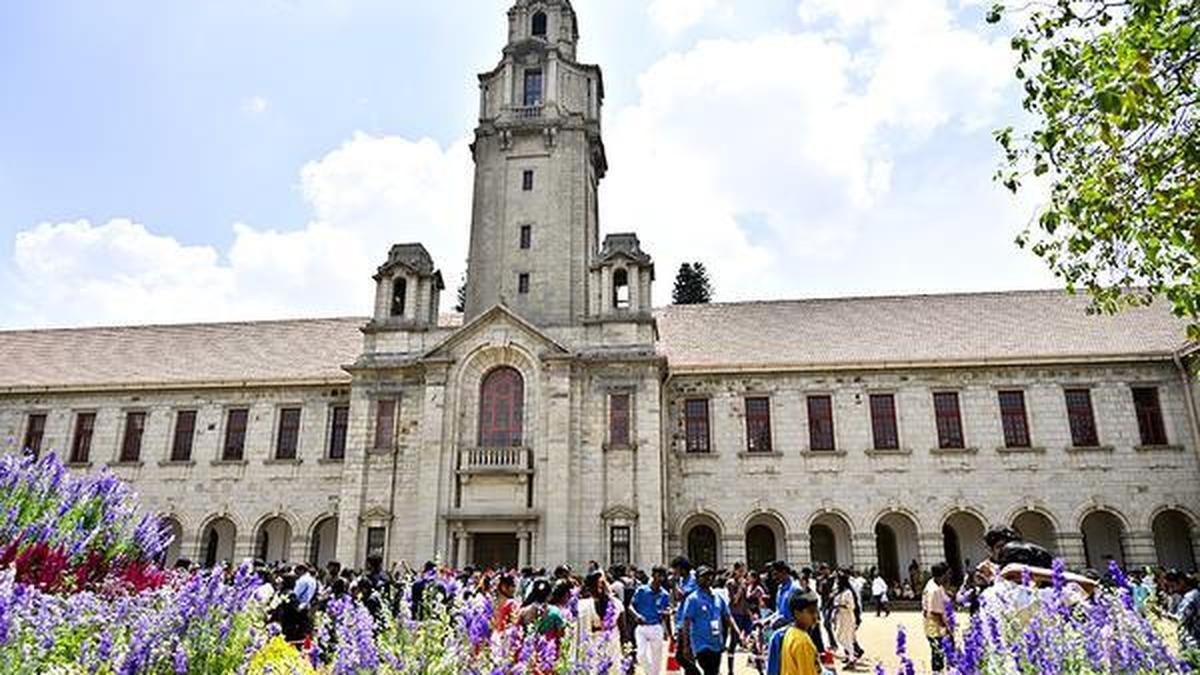
Building an Interdisciplinary Ecosystem for AI-Driven Healthcare
One of the defining features of the Centre of Excellence is its interdisciplinary structure. Unlike conventional research units that operate within narrow domains, the centre encourages sustained interaction between technologists and healthcare professionals. Clinicians are expected to play a key role in identifying problem statements, validating algorithms, and guiding translational research. This approach aims to bridge the gap that often exists between laboratory innovation and bedside application.
Research areas identified for focus include medical imaging analysis, predictive diagnostics, clinical decision support systems, hospital resource optimisation, and population health analytics. By leveraging large datasets and advanced machine learning techniques, researchers hope to build models that can detect diseases earlier, predict patient outcomes more accurately, and assist doctors in making informed decisions. Such tools are particularly valuable in settings where specialist expertise is limited.
Another priority area is the use of AI in managing chronic diseases such as diabetes, cardiovascular disorders, and cancer. These conditions require long-term monitoring and personalised care, placing immense strain on healthcare systems. AI-driven platforms developed at the centre could help track patient data over time, identify risk patterns, and recommend timely interventions. Experts argue that this could lead to better outcomes while reducing hospital admissions and treatment costs.
The centre is also expected to work on strengthening public health surveillance systems. AI models can analyse vast amounts of data from multiple sources to identify emerging health trends, predict disease outbreaks, and support policy planning. In a post-pandemic world, such capabilities are seen as critical for preparedness and rapid response. Researchers at IISc believe that integrating AI with public health data can significantly enhance the State’s ability to anticipate and manage health crises.
Ethics and data governance form another cornerstone of the centre’s agenda. As AI systems increasingly rely on sensitive health data, concerns around privacy, consent, and bias have become more pronounced. The Centre of Excellence aims to embed ethical considerations into every stage of research and development. This includes creating transparent algorithms, ensuring representative datasets, and adhering to strict data protection protocols.
Training and capacity building are also central to the initiative. The centre plans to offer specialised courses, workshops, and fellowships to train the next generation of researchers and practitioners in AI for healthcare. By nurturing talent that understands both technology and medicine, IISc hopes to create a skilled workforce capable of sustaining innovation beyond the campus.
Collaborations with hospitals, research institutions, and industry partners are expected to play a crucial role in the centre’s success. Such partnerships can provide access to real-world clinical data, facilitate pilot testing, and accelerate the translation of research into practice. Industry engagement, in particular, can help scale successful solutions and bring them to market, ensuring that innovations reach patients in a timely manner.
Implications for Healthcare, Policy, and Society
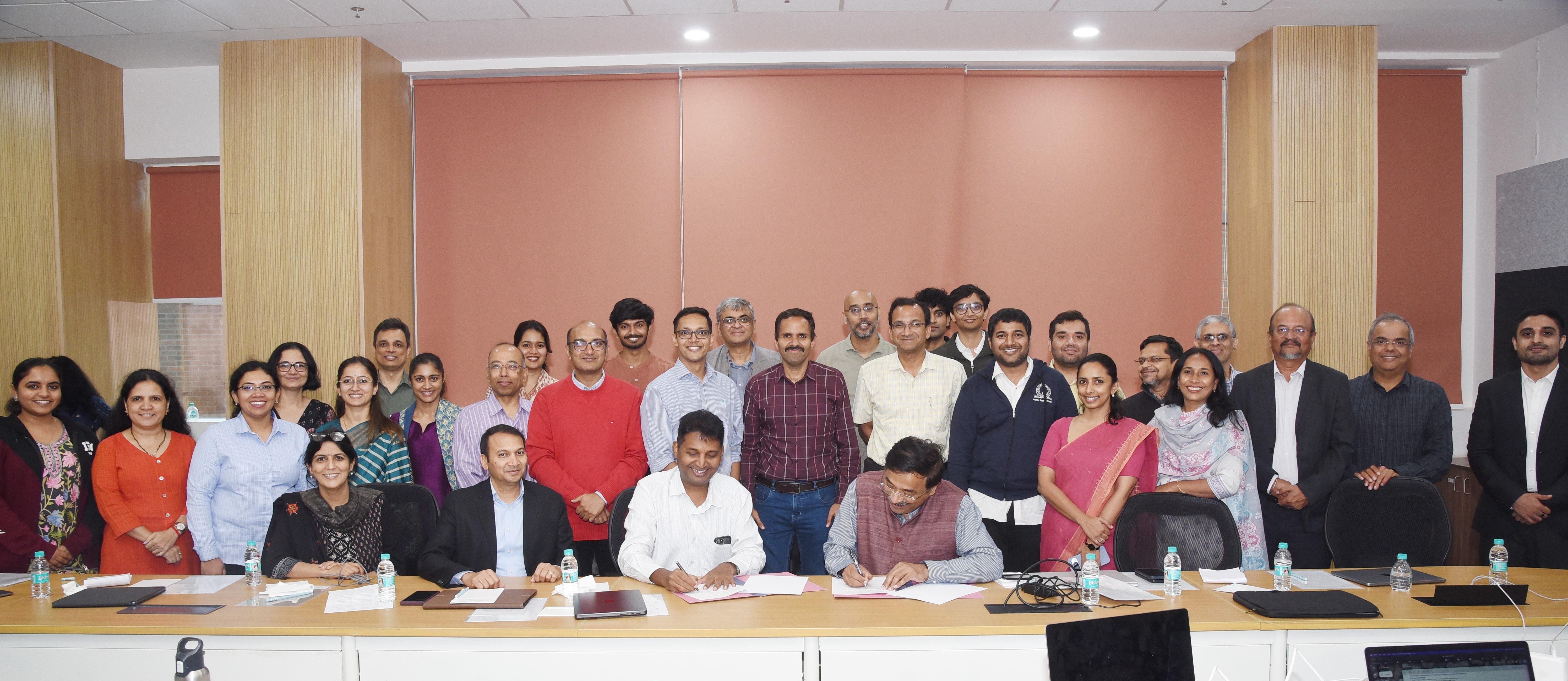
The establishment of the AI Centre of Excellence at IISc has broader implications for healthcare policy and governance. Policymakers view the initiative as an opportunity to align technological innovation with national health priorities. AI-driven tools developed at the centre could inform evidence-based policymaking by providing insights into disease patterns, healthcare utilisation, and resource allocation. This data-driven approach is increasingly seen as essential for efficient and equitable health systems.
For clinicians, the centre represents a shift toward augmented decision-making rather than automation. Doctors are not expected to be replaced by AI, but supported by tools that enhance accuracy and efficiency. By reducing routine workloads and providing decision support, AI systems can allow healthcare professionals to focus more on patient interaction and complex clinical judgment. This balance between technology and human expertise is a recurring theme in discussions around the centre.
Patients stand to benefit significantly from innovations emerging from the initiative. Early diagnosis, personalised treatment plans, and improved access to care can lead to better health outcomes and reduced financial burden. In rural and underserved areas, AI-enabled telemedicine platforms and diagnostic tools could help overcome geographical barriers and bring quality care closer to communities.
The centre also highlights Bengaluru’s growing role as a hub for health technology innovation. The city’s ecosystem of startups, research institutions, and hospitals provides fertile ground for experimentation and collaboration. By anchoring AI healthcare research at IISc, the initiative strengthens this ecosystem and positions Karnataka as a leader in health technology development.
Academic experts note that the centre could also influence curriculum design and research priorities across universities. As AI becomes integral to healthcare, interdisciplinary education will become increasingly important. The Centre of Excellence is likely to serve as a model for integrating AI into medical and engineering education, fostering a new generation of professionals fluent in both domains.
The initiative is also expected to attract global attention and collaboration. International research partnerships can bring diverse perspectives, advanced methodologies, and access to global datasets. Such collaborations can enhance the quality and relevance of research while positioning India as a contributor to global health innovation rather than merely a consumer of technology.
Challenges, however, remain. Translating AI research into clinical practice requires rigorous validation, regulatory approval, and acceptance by healthcare professionals. There is also the risk of technological solutions outpacing regulatory frameworks, creating gaps in oversight. Leaders associated with the centre have acknowledged these challenges and emphasised the need for continuous dialogue with regulators, clinicians, and the public.
Another concern is the digital divide that persists across regions and socio-economic groups. While AI tools hold promise, their benefits may not reach everyone equally unless accompanied by investments in digital infrastructure and literacy. The centre’s emphasis on scalability and affordability is therefore crucial in ensuring that innovations do not exacerbate existing inequalities.
As the Centre of Excellence begins its work, expectations are high. Success will be measured not only by academic publications or technological breakthroughs but by tangible improvements in healthcare delivery and outcomes. Stakeholders across sectors are watching closely to see how the initiative translates vision into impact.
In the long term, the AI Centre of Excellence for Healthcare at IISc represents a hopeful step toward reimagining healthcare in India. By harnessing the power of artificial intelligence with scientific rigour, ethical responsibility, and social purpose, the centre aspires to create solutions that are both innovative and humane. Its journey will likely shape the future of healthcare research and practice, offering a glimpse of how technology can be harnessed in service of life, dignity, and well-being.
In the long term, the AI Centre of Excellence for Healthcare at IISc represents a hopeful step toward reimagining healthcare in India. By harnessing the power of artificial intelligence with scientific rigour, ethical responsibility, and social purpose, the centre aspires to create solutions that are both innovative and humane. Its journey will likely shape the future of healthcare research and practice, offering a glimpse of how technology can be harnessed in service of life, dignity, and well-being.
Follow: Karnataka Government
Also read: Home | Channel 6 Network – Latest News, Breaking Updates: Politics, Business, Tech & More
