
The Aland Assembly constituency has been thrust into the political spotlight following revelations of alleged large-scale voter fraud, with a former BJP MLA and his son named as the prime accused. The development has triggered intense political debate, raised serious questions about the integrity of electoral processes, and deepened public anxiety over the misuse of power in democratic institutions. Investigating agencies have stated that the case involves systematic manipulation of voter data, allegedly aimed at influencing electoral outcomes, turning what might have appeared as isolated irregularities into a matter of grave public concern.
The case has also prompted renewed discussions on the need for electoral literacy among citizens. Experts argue that while administrative safeguards exist, voters must be better informed about how electoral rolls are prepared, revised, and challenged. Awareness about procedures for filing objections, seeking corrections, and tracking changes in voter lists can act as a deterrent to manipulation. In Aland, several residents have admitted that they were unaware of these mechanisms until the controversy brought them into focus, revealing a gap that authorities may now be compelled to address.
Legal analysts have pointed out that the progress of the case will depend heavily on the quality of digital and documentary evidence presented in court. With voter databases increasingly digitised, forensic examination of access logs, time stamps, and data modification trails will be critical. Establishing who accessed the system, under what authority, and for what purpose will determine whether the allegations stand judicial scrutiny. The outcome could set an important precedent for how future cases involving digital electoral data are investigated and prosecuted.
There is also growing pressure on the Election Commission to conduct a comprehensive audit of electoral rolls in sensitive constituencies. While officials maintain that existing processes are robust, the Aland episode has renewed demands for independent third-party audits and randomised verification exercises. Such measures, experts suggest, could strengthen institutional credibility and reassure voters that irregularities, if any, are promptly detected and corrected without political interference.
At the grassroots level, political engagement in Aland has taken on a cautious tone. Campaign meetings and public interactions are now accompanied by questions about transparency, ethics, and accountability. Candidates across party lines are being asked to clarify their stance on electoral reforms, reflecting a shift in voter priorities. Observers note that this heightened scrutiny may influence future elections, as voters increasingly link governance credibility with the integrity of the electoral process.
As investigations continue, the broader lesson emerging from the controversy is the fragility of public trust in democratic systems. Rebuilding that trust will require more than legal action alone; it will demand consistent institutional reforms, political responsibility, and active citizen participation. Whether the Aland voter fraud case results in convictions or acquittals, its impact on public consciousness is likely to endure, serving as a reminder that democracy must be continually protected from both overt and subtle threats
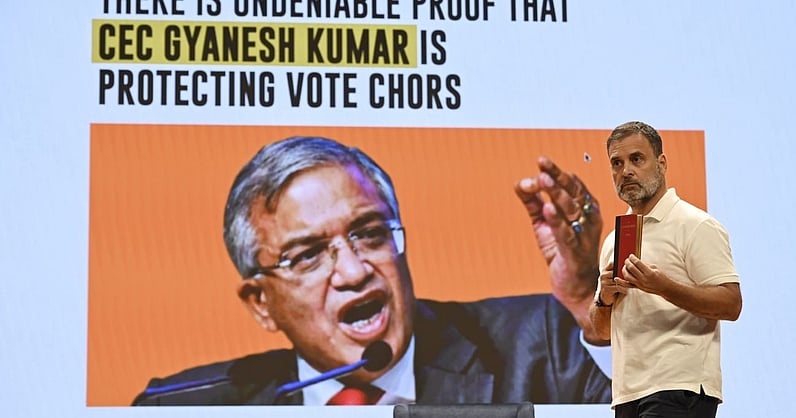
According to preliminary findings, the alleged fraud relates to the creation, alteration, and misuse of voter identities during recent electoral exercises in the constituency. Officials probing the matter claim that the scale of manipulation suggests coordinated planning rather than clerical error. The naming of a former legislator and his immediate family member has added a deeply emotive dimension to the case, as it touches on public trust placed in elected representatives and their moral responsibility to safeguard democratic values.
The controversy has revived memories of earlier complaints from voters in Aland, many of whom had reported discrepancies in electoral rolls, missing names, and unexpected changes in polling booth assignments. While such complaints are not uncommon during elections, the current investigation indicates that these anomalies may have been part of a deliberate strategy rather than administrative oversight. For residents of the constituency, the revelations have reinforced long-standing suspicions that their electoral voice may have been compromised.
Political observers note that the case has come at a sensitive time, with Karnataka witnessing heightened political activity and preparations for future elections. Allegations of voter fraud strike at the heart of democracy, making the issue far more consequential than routine political controversies. The involvement of a former MLA, once entrusted with legislative authority, has intensified demands for accountability and transparency from all political parties.
Allegations, Investigation, and the Expanding Scope of the Case
Investigators have indicated that the case emerged following a formal complaint lodged by local activists and rival political workers, who submitted documentary evidence pointing to irregular voter registrations. This prompted a detailed verification exercise by election officials, which allegedly uncovered patterns inconsistent with normal demographic changes. Duplicate voter IDs, questionable address entries, and sudden shifts in voter lists across specific polling stations reportedly raised red flags.
As the probe deepened, attention turned toward individuals with access to voter data and influence over local administrative processes. The former BJP MLA, along with his son, allegedly surfaced during this phase of the investigation. Officials claim that call records, digital trails, and witness statements suggest their involvement in coordinating or facilitating the alleged manipulation. While investigators have refrained from making definitive public assertions, they maintain that the evidence gathered so far justified naming them as prime accused.
The accused have denied all allegations, asserting that the case is politically motivated and aimed at tarnishing reputations ahead of crucial electoral contests. Their supporters argue that voter list discrepancies are a long-standing administrative issue and should not be selectively attributed to political figures without conclusive proof. The BJP leadership, while distancing itself from the individuals involved, has called for a fair and impartial investigation, stating that the law must take its course.
Legal experts point out that voter fraud cases are particularly complex, as they involve overlapping jurisdictions of election authorities, local administration, and law enforcement agencies. Establishing criminal intent requires clear evidence that discrepancies were deliberately engineered rather than arising from procedural lapses. The inclusion of a former legislator as an accused, however, elevates the seriousness of the case, potentially inviting scrutiny from higher judicial bodies.
Meanwhile, opposition parties have seized upon the developments to question the BJP’s commitment to democratic principles. Leaders from rival parties have staged protests, demanding immediate arrests, disqualification from political life, and a comprehensive audit of electoral rolls not just in Aland but across the State. They argue that the case may represent only the visible tip of a larger, more systemic problem.
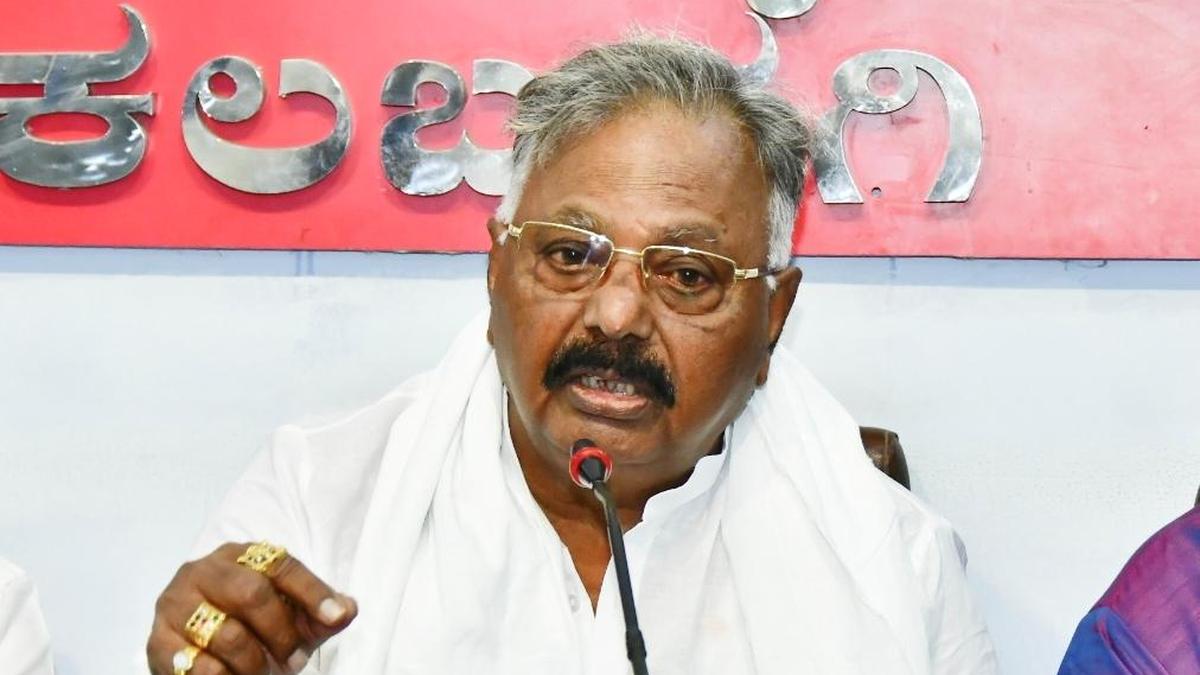
Election officials, for their part, have emphasised that safeguards exist within the electoral system to detect and rectify irregularities. They have reiterated that voter roll revisions involve multiple levels of verification, including public objections and corrections. However, the Aland case has exposed vulnerabilities that could be exploited if political influence intersects with administrative weaknesses, prompting calls for tighter oversight.
The investigation has also brought attention to the role of technology in electoral management. While digital databases and online applications have streamlined voter registration, experts warn that these systems are not immune to misuse. The alleged fraud underscores the need for stronger cybersecurity measures, regular audits, and accountability mechanisms to prevent unauthorised alterations.
Political Fallout and the Emotional Undercurrent Among Voters
Beyond the legal dimensions, the case has generated a profound emotional response among voters in Aland. Many residents have expressed feelings of betrayal, particularly those who have participated faithfully in elections over decades. For them, the possibility that electoral outcomes could be manipulated by powerful individuals strikes at the core of their democratic identity. Elderly voters, first-time voters, and marginalised communities have voiced fears that their participation may be rendered meaningless.
Civil society groups have stepped in to organise awareness drives, encouraging citizens to verify their voter details and report discrepancies. Activists argue that public vigilance is the strongest defence against electoral manipulation. They have called upon election authorities to conduct special camps in Aland to rebuild trust and ensure that every eligible voter is accurately represented.
The political fallout has extended beyond the constituency, affecting the broader discourse in Karnataka. The case has become a talking point in legislative debates, press conferences, and public rallies. Lawmakers across party lines have acknowledged that allegations of voter fraud, if left unaddressed, could erode faith in democratic institutions. Some have proposed legislative reforms to strengthen penalties for electoral offences and enhance the independence of election monitoring bodies.
Within the BJP, the developments have sparked internal discussions about candidate selection, ethical standards, and damage control. Party insiders suggest that leadership is keen to avoid being seen as shielding individuals accused of undermining democracy. At the same time, there is concern about the potential political cost if the allegations are perceived as indicative of broader organisational practices.
The opposition, meanwhile, has framed the case as evidence of moral decay in politics, urging voters to demand higher standards of accountability. They have promised to push for judicial oversight and independent inquiries if elected to power. While such rhetoric is expected in a charged political environment, analysts caution against prejudging the outcome of an ongoing investigation.
Media scrutiny has further amplified the issue, with detailed analyses of voter roll processes and past precedents. Comparisons have been drawn with earlier cases in other States, some of which led to convictions while others collapsed due to insufficient evidence. These examples highlight both the challenges and the importance of pursuing electoral integrity cases to their logical conclusion.
As the legal process unfolds, the focus remains on whether investigators can substantiate the allegations with robust evidence. The naming of a former MLA and his son as prime accused has undoubtedly raised the stakes, ensuring that the case will be closely watched by the judiciary, political parties, and the public alike.
Ultimately, the Aland voter fraud case represents more than a criminal investigation; it is a test of Karnataka’s democratic resilience. The outcome will influence not only the fate of the accused but also public confidence in the electoral system. For voters who believe that democracy is sustained by trust as much as by law, the hope is that truth, transparency, and accountability will prevail, restoring faith in the simple yet powerful act of casting a vote.
Follow: Karnataka Government
Also read: Home | Channel 6 Network – Latest News, Breaking Updates: Politics, Business, Tech & More
