
Bus fires have emerged as a persistent public safety concern in India, claiming 64 lives across the country since 2021, with Karnataka accounting for three separate incidents during this period. Authorities, safety experts, and transport officials have highlighted the urgency of implementing stricter safety protocols, upgrading vehicle infrastructure, and ensuring emergency preparedness to prevent further loss of life. The recent spate of incidents has raised questions about compliance with safety standards, maintenance practices, and regulatory oversight in both public and private transport sectors.
The incidents in Karnataka, coupled with similar tragedies nationwide, underscore the vulnerability of passengers in high-capacity buses, particularly those operating on long-distance or rural routes. Reports suggest that many of these fires result from electrical faults, fuel leakage, or mechanical failures, compounded by delayed emergency response and inadequate fire-safety equipment on board. Officials stress that preventive measures, regular inspections, and public awareness campaigns are critical to averting future tragedies.
Karnataka Incidents: Details and Immediate Response
In Karnataka, three bus fire incidents since 2021 have been documented, resulting in multiple fatalities and injuries. Each incident has highlighted gaps in safety compliance and emergency preparedness. For instance, in one case, an intercity bus caught fire in a remote area, trapping passengers due to malfunctioning emergency exits. Firefighters and local authorities managed to rescue several individuals, but fatalities were unavoidable due to the intensity and speed of the blaze.
Following each incident, state authorities launched investigations to identify the causes and assign responsibility. Transport officials emphasised the need for immediate corrective action, including stricter vehicle inspections, mandatory fire extinguishers, and regular maintenance checks. Local administrations have also been urged to improve emergency response infrastructure, including faster access to fire services along major highways and bus routes.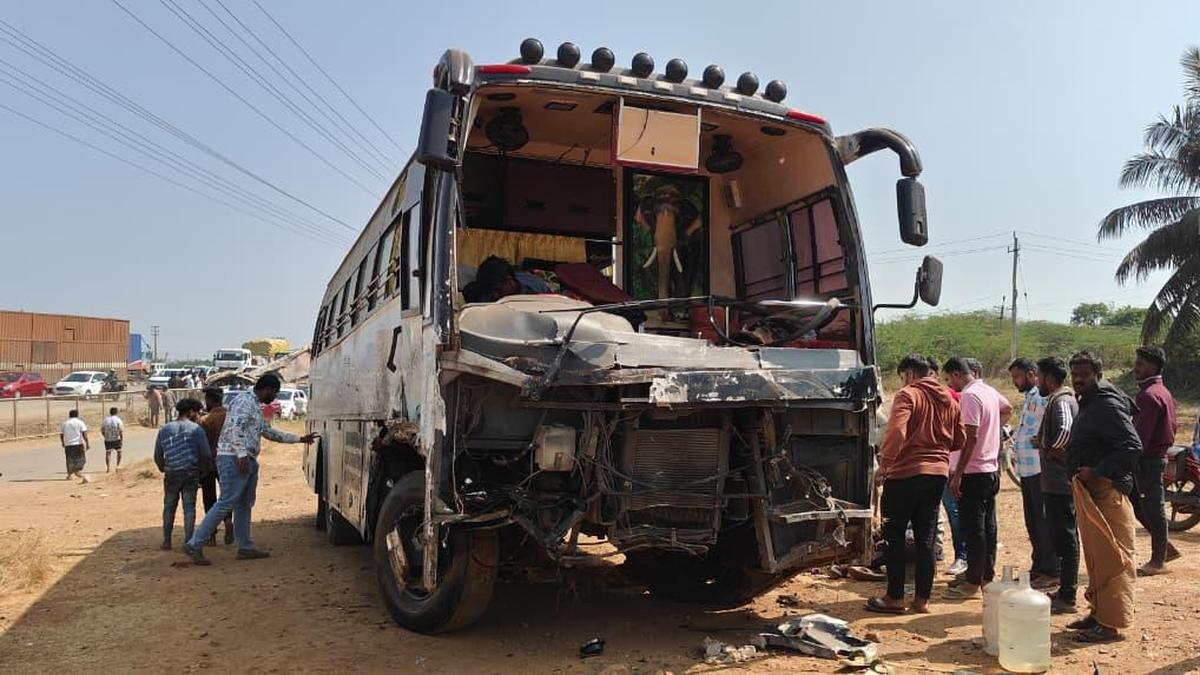
National Overview: Trends and Statistics
Across India, bus fires have been recorded in multiple states, with tragic outcomes. Between 2021 and 2025, 64 fatalities have been attributed to such incidents, highlighting the persistent risks faced by passengers. Certain states, particularly those with extensive rural networks and older bus fleets, have reported higher frequencies of fires. Electrical short-circuits, fuel tank ruptures, and engine malfunctions remain the primary causes cited by investigators.
Transport analysts have noted that older buses, insufficient maintenance, and overloading contribute significantly to the hazard. In some cases, operators failed to install or maintain mandatory fire-safety equipment, exacerbating the consequences when fires occurred. These trends have prompted calls for a national review of bus safety protocols, including stricter enforcement of the Motor Vehicles Act and adherence to safety standards for both private and public operators.
Insurance and Compensation Challenges
While government schemes provide compensation to victims and families affected by bus fires, officials admit that many claims face delays due to procedural bottlenecks. Families of the deceased often struggle to access timely financial support, while injured passengers may encounter challenges in covering medical expenses. Experts recommend streamlining insurance procedures, ensuring immediate relief for victims, and introducing standardized compensation guidelines that hold bus operators and insurers accountable. This approach could mitigate the socio-economic impact of such tragedies and provide relief to vulnerable households.
Training and Capacity Building for Bus Staff
Driver and staff training has emerged as a critical factor in preventing and managing bus fires. Authorities have highlighted the need for specialized training programs that educate drivers, conductors, and support staff on fire prevention, early detection, and emergency evacuation procedures. Simulation exercises, fire-drill workshops, and periodic refresher courses are being considered to enhance preparedness. Experts emphasise that human factors, including quick decision-making and passenger guidance during emergencies, can significantly reduce fatalities.
Urban-Rural Disparities in Safety Standards
Analysts point out that bus fire incidents disproportionately affect routes connecting rural and semi-urban areas, where older buses, irregular inspections, and limited emergency infrastructure are common. In contrast, metropolitan routes often feature newer fleets, better maintenance, and faster access to firefighting services. Addressing this disparity requires targeted investment in rural transport infrastructure, regular monitoring of private operators, and ensuring that even remote regions have access to timely emergency support.
Community Awareness and Passenger Responsibility
Community engagement is also a crucial element in reducing the impact of bus fires. Authorities have emphasised that passengers should be aware of emergency exits, fire extinguishers, and basic fire-safety practices. Awareness campaigns, instructional signage, and pre-departure briefings can enhance passenger readiness during emergencies. Experts argue that safety is a shared responsibility between operators, regulators, and passengers, and fostering a culture of vigilance can save lives.
Policy Reforms and Long-Term Safety Strategy
Long-term prevention of bus fires requires integrated policy reforms combining regulation, technology, and public awareness. Transport departments are considering mandatory adoption of fire-safety technology in all new buses, stricter penalties for safety violations, and regular independent audits of fleets. Additionally, a national-level monitoring system for bus safety incidents could help identify high-risk routes, assess operator compliance, and guide resource allocation. By institutionalising these measures, India can significantly reduce fatalities and set a benchmark for passenger safety in mass transport.
Safety Measures and Regulatory Gaps
Despite existing regulations, experts point out that enforcement remains inconsistent. Buses are required to carry fire extinguishers, maintain electrical and fuel systems, and ensure that emergency exits are functional. However, inspections are often irregular, and accountability for lapses is limited. Officials acknowledge that while safety guidelines exist, compliance monitoring is sporadic, particularly in smaller towns and rural areas.
Authorities have proposed measures such as mandatory fire-safety training for drivers, installation of fire suppression systems in new buses, and routine safety audits. However, implementation remains uneven, with financial and operational constraints cited as barriers. Transport unions and operators have raised concerns about additional costs, while safety experts argue that investment in preventive measures is far less costly than the human and societal toll of bus fires.
Emergency Response and Rescue Preparedness
Effective emergency response has emerged as a critical factor in mitigating fatalities during bus fires. In several Karnataka incidents, delays in reporting, difficult terrain, and lack of firefighting equipment contributed to higher casualties. State authorities have initiated programs to enhance preparedness, including pre-positioning fire units near major highways, training local volunteers, and equipping buses with emergency escape tools such as hammers and fire blankets.
Public safety campaigns have also been emphasised, encouraging passengers to remain alert, identify emergency exits, and report hazards promptly. Experts stress that a combination of preventive measures, rapid response, and passenger awareness can significantly reduce fatalities and injuries in future incidents.
Technological Solutions and Innovations
Recent advancements in bus safety technology have shown potential to prevent or contain fires. Smoke detectors, automatic fire suppression systems, and real-time monitoring of electrical and fuel systems can alert drivers and authorities to potential hazards before they escalate. Some transport operators in metropolitan regions have begun piloting such systems, but adoption remains limited in smaller towns and rural routes.
Analysts suggest that government incentives, subsidies, and regulatory mandates could accelerate the adoption of these technologies. Integrating IoT-enabled safety systems into buses would allow authorities to monitor fleets in real time, identify risks early, and dispatch emergency services promptly, potentially saving lives.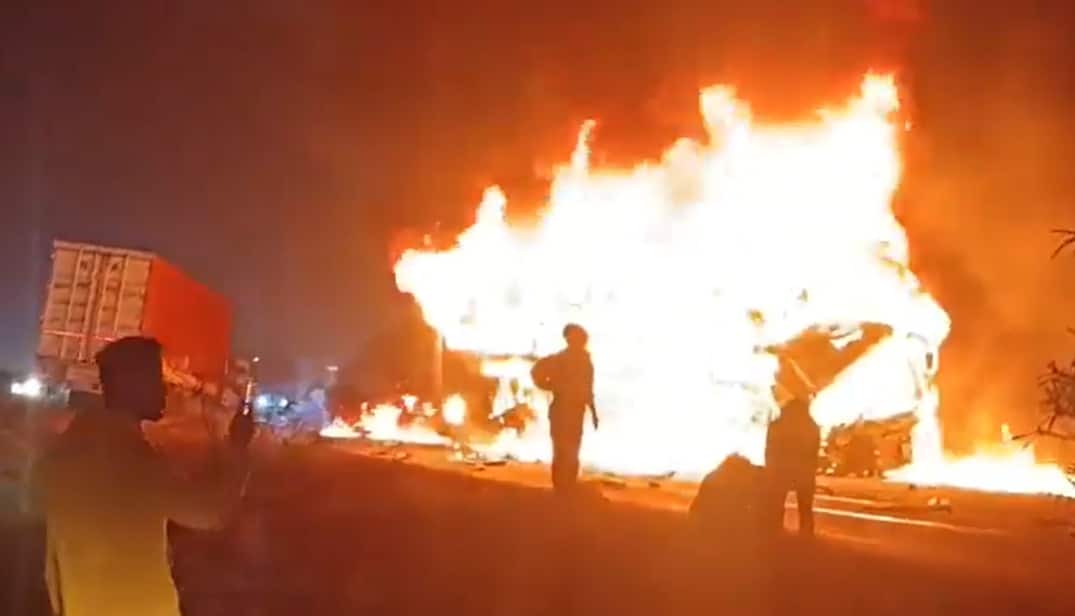
Public and Political Reaction
Public outrage following each bus fire incident has been significant, with demands for accountability and stricter safety enforcement. Families of victims have called for transparent investigations, compensation, and long-term reforms to prevent recurrence. Political parties have also highlighted the issue in state assemblies and parliamentary discussions, urging both state and central authorities to prioritise transport safety as a matter of public concern.
Civil society organisations have joined the dialogue, emphasising the importance of systemic reform rather than ad hoc responses. They advocate for independent safety audits, stringent licensing norms for bus operators, and better integration of emergency services along transport corridors. Public sentiment strongly favours proactive measures to protect passengers and ensure safer travel nationwide.
Socio-Economic Implications
Bus fires have broader socio-economic consequences beyond immediate casualties. Many victims belong to working-class communities, and fatalities or injuries often leave families financially vulnerable. Long-term disability resulting from burns or smoke inhalation further exacerbates economic hardships. Additionally, public trust in bus travel diminishes, affecting passenger volumes and livelihood opportunities for operators and ancillary service providers.
Insurance mechanisms and government compensation schemes have been implemented to some extent, but critics argue that they are often insufficient or delayed. Addressing the root causes of bus fires, including maintenance, safety equipment, and emergency preparedness, is essential to reducing both human and economic costs.
International Comparisons and Best Practices
Globally, countries with strong transport safety records have mandated comprehensive fire-safety standards for buses, including automatic suppression systems, regular inspections, and strict enforcement mechanisms. South Korea, Japan, and European nations have demonstrated that regulatory vigilance, technological investment, and public awareness campaigns significantly reduce the risk of bus fires.
Experts suggest that India could benefit from adopting similar practices, tailored to local conditions. Mandatory safety certifications, rigorous training for drivers, and integration of technology into fleet management could help prevent future tragedies. Karnataka and other states are exploring such approaches, though widespread implementation will require policy support, funding, and coordination among multiple agencies.
Future Outlook and Recommendations
The recurrence of bus fires nationwide highlights an urgent need for systemic reform. Authorities must prioritise regular inspections, enforce compliance with fire-safety norms, invest in emergency response infrastructure, and promote technological solutions to reduce risks. Passenger education, community engagement, and public reporting mechanisms can further strengthen safety culture.
For Karnataka, addressing the three documented incidents with concrete reforms could set a precedent for other states. By implementing robust preventive measures, ensuring accountability, and fostering coordination among operators, government departments, and emergency services, the state can significantly improve passenger safety and restore public confidence in bus travel.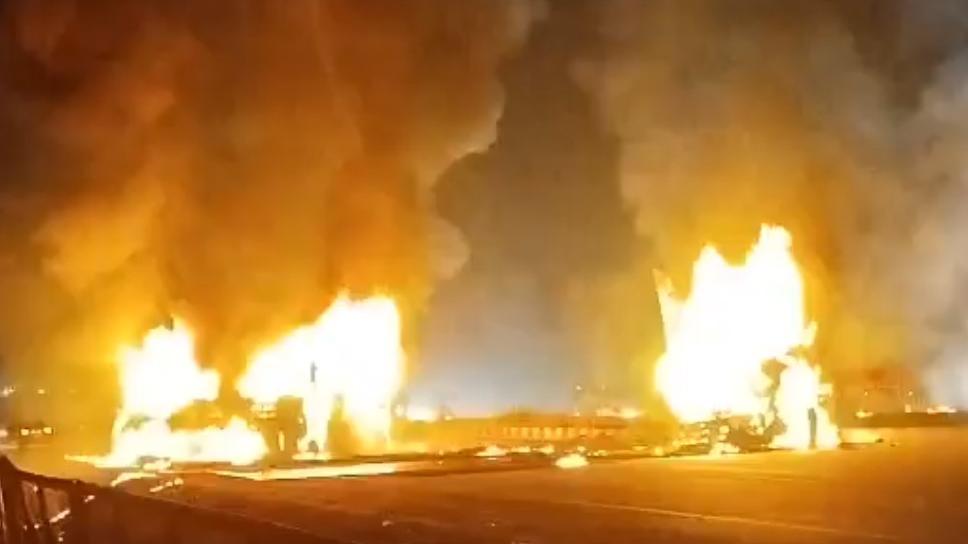
In conclusion, while bus fires continue to claim lives and raise concerns across India, a combination of stringent regulation, technological innovation, proactive emergency preparedness, and public awareness has the potential to curb the frequency and severity of such tragedies. By prioritising passenger safety and accountability, Karnataka and other states can turn lessons from past incidents into actionable reforms, ultimately saving lives and strengthening the nation’s transport infrastructure.
Follow: Karnataka Government
Also read: Home | Channel 6 Network – Latest News, Breaking Updates: Politics, Business, Tech & More
