
The State Sugarcane Cultivators Association (SSCA) has issued a stern warning to farmers and the general public regarding a circulating fake donation drive allegedly claiming to support sugarcane cultivators in distress. The association stated that several fraudulent entities have been soliciting donations under the guise of helping struggling farmers, particularly those affected by erratic weather, pest infestations, and market fluctuations. Authorities and experts have urged the public to exercise caution and verify the legitimacy of donation appeals before contributing.
In an official statement, SSCA President emphasised that the association has not authorised any external fundraising campaign and that only officially sanctioned channels should be used for donations or assistance programs. “We have received multiple reports from members and concerned citizens about unsolicited messages, emails, and social media posts asking for contributions. These are completely fraudulent, and we urge everyone not to engage or share personal and financial information with such entities,” the statement read.
The warning comes at a time when sugarcane farmers are grappling with delayed payments from mills, rising input costs, and the uncertainty of Minimum Support Price (MSP) implementation. Criminal elements are reportedly exploiting the vulnerabilities of the farming community and the public’s goodwill by circulating fake fundraising initiatives. Experts have highlighted the need for increased awareness and verification mechanisms to prevent financial exploitation.
The SSCA has also announced plans to launch a dedicated helpline and WhatsApp support service to assist farmers in reporting suspicious donation requests. This service will provide immediate guidance, verify claims, and connect farmers with law enforcement and verified assistance programs, ensuring timely intervention against fraudulent activities.
Authorities stressed that media plays a crucial role in curbing scams by spreading awareness and alerting the public. Local newspapers, radio stations, and television channels have been urged to highlight the warning, educate viewers, and broadcast official announcements from the association to prevent misinformation from spreading.
In parallel, the SSCA is working with agricultural extension officers to distribute informational pamphlets in villages, detailing safe practices for donations and official channels for support. These printed materials aim to reach farmers with limited internet access and ensure that even remote communities are protected from potential scams.
Financial institutions, including banks and cooperative societies, have been called upon to verify donation requests and educate farmers on recognising legitimate initiatives. Training sessions for bank staff are being organised to enable them to guide farmers effectively and prevent fraudulent transfers or misuse of funds.
The association also emphasised that collaboration with government agencies is essential for long-term protection. Coordination with the Department of Agriculture, the State Cyber Crime Cell, and local authorities will help monitor suspicious activity, take legal action against offenders, and ensure that assistance reaches only verified beneficiaries.
Finally, the SSCA reaffirmed its commitment to safeguarding the sugarcane community. By combining vigilance, awareness campaigns, legal enforcement, and community support, the association aims to create a secure environment where farmers can focus on cultivation and livelihood without fear of being exploited by fraudulent donation schemes.
Fraud Detection and Public Awareness Measures
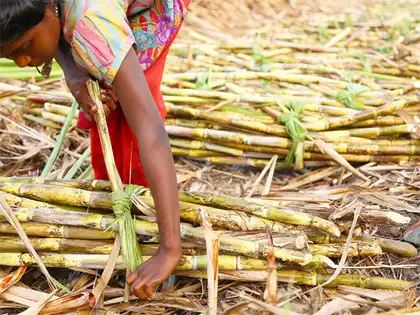
The SSCA has advised farmers and citizens to confirm any donation campaigns by contacting the association directly or checking the official website and social media channels. Authorities are also working with local law enforcement agencies to track and take action against fraudulent operators. Social media platforms and messaging services have been identified as primary channels for spreading these fake drives, prompting calls for stricter monitoring and reporting mechanisms.
Officials stressed the importance of vigilance, particularly for older farmers who may be more susceptible to online scams. They recommended that any suspicious messages, emails, or calls requesting donations be reported to both the association and the local police. Community meetings are being organised in major sugarcane-growing districts to educate farmers on identifying fraud, verifying legitimate schemes, and protecting personal and financial information.
The SSCA also clarified that legitimate assistance programs, including government relief schemes, bank loans, and officially sanctioned fundraising drives, are communicated through verified channels and regional offices. Farmers are urged to cross-check the authenticity of any initiative before making financial contributions. The association has circulated helpline numbers and official contact points for farmers seeking clarification or reporting suspicious activity.
Industry experts have noted that fraudulent donation drives are a growing problem across India, especially in sectors involving vulnerable communities. In the sugarcane sector, the complexity of crop cycles, delayed mill payments, and financial pressures make farmers particularly susceptible to exploitation. Analysts emphasised that awareness campaigns, prompt reporting, and law enforcement intervention are critical to preventing such scams.
Local authorities have also urged citizens who wish to support farmers to do so through credible NGOs, verified cooperatives, or government-endorsed schemes. They stressed that indiscriminate contributions to unverified sources can lead to financial loss and undermine genuine efforts to support agricultural communities.
The association has pledged to continue monitoring the situation closely and work with government departments, financial institutions, and digital platforms to prevent fraudulent activities. Educational campaigns through local media, radio, and community gatherings are expected to strengthen farmers’ ability to identify scams and protect themselves from exploitation.
State Sugarcane Cultivators Association (SSCA)
With the sugarcane industry being a significant contributor to the state economy, authorities emphasised the need to safeguard farmers from fraudulent schemes. The SSCA has requested the public to remain alert, report suspicious activities, and support farmers through legitimate channels to ensure that aid reaches those genuinely in need.
The alert issued by the State Sugarcane Cultivators Association highlights a growing concern about the intersection of agriculture, digital fraud, and community welfare. By raising awareness and encouraging verification, the association aims to prevent financial exploitation and protect the interests of sugarcane farmers across the state.
Authorities have stressed that the fake donation drives are not only targeting farmers but also attempting to exploit urban citizens sympathetic to the plight of the agricultural community. Fraudsters often use emotional appeals, doctored images of distressed farmers, and fake testimonials to create a sense of urgency and encourage immediate financial contributions. Experts warn that such tactics can easily mislead well-meaning donors.
The SSCA has highlighted several red flags that can help identify fraudulent campaigns. These include requests for direct bank transfers to personal accounts, lack of official documentation or registration, pressure to donate quickly, and unverifiable contact information. Farmers and donors are encouraged to check for official registration numbers, approvals, and verification from recognised authorities before contributing.
Local police departments have launched investigations into reported instances of these scams. In some cases, fake websites and social media pages have been traced to individuals operating outside the state. Law enforcement officials are coordinating with cybercrime units to track the origins of these fraudulent activities and take legal action against the perpetrators.
Community leaders and cooperatives have been urged to disseminate the warning widely among farming communities. Village meetings, local agricultural offices, and cooperative societies are being used as platforms to educate farmers on safe practices when approached for donations or assistance. The SSCA has called on these groups to act as first responders in alerting authorities to suspicious activities.
Financial literacy workshops are also being organised as part of the awareness drive. These sessions aim to equip farmers with basic knowledge of banking transactions, digital payments, and online safety. By improving financial literacy, the association hopes to reduce farmers’ vulnerability to scams and empower them to make informed decisions regarding financial contributions and fundraising appeals.
Experts have noted that fraudulent donation drives often spike during periods of crisis or heightened public attention on agriculture, such as after floods, droughts, or announcements of delayed payments from mills. In response, the SSCA is establishing a rapid-response communication system to alert farmers and the public immediately whenever such scams are detected.
The association is also exploring partnerships with tech platforms to enhance verification mechanisms. Social media companies and messaging services are being approached to implement stricter monitoring and takedown procedures for fraudulent campaigns. These measures aim to limit the reach of scammers and prevent the dissemination of misleading information.
Farmers themselves have been encouraged to verify all assistance programs, government schemes, and donation initiatives through official channels before participating. The SSCA is maintaining an updated list of verified programs and relief initiatives on its website and through regional offices, ensuring that members can access accurate information without relying on hearsay or unverified sources.
In addition to financial safeguards, the association has emphasised the need for psychological preparedness. Farmers who fall victim to fraud often experience stress and anxiety, which can affect their productivity and well-being. Counselling and support services are being offered to help victims recover and regain confidence in participating in legitimate initiatives in the future.
Finally, the SSCA has reiterated that the fight against fraudulent donation drives requires a coordinated effort from all stakeholders – farmers, the public, law enforcement, and financial institutions. By raising awareness, implementing verification mechanisms, and strengthening community networks, the association aims to protect the interests of sugarcane cultivators while ensuring that genuine assistance programs can operate effectively and reach those in need.
Follow: Karnataka Government
Also read: Home | Channel 6 Network – Latest News, Breaking Updates: Politics, Business, Tech & More
