
Adivasi communities living in and around the Nagarahole forest landscape are set to commence a 15-day padayatra to raise awareness about the Forest Rights Act and assert their long-pending claims over land, livelihood and cultural rights. The march, which will pass through forest villages, taluk headquarters and district centres, is being organised by tribal collectives, rights groups and community elders who say that implementation of the law remains deeply inadequate even years after it came into force. For the participants, the padayatra is not merely a protest but a collective assertion of identity, dignity and historical justice.
Organisers say the decision to undertake a prolonged foot march emerged from growing frustration among Adivasi families over delays in recognition of individual and community forest rights. Many claim that applications filed under the Forest Rights Act have either been rejected without proper reasons or remain pending for years. Elders of the community point out that while the law recognises their historical dependence on forests, administrative processes continue to view them as encroachers rather than rightful custodians. The padayatra aims to bring these concerns into public focus through dialogue, cultural expression and peaceful mobilisation.
Nagarahole, one of the most ecologically sensitive forest regions in the country, is also home to several indigenous communities such as the Jenu Kuruba, Betta Kuruba and Yerava. These communities have lived in close relationship with the forest for generations, relying on it for food, medicine, livelihoods and spiritual practices. Participants in the march argue that conservation policies have increasingly restricted their access to forest resources without providing sustainable alternatives. They say the Forest Rights Act was meant to correct historical injustices, but its promise remains unfulfilled on the ground.
Community leaders involved in the padayatra emphasise that awareness remains a major challenge. Many forest-dwelling families, they say, are still unaware of the full scope of rights guaranteed under the Act, including rights over minor forest produce, community forest resource management and protection against forced eviction. The march will include public meetings in villages along the route, where volunteers will explain provisions of the law in local languages. Folk songs, storytelling and traditional rituals will be used to communicate legal rights in culturally resonant ways.
The padayatra is also intended to serve as a platform for intergenerational dialogue within the community. Younger participants say they are joining the march to reconnect with their heritage and understand the struggles of their elders. Many youth expressed concern that displacement, wage labour and migration are weakening traditional knowledge systems. By walking together through ancestral landscapes, they hope to reaffirm their bond with the forest and strengthen collective resolve to protect it. Organisers believe this shared experience will foster unity and long-term engagement with rights-based advocacy.
Assertion of Rights Amid Conservation Tensions
The Forest Rights Act was enacted to recognise and vest forest rights in forest-dwelling Scheduled Tribes and other traditional forest dwellers who have been residing in such areas for generations. However, Adivasi groups in Nagarahole argue that implementation has been uneven and often influenced by competing conservation priorities. They say that wildlife protection measures have frequently taken precedence over human rights, leading to relocations and restrictions without meaningful consultation. The padayatra seeks to highlight the need for a more balanced approach that recognises indigenous communities as partners in conservation rather than obstacles.
Participants allege that claims under the Act are often rejected on technical grounds, such as lack of documentary evidence, despite the law allowing for oral testimony and community verification. Many elders point out that expecting written records from communities that were historically excluded from formal systems is unreasonable. The march will document such cases through testimonies, which organisers plan to compile and submit to district authorities. They hope this exercise will demonstrate systemic gaps in the claims process and push for more inclusive verification mechanisms.
Another key demand of the padayatra is recognition of community forest resource rights. Activists argue that while individual land titles are important, collective rights over forest management are crucial for sustaining livelihoods and ecosystems. In Nagarahole, community members say they have been excluded from decision-making related to forest management, despite possessing generations of ecological knowledge. The march will call for gram sabhas to be empowered to manage forest resources in accordance with the law, ensuring both conservation and community welfare.
The issue of displacement remains central to the concerns raised by the marchers. Several families recount past relocations from core forest areas, which they say were carried out without adequate rehabilitation. Many relocated households continue to struggle with lack of land, housing and employment. Organisers of the padayatra stress that relocation should be voluntary, informed and accompanied by full recognition of rights. They argue that forced displacement not only violates legal provisions but also fractures social networks and cultural practices tied to specific landscapes.
Environmental scholars observing the mobilisation note that the padayatra reflects a broader national pattern of indigenous communities asserting rights within protected areas. They point out that international conservation discourse increasingly recognises the role of indigenous peoples in safeguarding biodiversity. The marchers echo this perspective, asserting that their traditional practices have sustained forests long before formal conservation laws existed. By foregrounding this narrative, they hope to challenge the perception that human presence is inherently harmful to wildlife habitats.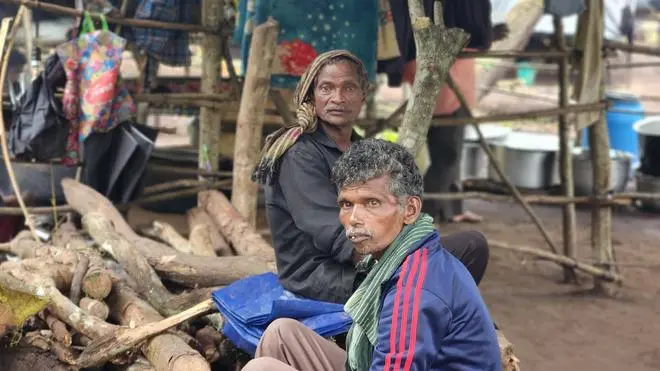
Building Solidarity and Seeking Accountability
Beyond legal demands, the padayatra is also a call for dignity and recognition. Many participants speak of everyday discrimination faced by Adivasi communities, including limited access to education, healthcare and public services. They say that lack of land rights perpetuates economic vulnerability, forcing families into exploitative labour arrangements. By walking collectively through towns and villages, they aim to make their presence visible and remind society of their continued marginalisation. Organisers believe visibility is a powerful tool in challenging entrenched stereotypes.
The march is expected to draw support from civil society organisations, student groups and environmental activists. Several solidarity meetings are planned along the route, where non-Adivasi supporters will be invited to engage with community narratives. Organisers say such interactions are crucial for building broader alliances and countering misinformation about the Forest Rights Act. They hope that wider public understanding will pressure authorities to act more decisively on pending claims and grievances.
The commencement of the padayatra marks a significant moment for Adivasi communities in Nagarahole. It reflects both enduring grievances and renewed determination to assert rights guaranteed by law. As the marchers set out on foot, carrying memories, hopes and demands, they bring into focus a fundamental question confronting modern conservation and governance. Can the rights of indigenous communities and the protection of forests coexist in a truly equitable manner. For the marchers, the answer lies in recognition, respect and the faithful implementation of the Forest Rights Act.
Women are expected to play a prominent role in the padayatra, reflecting their central place in forest-based livelihoods. Many women participants say they are joining the march to assert rights over minor forest produce, which forms a significant part of household income. They also highlight how restrictions on forest access disproportionately affect women, who bear responsibility for food, fuel and care work. The padayatra will include women-led discussions on gendered dimensions of forest rights, emphasising the need for inclusive implementation.
At the administrative level, march organisers plan to submit memoranda to local and district officials outlining their demands. These include time-bound processing of pending claims, review of rejected applications, recognition of community forest rights and protection against eviction. They also seek regular consultations between forest departments and gram sabhas. While authorities have acknowledged receipt of earlier representations, community leaders say follow-up has been minimal. The padayatra is intended to renew pressure and demand accountability through sustained, peaceful action.
Cultural expression will be a defining feature of the march. Traditional songs, dances and symbols will accompany the walkers, transforming the padayatra into a moving cultural festival. Elders say this is a way of asserting identity and resilience in the face of historical erasure. For many participants, the act of walking through their ancestral regions while publicly celebrating their culture is itself an assertion of rights. It challenges narratives that reduce Adivasi presence to a legal or administrative issue, highlighting its deep cultural and emotional dimensions.
As the padayatra unfolds over 15 days, organisers hope it will leave a lasting impact beyond immediate policy outcomes. They envision it as a process of community education, leadership development and collective healing. By sharing stories of struggle and survival, participants aim to strengthen internal solidarity and inspire future generations to continue the fight for justice. Whether or not immediate concessions are secured, the march is seen as an essential step in reclaiming agency.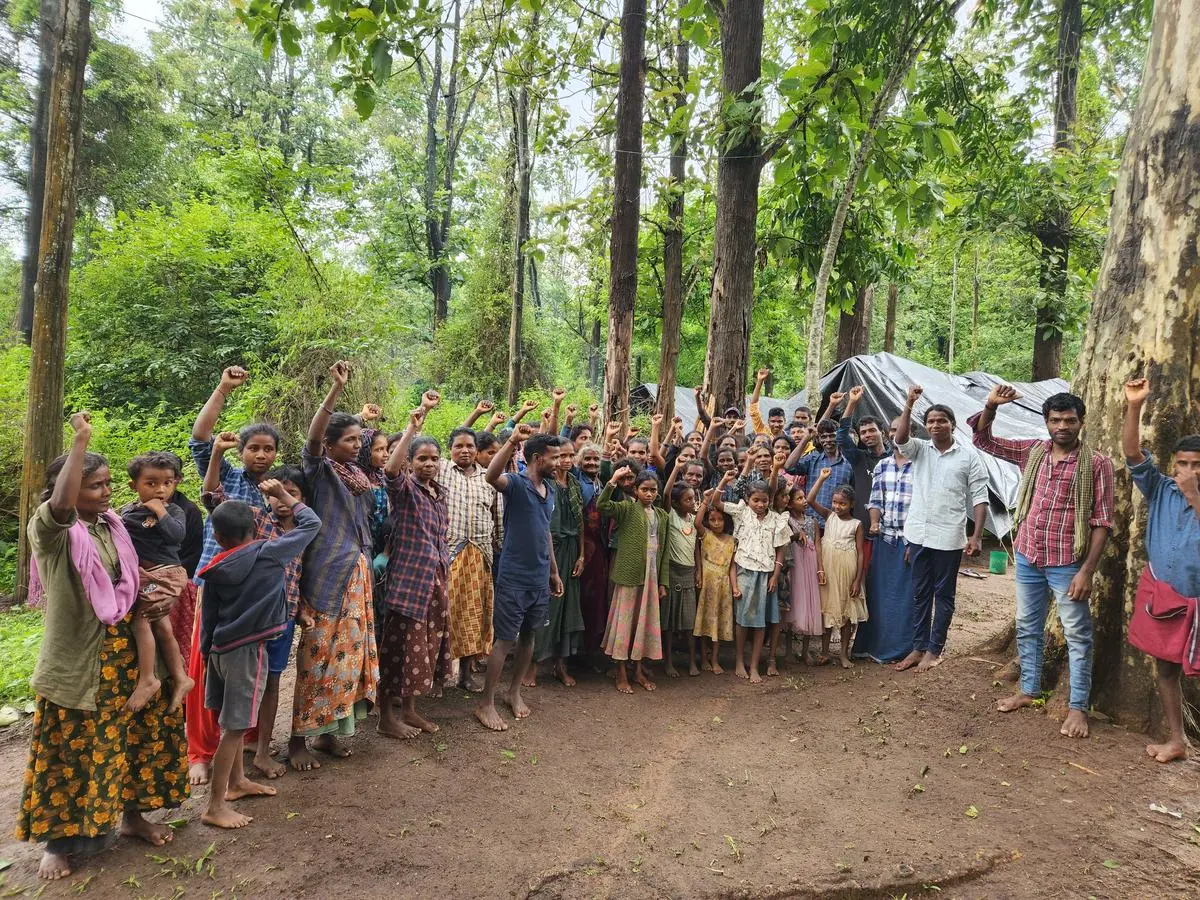
The commencement of the padayatra marks a significant moment for Adivasi communities in Nagarahole. It reflects both enduring grievances and renewed determination to assert rights guaranteed by law. As the marchers set out on foot, carrying memories, hopes and demands, they bring into focus a fundamental question confronting modern conservation and governance. Can the rights of indigenous communities and the protection of forests coexist in a truly equitable manner. For the marchers, the answer lies in recognition, respect and the faithful implementation of the Forest Rights Act.
Follow: Karnataka Government
Also read: Home | Channel 6 Network – Latest News, Breaking Updates: Politics, Business, Tech & More
