
The Legislative Assembly on Tuesday passed the Hate Speech Regulation Bill amid intense debate, vocal protests and a dramatic walkout by the Opposition BJP, which demanded that the proposed law be referred to a House panel for wider consultation. The Bill, introduced by the ruling government as a measure to curb inflammatory speech and protect social harmony, was cleared by a voice vote after repeated disruptions. The Opposition alleged that the legislation was rushed without adequate discussion and warned that it could be misused to curb free speech and target political dissent. The government, however, defended the Bill as a necessary response to rising instances of divisive and inflammatory public discourse.
From the moment the Bill was taken up for consideration, the atmosphere inside the Assembly was charged. BJP members insisted that the proposed law raised serious constitutional concerns and required scrutiny by a select committee. As the debate progressed, slogans were raised from the Opposition benches, accusing the government of attempting to silence critics. Despite appeals from the Speaker for order, the House witnessed repeated interruptions. Eventually, BJP legislators staged a walkout, reiterating their demand for referral to a House panel, even as the ruling party pushed ahead with the passage of the Bill.
The government argued that the legislation was framed after careful examination of existing legal provisions and judicial precedents. Law Minister, while piloting the Bill, said the objective was not to suppress free expression but to prevent speech that incites hatred, violence or discrimination against individuals or communities. He maintained that existing laws were insufficient to address the evolving nature of hate speech, particularly on digital platforms. According to him, the Bill provides clear definitions and safeguards to ensure that only genuinely harmful speech is penalised.
Opposition members countered this claim, asserting that the definitions in the Bill were vague and open-ended. They argued that terms such as “offensive”, “insulting” and “promoting disharmony” could be interpreted subjectively by authorities, leading to arbitrary enforcement. BJP legislators repeatedly asked why the government was unwilling to send the Bill to a House panel if it was confident about its intent and content. They claimed that bypassing detailed scrutiny undermined democratic norms and legislative transparency.
As tempers flared, the Speaker intervened multiple times, urging members to participate in the debate rather than resort to sloganeering. However, the insistence of the Opposition on referral to a committee and the government’s refusal to delay passage resulted in a stalemate. After the walkout, the ruling party continued the discussion, with its members expressing concern over the growing polarisation in society. They cited recent incidents of inflammatory speeches and online campaigns that had allegedly triggered communal tensions, arguing that the state could no longer afford inaction.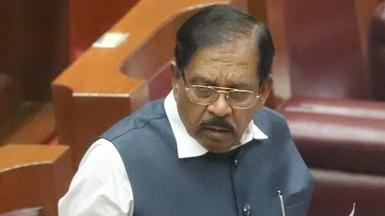
Government Defends Bill as Shield Against Division
The ruling party maintained that the Bill was rooted in the constitutional duty of the state to maintain public order and social harmony. Senior ministers argued that freedom of speech, while fundamental, is not absolute and is subject to reasonable restrictions. They contended that hate speech, by its very nature, erodes the foundations of democracy by fostering fear and hostility. According to the government, the proposed law seeks to strike a balance between individual liberties and collective peace, ensuring that speech does not cross into incitement or discrimination.
Supporters of the Bill pointed out that several countries and Indian states have enacted specific laws or guidelines to deal with hate speech. They argued that the absence of a comprehensive framework often leads to selective application of existing penal provisions. By clearly outlining offences and penalties, the new law, they said, would bring consistency and clarity to enforcement. Government members also highlighted provisions that require prior sanction before prosecution, claiming these safeguards would prevent misuse.
The Bill proposes penalties for individuals found guilty of making statements that incite hatred or violence against groups based on religion, caste, language, gender or other protected characteristics. It also includes provisions addressing hate speech disseminated through digital and social media platforms. The government argued that the rapid spread of misinformation and inflammatory content online has amplified the potential harm of hate speech, necessitating a targeted legal response. Ministers stressed that the law focuses on intent and impact, rather than mere expression of unpopular opinions.
During the debate, several ruling party legislators shared personal accounts of how hate speech had affected their constituencies. They spoke of incidents where provocative speeches had led to tension, disrupted daily life and strained community relations. According to them, existing legal remedies often came too late or were inadequate to prevent escalation. The Bill, they argued, would empower authorities to act swiftly while still adhering to due process.
The Opposition, however, remained unconvinced. BJP leaders accused the government of using emotional arguments to justify what they described as a flawed and potentially dangerous law. They warned that giving the executive greater powers to decide what constitutes hate speech could lead to political vendetta. According to them, dissenting voices, satirists and journalists could be targeted under the guise of maintaining harmony. They reiterated that a House panel review would have allowed experts, civil society groups and stakeholders to provide inputs, strengthening the legislation.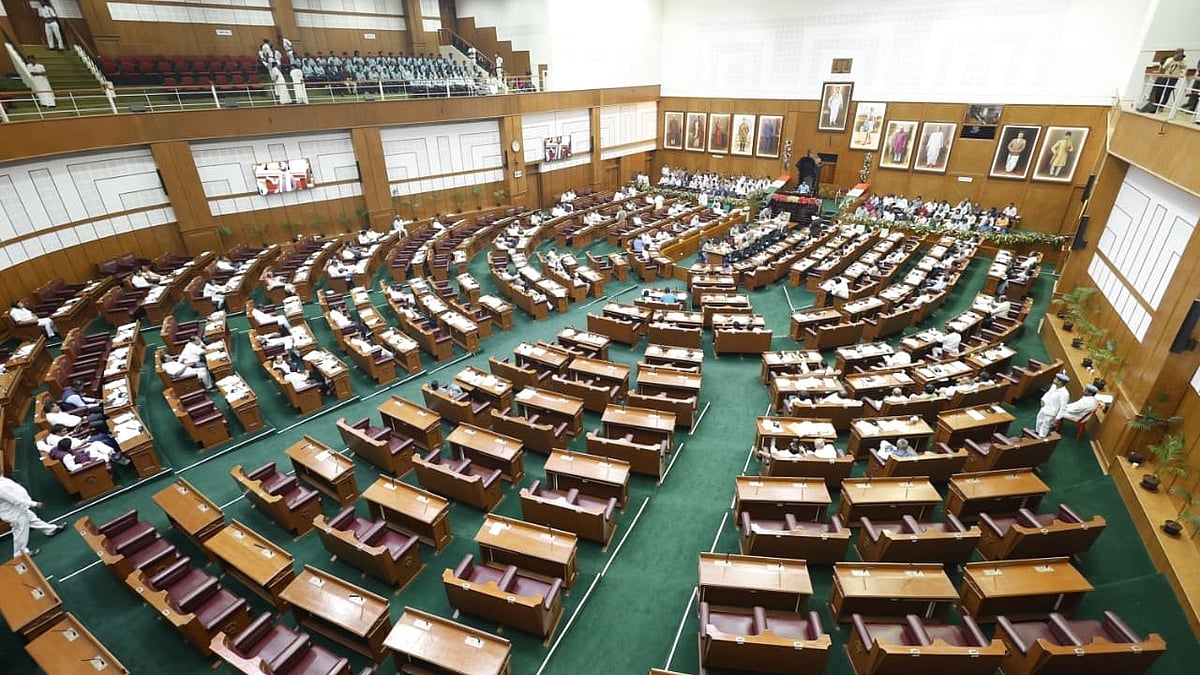
Outside the Assembly, reactions to the Bill were mixed. Civil rights groups expressed concern over the potential chilling effect on free speech. Some activists argued that hate speech should be countered through education, dialogue and enforcement of existing laws rather than new legislation. Others acknowledged the need for stronger measures but emphasised the importance of precise definitions and independent oversight. Legal experts noted that the real test of the law would lie in its implementation and judicial interpretation.
For now, the passage of the Hate Speech Bill amid a walkout reflects the deep divisions that characterise contemporary politics. While the government frames the law as a necessary shield against hatred, the Opposition views it as an instrument of potential overreach. The debate has revealed not just differing legal interpretations but contrasting visions of how a democratic society should confront the challenge of hate speech while preserving its foundational freedoms.
Opposition Warns of Overreach, Demands Wider Scrutiny
The BJP’s decision to walk out was accompanied by a sharp critique of the government’s legislative approach. Opposition leaders told reporters that the ruling party had displayed “undue haste” in passing a Bill with far-reaching implications. They alleged that the government was unwilling to tolerate scrutiny because it feared exposure of the Bill’s shortcomings. According to them, referring the Bill to a House panel would not have delayed justice but ensured a more robust and constitutionally sound law.
Opposition members also questioned the timing of the legislation, suggesting that it was politically motivated. They claimed that the Bill could be used selectively during election periods to silence opposition leaders and activists. BJP legislators pointed to past instances where laws were allegedly misused to harass political opponents. They argued that without strong checks and balances, the Hate Speech Bill could follow a similar path, undermining democratic competition.
Legal commentators aligned with the Opposition noted that hate speech laws often walk a fine line between protection and repression. They stressed that any ambiguity in language could invite constitutional challenges. Some experts suggested that instead of introducing a new law, the government could have focused on better enforcement of existing penal provisions related to public order and incitement. They argued that legislative proliferation without clarity could complicate the legal landscape further.
The government responded by accusing the Opposition of politicising a serious social issue. Ministers said that the BJP’s walkout demonstrated a lack of commitment to addressing hate and division. They argued that the Opposition had ample opportunity to participate in the debate and propose amendments but chose disruption instead. According to the ruling party, the demand for a House panel was a delaying tactic rather than a genuine attempt at improvement.
As the Assembly session concluded, the Bill’s passage marked a significant moment in the state’s legislative history. Supporters hailed it as a bold step towards safeguarding social harmony in an increasingly polarised environment. Critics warned of potential misuse and erosion of free speech. The divergent reactions underscored the complexity of regulating speech in a democratic society marked by diversity and political contestation.
The Bill will now move to the Legislative Council, where it is expected to face further debate. Whether amendments will be introduced or additional safeguards added remains to be seen. What is clear is that the legislation has ignited a broader conversation about the boundaries of free expression, the responsibilities of the state and the role of law in shaping public discourse. The coming weeks are likely to witness intense scrutiny, both within the legislature and beyond, as stakeholders assess the long-term implications of the new law.
For now, the passage of the Hate Speech Bill amid a walkout reflects the deep divisions that characterise contemporary politics. While the government frames the law as a necessary shield against hatred, the Opposition views it as an instrument of potential overreach. The debate has revealed not just differing legal interpretations but contrasting visions of how a democratic society should confront the challenge of hate speech while preserving its foundational freedoms.
Follow: Karnataka Government
Also read: Home | Channel 6 Network – Latest News, Breaking Updates: Politics, Business, Tech & More
