
In a significant move aimed at strengthening public health access and expanding affordable treatment options, authorities have asked 12 private hospitals in Mandya district to seek empanelment under the State-run Arogya Sanjeevini health insurance scheme. The directive comes amid growing concerns over limited hospital choices for beneficiaries and repeated complaints from patients who have been forced to travel to neighbouring districts for treatment. Officials say the step is intended to widen the treatment network, reduce out-of-pocket expenses, and ensure that the scheme delivers its intended benefits to vulnerable sections of society.
The empanelment push has also drawn attention to the role of district-level monitoring committees in ensuring the scheme functions effectively. Officials say these committees will be tasked with tracking hospital participation, patient feedback, and claim settlement timelines once new institutions come on board. Regular reviews are expected to identify bottlenecks early and prevent disputes from escalating. Strengthening local oversight, authorities believe, will make the scheme more responsive to the specific healthcare needs of Mandya’s population.
Another concern highlighted during discussions is the need for emergency preparedness within the empanelled network. Health administrators stress that hospitals joining Arogya Sanjeevini must be equipped to handle trauma cases, obstetric emergencies, and critical care referrals without delay. Given Mandya’s proximity to highways and agricultural zones where accidents and work-related injuries are common, ensuring round-the-clock emergency services is seen as essential to the scheme’s real-world impact.
The initiative has also renewed debate on integrating primary healthcare with insurance-based treatment. Experts argue that while Arogya Sanjeevini focuses on secondary and tertiary care, its effectiveness depends on strong referral systems from primary health centres. Coordinated digital records, pre-authorisation processes, and follow-up care can prevent treatment gaps and reduce readmissions. Officials have indicated that efforts are underway to improve coordination between government facilities and empanelled private hospitals.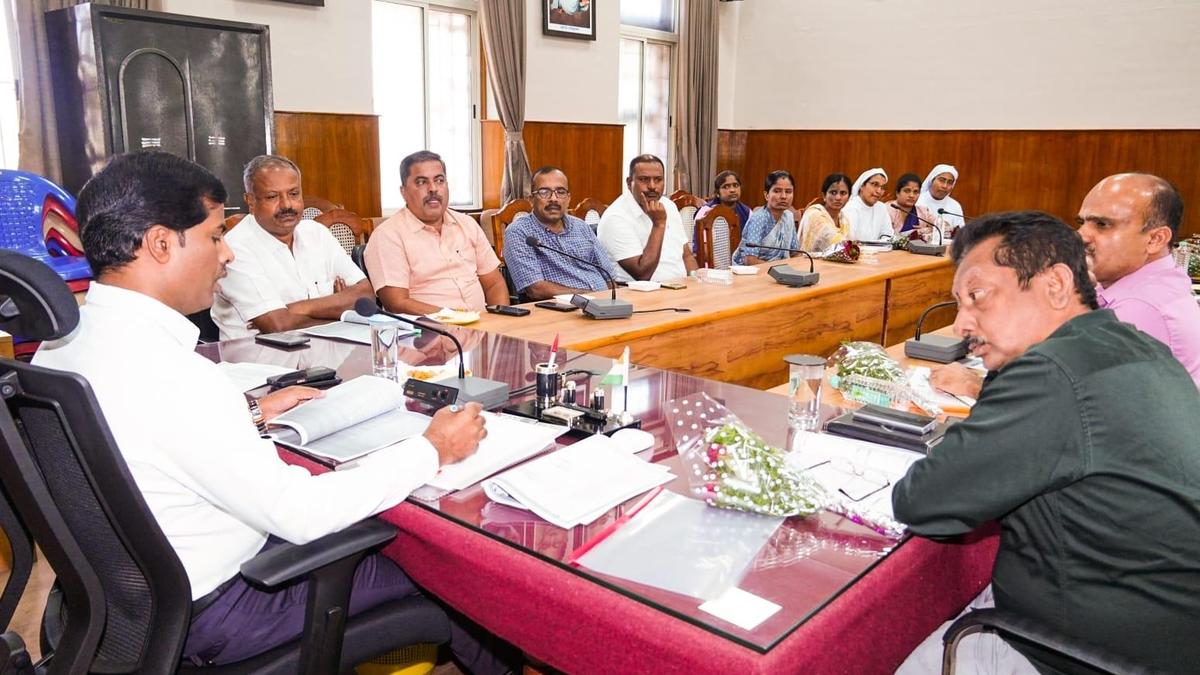
From a social perspective, women’s health advocates have welcomed the potential expansion, noting that limited hospital choices often discourage women from seeking timely care. Procedures related to maternal health, gynaecology, and non-communicable diseases are frequently postponed due to cost or distance. With more private hospitals available locally under the scheme, activists believe that women and elderly patients will be more likely to access necessary treatment without delay.
As Mandya awaits the outcome of the empanelment drive, the broader expectation is that the move will serve as a template for other districts facing similar challenges. If successful, the approach of proactively identifying capable hospitals and addressing their concerns could be replicated statewide. For now, the focus remains on translating policy intent into tangible relief, ensuring that Arogya Sanjeevini evolves from a safety net on paper into a dependable lifeline for those who need it most.
The Arogya Sanjeevini scheme, designed as a low-cost health insurance initiative, offers coverage for a wide range of medical and surgical procedures. While government hospitals form the backbone of the programme, private hospital participation is crucial for addressing capacity gaps, specialised care requirements, and emergency services. In Mandya, despite a sizeable population and a steady demand for healthcare services, the number of empanelled private hospitals has remained limited, prompting the administration to intervene.
Health department officials have stated that the identified hospitals possess the infrastructure, staffing, and service capabilities required under the scheme’s guidelines. However, many have so far remained outside the empanelment process, citing procedural hurdles, reimbursement concerns, and administrative delays. By formally urging these institutions to apply, the government hopes to bridge the gap between policy intent and on-ground availability of healthcare services.
For residents of Mandya, the announcement has sparked cautious optimism. Patients and families have long voiced frustration over the lack of nearby empanelled facilities, especially for surgeries and advanced diagnostics. Many beneficiaries under the scheme belong to lower- and middle-income groups, for whom private healthcare costs can be crippling. The expansion of the empanelled network is therefore seen as a step toward restoring faith in the promise of universal health coverage.
Access Gaps, Hospital Hesitation, and Administrative Push
Mandya district, though well-connected and agriculturally prosperous in parts, continues to face uneven healthcare access, particularly in semi-urban and rural pockets. Government hospitals often grapple with overcrowding, staff shortages, and limited specialised services. As a result, private hospitals play a vital role in complementing public healthcare delivery. Yet, their limited participation in Arogya Sanjeevini has meant that insured patients are frequently denied cashless treatment locally.
Officials involved in the empanelment drive have acknowledged that private hospitals have genuine concerns. Delays in claim settlements, fixed package rates, and documentation requirements are frequently cited reasons for hesitation. Hospital administrators argue that reimbursement amounts under public insurance schemes often fail to match actual costs, particularly for procedures involving advanced equipment or prolonged hospital stays. Some institutions have also pointed to bureaucratic processes that discourage timely participation.
In response, the health department has assured hospitals that efforts are underway to streamline approvals and expedite payments. Authorities have emphasised that empanelment under Arogya Sanjeevini not only expands patient reach but also ensures steady case flow, particularly in districts where public schemes account for a large share of healthcare utilisation. Officials have held preliminary meetings with hospital representatives to clarify guidelines, address operational doubts, and encourage participation.
The directive to the 12 hospitals is also part of a broader effort to make district-level healthcare more self-sufficient. Senior officials note that dependence on hospitals in Mysuru or Bengaluru for even routine procedures places unnecessary financial and emotional strain on patients. By strengthening Mandya’s healthcare ecosystem, the administration hopes to reduce patient migration and improve outcomes through timely treatment.
Public health experts have welcomed the move but caution that empanelment alone is not enough. They argue that continuous monitoring, grievance redressal mechanisms, and regular audits are essential to ensure that empanelled hospitals adhere to scheme norms. Instances of beneficiaries being turned away or asked to pay despite coverage have been reported in other districts, highlighting the need for strict enforcement.
For patients, awareness remains another challenge. Many eligible families are unaware of the full scope of treatments covered under Arogya Sanjeevini or the process of availing cashless services. Health activists have urged the government to accompany empanelment expansion with outreach campaigns, help desks, and clear communication at hospital entry points to prevent confusion and exploitation.
Broader Implications for Public Healthcare and Patient Trust
The Mandya initiative has wider implications for Karnataka’s public health strategy. Arogya Sanjeevini was conceived as a bridge between government-funded care and private sector capacity, particularly for those who fall outside poverty-based schemes but still struggle with medical expenses. Ensuring adequate hospital participation is therefore central to the scheme’s credibility and effectiveness.
Policy analysts point out that district-level disparities in empanelment undermine the principle of equitable access. While urban centres often have multiple empanelled hospitals, smaller districts lag behind, creating a two-tier experience for beneficiaries. By proactively identifying and engaging capable private hospitals, the government signals its intent to address these imbalances.
Doctors working in government hospitals in Mandya have also expressed support for the move. They say that overcrowding in public facilities often compromises quality of care and increases waiting times. With more private hospitals coming under the scheme, patient load can be distributed more evenly, allowing government institutions to focus on critical and emergency cases.
At the same time, patient rights groups stress the importance of transparency. They argue that beneficiaries must be informed clearly about which hospitals are empanelled, what procedures are covered, and how to report violations. Without strong oversight, they warn, the expansion could remain symbolic rather than transformative.
The empanelment drive has also revived discussions on healthcare financing and sustainability. While schemes like Arogya Sanjeevini ease the burden on families, their long-term success depends on timely funding, realistic package rates, and cooperation between the State and private sector. Experts suggest that periodic revision of rates and stakeholder consultations can help maintain balance and trust.
For private hospitals, joining the scheme represents both an opportunity and a responsibility. Participation brings access to a large patient base and reinforces social responsibility, but it also requires compliance with regulatory standards and ethical practices. Hospital associations in the district have indicated willingness to engage with authorities, provided their concerns are addressed in good faith.
As the 12 hospitals consider seeking empanelment, attention now turns to implementation. Officials have set timelines for application submission and verification, and have hinted at further steps if participation remains low. While coercive measures are not officially on the table, the administration has made it clear that expanding healthcare access is a priority that cannot be indefinitely delayed.
For Mandya’s residents, the outcome of this push will be measured not in policy announcements but in lived experience. If beneficiaries can walk into nearby hospitals, receive timely treatment, and return home without financial distress, the scheme will have fulfilled its promise. If not, scepticism toward public insurance initiatives is likely to deepen.
Ultimately, the directive to empanel private hospitals under Arogya Sanjeevini reflects a broader truth about healthcare governance: policies succeed only when institutions, professionals, and patients move together. The coming months will determine whether Mandya’s healthcare landscape takes a meaningful step forward or remains caught between intent and execution.
Follow: Karnataka Government
Also read: Home | Channel 6 Network – Latest News, Breaking Updates: Politics, Business, Tech & More
