
The industrial city of Ballari witnessed a sudden eruption of political tension and public anxiety following a clash linked to a banner dispute, prompting police to book a case against mining baron and former minister G. Janardhan Reddy along with ten others. What began as a seemingly routine political display escalated into a law-and-order situation, forcing authorities to deploy heavy security across sensitive parts of the city. The incident has once again placed Ballari at the centre of Karnataka’s volatile political narrative, reviving memories of past unrest and raising serious questions about the intersection of power, symbolism, and public safety.
Even as investigations continue, the incident has sparked a wider conversation within Ballari about political accountability and civic discipline. Academics and social commentators have pointed out that repeated clashes over symbolic displays indicate a deeper issue of competitive politics overshadowing governance. They argue that when political presence is measured through banners and visual dominance, it shifts focus away from policy, development, and public welfare. For a district grappling with economic disparities and employment concerns, such confrontations are seen as distractions that erode public trust in leadership and institutions.
Looking ahead, the administration faces the challenge of ensuring that the current calm is sustained beyond the immediate security deployment. Officials have hinted at reviewing existing permissions and surveillance mechanisms related to public displays, while urging political parties to exercise self-regulation. For Ballari’s residents, the hope is that this episode serves as a cautionary moment rather than a recurring pattern. Whether lessons are learned will depend on how decisively laws are enforced and how responsibly political influence is exercised in the days to come.
According to police sources, the clash occurred after banners bearing political messages and images were installed at prominent locations without official permission. Objections raised by rival groups quickly snowballed into heated arguments, which soon turned physical. Eyewitnesses described scenes of chaos, with slogans shouted, banners torn down, and traffic disrupted as crowds gathered. The situation deteriorated rapidly, compelling the police to intervene and disperse those involved. In the aftermath, the police registered a case naming Janardhan Reddy and ten others for allegedly instigating the incident and disturbing public peace.
The registration of the case marks a significant development, given Janardhan Reddy’s political influence and long-standing association with Ballari. For many residents, his name is inseparable from the district’s modern political and economic history. The banner row, therefore, is not being viewed as an isolated episode but as part of a larger pattern of confrontations rooted in political rivalry and the assertion of dominance in public spaces. Law enforcement officials have emphasised that the case was filed based on preliminary evidence and witness statements, and that further investigation is underway.
In response to the clash, the district administration ordered heightened security across Ballari city. Additional police personnel were deployed at major junctions, government offices, and politically sensitive areas. Flag marches were conducted to reassure residents and deter further disturbances. Senior police officers remained on the ground, monitoring developments and coordinating with local intelligence units. Authorities made it clear that any attempt to provoke unrest would be dealt with firmly, regardless of the individuals involved.
Residents of Ballari woke up the next morning to an atmosphere of unease. While daily life continued, there was a visible police presence on the streets, and conversations in tea shops and markets revolved around the incident. Many expressed concern over how quickly a banner dispute had spiralled into violence, questioning whether political messaging had begun to outweigh public safety considerations. For shopkeepers and daily wage workers, even brief disruptions can have economic consequences, adding another layer of anxiety to the situation.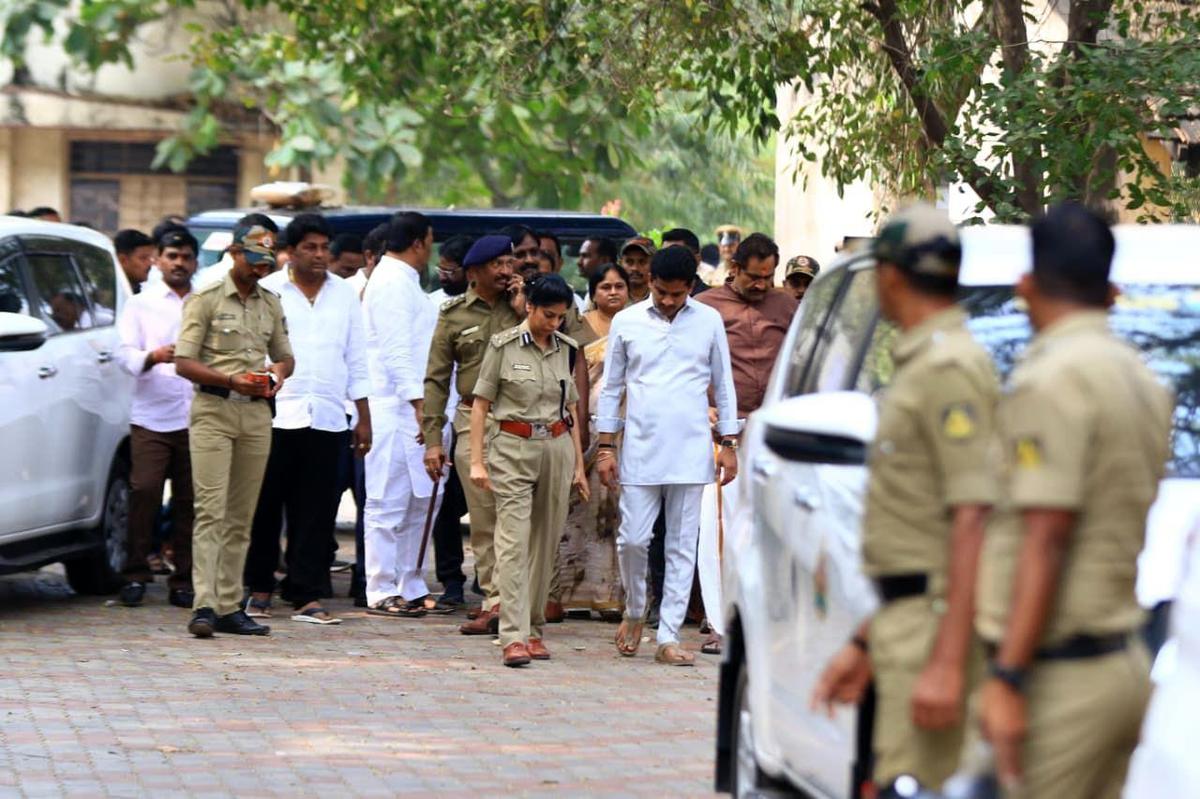
Political reactions to the incident were swift and predictably polarised. Leaders from rival parties accused each other of deliberately stoking tensions for political mileage. Some alleged that the banners were meant to assert territorial dominance ahead of future political moves, while others claimed the opposition had overreacted to provoke a confrontation. Amid the blame game, calls were made for restraint and adherence to the rule of law. A few senior leaders urged their supporters to maintain peace and allow the authorities to carry out their duties without interference.
BANNER POLITICS AND THE ROOTS OF THE CONFLICT
The clash has once again highlighted the contentious role of banners, hoardings, and cut-outs in Karnataka’s political culture. In many parts of the state, public displays bearing the images of political leaders are treated as symbols of strength and presence. While legally regulated, such displays often appear overnight, occupying public spaces and asserting influence. In Ballari, where political loyalties run deep and rivalries are intense, these visual symbols carry particular weight.
According to police officials familiar with the investigation, the banners at the centre of the dispute were installed without prior permission from civic authorities. When objections were raised by another group, tempers flared. What might have otherwise remained a verbal disagreement escalated as supporters from both sides gathered. The police noted that social media messages and phone calls helped mobilise people quickly, turning a local disagreement into a larger confrontation within hours.
The decision to name Janardhan Reddy in the case has drawn significant attention. Supporters of the former minister have described the move as politically motivated, arguing that he was being targeted because of his influence. They insist that he had no direct role in the physical clash and that his name was included due to his association with those involved. On the other hand, critics argue that influential leaders must be held accountable for the actions of their supporters, especially when public order is compromised.
Legal experts point out that cases related to unlawful assembly and disturbance of peace often involve complex questions of intent and responsibility. Merely being named in a case does not imply guilt, but it does subject the accused to investigation and potential legal proceedings. In this instance, the police are expected to examine CCTV footage, mobile videos, and call records to establish the sequence of events and identify who instigated the violence.
Beyond the immediate legal implications, the banner row has reopened debates about the need for stricter enforcement of regulations governing political displays. Civic activists in Ballari have long complained about the unchecked proliferation of banners, which they say not only deface public spaces but also create flashpoints for conflict. They argue that unless authorities act decisively against unauthorised displays, similar incidents are likely to recur.
For ordinary citizens, the episode has reinforced a sense of frustration. Many feel caught between competing political forces that prioritise visibility and dominance over civic harmony. Parents expressed concern about children witnessing aggressive political behaviour, while elderly residents recalled past periods of unrest that had disrupted life in the city. The consensus among many was that political expression should not come at the cost of public peace.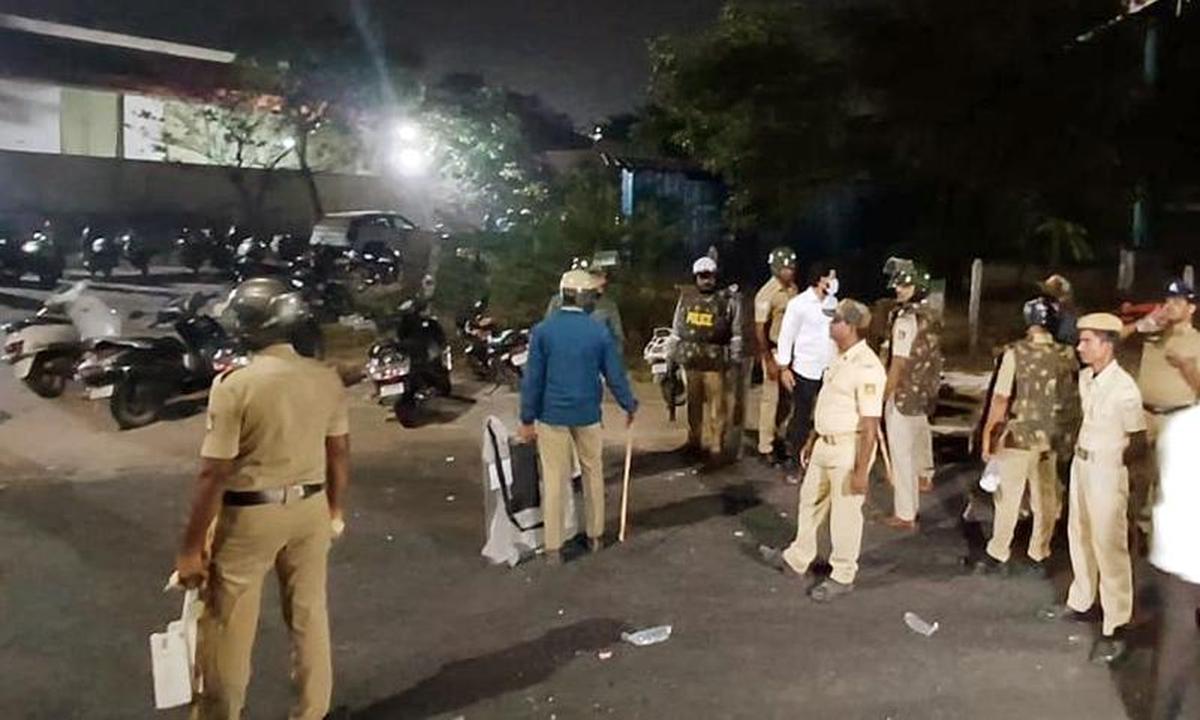
SECURITY CLAMPDOWN AND THE ROAD AHEAD
In the wake of the clash, the Ballari police initiated a comprehensive security clampdown aimed at preventing any further escalation. Sectioned patrols were intensified, with rapid response teams stationed at strategic locations. Authorities also held meetings with community leaders and representatives of political groups, urging them to cooperate and discourage provocative actions. The message from the administration was clear: maintaining law and order would take precedence over all other considerations.
Senior district officials stated that the situation was under control but remained sensitive. They emphasised that preventive measures, including the detention of known troublemakers if necessary, would be employed to ensure peace. Intelligence units were instructed to keep a close watch on social media platforms for any inflammatory content or calls for mobilisation. In recent years, online messaging has played a significant role in amplifying local disputes, and authorities are keen to prevent misinformation from fuelling tensions.
The case against Janardhan Reddy and the others is expected to progress in the coming days, with notices likely to be issued for questioning. Legal proceedings could take time, but the immediate focus remains on restoring normalcy. Political observers note that how the case is handled will have broader implications for perceptions of fairness and accountability in the state. Any perception of selective action could deepen existing divides, while transparent procedures may help rebuild trust.
This incident also comes at a time when Karnataka’s political climate is particularly charged. With shifting alliances and emerging ambitions, public displays of strength have become more frequent. Ballari, given its history and strategic importance, often becomes a stage for such assertions. Analysts caution that without clear boundaries and consistent enforcement of rules, political competition can easily spill over into confrontation.
Civil society groups have called for dialogue and restraint, urging leaders to set an example for their supporters. They argue that leadership is not only about visibility but also about responsibility. Ensuring that supporters adhere to the law, they say, is a crucial test of genuine leadership. Some have suggested the creation of designated zones for political displays to minimise conflict, though such proposals would require broad consensus and effective implementation.
As the city gradually returns to routine, the memory of the clash lingers. For many in Ballari, the episode serves as a reminder of how fragile public peace can be when political passions run high. The heavy security presence, while reassuring to some, is also a visible sign of underlying tensions. Whether this incident becomes a turning point for stricter regulation and responsible political behaviour, or fades into yet another chapter of unresolved rivalry, remains to be seen.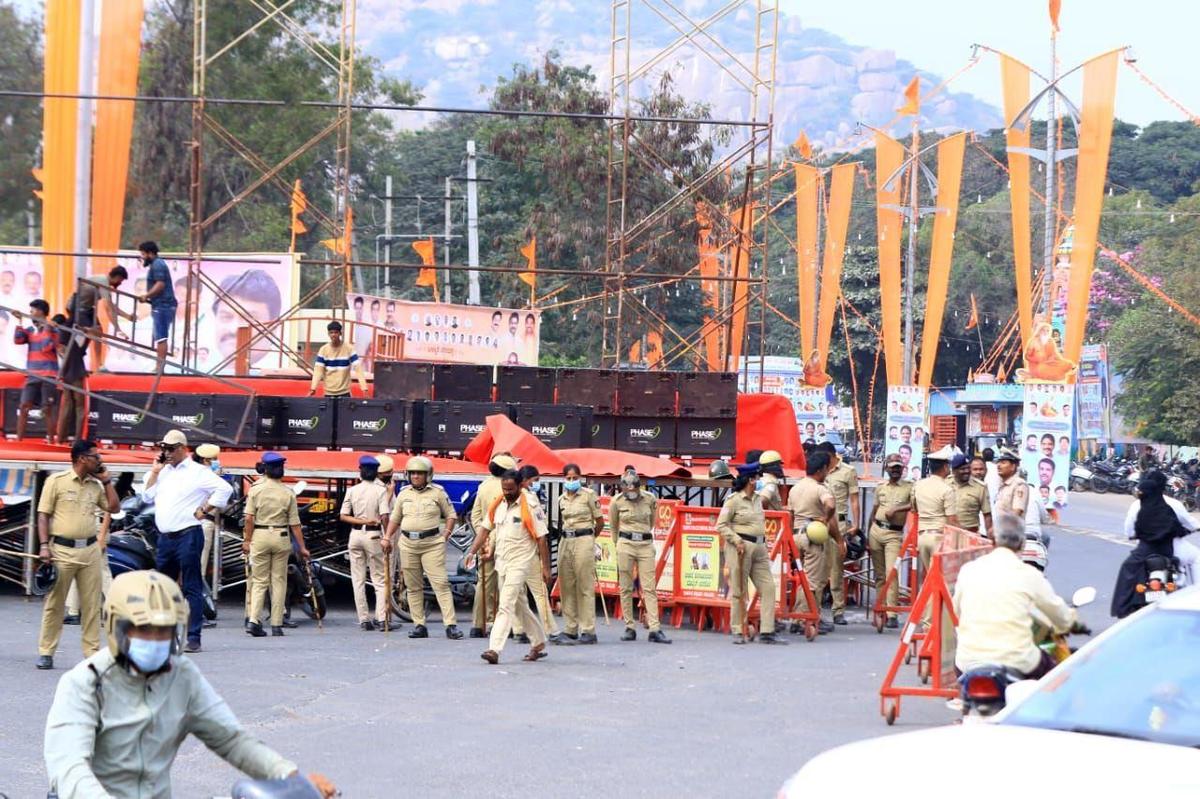
Ultimately, the banner row and its fallout underscore a larger truth about democratic expression. Symbols and slogans may inspire loyalty, but they also carry the potential to divide. In a diverse and politically aware society like Ballari’s, balancing expression with restraint is essential. The coming days will test not only the legal system but also the collective willingness of leaders and citizens to prioritise peace over provocation.
Follow: Karnataka Government
Also read: Home | Channel 6 Network – Latest News, Breaking Updates: Politics, Business, Tech & More
