
Bannerghatta Biological Park (BBP) in Bengaluru has witnessed a significant surge in visitor numbers following temporary safari bans and operational restrictions at other popular wildlife destinations in Karnataka and neighbouring states. The move, largely aimed at conservation and habitat protection in high-traffic parks, has redirected wildlife enthusiasts, school groups, and tourists toward Bannerghatta, creating both opportunities and challenges for the park’s administration.
Officials from the Karnataka Forest Department said the increase in footfall has allowed BBP to showcase its diverse animal collection, including tigers, lions, elephants, and reptiles, while promoting conservation awareness. “The park has always maintained high standards of animal care and visitor safety,” said a senior forest official. “With other safari destinations temporarily unavailable, Bannerghatta is providing wildlife experiences while educating the public on the importance of biodiversity.”
BBP, known for its safari and zoo facilities, serves as a major educational hub, hosting thousands of school and college students annually. Officials noted that the increased visitor numbers have provided opportunities to enhance conservation messaging, conduct awareness workshops, and promote volunteer programmes. “It’s not just about revenue or crowds; this is a chance to build a generation that values wildlife,” said a park educator.
The surge has also brought attention to the park’s unique positioning. While other destinations restrict access to sensitive habitats or temporarily close certain trails to protect wildlife, Bannerghatta has managed to balance conservation needs with public engagement. Administrators said that rigorous visitor management protocols, including timed entries and vehicle limits per safari, have allowed safe and controlled interaction with animals without disturbing their natural behaviour.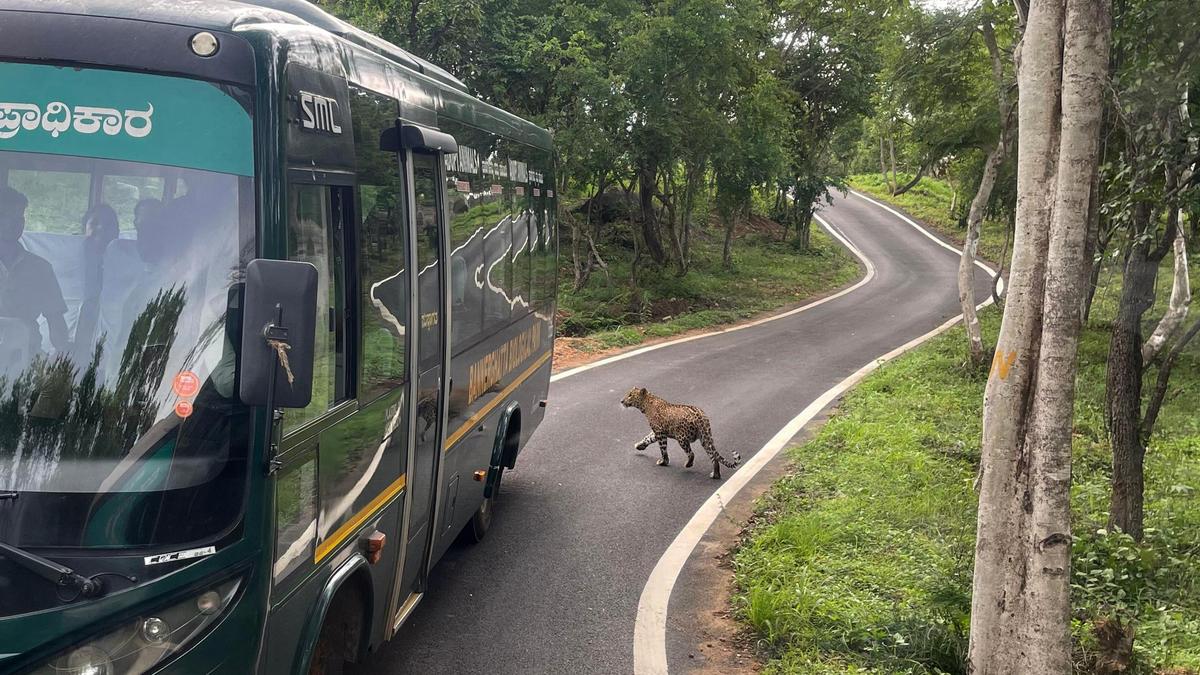
Officials said the park has intensified collaboration with schools and colleges to channel the surge in visitors toward educational programmes. Special guided tours, wildlife photography workshops, and interactive sessions with forest officers have been organised to engage students more meaningfully. “When students understand the science behind conservation and animal behaviour, the experience becomes far more impactful than just a safari ride,” said an education coordinator at BBP. These initiatives aim to nurture future conservationists while ensuring that increased footfall contributes to knowledge and awareness rather than mere recreation.
The park has also taken steps to enhance visitor infrastructure in response to the increased traffic. Additional parking spaces, shaded waiting areas, and improved sanitation facilities have been introduced to manage peak-day crowds. Eco-friendly measures, such as solar-powered lighting and water recycling, are being integrated to ensure that higher visitor numbers do not compromise sustainability. Administrators emphasised that visitor comfort and convenience are essential to maintaining long-term engagement while keeping environmental impact minimal.
Veterinary and animal welfare teams at the park have been bolstered to handle the increased visitor pressure. Experts monitor animal stress levels, health conditions, and behavioural changes closely, adjusting safari schedules as needed to prevent disturbance. The park has also implemented measures like limiting the number of vehicles per zone and enforcing strict guidelines for noise and litter. “Our priority is the well-being of animals. Every precaution is taken to ensure that they continue to thrive even with the increased human presence,” a senior zoologist said.
Community participation has been encouraged as part of the park’s management strategy. Local residents have been involved as guides, volunteers, and service providers, creating employment opportunities and fostering a sense of stewardship. Officials said that community involvement not only improves visitor experience but also strengthens conservation efforts, as local knowledge helps protect sensitive habitats and species. “When the community feels ownership, they become allies in conservation,” a forest department official noted.
Looking ahead, BBP plans to continue expanding educational outreach and sustainable tourism practices. Future initiatives include mobile apps for wildlife information, online booking and scheduling to reduce congestion, and immersive educational experiences such as virtual safaris. Authorities hope that these innovations, combined with rigorous conservation standards, will allow the park to accommodate growing visitor interest without compromising its ecological mission. The current surge, officials said, represents both a challenge and an opportunity to cement Bannerghatta’s status as a model of responsible wildlife tourism.
Visitor Trends, Operational Strategies, and Conservation Focus
The recent visitor spike coincides with temporary closures and safari restrictions at parks such as Dandeli Wildlife Sanctuary, Bandipur, and Nagarhole, which implemented measures to protect habitats during breeding seasons and monsoon periods. Experts said these closures often result in redistribution of tourist traffic, benefiting parks like Bannerghatta that maintain regulated and sustainable visitor management systems.
Officials said BBP has strengthened operational planning to accommodate the surge, including increasing staff presence, ensuring vehicle and guide availability, and expanding ticketing counters. Timed slots for safaris and special educational tours have been introduced to prevent overcrowding. “We have to ensure that the animals’ daily routine is not disrupted while managing larger crowds,” said a senior wildlife officer.
The park has also intensified conservation education, offering interpretive talks, interactive kiosks, and guided trail walks. Special sessions on animal behaviour, ecological balance, and habitat preservation are being conducted for school groups. Experts emphasised that such engagement is critical to fostering long-term environmental stewardship among visitors.
BBP officials highlighted that revenue generated from increased visitors is being reinvested in habitat improvement, veterinary care, and infrastructure development. “Every ticket contributes to better animal welfare and conservation projects,” said a park administrator, adding that sustainability remains the central priority.
Educational and Ecotourism Opportunities
The surge in visitors has created opportunities for educational programmes tailored to different age groups. School students participate in guided safaris and conservation workshops, while college-level visitors engage in citizen science projects, habitat monitoring, and volunteer initiatives. The park administration said such programmes aim to make visitors active participants in wildlife conservation rather than passive observers.
Tourism experts noted that the park’s ability to maintain high-quality experiences under increased visitor pressure is crucial for its long-term reputation. “Visitor satisfaction is directly tied to how well the park balances conservation with engagement,” said an ecotourism consultant. Proper interpretation, safe viewing, and regulated movement within safari zones are essential to ensure positive experiences.
Administrators have also collaborated with local communities to provide additional support services, including guided tours, transportation, and food services, enhancing the overall visitor experience. Local vendors have benefited from increased footfall, creating indirect economic gains while reinforcing community involvement in conservation efforts.
While the increased traffic is welcomed, officials remain vigilant about potential stress on the park’s ecosystems. Guidelines for visitor behaviour, strict waste management protocols, and restricted zones have been enforced to mitigate environmental impact. “We want visitors to connect with nature, but not at the cost of disrupting animal welfare or ecological integrity,” said a forest department spokesperson.
Challenges of Managing Increased Visitor Numbers
The rise in visitors has introduced challenges that the park administration is actively addressing. Traffic congestion, vehicle emissions, and potential human-animal interactions are being closely monitored. Officials said they have implemented eco-friendly shuttle services within the park and increased monitoring to ensure compliance with safari rules.
Veterinary teams and wildlife staff have been put on high alert to handle any incidents arising from stress among animals or accidents. “Animal behaviour is sensitive to human presence,” said a senior zoologist. “Maintaining appropriate distances, reducing noise, and controlling group sizes are essential to prevent stress or aggression.”
Moreover, the park faces logistical pressures during peak seasons, such as school holidays and weekends. Authorities said advance booking systems, digital ticketing, and staggered entry timings are being reinforced to maintain orderly visitor flow. These measures, while necessary, require constant oversight and coordination between staff, volunteers, and forest officials.
Environmental groups have urged the park to continue prioritising animal welfare over visitor numbers, warning that unsustainable traffic could disrupt breeding cycles and natural behaviours. The park administration responded that all measures are guided by wildlife experts, and visitor management will continue to align with conservation priorities.

Balancing Revenue, Engagement, and Conservation
While the influx of visitors provides financial benefits, administrators emphasise that revenue is not the primary goal. Funds are being channelled toward habitat enrichment, veterinary care, improved enclosures, and educational outreach. “Our focus is holistic—ensuring animal welfare, providing meaningful visitor experiences, and supporting conservation education,” said the park director.
Officials also highlighted the importance of maintaining scientific monitoring alongside increased visitation. Animal behaviour studies, population health checks, and habitat assessments are being conducted to ensure that the surge does not have negative ecological consequences. Data collected will inform future visitor management strategies.
Conservationists applauded the park’s proactive stance in integrating education, sustainable tourism, and wildlife protection. They noted that Bannerghatta’s success could serve as a model for other parks facing similar challenges, demonstrating that visitor engagement and ecological stewardship can coexist.
The current scenario, according to experts, also presents an opportunity to cultivate a new generation of environmentally conscious citizens. Students, families, and tourists visiting the park are exposed to biodiversity, conservation challenges, and the importance of ethical interaction with wildlife, fostering long-term awareness and responsibility.
Looking Ahead: Sustaining Growth Without Compromise
The Forest Department plans to sustain the current growth in visitor interest by further expanding educational programming, upgrading safari infrastructure, and strengthening community partnerships. Officials said long-term planning includes digital interpretive guides, mobile apps for self-guided tours, and eco-friendly transportation solutions within the park.
The administration reiterated that animal welfare will remain the guiding principle. All expansions, visitor management plans, and educational initiatives are being designed with input from zoologists, ecologists, and wildlife behaviour experts. Measures include restricted access zones, noise control, and careful scheduling of high-traffic areas.
Experts believe that Bannerghatta’s ability to handle this period of increased interest without compromising conservation standards will set benchmarks for other parks across India. Success will demonstrate that wildlife tourism can be leveraged for awareness and funding while upholding ecological and ethical standards.
As visitor numbers continue to rise, Bannerghatta Biological Park stands at a crossroads. The challenge lies in converting this influx into a lasting opportunity for conservation education, community engagement, and sustainable tourism. Officials remain optimistic that with careful planning, the park can serve as both a sanctuary for wildlife and a hub for responsible ecotourism, proving that preservation and public enjoyment can coexist.
Follow: Karnataka Government
Also read: Home | Channel 6 Network – Latest News, Breaking Updates: Politics, Business, Tech & More
