
Tensions escalated in Bengaluru as the Bangalore Development Authority (BDA) conducted demolition operations near Thanisandra without issuing prior notices to residents, following a spate of similar actions in the Kogilu area. The move drew immediate public and political attention, with residents alleging a lack of transparency and due process. The BDA maintained that the demolitions were necessary to remove illegal constructions and encroachments in accordance with urban planning regulations, but the absence of formal notices has triggered a probe ordered by the BDA Commissioner to investigate procedural lapses.
Authorities confirmed that the demolition targeted structures deemed illegal under city development norms, including partially constructed residential and commercial units. Residents claimed they were given no prior warning, leaving them unprepared to secure belongings or seek temporary shelter. Legal experts have raised concerns over the BDA’s adherence to the Karnataka Town and Country Planning Act, emphasising the need for proper notices and time for appeals to avoid violations of citizens’ rights.
The BDA Commissioner has directed an immediate internal review to ascertain whether the demolitions complied with legal procedures. Officials will examine records, communication with residents, and adherence to standard operating protocols. The investigation will determine accountability and identify measures to prevent similar procedural oversights in future urban enforcement actions. Residents’ associations have been invited to participate in the review to ensure transparency and fairness.
RESIDENTS’ GRIEVANCES AND PUBLIC RESPONSE
Local residents expressed outrage over the demolitions, arguing that lack of prior notice disrupted their lives and left them vulnerable. Many claimed that they were unaware of legal requirements or pending orders, citing insufficient communication from municipal authorities. Community leaders and advocacy groups have urged the government to prioritise rehabilitation and provide temporary relief, warning that repeated demolition actions without notice could lead to social unrest and legal challenges.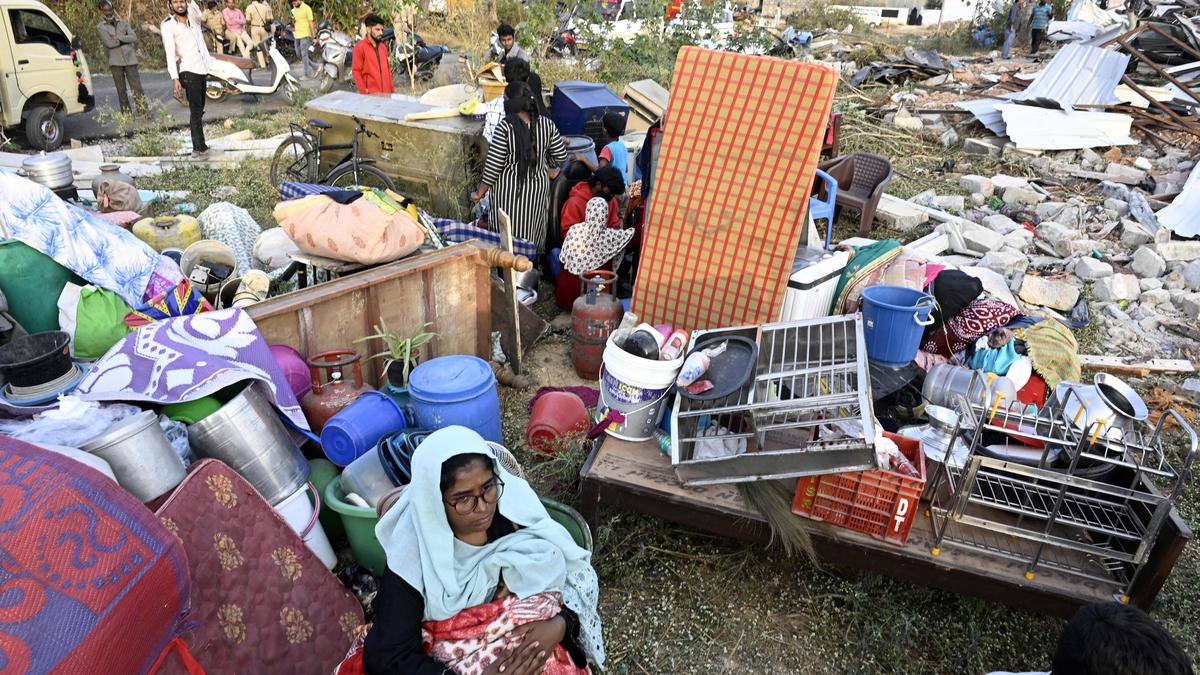
Several civil society organisations have highlighted the need for a balanced approach between enforcing urban regulations and safeguarding citizens’ rights. They emphasised that while encroachments must be addressed, demolitions should be accompanied by proper communication, grievance redressal, and rehabilitation measures. Experts stressed that arbitrary action undermines public trust in urban governance institutions and can exacerbate tensions in already sensitive areas.
LEGAL AND ADMINISTRATIVE IMPLICATIONS
Legal analysts noted that bypassing notice procedures could open the BDA to judicial scrutiny. Residents could challenge the demolitions in courts, arguing violations of fundamental rights to property and due process. Officials clarified that the probe would also examine whether appropriate approvals and internal clearances were obtained, ensuring accountability within the municipal authority. The review may result in administrative actions against officers found responsible for procedural lapses.
PRECEDENT AND URBAN DEVELOPMENT POLICY
The Thanisandra demolitions come amid heightened scrutiny of urban development practices in Bengaluru, following the Kogilu controversy. Observers note that such incidents highlight the need for a coherent policy that balances city planning, regulatory enforcement, and citizen welfare. Officials indicated that findings from the current probe could influence future procedures, reinforcing the importance of prior notices, resident engagement, and transparent communication in demolition operations.
Urban planners stressed that uncoordinated demolitions without notice undermine the city’s development objectives. They recommended integrating urban enforcement with social support systems, such as temporary shelters, relocation assistance, and legal guidance, to ensure residents’ rights are protected while maintaining the integrity of city plans. Proper planning and procedural compliance, experts said, are critical to prevent public backlash and ensure sustainable urban development.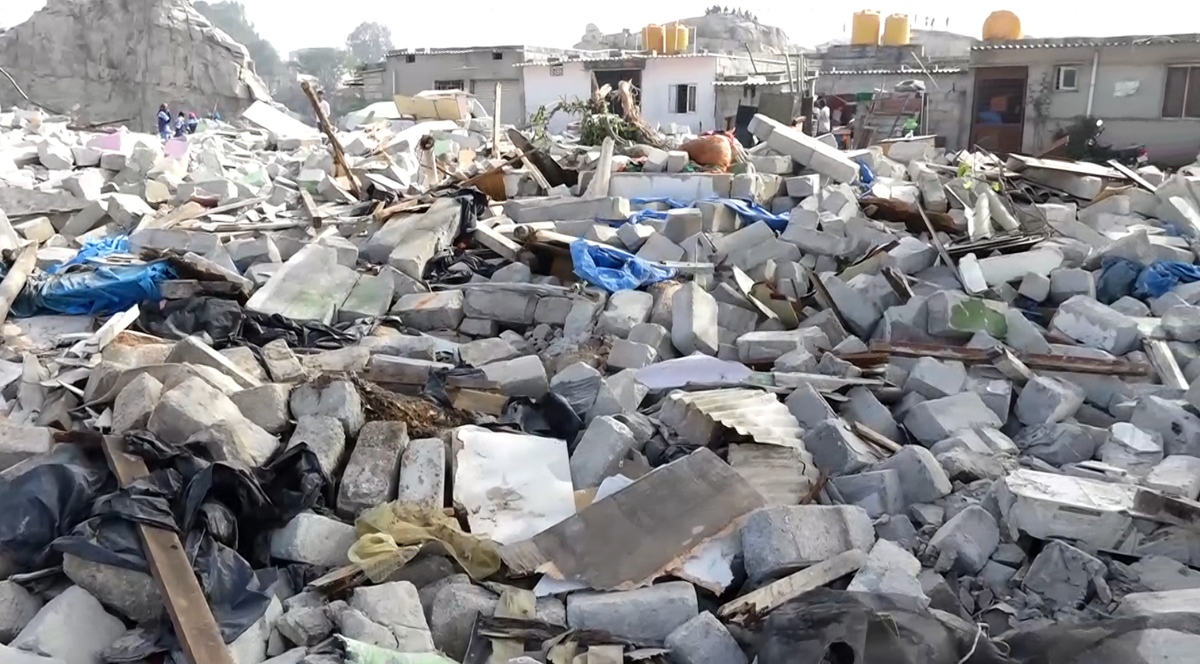
BDA’S RESPONSE AND NEXT STEPS
The BDA has maintained that the demolitions were part of ongoing efforts to remove illegal constructions encroaching on green belts, roads, and civic infrastructure. Officials stated that the review ordered by the Commissioner will evaluate the decision-making process and establish accountability. Depending on findings, remedial measures could include compensation, rehabilitation, or administrative action against officers responsible for procedural lapses.
Authorities also indicated plans to enhance communication strategies, including prior notices, public advisories, and stakeholder consultations, to ensure residents are informed of pending actions. Officials acknowledged that transparency and fairness are essential for maintaining public trust and preventing disputes. Measures such as dedicated helplines and grievance portals are being considered for smoother enforcement processes.
IMPACT ON RESIDENTS AND LOCAL COMMUNITIES
Residents affected by the Thanisandra demolitions face immediate disruption, including loss of partially constructed homes, livelihood impacts, and displacement. Community leaders have called for urgent intervention to provide temporary accommodation and support for affected families. Social workers highlighted the psychological and financial stress on residents, stressing the need for compassionate urban governance that balances enforcement with citizen welfare.
LOOKING AHEAD: POLICY REFORMS
The Thanisandra incident has reignited debates on demolition policies, urban governance, and residents’ rights in Bengaluru. Officials indicated that the findings from the ongoing probe could lead to revised procedures, ensuring prior notice, legal safeguards, and rehabilitative support are integral to future enforcement operations. The government aims to create a transparent, accountable, and citizen-centric framework for urban regulation that prevents conflicts while maintaining the city’s developmental vision.
The probe, which is expected to conclude within weeks, will set a precedent for municipal operations, potentially influencing how authorities conduct demolition drives across Bengaluru. Balancing regulatory enforcement with empathy, transparency, and legal compliance is now being prioritised to prevent further controversies and maintain public trust in urban administration.
/newsfirstprime/media/media_files/2025/12/29/dk-shivakumar-kogilu-layout-demolition-bengaluru-1-2025-12-29-16-49-52.jpg)
ENSURING LEGAL COMPLIANCE
The BDA Commissioner has stressed the importance of ensuring strict adherence to legal procedures in all demolition operations. Officials stated that notices, prior warnings, and opportunities for appeal are not just formalities but essential steps to protect citizens’ rights. The current probe will assess whether these protocols were followed near Thanisandra and if lapses occurred, accountability will be enforced. Legal experts noted that procedural compliance reduces the likelihood of judicial interventions and strengthens public trust. The review aims to create a transparent record of actions taken and serve as a benchmark for future enforcement efforts across Bengaluru’s rapidly expanding urban areas.
COMMUNITY ENGAGEMENT STRATEGIES
Authorities indicated that improving communication with residents will be a central part of future enforcement strategies. Community engagement can include public hearings, notice boards, local media alerts, and direct consultations with resident welfare associations. Officials highlighted that such steps allow residents to understand legal obligations, provide documentation, and seek remedies before demolition. By incorporating feedback and dialogue, the BDA hopes to minimise conflict and build cooperative relationships with affected communities. Experts emphasised that sustained engagement is key to avoiding confrontations, ensuring smoother urban development, and promoting civic responsibility among residents while enforcing city planning norms effectively.
ADDRESSING RESIDENTIAL DISPLACEMENT
Residents affected by the Thanisandra demolitions face immediate challenges, including temporary displacement and loss of property. Officials are evaluating short-term relief measures such as temporary shelters, rental assistance, and access to essential services. Civil society organisations have called for prioritising the most vulnerable, including women, elderly residents, and families with children. Authorities acknowledged that addressing displacement is crucial for mitigating social and psychological impacts and emphasised that rehabilitation plans must be implemented in tandem with enforcement actions. Providing adequate support ensures fairness while maintaining the city’s development agenda and prevents further tensions or legal complications arising from forced evictions.
IMPACT ON URBAN PLANNING
The Thanisandra demolitions highlight broader issues in Bengaluru’s urban planning framework. Encroachments on roads, green belts, and civic spaces disrupt infrastructure development, traffic management, and environmental sustainability. Officials noted that clearing illegal constructions is necessary to maintain public amenities and city planning integrity. However, the incident also underscores the need for transparent processes and proactive monitoring to prevent unregulated growth. Urban planners emphasised that integrating citizen awareness campaigns and early-warning mechanisms can reduce confrontations and improve compliance with zoning regulations, contributing to a more orderly and sustainable urban environment.
ROLE OF CIVIL SOCIETY
Civil society organisations have played a critical role in highlighting the lack of notice and transparency in the Thanisandra demolitions. Advocacy groups are urging authorities to incorporate residents’ perspectives, provide timely updates, and ensure legal remedies are accessible. Officials confirmed that stakeholders, including resident welfare associations and NGOs, are being consulted during the probe to guarantee accountability. Experts noted that active participation of civil society can help balance enforcement with social responsibility, ensuring that urban governance is not perceived as arbitrary but as a fair process that respects citizens’ rights while promoting city development.
MEDIA AND PUBLIC SCRUTINY
The demolitions at Thanisandra have attracted significant media coverage and public scrutiny, raising awareness about procedural lapses in urban governance. Officials acknowledged that transparency in reporting and independent monitoring by journalists and civil society acts as a check on administrative actions. The BDA has committed to providing factual updates and clarifying the rationale behind enforcement measures. Experts suggest that public scrutiny encourages accountability, deters arbitrary actions, and promotes adoption of standardized procedures, ultimately helping authorities balance city development objectives with residents’ rights and maintaining trust in municipal governance.
REHABILITATION AND FUTURE PREVENTION
Authorities emphasised that rehabilitation for affected residents will be a priority once the probe concludes. Lessons from Thanisandra are expected to guide the creation of comprehensive policies that prevent unnotified demolitions. Officials plan to implement systems for prior notice, grievance redressal, and structured rehabilitation before any enforcement action. Urban planners highlighted that combining enforcement with support mechanisms ensures that city development progresses without undermining citizens’ rights. The initiative aims to establish a repeatable model for responsible urban governance, balancing law enforcement, development priorities, and social equity in Bengaluru.
SETTING A PRECEDENT FOR TRANSPARENT GOVERNANCE
The Thanisandra demolition probe is expected to set a benchmark for transparency and accountability in municipal operations. Officials hope the findings will guide future enforcement drives, ensuring that legal procedures are strictly followed and residents are properly informed. By documenting lessons learned, incorporating feedback, and improving procedural adherence, the BDA aims to prevent disputes, reduce social tensions, and maintain public confidence in urban administration. Experts believe that this approach strengthens democratic governance, protects citizens’ rights, and promotes sustainable urban development, making Bengaluru a model for responsible city planning in rapidly expanding metropolitan areas.
Follow: Karnataka Government
Also read: Home | Channel 6 Network – Latest News, Breaking Updates: Politics, Business, Tech & More
