
Bengaluru’s Kempegowda International Airport has introduced overstay parking charges at Terminal 2 beginning December 11, marking a significant operational shift for one of India’s busiest aviation hubs. The new system aims to streamline vehicle movement, reduce congestion, and ensure disciplined use of arrival lanes, which frequently witness long queues and stalled traffic during peak hours. Airport officials say the charges are designed to encourage quicker pickups and drop-offs, enabling smoother passenger flow. While the policy aligns with global airport practices, it has triggered mixed reactions from frequent travellers, cab operators, and local commuters navigating the bustling terminal.
The newly implemented measures focus on discouraging prolonged stoppages in front of the terminal, where vehicles often wait well beyond the permitted time to pick up arriving passengers. These delays affect lane discipline, slow down shuttle services, and create bottlenecks for taxis and private vehicles alike. Airport authorities argue that in a high-volume setting like Bengaluru’s, managing curbside traffic is essential to safety and efficiency. With Terminal 2 handling a substantial share of domestic operations, officials believe the overstay fee will restore order and help maintain predictable traffic patterns at the entry and exit lanes.
According to officials, the concept is not new; Terminal 1 has had a similar system in place for years. However, the expansion to Terminal 2 was considered necessary as footfall increased rapidly after operations scaled up. The terminal’s infrastructure relies on continuous vehicular movement to prevent choke points. Airport administrators observed that despite designated short-term parking areas and waiting zones, many vehicles preferred to idle near the arrival gates, contributing to congestion. After repeated advisories, the decision to introduce overstay penalties at T2 was finalised to ensure consistent enforcement across both terminals.
The announcement has led to a range of public responses, especially from airport-bound taxi operators who argue that fluctuating flight schedules often make pickups unpredictable. They claim that delays in baggage delivery, security checks, or passenger movement sometimes force drivers to remain longer at arrival bays than anticipated. With the new policy in place, many fear that any unforeseen delay will directly impact their earnings. Representatives of driver associations have expressed concern that drivers may be compelled to absorb the charges or increase fares, potentially affecting customers during late-night or busy-hour pickups.
Smoother Traffic Flow the Primary Aim, Say Airport Authorities
Airport authorities, however, insist that clear distinctions exist between genuine delays and avoidable curbside waiting. They emphasise that dedicated parking spaces, holding areas, and multi-level parking facilities remain available for those expecting longer waits. Officials argue that the problematic pattern arises when private vehicles or cabs choose convenience over procedure, parking right outside the terminal doors instead of using designated areas. This disrupts regulated traffic lanes and increases risks for pedestrians, airport buses, and emergency vehicles attempting to navigate the area efficiently.
To support the implementation, the airport has deployed additional signage, ground staff, and traffic marshals to guide drivers to appropriate zones. Digital displays have been placed at approach roads to inform motorists about real-time vehicle movement, suggested wait times, and availability of short-term parking. The objective, authorities clarify, is not to penalise users but to encourage compliance with a system already followed in major international airports. Bengaluru, being one of the fastest-growing aviation hubs in Asia, requires coordinated traffic management to match the pace of expansion in passenger numbers and flight operations.
Passengers, too, have expressed differing opinions on the new regulations. Some travellers welcome the discipline the policy is expected to bring, saying congested curbside lanes have long been a problem during morning and evening rush hours. Many recall missing pickup vehicles or struggling to move through blocked pathways because of stationary cars occupying the arrival lanes. They argue that orderly traffic movement could enhance the overall travel experience, reducing stress for both incoming passengers and those waiting at the terminal. However, others worry that the additional charges may indirectly raise transportation costs, particularly for solo travellers.
Cab Drivers, Families, and Frequent Flyers Adjust to the New Norm
Cab drivers who service airport routes daily note that the new fee structure may require them to adjust pickup timing and coordination with passengers. Many say they will now encourage travellers to call them only after reaching the pickup point to avoid overstay charges. This shift, drivers argue, could be challenging during periods of overcrowding or when passengers struggle with multiple bags. Some fear that communication gaps, especially with first-time flyers or elderly passengers, may increase confusion and lead to unintended penalties.
Families and individuals who frequently pick up relatives from the airport also share concerns about managing wait times. They point out that unpredictable delays—ranging from aircraft parking issues to baggage belt slowdowns—sometimes make precise timing impossible. Several Bengaluru residents say they will now have to rely more on real-time flight tracking apps to determine the exact pickup moments. Others believe that using the short-term parking area, though an added expense, may become necessary for hassle-free pickups, particularly during peak seasons such as festivals or long weekends.
Airport officials maintain that the broader goal is behavioural change. They note that travellers often treat airport drop-offs like any other public place, ignoring the specialised traffic patterns essential for aviation infrastructure. Bengaluru Airport’s rapid growth has made it imperative to adopt smarter, efficient curbside controls. The overstay fee is part of a larger plan to introduce intelligent traffic systems, automated barriers, and digital monitoring to maintain lane discipline. Officials believe that as users become accustomed to the updated system, congestion will decrease significantly, enriching the terminal experience.
Stakeholders in the travel and tourism sector are closely watching how the new policy influences passenger flow. Many believe that efficient curbside management is essential to maintaining punctuality in airport shuttle services, hotel pickups, and group travel logistics. Tour operators argue that delays caused by stalled vehicles often lead to missed schedules or extended waiting times. They expect that regulated movement will help maintain predictability, an essential component of tourism planning. However, they also urge the airport to ensure that the charges do not disproportionately affect vulnerable service providers.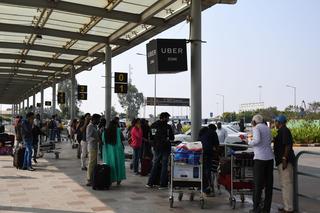
Several aviation experts say that Bengaluru’s decision mirrors trends seen in global airports where high passenger volumes require stringent curb management. Airports like Singapore, Dubai, and London Heathrow have similar penalty structures to discourage unnecessary idling. They argue that as Bengaluru aligns with these practices, it signals its maturity as an international hub. Experts highlight that such policies strengthen safety protocols by ensuring that emergency vehicles and security personnel can move uninterrupted through densely packed airport roads.
Transport analysts observe that the new charges may influence traffic patterns beyond the airport campus. Ride-hailing platforms could modify fare calculations for airport trips, factoring in the likelihood of overstay charges during peak hours. Analysts forecast that some drivers may choose to wait in extended holding areas rather than risk driving closer to arrival lanes too early. This change, they argue, could reduce curbside congestion but may also increase waiting times for passengers depending on demand and supply imbalances.
Local police officials involved in traffic coordination say they support the airport’s move, noting that vehicular discipline around the airport perimeter has long been difficult to enforce. With the new fee structure, they believe drivers will be more cautious about curbside stoppages, reducing instances of illegal parking and lane blockages. Police authorities also note that the clarity offered by the new system will help them focus on monitoring safety instead of constantly intervening in traffic disputes.
Meanwhile, environmental groups suggest that streamlined movement could indirectly reduce emissions from idling vehicles. They note that thousands of cars passing through the terminal daily contribute significantly to local pollution levels, especially when engines remain running in congested lanes. A disciplined traffic flow, they argue, may help reduce unnecessary fuel consumption and promote cleaner air quality around the airport campus. These groups hope the airport will complement the new system with incentives promoting electric vehicles and sustainable mobility options.
Passengers who frequently use Bengaluru Airport acknowledge that the transition may require a period of adjustment. Regular fliers note that despite initial difficulties, such reforms often improve efficiency in the long run. They believe that if the airport ensures clear communication, transparent guidelines, and consistent enforcement, public acceptance will grow. Some travellers have suggested that the airport provide grace periods for elderly passengers or those with accessibility needs, ensuring that the policy does not inconvenience vulnerable groups.
Taxi unions continue to press for discussions with airport management to clarify how the charges will apply during unavoidable delays. They argue that while they support smoother traffic flow, drivers should not be penalised for operational delays beyond their control. Union leaders have requested a flexible grace period when flights arrive late or when passengers face extended wait times inside the terminal. They are also seeking exemptions during severe weather, heavy fog, or other force majeure events that make immediate pickups challenging.
Ultimately, the implementation of overstay parking charges at Terminal 2 marks a significant shift in how Bengaluru Airport manages its ever-growing traffic load. While the policy has sparked debate, airport authorities maintain that it is essential for ensuring safety, efficiency, and a modern travel experience. As passengers, drivers, and service providers adapt to the new norms, the coming months will reveal how effectively Bengaluru can balance convenience with order. The airport remains confident that disciplined curbside conduct will enhance the overall journey for millions who pass through Terminal 2 each year.
Follow: Karnataka Government
Also read: Home | Channel 6 Network – Latest News, Breaking Updates: Politics, Business, Tech & More
