
A potentially tragic incident was averted on the outskirts of Bengaluru when a private sleeper bus caught fire late at night, forcing passengers and crew to evacuate in haste. Thanks to quick thinking by the driver and timely action by passengers, all those on board escaped safely, even as the bus was engulfed in flames within minutes. The incident has once again raised concerns about vehicle safety, emergency preparedness, and enforcement of transport regulations, especially for long-distance private buses operating overnight routes.
The incident has also prompted renewed scrutiny of sleeper bus design, particularly the placement of electrical wiring and fuel lines in relation to passenger areas. Safety experts argue that the layout of many sleeper buses prioritises seating and sleeping capacity over emergency access. In the event of a fire, smoke can accumulate rapidly inside enclosed berths, reducing visibility and making evacuation more difficult. This structural vulnerability, they say, needs urgent attention from regulators and manufacturers alike.
Former transport officials have pointed out that periodic fitness certifications often fail to detect deeper mechanical and electrical faults. Inspections tend to focus on visible components, while hidden wiring and engine systems may go unchecked unless a detailed audit is conducted. In high-usage long-distance buses, wear and tear accumulates faster, increasing the likelihood of failures. Experts suggest that inspection protocols should be revised to include more rigorous testing, particularly for vehicles operating overnight services.
The role of crew training has also come into focus following the incident. While the driver’s alertness helped avert casualties in this case, safety advocates note that not all crews are adequately trained to handle emergencies. Regular drills, fire response training, and clear role assignments during crises could significantly improve outcomes. Mandating such training as part of licensing requirements is being discussed by transport authorities.
Passengers who witnessed the fire said the lack of panic was largely due to clear instructions from the crew. However, some admitted they were unaware of where emergency exits were located until they were pointed out. This has strengthened calls for mandatory safety briefings before departure, even on private buses. Simple visual demonstrations or announcements, similar to those on flights, could help passengers respond faster in emergencies.
Insurance and liability aspects are also expected to be examined as part of the investigation. Officials said the extent of coverage held by the bus operator, including passenger insurance, will be verified. In previous incidents, delays in compensation have added to passenger grievances. Clear timelines and accountability mechanisms, experts argue, are essential to ensure that affected passengers receive timely support.
As authorities compile findings and consider corrective measures, the incident has become a talking point among frequent intercity travellers. For many, it has reinforced the need to prioritise safety over cost or convenience when choosing travel options. While the safe escape of all passengers offers relief, the larger lesson remains unresolved: unless systemic gaps in maintenance, enforcement, and awareness are addressed, similar incidents could recur, with far more severe consequences.
The fire broke out while the sleeper bus was travelling on a busy stretch on the outskirts of the city, reportedly heading towards a neighbouring State. Passengers recalled hearing a loud sound and smelling smoke moments before flames became visible. The driver is said to have immediately pulled the vehicle to the side of the road and alerted passengers, preventing panic from turning into chaos. Within minutes, the fire spread rapidly through the bus, destroying much of the vehicle.
Eyewitnesses described scenes of confusion and fear as passengers hurriedly climbed out, some still groggy from sleep. Many were travelling with families and children, adding to the urgency of the evacuation. Despite the intensity of the fire, no injuries were reported, a fact that authorities and passengers alike have attributed to swift action and a measure of luck. Fire and emergency services later arrived at the spot and managed to bring the blaze under control, though the bus was completely gutted.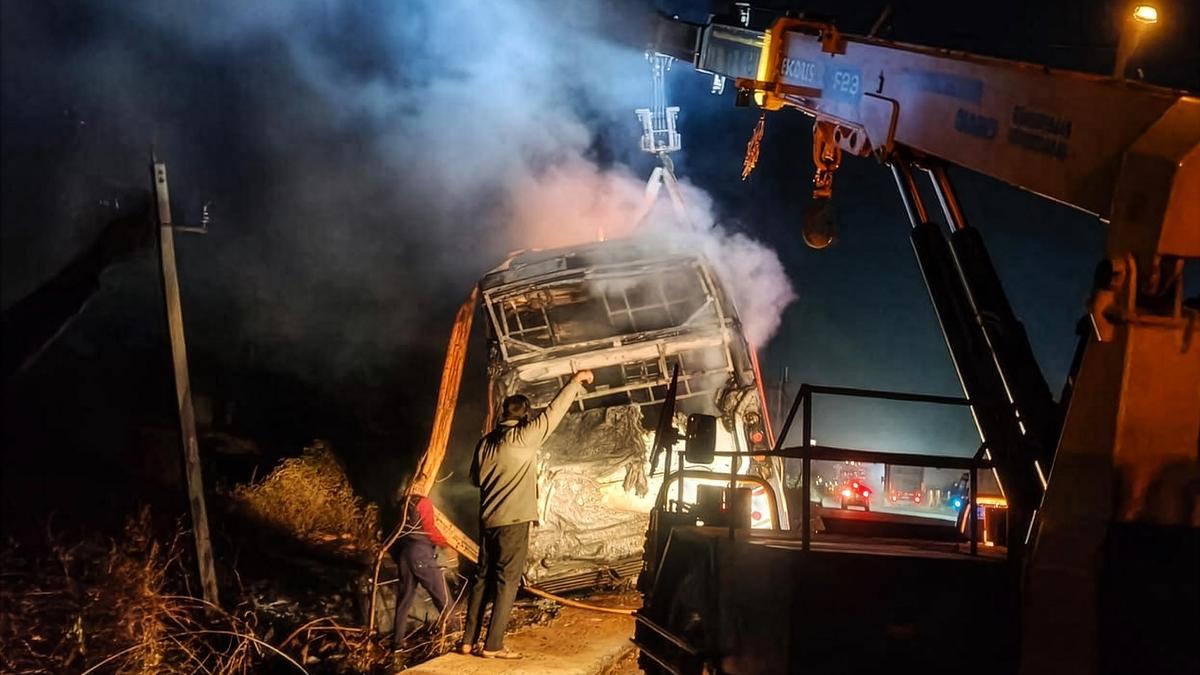
Initial assessments suggest that the fire may have originated in the engine or electrical system, though officials have stated that a detailed investigation will be conducted to determine the exact cause. Mechanical faults, overheating, and short circuits are among the possibilities being examined. Transport officials have also indicated that the bus’s maintenance records will be scrutinised as part of the probe.
The incident caused temporary traffic disruptions on the highway, with vehicles slowed down as emergency responders worked at the site. Police cordoned off the area to prevent onlookers from approaching the burning bus, citing safety concerns. Commuters travelling late at night reported delays, but traffic was gradually restored once the fire was extinguished and the remains of the bus were cleared.
For passengers, the experience was harrowing. Several of them said they were asleep when the fire broke out and were jolted awake by shouting and the smell of smoke. Some managed to retrieve their luggage, while others were forced to leave belongings behind as flames intensified. Many stood by the roadside in shock, watching the bus burn, relieved to be alive but shaken by how close they had come to disaster.
Emergency Response and Safety Concerns
Authorities have praised the driver and crew for their presence of mind, noting that early detection and prompt evacuation were crucial in preventing casualties. According to officials, the driver noticed warning signs and did not attempt to continue driving, a decision that likely saved lives. Transport experts have often emphasised that hesitation or delay in such situations can have fatal consequences, particularly in sleeper buses where passengers are less alert.
Fire department officials said the bus was already fully ablaze by the time they reached the scene, underscoring how quickly fires can spread in large vehicles. Modern buses often contain flammable materials such as upholstery, curtains, and insulation, which can accelerate the spread of fire once it starts. This has renewed calls for stricter enforcement of fire safety norms, including the installation of fire detection and suppression systems in long-distance buses.
Police officials confirmed that no passenger or crew member sustained injuries, though some were treated on the spot for shock and minor breathing discomfort. They added that statements from the driver, crew, and passengers would be recorded as part of the investigation. The bus operator has been asked to cooperate fully with authorities and produce relevant documents, including fitness certificates and service records.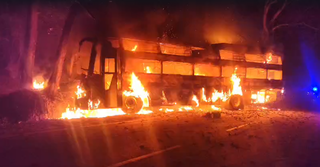
The incident has reignited debate over the safety of private sleeper buses, which are widely used for overnight travel due to their affordability and convenience. However, concerns have been repeatedly raised about overcrowding, lack of emergency exits, and poor maintenance. In sleeper buses, narrow aisles and stacked berths can make evacuation more challenging, especially in the dark or when smoke fills the cabin.
Transport department officials have stated that they will conduct checks on similar buses operating on the route to ensure compliance with safety standards. Surprise inspections may be carried out to verify the presence and condition of fire extinguishers, emergency exits, and alarm systems. Officials have warned that strict action will be taken against operators found violating norms.
Passenger rights groups have also weighed in, urging authorities to make safety audits mandatory and transparent. They argue that many passengers are unaware of emergency procedures or the location of safety equipment when they board overnight buses. Simple measures such as pre-departure safety announcements, they say, could make a significant difference during emergencies.
Aftermath, Accountability, and the Way Forward
In the immediate aftermath of the fire, arrangements were made to help stranded passengers continue their journey. The bus operator reportedly arranged alternative transport, though some passengers chose to postpone or cancel their travel plans altogether. For many, the emotional impact of the incident lingered longer than the physical inconvenience, with several expressing reluctance to travel overnight by sleeper buses again.
The loss of luggage and personal belongings has also added to passenger distress. Many said essential items were left behind in the rush to escape. While safety was rightly prioritised, passengers have called for clearer policies on compensation and support in such incidents. Consumer advocates argue that operators must be held accountable not only for safety lapses but also for post-incident care.
Experts note that fires in buses, while not frequent, tend to have severe consequences when they do occur. They point to the need for regular maintenance, especially of electrical wiring and engine components, which are common sources of ignition. Ageing fleets, cost-cutting on repairs, and pressure to keep vehicles running continuously can all increase risk.
There have also been calls to revisit regulatory frameworks governing private bus operations. While rules exist on paper, enforcement is often inconsistent, critics say. Strengthening inspection mechanisms, increasing penalties for violations, and leveraging technology for real-time monitoring are among the measures being suggested. Some experts advocate for mandatory installation of GPS-linked alert systems that can automatically notify emergency services in case of fire or breakdown.
From a broader perspective, the incident highlights the shared responsibility of operators, regulators, and passengers. While authorities must ensure robust oversight, operators must prioritise safety over profit, and passengers must remain alert and follow instructions during emergencies. Awareness campaigns on travel safety, particularly for overnight journeys, could play a role in reducing risk.
As investigations continue, the Bengaluru outskirts bus fire serves as a stark reminder of how quickly routine travel can turn dangerous. That all passengers and crew emerged safe is a matter of relief, but also a warning. Preventing future incidents will require more than luck; it will demand consistent enforcement, accountability, and a renewed focus on safety in public transport.
Follow: Karnataka Government
Also read: Home | Channel 6 Network – Latest News, Breaking Updates: Politics, Business, Tech & More
