
Bengaluru’s long-running struggle with garbage has entered a sharper phase, with civic authorities collecting nearly ₹3 lakh every day in fines from offenders caught dumping waste during late-night hours. What was once an invisible crime carried out under the cover of darkness has now come firmly under the scanner, as surveillance, enforcement drives, and public complaints converge to expose the scale of the problem. While the penalties reflect heightened vigilance, they also underline a deeper civic crisis that continues to plague the city’s waste management ecosystem.
Officials from the Bruhat Bengaluru Mahanagara Palike (BBMP) say late-night dumping has emerged as one of the most persistent challenges in maintaining cleanliness across residential layouts, arterial roads, vacant plots, and commercial zones. Despite repeated awareness campaigns and the availability of door-to-door garbage collection, offenders ranging from small vendors to bulk waste generators continue to flout norms. The daily fine collection, authorities admit, is both a sign of enforcement success and an uncomfortable reminder of systemic non-compliance.
Residents across neighbourhoods report waking up to piles of mixed waste dumped overnight, often attracting stray animals and creating unhygienic conditions. By morning, sanitation workers are forced to clear the mess, diverting resources from scheduled collection routes. The cycle repeats itself night after night, prompting civic officials to intensify monitoring and impose stricter penalties on violators.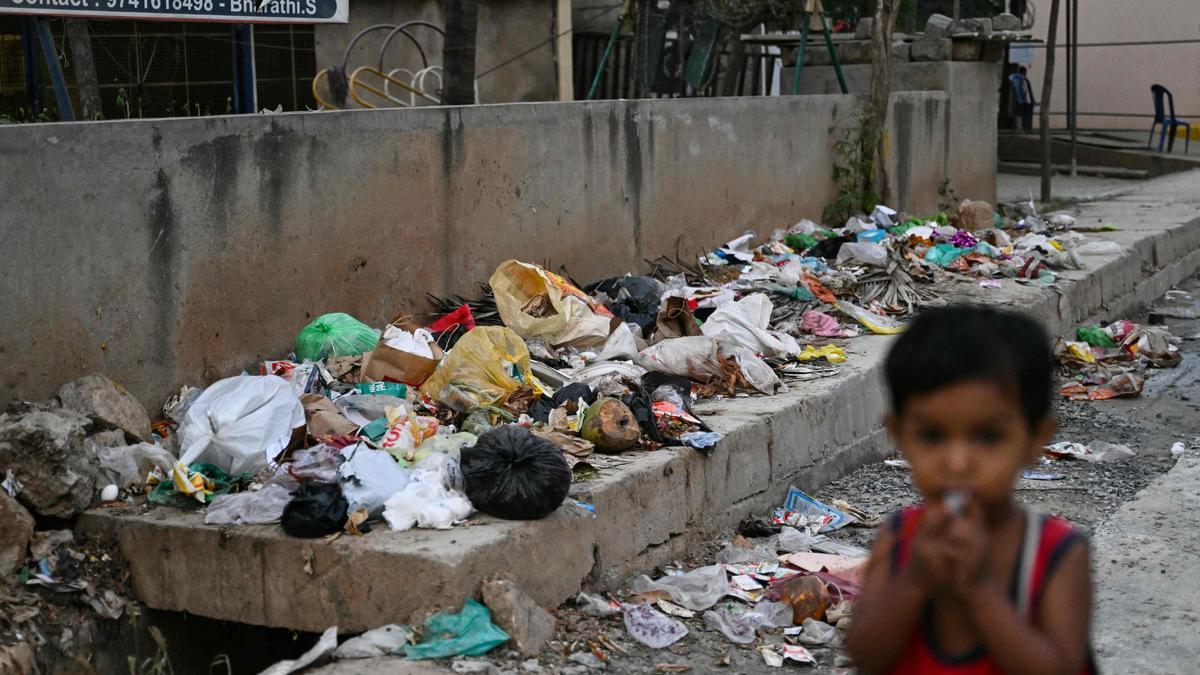
A Nightly Menace Exposed
Late-night dumping thrives on anonymity. Offenders typically operate between midnight and dawn, when streets are deserted and enforcement presence is minimal. BBMP officials say the practice is common in areas bordering main roads, near stormwater drains, and on empty plots awaiting construction. Contractors transporting debris, eateries disposing of food waste, and even households avoiding user fees have all been identified as contributors.
To counter this, the civic body has deployed flying squads, marshals, and surveillance teams tasked specifically with monitoring vulnerable dumping points after dark. CCTV footage, mobile patrols, and tip-offs from residents have helped identify offenders, leading to a steady rise in challans issued. On average, officials say, fines amounting to around ₹3 lakh are collected daily, with penalties varying based on the nature and volume of waste dumped.
Despite this, enforcement officials acknowledge that the numbers may only represent a fraction of the actual violations. Many dumping incidents go undetected, particularly in peripheral areas with limited surveillance infrastructure. The sheer size of the city and the lack of manpower during late-night hours make complete monitoring a daunting task.
Residents’ welfare associations have welcomed the intensified action but argue that fines alone cannot solve the problem. They point out that habitual offenders often treat penalties as a cost of doing business, especially bulk waste generators who find it cheaper to dump illegally than follow segregation and disposal norms.
The Cost to the City
Beyond the immediate environmental impact, late-night dumping places a significant financial burden on the civic administration. BBMP officials say additional resources are required to clear illegally dumped waste, including overtime wages for sanitation workers, fuel costs for vehicles, and repeated cleaning of the same locations. This not only strains the budget but also affects the morale of frontline workers tasked with keeping the city clean.
Health experts warn that uncollected waste poses serious public health risks. Rotting garbage attracts rodents and insects, increases the spread of vector-borne diseases, and contaminates nearby water sources. In areas where waste is dumped into drains, the problem worsens during the monsoon, leading to blockages and urban flooding.
Environmentalists have also flagged the impact on Bengaluru’s fragile ecosystem. Plastic waste, construction debris, and hazardous materials dumped indiscriminately often find their way into lakes and open land, contributing to long-term ecological damage. They argue that the issue reflects a lack of accountability across the waste management chain, from generation to disposal.
Civic officials insist that enforcement is being backed by awareness campaigns aimed at changing behaviour. Door-to-door outreach, signage warning of penalties, and coordination with police departments are part of a broader strategy to deter offenders. However, they admit that sustained behavioural change remains elusive.
Surveillance, Fines, and the Road Ahead
The BBMP has indicated that it plans to expand surveillance coverage at known dumping hotspots, including the installation of additional cameras and improved lighting. Officials say technology-driven solutions, such as GPS tracking of garbage vehicles and real-time monitoring, could help reduce illegal dumping by ensuring accountability at every stage of waste collection.
There is also a push to involve communities more actively in monitoring and reporting violations. Resident volunteers, night guards, and shop owners are being encouraged to alert authorities when they spot dumping activity. Some wards have experimented with citizen-led vigilance groups, reporting a decline in violations as offenders realise they are being watched.
At the policy level, civic leaders are considering stricter penalties for repeat offenders, including higher fines and potential legal action. Officials argue that deterrence must be strong enough to outweigh the convenience of illegal dumping. At the same time, they acknowledge the need to address structural gaps, such as inadequate processing facilities and inconsistent collection services in certain areas.
Urban planners say Bengaluru’s waste crisis cannot be solved through enforcement alone. They call for a holistic approach that includes decentralised waste processing, improved segregation at source, and greater accountability for bulk generators. Without these measures, they warn, the city will continue to chase symptoms rather than address root causes.
For many residents, the daily fine collection figure is a sobering statistic that reflects a collective failure of civic responsibility. While enforcement has brought the issue into the spotlight, lasting change will depend on whether citizens, businesses, and authorities can work together to break the habit of dumping under cover of darkness. Until then, Bengaluru’s nights will continue to reveal an uncomfortable truth about its struggle to manage the waste it generates each day.
Officials involved in waste enforcement say that one of the biggest challenges is identifying the source of dumped waste with certainty. In many cases, garbage bags are deliberately left unmarked, mixed waste is wrapped together, and identifying documents are removed to avoid tracing responsibility. This forces enforcement teams to rely heavily on CCTV footage and eyewitness accounts, which are not always available or clear.
Sanitation workers have also raised concerns about safety while clearing waste dumped at night. Broken glass, sharp construction debris, medical waste, and food scraps attract stray animals, exposing workers to injuries and health risks. Unions representing pourakarmikas have repeatedly demanded stricter action against offenders, arguing that workers should not bear the consequences of repeated civic violations.
Some ward-level officials point out that gaps in door-to-door waste collection timings contribute to the problem. In localities where collection vehicles arrive irregularly or during working hours, residents and small businesses tend to store waste longer and eventually dispose of it illegally at night. Addressing these operational lapses, they say, is as important as enforcement.
Commercial establishments such as hotels, meat shops, and street-side eateries have emerged as frequent violators, according to BBMP data. While many of them generate wet waste in large quantities, compliance with segregation rules remains inconsistent. Officials say targeted inspections of commercial zones during late hours have resulted in a spike in penalties but have not fully curbed the practice.
There is also growing concern about construction and demolition waste being dumped illegally after midnight. Contractors transporting debris often choose deserted stretches of road or vacant plots to avoid paying authorised disposal fees. Urban planners warn that such dumping damages soil quality, blocks drains, and creates long-term maintenance problems for the city.
Civic activists argue that fines collected should be transparently accounted for and reinvested into improving waste infrastructure. They suggest that funds generated through penalties be earmarked for setting up more dry waste collection centres, composting units, and awareness programmes at the ward level to ensure visible impact.
BBMP officials say they are exploring collaborations with technology firms to use artificial intelligence-based surveillance to detect dumping activity in real time. Motion sensors, number plate recognition, and automated alerts are being studied as tools to strengthen enforcement without significantly increasing manpower.
Legal experts note that while existing municipal laws provide for penalties, prosecution rates remain low. Most cases are settled through spot fines, with very few escalating into legal proceedings. Stronger legal follow-up, they argue, could send a clearer message to habitual offenders who continue to violate norms.
Residents’ groups have stressed the importance of sustained public engagement. They say that cleanliness drives and short-term crackdowns often lose momentum, allowing dumping to resume once enforcement pressure eases. Continuous monitoring and community ownership are essential to prevent the problem from resurfacing.
As Bengaluru continues to grow and generate more waste each day, the issue of late-night dumping stands as a test of urban governance and civic sense. While ₹3 lakh in daily fines signals action, many believe true success will be measured not by revenue collected, but by quieter nights free of garbage piles and a city that takes collective responsibility for its waste.
Follow: Karnataka Government
Also read: Home | Channel 6 Network – Latest News, Breaking Updates: Politics, Business, Tech & More
