
Bengaluru is witnessing a bustling start to the Sankranti festivities as local markets experience a sharp surge in shoppers, with streets and commercial hubs crowded with families and festive buyers. Vendors across the city report significantly increased footfall, particularly in traditional markets such as KR Market, Russell Market, and Avenue Road, as residents stock up on essentials, festive sweets, and decorative items. The surge in demand has coincided with a noticeable rise in prices, prompting discussions among shoppers and consumer rights groups about affordability. Traders, however, attribute the price rise to increased procurement costs, seasonal demand, and supply chain constraints, framing it as a normal consequence of the festive season.
Shoppers have been seen queuing outside stores from early morning, with many making bulk purchases of traditional items such as jaggery, sesame seeds, sugarcane, and ghee, which form an integral part of Sankranti celebrations. Decorative items like torans, rangoli colours, and traditional attire are also in high demand. Retailers report that perishable commodities, including vegetables, fruits, and milk products, have seen a price hike of 15 to 20 percent compared to the previous weeks. The festive mood, however, has not dampened enthusiasm, as families participate in customary shopping sprees, eager to prepare their homes for celebrations.
Local authorities have taken note of the surge in market activity, issuing advisories to manage crowd movement and ensure smooth traffic flow. Parking arrangements have been temporarily increased in commercial areas, while police and municipal officials are monitoring crowd management to prevent congestion and accidents. In addition, markets are implementing safety and hygiene measures in the wake of post-pandemic public awareness, ensuring shoppers can move freely while maintaining essential precautions. Officials have also urged shoppers to be cautious about pricing and quality, reminding vendors of regulations against overcharging during festivals.
Price Hikes, Consumer Behaviour, and Vendor Strategies- Markets
The rise in commodity prices ahead of Sankranti has generated debates among consumers, with some expressing concern over affordability while others accept it as part of seasonal fluctuations. Key staples like jaggery and sesame seeds, which form the basis of traditional Sankranti delicacies such as ellu-bella and til laddus, have reportedly become costlier by 20 to 25 percent due to higher transportation and procurement expenses. Retailers justify the price increase by citing increased fuel costs, vendor shortages, and heightened demand as families prepare for festival rituals.
Consumer behaviour has adapted to these changes, with some shoppers switching to smaller packets or buying from wholesale markets to balance costs. Online grocery platforms have also recorded higher traffic, with users opting for doorstep delivery to avoid crowded marketplaces. Analysts note that the dual demand in physical and digital markets has contributed to price inflation, as both channels compete for limited festive stock. For many Bengaluru residents, careful planning and early shopping have become strategies to manage both cost and availability during Sankranti.
Vendors are also adjusting their strategies in response to the festive surge. Many have extended operating hours, stocked additional inventory, and offered bundle deals to attract buyers. Some specialty shops, particularly those selling traditional items like sweets, handicrafts, and ornamental torans, have witnessed a tenfold increase in sales compared to non-festive periods. Seasonal workers have been employed to manage inventory and assist shoppers, reflecting the temporary intensification of commercial activity. The vibrant atmosphere has not only boosted business but also reinforced Bengaluru’s reputation as a city where traditional festivals are celebrated with enthusiasm and energy.
Market observers note that Sankranti also reflects deeper socio-cultural trends in urban Bengaluru. The festival, associated with harvest and prosperity, continues to foster community interaction despite urban lifestyles. The preparation for Sankranti has turned marketplaces into social hubs, with residents exchanging greetings, gifting sweets, and participating in last-minute shopping rituals. The festive spending, while contributing to temporary price rises, also fuels the local economy, benefiting small traders, vegetable vendors, and artisans involved in festival-specific production.
In conclusion, the lead-up to Sankranti in Bengaluru has transformed local markets into centers of vibrant activity, marked by crowded streets, soaring demand, and rising prices. While shoppers navigate logistical challenges and higher costs, vendors experience a period of heightened commerce that underscores the cultural and economic significance of the festival. The current surge in activity reflects not only the city’s festive spirit but also the broader dynamics of urban consumer behaviour during traditional celebrations. Residents, authorities, and traders alike are negotiating the balance between celebration, commerce, and crowd management, ensuring that Sankranti remains both joyful and orderly.
The surge in market activity ahead of Sankranti has also highlighted the role of traditional street vendors and small-scale artisans in Bengaluru’s festive economy. Many of these vendors rely on this short period to earn a substantial portion of their annual income. Stall owners selling items such as sugarcane sticks, handwoven mats, and traditional clay diyas report significantly higher daily earnings compared to regular weeks. For several artisans, the festival is an opportunity to showcase locally made handicrafts that might otherwise struggle to reach wider audiences, reinforcing the symbiotic relationship between cultural traditions and livelihoods.
In addition to physical markets, e-commerce platforms and mobile-based ordering systems have seen a surge in activity, as consumers look for convenience and the assurance of availability. Many families, especially in the IT and corporate hubs of Bengaluru, are choosing online shopping to avoid crowded spaces and manage time efficiently. Delivery companies have reported a noticeable spike in demand, prompting temporary hiring of delivery staff and extended operational hours. The convergence of digital and physical marketplaces underscores how traditional festivals are adapting to urban and technological realities.
The price increase of certain commodities has led to a wave of consumer comparison shopping. Shoppers are visiting multiple markets to find the best deals and are increasingly relying on price alerts from apps and social media groups. In some areas, local resident associations have circulated tips and lists highlighting reasonably priced vendors. Such informed consumer behaviour is gradually influencing vendor practices, encouraging competitive pricing and better quality standards. Economists suggest that this pattern may signal a long-term shift in how urban residents approach seasonal shopping.
Vegetable and fruit vendors have been particularly affected by heightened demand, as perishable goods form a core part of Sankranti celebrations. Traders report that high temperatures and transportation delays have contributed to marginal shortages in some areas, driving prices upward. Items like bananas, sugarcane, sesame seeds, and gourds have seen marked increases compared to last week. Some vendors are experimenting with pre-packaged festival kits that combine essential ingredients at fixed prices, catering to time-pressed buyers and ensuring steady sales despite fluctuating supply.
The festive rush has also prompted city authorities to focus on traffic and crowd management more rigorously. Police personnel and traffic controllers have been deployed in high-density shopping zones to prevent congestion and ensure pedestrian safety. Temporary no-parking zones have been enforced around busy markets, and public transport services have been increased to accommodate the growing number of commuters. Municipal officials have also emphasised sanitation measures, particularly around crowded stalls, to maintain hygiene and public health during the festival rush.
Financial institutions and ATMs have seen increased activity as well, with residents withdrawing cash to pay for traditional purchases. Many small vendors, especially those operating in informal setups, prefer cash transactions, leading to higher footfalls around local banks and automated teller machines. Some banks have proactively increased cash reserves and opened extended counters to meet this surge in demand. Observers note that while digital payments are growing, cash remains the preferred mode for many festival-related transactions, reflecting a mix of modern and traditional purchasing habits.
Cultural programmes and local fairs in the city have complemented the festive shopping, drawing additional crowds to market areas. Street performances, rangoli competitions, and food stalls create a lively atmosphere, further encouraging consumer spending. For local businesses, this combination of commerce and culture provides a boost that is both economic and social, as families engage with community traditions while completing their shopping. Vendors have reported that well-organised cultural events significantly increase foot traffic and sales, especially for decorative and gift items.
Consumer groups and resident associations have also highlighted concerns about price inflation during the festival. While seasonal rises are expected, some shoppers feel that certain items have been disproportionately marked up. Consumer rights activists have urged authorities to monitor pricing and ensure compliance with regulations to prevent exploitation. Educational campaigns advising buyers on quality checks and price comparisons have been circulated through local media, reflecting growing awareness and advocacy for fair trade practices during festivals.
The Sankranti rush has created temporary employment opportunities across the city, from delivery personnel to stall assistants and traffic coordinators. Seasonal labourers, including students and part-time workers, are being employed to manage inventory, guide shoppers, and handle logistics. This short-term employment helps many earn additional income, highlighting the festival’s broader economic impact beyond consumer spending. For local youth, participation in these roles also provides experience in customer service and operations management, skills that are transferable to future jobs.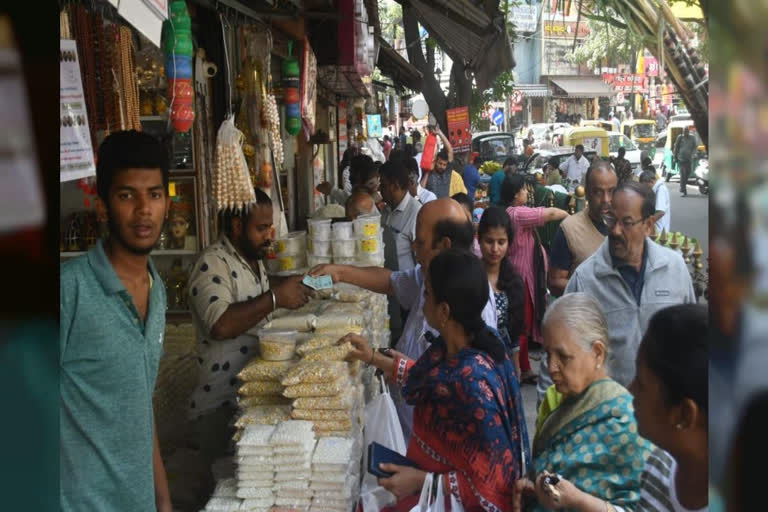
Finally, the festival’s economic impact extends to supporting traditional food and sweet-making industries. Confectioners, jaggery producers, and dairy suppliers report that Sankranti sales account for a significant portion of their yearly turnover. The demand for traditional sweets like til laddus, sakkare pongal, and other regional delicacies has surged, prompting increased production and supply chain adjustments. Vendors have coordinated with farmers and suppliers to ensure consistent stock, highlighting the interdependence between agriculture, food processing, and urban consumption during major cultural festivals.
The combined effect of heightened demand, rising prices, and bustling crowds has made Sankranti one of the most economically and culturally significant periods for Bengaluru markets, reflecting both the city’s vibrancy and the complexities of urban festive commerce.
Follow: Karnataka Government
Also read: Home | Channel 6 Network – Latest News, Breaking Updates: Politics, Business, Tech & More
