
Bengaluru’s rapid urbanisation and growing dependence on metro transport have led to a worsening parking crisis around metro stations, spilling into residential lanes and creating chaos for commuters and local residents alike. While the metro has been hailed as a solution to traffic congestion and pollution, inadequate parking facilities and poorly planned infrastructure around stations are undermining its efficiency. Residents report that cars, two-wheelers, and auto-rickshaws now crowd narrow lanes, blocking access and causing daily inconveniences that extend well beyond peak hours.
The pressure on residential lanes has also highlighted the inadequacy of urban planning in accommodating rapid population growth. Many neighbourhoods surrounding metro stations were not originally designed to handle heavy vehicular traffic. Narrow streets, limited entry and exit points, and lack of open spaces exacerbate congestion when commuters park outside designated areas. Planners argue that retrofitting these areas for modern transportation demands is complex but necessary to prevent long-term gridlock.
Residents report that the problem has also affected public safety. Fire trucks, ambulances, and other emergency services struggle to navigate crowded lanes, delaying response times during critical situations. The situation is particularly dangerous during monsoon months, when waterlogged streets further reduce maneuvering space. Civic experts warn that if unchecked, these conditions could lead to serious accidents or loss of life.
The environmental impact of the parking spillover cannot be overlooked either. Idling vehicles in congested lanes contribute to air pollution and carbon emissions, undermining the metro’s role as a cleaner alternative to private transport. Noise pollution has also increased in residential areas, disturbing the daily life of residents. Experts note that without coordinated traffic and parking management, the metro’s environmental benefits may be significantly diminished.
Some neighbourhood associations have taken matters into their own hands, petitioning municipal authorities for immediate intervention. Proposals include temporary parking zones on vacant plots, stricter monitoring of no-parking areas, and installation of automated barriers to prevent encroachment. While these initiatives demonstrate civic engagement, officials caution that long-term structural solutions are required to address the root cause of congestion rather than temporary fixes.
The private sector has begun exploring technology-driven interventions. Apps that provide real-time updates on available parking near metro stations, digital payment systems for paid lots, and automated valet services are being tested in some areas. These solutions aim to reduce search time for commuters and optimise existing space, though scalability remains a challenge given the sheer number of vehicles and stations in Bengaluru.
Public awareness campaigns are also gaining traction. Traffic authorities and metro operators are educating commuters about the consequences of illegal parking, the importance of using designated lots, and the benefits of shared transport options. By appealing to civic responsibility, authorities hope to gradually reduce the habit of encroaching on residential lanes, though behavioural change is expected to take time.
As Bengaluru prepares for the next phases of metro expansion, the parking crisis serves as a cautionary tale for planners and policymakers. The need for integrated transport planning—linking metro stations with safe, sufficient parking, feeder services, and pedestrian-friendly infrastructure—has never been more urgent. Without such measures, the city risks repeating the same congestion patterns, undermining both the utility of public transport and the quality of life in affected neighbourhoods.
The problem has been most pronounced in older parts of the city where metro stations are situated in densely populated areas. Commuters seeking parking spaces often resort to encroaching on sidewalks, public parks, and residential plots. In addition to obstructing traffic, this spillover has led to safety hazards for pedestrians, children, and senior citizens. Local authorities admit that while metro ridership has surged, complementary measures to manage parking have lagged behind, aggravating urban stress points.
Residents of areas such as Jayanagar, Indiranagar, and Whitefield have voiced concerns about the indiscriminate use of residential lanes by commuters. Homeowners complain that vehicles are frequently parked overnight, creating access issues for residents and emergency services. Some have resorted to placing barricades or informal warnings, but such measures have led to conflicts with motorists who argue that they have no alternative.
The issue is compounded by the lack of designated parking lots at metro stations. While several stations were built with limited parking facilities, these are often insufficient for the growing number of vehicles. Public transport experts argue that the absence of structured parking planning undermines the metro’s role as a sustainable commuting alternative, as commuters increasingly rely on private vehicles for first- and last-mile connectivity.
The traffic police have reported that violations around metro stations, including double parking and obstruction of lanes, have risen sharply. Regular fines are imposed, but enforcement is inconsistent due to the sheer volume of vehicles and the narrow width of lanes in residential zones. Authorities admit that traditional traffic management strategies are inadequate to address this hybrid problem of commuter overflow and urban density.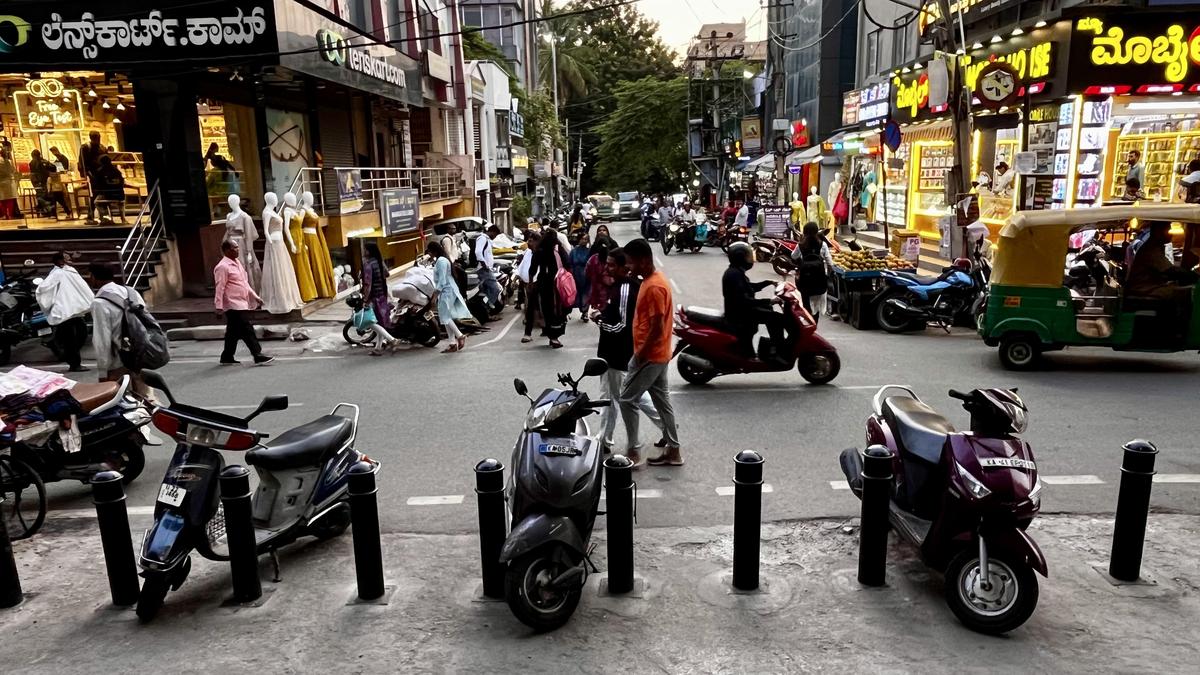
Impact on Residents, Commuters, and Local Economy
The spillover of metro parking into residential lanes has tangible consequences for local residents. Many complain of daily delays, difficulty in accessing their homes, and a constant risk of accidents. The congestion has also affected school transport, delivery services, and emergency vehicles, which face prolonged delays due to blocked lanes. Residents argue that the metro’s success should not come at the expense of their quality of life.
For commuters, the parking challenge has created frustration and unpredictability in daily routines. Many are forced to circle around multiple streets searching for space, sometimes several blocks away from stations. This adds to travel time, fuel consumption, and stress levels, discouraging some potential riders from using the metro altogether. Ironically, the metro, intended to ease traffic on city roads, has indirectly contributed to congestion in peripheral residential areas.
Local businesses in the vicinity of metro stations are also impacted. While increased footfall has benefitted some shops and eateries, the parking chaos often deters customers who drive to the area. Small vendors report that delivery trucks and suppliers face delays due to blocked lanes, affecting operations and profits. The unregulated overflow parking has thus had complex implications for the local economy.
Urban planners note that the issue underscores the need for integrated mobility solutions. While metro expansion continues at a rapid pace, surrounding infrastructure, including parking, pedestrian pathways, and feeder services, has not kept up. Planners argue that a lack of foresight in zoning, coordination between municipal authorities, and adherence to planning norms has created bottlenecks that could have been mitigated with early interventions.
One emerging trend is the use of informal arrangements, such as private parking operators leasing open spaces near metro stations. While this provides temporary relief, it has led to disputes over rates, overcrowding, and security concerns. Citizens and civic groups have called for transparent and regulated parking solutions that balance commuter needs with residential rights.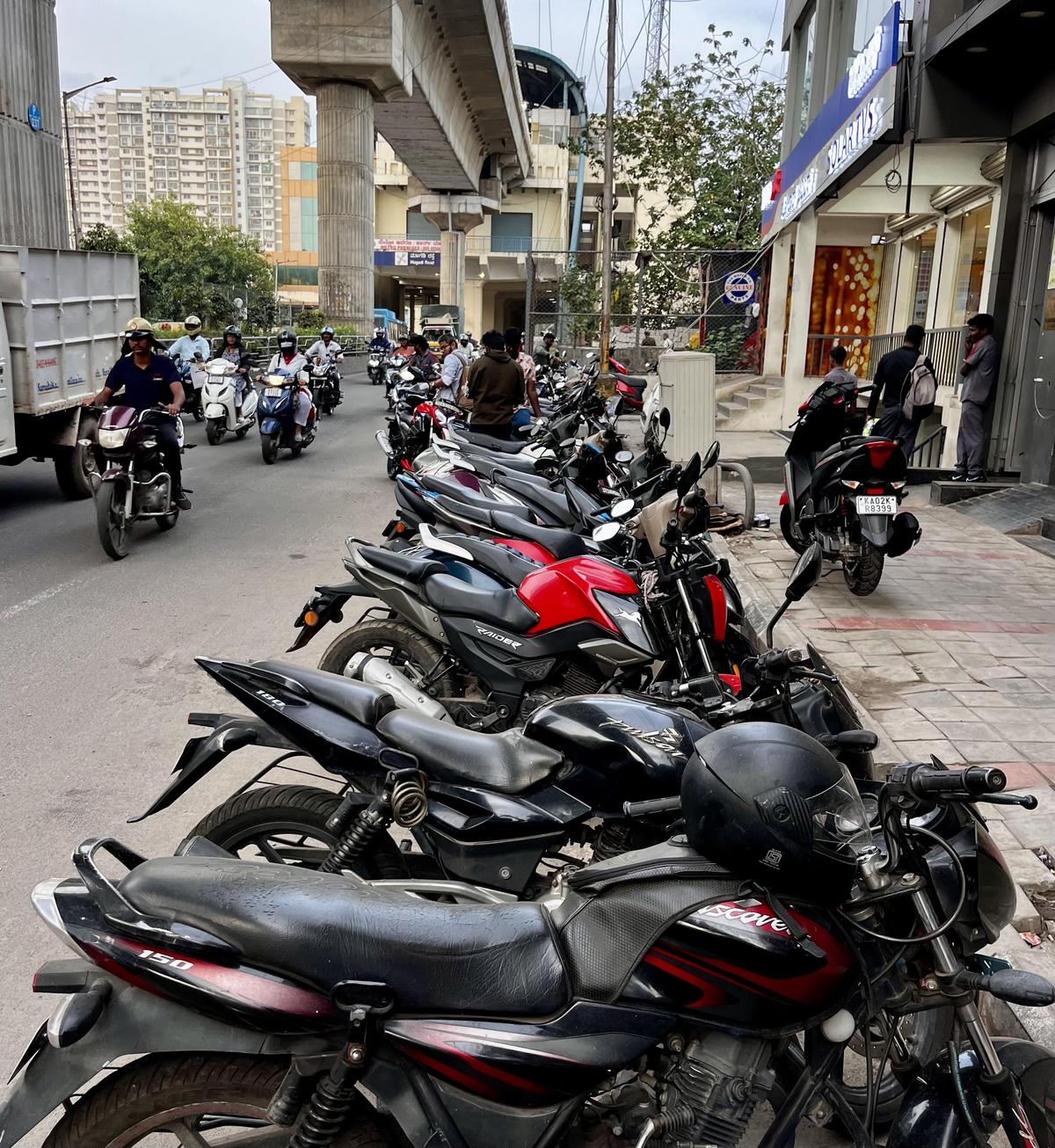
Proposed Solutions and Steps Ahead
Authorities are reportedly exploring several measures to address the parking crisis. Options under consideration include constructing multi-level parking complexes at major stations, designating nearby vacant plots for commuter parking, and introducing technology-driven solutions such as real-time parking apps. Some metro stations are piloting paid parking models to manage demand and discourage indefinite occupation of spaces.
The traffic police and municipal authorities are also coordinating to identify no-parking zones, widen streets where possible, and improve signage around stations. Officials believe that strict enforcement combined with public awareness campaigns could reduce violations and improve traffic flow. However, success depends on consistent execution and cooperation from commuters.
Feeder services are being emphasised as a long-term solution. Auto-rickshaws, electric shuttles, and bicycle-sharing programs could reduce reliance on private vehicles for station access. Experts argue that integrating metro connectivity with these options would decrease parking pressure while promoting environmentally friendly transport alternatives.
Urban planners have suggested revisiting land-use regulations near metro corridors. By mandating adequate parking in commercial and residential developments and incentivising shared mobility solutions, the city could prevent future congestion. Public consultations are being proposed to ensure that solutions meet the needs of both residents and commuters without compromising safety or convenience.
Meanwhile, residents and commuters continue to adapt to the challenges, often modifying travel timings, using peripheral parking lots, or relying on carpooling. Social media groups have emerged where citizens share updates on available parking spaces and traffic conditions around metro stations. Such community-driven initiatives, while helpful, are considered temporary fixes rather than permanent solutions.
The Bengaluru metro parking crisis reflects the broader challenges of urban mobility in a rapidly growing city. While the metro system represents progress toward sustainable transport, its benefits are constrained if complementary infrastructure is not prioritised. Resolving the crisis will require coordinated planning, investment in multi-modal solutions, and a clear understanding of the needs of all stakeholders—residents, commuters, and businesses alike.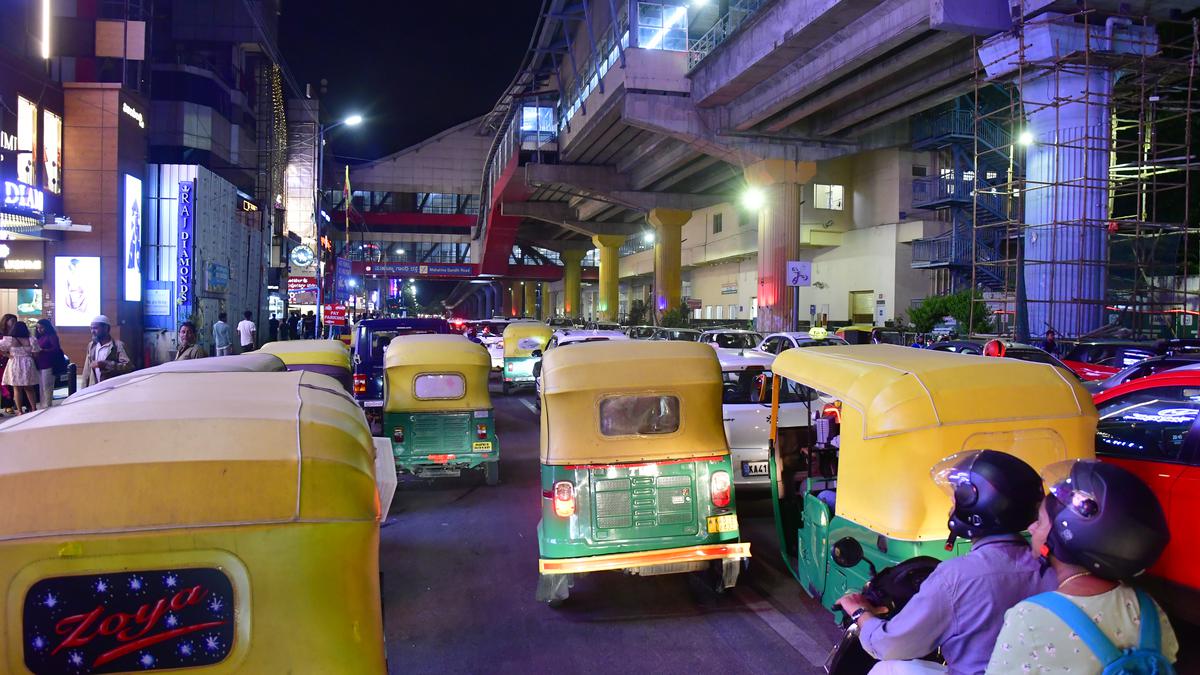
The situation continues to evolve, with authorities under pressure to implement meaningful solutions before the next phase of metro expansion exacerbates the problem. For now, Bengaluru’s residents and commuters navigate a daily balancing act, negotiating narrow lanes, illegal parking, and overflowing streets—reminders that urban growth, if unmanaged, can quickly turn convenience into chaos.
Follow: Karnataka Government
Also read: Home | Channel 6 Network – Latest News, Breaking Updates: Politics, Business, Tech & More
