
The sudden cancellation of all flights by IndiGo from Bengaluru to Mumbai and Delhi until 11:59 p.m. on December 5 has sent shockwaves through thousands of travellers and disrupted countless plans. The official advisory from the airport authority at Kempegowda International Airport Bengaluru (KIA) came just hours before the first scheduled departures of the day, leaving passengers scrambling for alternatives. Families en route to reunions, business travellers rushing for meetings, and holiday-bound tourists alike found themselves stranded — a logistical nightmare unfolding in real time.
The advisory cited “operational constraints” — a vague term that offered little comfort to those left stranded. No specifics were given about the nature of the disruption: whether it was due to aircraft unavailability, crew shortages, or air traffic conflicts. IndiGo staff at counters and gates maintained an apologetic stance but admitted they had no clarity either. Passengers were told to seek refunds or reschedule, with no guarantee of seat availability. The uncertainty bred anger and anxiety, transforming early-morning anticipation into frantic phone calls and long queues.
At Bengaluru airport, the atmosphere turned tense as flight after flight was systematically scrubbed from departure boards. Passengers constantly refreshed airline apps hoping for rebooking notifications, but none arrived. Some travellers, meant to board connecting flights in Mumbai or Delhi, realized their entire itinerary was now in jeopardy. Taxi drivers waiting outside terminals faced cancellations, hotels lost bookings, and families expecting guests began calling desperately. For many, the day’s plans weren’t just delayed — they were evaporating in front of their eyes.
Among the stranded were individuals rushing to Delhi on urgent business. One young executive travelling for a last-minute merger meeting described the chaos: “My journey was planned six months ago, flights booked, hotels confirmed. And now… nothing. I was told maybe a flight after midnight tomorrow, if seats free.” Others were mid-journey — purchased tickets, airport transfer arranged, baggage checked. Some had senior citizens or children with them, making the uncertainty heavier. What was supposed to be a routine trip turned into a waiting game with no end in sight.
Families heading to Mumbai ahead of the holiday season were equally distressed. Parents flying in to meet their children, couples planning vacations, and relatives expecting grandchildren back home found themselves stuck. One mother travelling with her elderly father struggled to find alternate transport. “My father cannot travel by train easily,” she said. “We booked this flight months ago. Now we don’t know if we’ll reach in time, or at all.” The emotional toll, on top of the chaos, was becoming unbearable.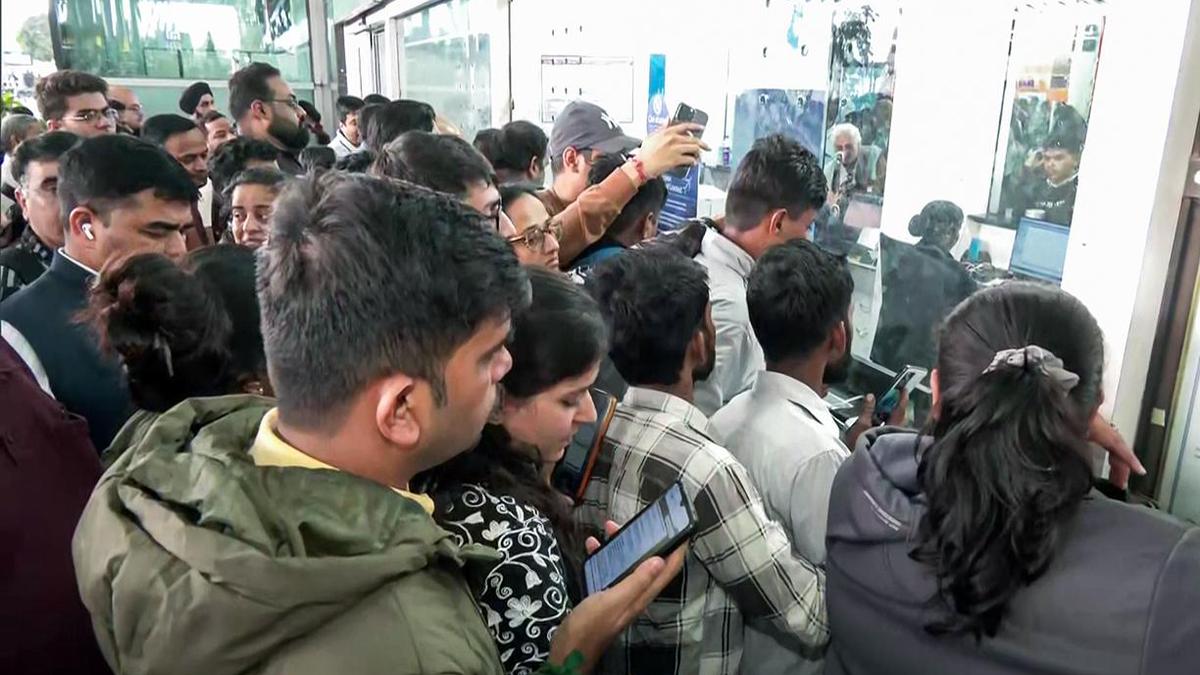
This shutdown came at a delicate time: the early December rush, with people travelling for winter holidays, year-end work assignments, and family gatherings. Both Mumbai and Delhi are major hubs for work and leisure, and flights from Bengaluru are usually packed. The abrupt grounding of all services to these cities threatened to cause a ripple effect — empty hotel rooms, cancelled plans, lost wages, and a cascading domino of disappointments for travellers across India.
CHAOS AT THE TERMINAL – STRANDED PASSENGERS AND FRUSTRATED PLANS
In the terminals, scenes of distress unfolded. Families crowded around help desks, stacks of luggage piled up, children dozed on benches, and elderly travellers stood in long queues hoping to get some travel advice. Airport announcements offered little more than apologies, while airline counters displayed generic forms for refund processing. Some travellers tried to call other airlines, but seats were scarce everywhere. For many, their only option was to wait — and hope.
Business travellers tried to salvage what remained of their day. A senior corporate official, dressed formally and harbouring hopes of catching an evening flight, sat hunched over his phone, refreshing booking portals. When nothing came up, he closed his eyes, exhaled sharply, and muttered: “This meeting cannot wait. I’ll have to take the train and hope for the best.” Others held video calls with clients in Mumbai, explaining delay after delay, uncertain if they’d ever reach in time. Productivity, promises, and plans — all hanging by a thread.
Young couples and vacation-bound friends appeared equally disillusioned. Some had planned getaways, long-awaited reunions, or weekend breaks in Delhi or Mumbai. Their travel bags became temporary couches as they sat by the gates, phones in hand, trying to find alternate flights or train tickets. Many resorted to sharing cabs back to the city or drove hundreds of kilometres, hoping to catch a train — a poor consolation for a journey meant to begin with ease and excitement.
Over in luggage-claim areas, frustrated wait-lists formed as baggage held for the cancelled flights awaited release. Some bags were cleared quickly, others remained locked or misplaced. Reports emerged of travellers leaving empty-handed despite being denied boarding — a bitter aftertaste added to their frustration. Meanwhile, airport staff struggled to manage the crowd, answer queries, and maintain order. The sense of confusion, uncertainty, and unresolved anger was thick in the air.
ACCOUNTABILITY, ALTERNATIVES AND AIRLINE RESPONSE
By noon, the official line from IndiGo remained brief: flights cancelled until 11:59 p.m., rebooking subject to seat availability, refunds possible but not guaranteed immediately, and no explanation beyond “operational constraints.” The airport authority’s advisory echoed the same, cautioning travellers against heading to terminals unless confirmed. No public announcement clarified whether the disruption was due to aircraft maintenance, crew shortage, airspace congestion or weather — leaving many to speculate.
Several travellers began exploring alternatives: other airlines, trains, bus routes. But surge pricing and lack of availability quickly complicated those paths. The state-run rail network saw a sudden uptick in bookings, pushing many trains to capacity. Others tried to book flights from nearby airports, but connecting transport was costly and uncertain. For many, the fallback options meant longer journeys, higher expenses and uncertain arrival times — inconvenient at best, heartbreaking at worst.
Passengers started demanding accountability. Social media groups and family chats exploded with anger and disbelief. Many demanded proper explanations, timely recompense, and assurance for safe arrival. Some vowed never to fly with IndiGo again, while others called for refunds that covered more than just ticket price — lost wages, alternate travel costs, and emotional distress. The involvement of so many stranded travelers gave the situation resonance beyond a simple travel cancellation.
Travel experts weighed in, warning that repeated last-minute cancellations were eroding public trust in the aviation system. They argued that if airlines and airports fail to guarantee minimal standards of communication and contingency planning, passengers should be compensated beyond mere ticket refunds. Governments and regulators, they said, must step in to enforce accountability protocols, especially when large numbers of people are affected by systemic failures.
With night approaching and still no new flights confirmed, uncertainty loomed large. Hotels near the airport began filling up as some travellers opted to stay overnight, unable to leave for home. Others hopped into cars or shared taxis, heading back to city outskirts, resigned to sleep in makeshift arrangements or friends’ homes. Many simply sat, exhaustion and frustration etched on their faces, unable to sleep. What was supposed to be a 3-hour flight now felt like an ordeal stretching into infinity.
As midnight approached, the advisory remained firm: no flights until 11:59 p.m. People stared at departure boards, hoping for the names of their flights to flash back. But the screens stayed blank. No aircraft assignments, no gate numbers, no boarding calls. For many, the wait had crossed the threshold of despair — patience exhausted, plans shattered, and the knowledge that some journeys might never resume.
But the impact extended beyond just stranded travellers. The travel industry, particularly in Bengaluru, began to feel the ripple effect. Hotels lost bookings, cab drivers lost fares, local shops at the airport lost sales. Tourism bookings tumbled. For many small businesses dependent on steady travel flow, the grounding of flights was more than an inconvenience — it threatened income and livelihoods.
By early December evening, the public outcry had grown loud. Editorial columns, social media posts, and community groups echoed the same demand — transparency and responsibility. People pointed out that cutting off two major routes during peak travel time looked negligent, not occasional misfortune. The common sentiment was that airlines and airports are too quick to issue blanket cancellations without offering concrete support or clear reasons.
Calls rose for better regulatory oversight. Advocates said airlines must publish clear reasons for cancellations — mechanical faults, crew issues, airspace delays — instead of hiding behind vague “operational” terms. Compensation frameworks should cover more than ticket costs. Airlines should offer alternative transport, vouchers, or reimbursements for unavoidable consequences. In the absence of such protections, travellers remain vulnerable to systemic failures — and emotional damage.
For the now-stranded passengers, lessons began to emerge. Some resolved to avoid peak travel days, book buffer days around important events, or favour rail services when possible. Others said they would diversify travel plans — avoid relying on a single flight booking for critical journeys. The disruption exposed how fragile travel arrangements can be when everything depends on a single airline’s schedule.
In the aftermath, a few travellers did manage to rebook — some with other airlines, some on late-night flights after 11:59 p.m. But many accepted defeat and postponed their journeys. Reunion dinners got cancelled, business meetings delayed, holiday plans abandoned. What started as an inconvenience had turned into a wide-reaching crisis — unraveling lives, schedules, and expectations across networks of people.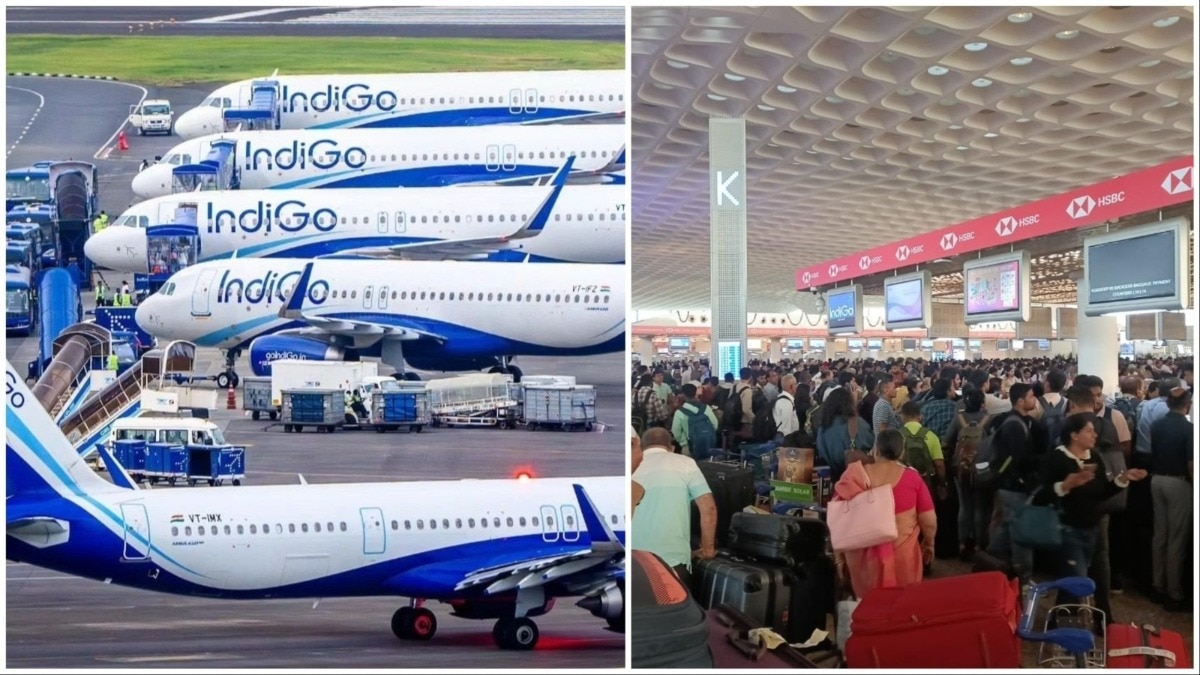
As the clock ticked beyond midnight, the departure boards remained dark, flights blank, gates silent. The airport, once bustling, felt like a graveyard of plans — baggage still lying, chairs empty, screens off. Travellers waiting in lobbies drifted into uneasy sleep, some on benches, some in cars, some on floors. A weary hush replaced the earlier panic; exhaustion had taken over.
In the quiet despair of the night, travellers wondered when normalcy would return. For many, December 5 would forever be remembered not as a travel day, but as a day of uncertainty, frustration, and dreams grounded before takeoff. The sudden shutdown of flights from Bengaluru to Mumbai and Delhi exposed vulnerabilities in air travel — and in the process, disrupted lives in ways far beyond the runway.
For the travelling public, the message was clear: in a system vulnerable to sudden breakdowns, always build backup plans. For airlines and regulators, the warning was loud: uncertain operations, opaque communication, and inadequate support cost far more than just lost flights. Until those lessons are learned, every passenger remains just one cancellation away from heartbreak.
Follow: Karnataka Government
Also read: Home | Channel 6 Network – Latest News, Breaking Updates: Politics, Business, Tech & More
