
Kempegowda International Airport Bengaluru (BIAL) is exploring the possibility of establishing direct flight connections between Bengaluru and destinations in South Korea, a move that reflects the city’s growing global economic and technological engagement. Airport officials and industry stakeholders have indicated that discussions are underway to assess demand, airline interest, and logistical feasibility for launching non-stop services. If realised, the route would strengthen Bengaluru’s position as a major international aviation hub and enhance connectivity between India’s technology capital and one of East Asia’s leading industrial and innovation economies.
The prospect of direct connectivity with South Korea is also expected to stimulate business collaboration in high-technology sectors. Karnataka has positioned itself as a hub for information technology, biotechnology, aerospace, and advanced manufacturing, areas where South Korean firms maintain strong global footprints. Easier air links could encourage corporate delegations, joint ventures, and research partnerships. Industry bodies believe reduced travel time will make Bengaluru a more attractive base for Korean investments, while local companies seeking partnerships in electronics, automotive components, and semiconductors may gain smoother access to counterparts in Seoul and other industrial centres.
Educational and research exchanges could form another key outcome of the proposed routes. Universities and research institutions in both regions already maintain academic ties in engineering, artificial intelligence, and life sciences. Direct flights would simplify faculty exchanges, student mobility programmes, and participation in international conferences. Students pursuing higher education opportunities abroad often weigh travel convenience as a factor, and improved air links may influence academic collaboration decisions. Over time, this connectivity can help strengthen knowledge networks that support innovation and skill development across borders.
Tourism authorities also see potential growth in two-way travel. South Korean travellers have shown rising interest in cultural heritage, wellness tourism, and technology-driven urban destinations. Karnataka offers a mix of historical sites, natural landscapes, and a cosmopolitan city experience in Bengaluru. At the same time, Indian travellers are increasingly exploring East Asian destinations for leisure and cultural experiences. Direct routes could reduce travel fatigue associated with transit stops, making tour packages more appealing. Travel operators anticipate that easier connectivity may encourage airlines to collaborate with tourism boards on promotional initiatives.
From an aviation operations perspective, launching a long-haul route requires alignment of aircraft availability, slot coordination, and demand forecasting. Airlines must evaluate passenger volumes, cargo potential, and seasonal travel patterns before committing to services. Bengaluru’s airport, with its expanding terminal capacity and cargo handling infrastructure, is positioning itself to support such long-distance operations. Airport authorities have been working to attract new international carriers by highlighting traffic growth and the city’s status as a technology and innovation hub.
If realised, direct flights to South Korea would further strengthen Bengaluru’s profile as a global gateway rather than solely a domestic aviation centre. Expanding intercontinental links aligns with broader strategies to integrate Indian cities more deeply into global economic and cultural networks. While discussions are still at an exploratory stage, stakeholders view the proposal as a step toward diversifying international connectivity. The eventual outcome will depend on commercial viability assessments, regulatory approvals, and airline network planning decisions in the coming months.
The proposal aligns with Bengaluru’s expanding profile as a centre for information technology, electronics, biotechnology, and research collaborations. South Korea, home to globally influential companies in electronics, automotive manufacturing, and advanced technology sectors, maintains strong commercial ties with Indian firms. Business delegations, joint ventures, and technology partnerships have grown steadily in recent years. Direct air connectivity is often viewed as a catalyst for deeper trade and investment, as it reduces travel time and logistical barriers, making cross-border engagement more efficient for corporate leaders and professionals.
At present, travellers between Bengaluru and South Korea typically rely on connecting flights through hubs in Southeast Asia, the Middle East, or other international gateways. While such routes are functional, they involve longer travel times and additional layovers. A direct flight would significantly cut journey duration, making travel more convenient for business executives, students, tourists, and cultural exchange participants. Aviation analysts note that direct connectivity often stimulates demand rather than merely serving existing traffic, as improved convenience encourages new categories of travel.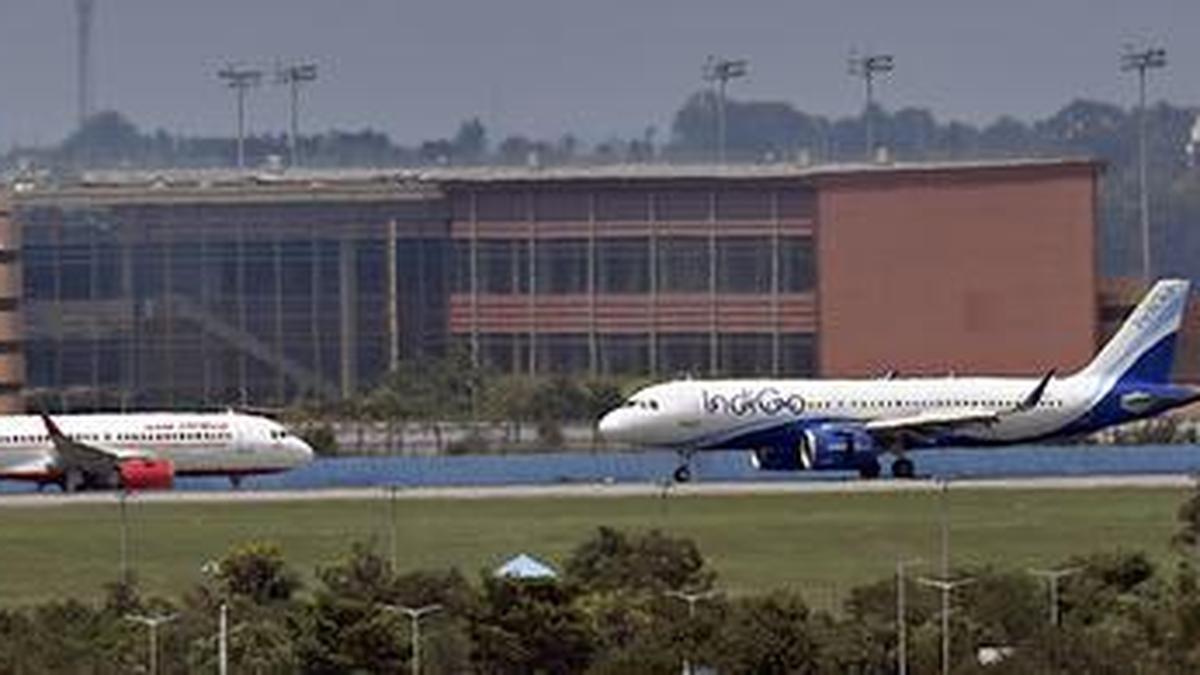
BIAL’s interest in expanding long-haul routes reflects broader growth trends at the airport. Over the past decade, Bengaluru’s airport has seen rising passenger volumes, expanded terminal capacity, and enhanced infrastructure to support international operations. As airlines evaluate new routes, they consider factors such as passenger demand, cargo potential, airport facilities, and regional economic links. Officials believe Bengaluru’s dynamic economic environment and increasing international footprint make it a strong candidate for new long-haul services, including connections to Northeast Asia.
ECONOMIC AND TECHNOLOGICAL SYNERGY DRIVES DEMAND
Industry observers highlight the economic logic behind pursuing direct links with South Korea. Both regions share strengths in technology, manufacturing innovation, and research ecosystems. Indian technology firms collaborate with Korean companies on software development, electronics design, and emerging technologies. Business travel related to these partnerships generates a steady flow of professionals moving between the two countries. Direct flights could streamline these interactions, facilitating quicker project coordination, site visits, and executive meetings.
The educational sector may also benefit from improved connectivity. South Korea has become an attractive destination for higher studies and research exchanges, particularly in engineering, design, and applied sciences. Likewise, Indian institutions host Korean students and academic collaborations. Shorter travel times can make exchange programmes more accessible and frequent. Universities often emphasise ease of travel when developing international partnerships, and direct air links can strengthen institutional relationships.
Tourism represents another area of potential growth. South Korean travellers are increasingly exploring international destinations, while Indian tourists show interest in East Asian culture, heritage, and cuisine. Bengaluru, with its mix of technology-driven modernity and access to cultural and natural attractions in southern India, can serve as an entry point for visitors. Tourism boards and travel operators often view direct flights as crucial for promoting new travel circuits. Increased passenger movement in both directions could benefit hospitality, retail, and local service industries.
Cargo prospects further support the case for direct routes. South Korea’s role in electronics manufacturing and India’s position in pharmaceuticals, textiles, and technology components create opportunities for high-value air freight. Direct connections reduce transit times for time-sensitive goods, improving supply chain efficiency. Airports increasingly consider cargo viability alongside passenger demand when planning long-haul services. Enhanced cargo links can complement passenger travel, making routes more commercially attractive to airlines.
However, route development involves careful planning. Airlines must evaluate aircraft availability, load factors, operational costs, and regulatory clearances. BIAL’s role includes engaging with carriers, providing data on demand projections, and offering incentives where applicable. Government agencies may also support such initiatives through bilateral air service agreements. The process can take time, but sustained engagement between airport authorities, airlines, and policymakers increases the likelihood of success.
AVIATION STRATEGY AND REGIONAL CONNECTIVITY
The push for direct flights to South Korea reflects a broader strategy of diversifying Bengaluru’s international network. Traditionally strong links with the Middle East, Europe, and Southeast Asia are now being complemented by efforts to reach new regions. Expanding connectivity to East Asia aligns with India’s evolving trade and diplomatic engagement in the region. Airports serve as gateways not only for travel but also for economic diplomacy, facilitating exchanges that strengthen bilateral relationships.
Infrastructure readiness is a key factor. Bengaluru’s airport has invested in expanded terminals, cargo facilities, and passenger services designed to handle long-haul operations. Modern amenities, efficient customs procedures, and improved ground connectivity enhance the airport’s attractiveness to international airlines. Such infrastructure signals readiness to support new routes and deliver a positive passenger experience, which airlines consider when selecting destinations.
Regional economic development also plays a role. Karnataka hosts numerous multinational companies, technology parks, and industrial zones that generate international travel demand. As more foreign firms establish operations in the region, the need for direct connections grows. Air connectivity can influence corporate location decisions, with companies preferring cities that offer convenient global access. In this sense, aviation development becomes part of broader economic planning.
Competition among airports is another dimension. Major Indian airports are actively pursuing new international routes to strengthen their global profiles. Securing a direct South Korea connection would enhance Bengaluru’s standing in this competitive landscape. Airports often collaborate with tourism bodies and business associations to demonstrate demand and build cases for new services. Such coordinated efforts underline the strategic importance of route expansion.
Environmental considerations are increasingly part of aviation planning as well. Long-haul routes must align with sustainability goals, and airlines are investing in more fuel-efficient aircraft. Direct flights can sometimes reduce overall emissions compared to multi-stop journeys by minimising additional takeoffs and landings. Balancing connectivity growth with environmental responsibility remains a challenge, but technological advances and policy frameworks are shaping more sustainable aviation practices.
For travellers, the prospect of a direct link carries both practical and symbolic value. It represents recognition of Bengaluru’s status as a globally connected city. Easier travel fosters not only commerce but also cultural exchange, tourism, and personal connections. Over time, such links can deepen mutual understanding between regions, reinforcing ties beyond economics.
Challenges remain before the route materialises. Market studies must confirm sufficient demand year-round, and airlines must commit aircraft and schedules. External factors such as global economic conditions, fuel prices, and travel trends influence decisions. Yet, the very exploration of the route signals confidence in Bengaluru’s growth trajectory and its role in international networks.
In conclusion, BIAL’s interest in direct flights between Bengaluru and South Korea highlights the intersection of aviation, economic development, and global engagement. The initiative promises benefits across business, education, tourism, and cargo sectors while reinforcing the city’s position as a key international gateway. If negotiations and planning translate into operational services, the connection could mark a significant milestone in Bengaluru’s aviation journey, linking two dynamic regions through faster, more direct travel and opening new avenues for collaboration and exchange.
Follow: Karnataka Government
Also read: Home | Channel 6 Network – Latest News, Breaking Updates: Politics, Business, Tech & More
