
In a move aimed at enhancing urban aesthetics and commuter experience, the Bangalore Metro Rail Corporation Limited (BMRCL) has initiated a comprehensive beautification drive along the Pink Line corridor on Bannerghatta Road. Officials stated that the project will include landscaping, artistic installations, improved pedestrian pathways, and greenery enhancement along the metro stretch. The initiative aims to create visually appealing urban spaces while promoting sustainable and accessible infrastructure for daily commuters. Authorities emphasized that the drive is part of a broader effort to integrate functional transport infrastructure with aesthetic and environmental considerations, making city travel more pleasant and user-friendly.
The Pink Line, which connects key residential, commercial, and educational hubs, witnesses heavy daily footfall. BMRCL officials noted that enhancing the visual appeal of stations, surrounding areas, and pedestrian access points will improve the overall commuter experience. The beautification drive will include planting trees and shrubs, installing street furniture, murals, and digital information boards, as well as improving lighting and signage. Urban planners highlighted that such enhancements contribute to civic pride, community engagement, and environmental well-being, alongside functional urban mobility.
URBAN IMPACT AND COMMUNITY BENEFITS
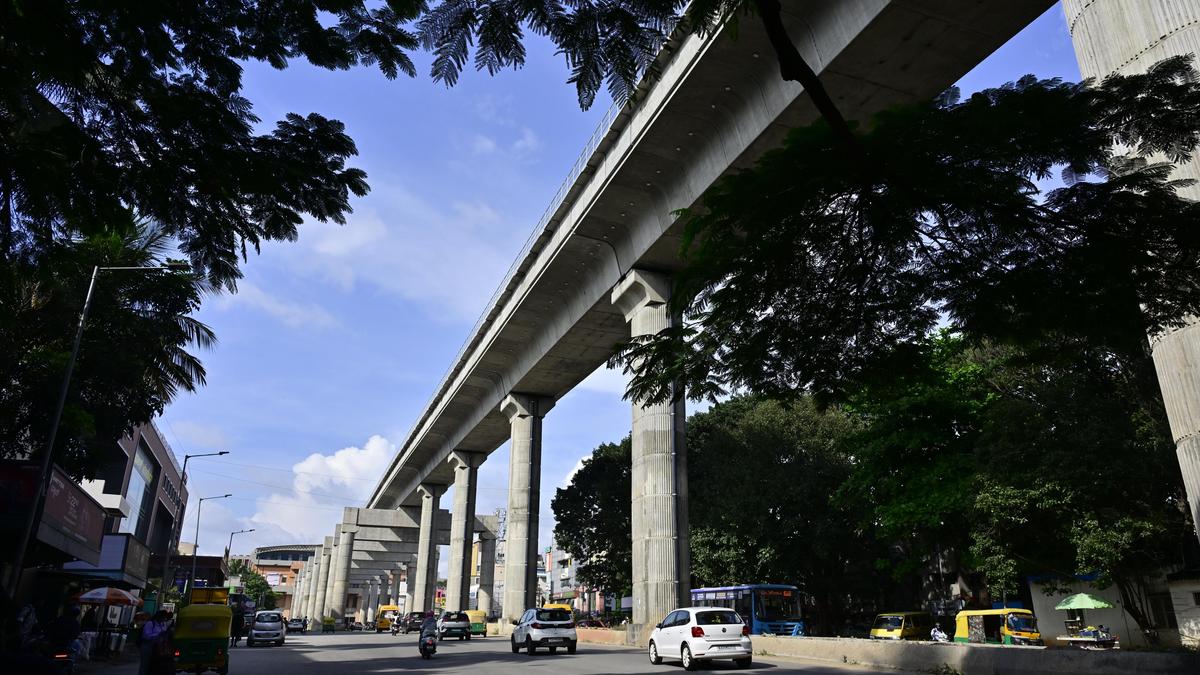
Authorities emphasized that the project aims to create an inclusive and safe environment for all commuters, including senior citizens, differently-abled individuals, and school-going children. Wider walkways, tactile paving, seating arrangements, and shaded areas will be incorporated into the design to encourage pedestrian movement and accessibility. Experts noted that integrating usability and aesthetics ensures that urban spaces are not only visually attractive but also functional, promoting sustainable commuting practices.
The beautification drive also involves collaboration with local artists, community groups, and educational institutions to promote public art and cultural representation along the Pink Line corridor. Murals and installations will reflect local heritage, biodiversity, and social messages, creating a sense of identity and engagement among residents. Urban planners emphasized that such cultural integration transforms functional spaces into vibrant urban experiences, fostering community ownership and civic participation.
BMRCL officials stated that environmental sustainability is a key component of the project. The drive includes planting native tree species, installing vertical gardens, and implementing rainwater harvesting and waste management solutions along stations and surrounding areas. Urban environmental experts noted that greenery not only enhances aesthetic appeal but also improves air quality, reduces urban heat, and contributes to ecological balance in densely populated corridors.
The beautification effort is expected to complement ongoing infrastructure projects along Bannerghatta Road, including road widening, improved traffic management, and enhanced public transport connectivity. Officials highlighted that aesthetically appealing stations and surrounding areas can encourage greater metro usage, reduce reliance on private vehicles, and promote environmentally friendly commuting practices. Analysts suggest that such urban integration strategies reflect modern city planning approaches that combine mobility, sustainability, and public welfare.
Public awareness campaigns are being conducted alongside the drive to encourage citizen participation and responsible usage of enhanced urban spaces. Residents and commuters are being educated about the importance of maintaining cleanliness, respecting public art, and supporting greenery initiatives. Authorities noted that public engagement is critical for the long-term success and sustainability of beautification projects. Community involvement ensures that urban improvements are preserved and utilized responsibly.
Authorities emphasized that safety and security will remain a priority throughout the beautification drive. Improved lighting, CCTV surveillance, and designated pedestrian zones will enhance commuter safety, particularly during early morning and late evening hours. Experts noted that combining aesthetics with safety measures encourages public confidence in using metro services and public spaces, contributing to increased ridership and community satisfaction.
The initiative also aims to create economic opportunities for local vendors and artisans. Small-scale stalls, kiosks, and art installations created by local craftsmen will be integrated into designated areas along the Pink Line corridor. Officials stated that such initiatives support entrepreneurship, cultural preservation, and community development, making urban improvement projects economically inclusive.
BMRCL has committed to monitoring progress and quality throughout the project lifecycle. Periodic reviews, feedback mechanisms, and maintenance schedules will ensure that the beautification standards are maintained over time. Urban experts highlighted that sustained maintenance is crucial for the long-term success of such initiatives, preventing deterioration and preserving the intended aesthetic and functional benefits.
Finally, the Pink Line beautification drive reflects a broader trend in Bengaluru towards integrating urban infrastructure with aesthetic and environmental enhancements. Authorities noted that the project sets a benchmark for future metro corridors, combining commuter convenience, public art, greenery, and cultural representation. The initiative is expected to enhance urban livability, encourage sustainable transport, and foster civic pride among residents, positioning the Pink Line as a model for modern, attractive, and citizen-friendly urban infrastructure.
The Pink Line beautification drive has also drawn attention to its potential impact on mental well-being and community engagement. Urban planners noted that visually appealing, green, and safe commuting spaces contribute to reduced stress, promote walking, and enhance overall quality of life for city residents. By integrating art, greenery, and functional infrastructure, authorities aim to create an environment that encourages positive social interactions and a sense of belonging among commuters and local communities.
The project is expected to improve pedestrian connectivity between metro stations and nearby residential, commercial, and educational hubs along Bannerghatta Road. Wider sidewalks, designated crossings, and shaded waiting areas will enhance mobility and safety for daily commuters, particularly school and college students. Experts highlighted that such pedestrian-friendly measures are essential in high-traffic urban corridors to reduce accidents and promote sustainable transportation options.
Local artists and cultural organizations are being actively involved in the project, ensuring that public art along the Pink Line reflects Bengaluru’s heritage and diversity. Murals, sculptures, and interactive installations are being designed to narrate local stories and celebrate the city’s culture. Officials noted that involving communities in creating public art fosters civic pride, encourages responsible use of urban spaces, and strengthens social cohesion.
Environmental sustainability remains a core focus of the drive. Native trees, flowering plants, vertical gardens, and eco-friendly landscaping are being integrated into the corridor. Urban ecologists emphasized that these initiatives will help mitigate air pollution, reduce urban heat islands, and provide habitats for birds and pollinators, creating micro-ecosystems within city limits. Rainwater harvesting systems and waste management solutions are also being incorporated to ensure long-term environmental benefits.
The beautification drive is being synchronized with the city’s traffic management plans. Officials stated that strategic placement of pedestrian crossings, traffic calming measures, and directional signage will minimize disruptions during construction and improve long-term commuter flow. Urban planners emphasized that combining aesthetic improvements with functional design ensures the corridor is both visually attractive and efficient for daily commuting needs.
Small businesses and vendors along Bannerghatta Road are expected to benefit from the project. Designated kiosks, street markets, and spaces for local entrepreneurs will be included in the corridor’s plan, providing opportunities for livelihood and boosting local commerce. Authorities highlighted that integrating economic activity into urban beautification initiatives supports inclusive growth and strengthens community participation.
Safety enhancements are a critical component of the beautification project. Improved lighting, CCTV cameras, clear signage, and safe pedestrian pathways are being installed to ensure that metro commuters feel secure at all times. Experts noted that combining aesthetics with safety infrastructure encourages higher footfall and promotes public confidence in using metro services, especially during evening and night hours.
Public engagement and citizen feedback mechanisms are being actively promoted. Residents and daily commuters are encouraged to provide suggestions, report maintenance issues, and participate in awareness programs about cleanliness and greenery preservation. Officials stated that continuous community involvement is crucial for the project’s long-term sustainability and ensures that urban improvements align with residents’ needs.
The beautification drive is designed as a phased project to minimize disruption to metro operations and commuter flow. Authorities confirmed that work schedules are being planned carefully, with temporary barriers, alternate pathways, and public notices to ensure smooth travel. Urban management experts highlighted that phased execution is key to balancing construction activities with ongoing city life, maintaining both safety and convenience.
Finally, the Pink Line beautification initiative represents a model for future metro corridors across Bengaluru. By combining urban aesthetics, functional infrastructure, environmental sustainability, and cultural engagement, BMRCL aims to set a benchmark for integrated urban development. Officials expressed confidence that once completed, the corridor will enhance commuter satisfaction, encourage sustainable transport, and create vibrant, livable urban spaces that reflect Bengaluru’s identity and aspirations.
The Pink Line beautification project is also expected to promote active mobility, encouraging residents to walk or cycle between stations instead of relying solely on motorized transport. Wider walkways, dedicated cycle tracks, and shaded rest areas aim to make short commutes safer, healthier, and more enjoyable, reducing traffic congestion and environmental pollution along Bannerghatta Road.
BMRCL has emphasized that maintenance and long-term sustainability are integral to the project’s success. Regular pruning of greenery, cleaning of public spaces, and upkeep of artistic installations will be carried out to ensure the corridor remains attractive and functional. Authorities noted that structured maintenance schedules are essential to preserve both aesthetic and environmental benefits over time.
The initiative also incorporates educational elements, with informational boards highlighting local flora, fauna, and sustainable practices. Students and residents passing through the corridor can engage with these displays, promoting environmental awareness and civic responsibility. Experts noted that such interactive elements enhance the public value of urban infrastructure projects beyond their functional use.
Finally, officials hope that the beautification of the Pink Line corridor will serve as a model for citizen-centric urban planning in Bengaluru. By integrating aesthetics, accessibility, sustainability, and community participation, the project demonstrates how metro infrastructure can contribute to a more livable, vibrant, and environmentally responsible cityscape.
Follow: Karnataka Government
Also read: Home | Channel 6 Network – Latest News, Breaking Updates: Politics, Business, Tech & More
