
BJP and JD(S) legislators staged a dharna in front of the Mahatma Gandhi statue in Bengaluru, intensifying political tensions in Karnataka as they demanded the resignation of the Excise Minister and strict action against individuals who allegedly misbehaved with the Governor. The protest drew several senior leaders and MLAs from both parties, who assembled near the iconic site, calling the incident a serious breach of constitutional dignity. Demonstrators sat in a symbolic protest, raising slogans and holding placards that underscored their demand for accountability. The gathering quickly became a focal point of political debate, with accusations and counter-accusations exchanged between ruling and opposition camps.
Several protest leaders indicated that they would escalate their agitation through additional demonstrations and legislative interventions if their demands remain unmet. They stated that future actions could include marches, public meetings, and coordinated protests in other districts. However, they reiterated that all activities would remain within democratic and legal frameworks. The objective, according to them, is to sustain public attention on the issue and ensure that it does not fade from political discourse. They argued that continued engagement is necessary to convey the seriousness of their concerns regarding constitutional propriety and ministerial accountability.
Political commentators note that such protests often influence negotiations behind the scenes. While public positions may appear rigid, backchannel discussions sometimes explore compromises or procedural solutions. The current situation may prompt consultations between party leaders, legal advisors, and constitutional experts to find a path forward that reduces tensions. Observers believe that dialogue remains crucial to prevent prolonged confrontation. A resolution acceptable to multiple stakeholders could help restore normal political functioning, allowing governance and legislative work to proceed without persistent disruption.
The episode has also drawn attention to the role of symbolic spaces in political expression. Protesting at a statue associated with non-violence and ethical leadership carries a deliberate message. Leaders at the dharna invoked these ideals to underline their claim that the issue concerns moral standards in public life. Analysts suggest that such symbolism is intended to resonate emotionally with citizens, framing the protest as a defense of values rather than a routine political disagreement. This approach reflects how political communication increasingly blends symbolism with policy arguments.
As developments unfold, the focus will remain on official findings and the government’s response. Political stability often depends on the ability of institutions to address controversies transparently and fairly. Regardless of party perspectives, maintaining respect for constitutional offices and established procedures is widely seen as essential. The situation may ultimately serve as a reminder of the need for careful conduct and dialogue in political life. How the matter is resolved could influence public perceptions of accountability and institutional integrity in the State’s democratic framework.
Leaders participating in the protest described the alleged incident involving the Governor as deeply concerning, arguing that the office represents the constitutional head of the State and must be treated with respect. They claimed that any misconduct directed toward such an institution weakens democratic traditions. Speakers at the dharna emphasized that their agitation was not merely political but rooted in safeguarding constitutional values. They urged the State government to take immediate corrective steps, including a thorough inquiry, and asserted that failure to act would send the wrong message about adherence to democratic norms and institutional decorum.
The demand for the Excise Minister’s resignation formed a central theme of the demonstration. Opposition leaders alleged that the minister bore moral responsibility for the circumstances leading to the controversy and should step down to ensure an impartial investigation. They stated that resignations in similar situations have often been seen as a gesture of accountability in public life. Protesters argued that such a move would help restore public confidence and uphold the principle that elected representatives must remain answerable to ethical standards in governance, especially when constitutional authorities are involved in disputes.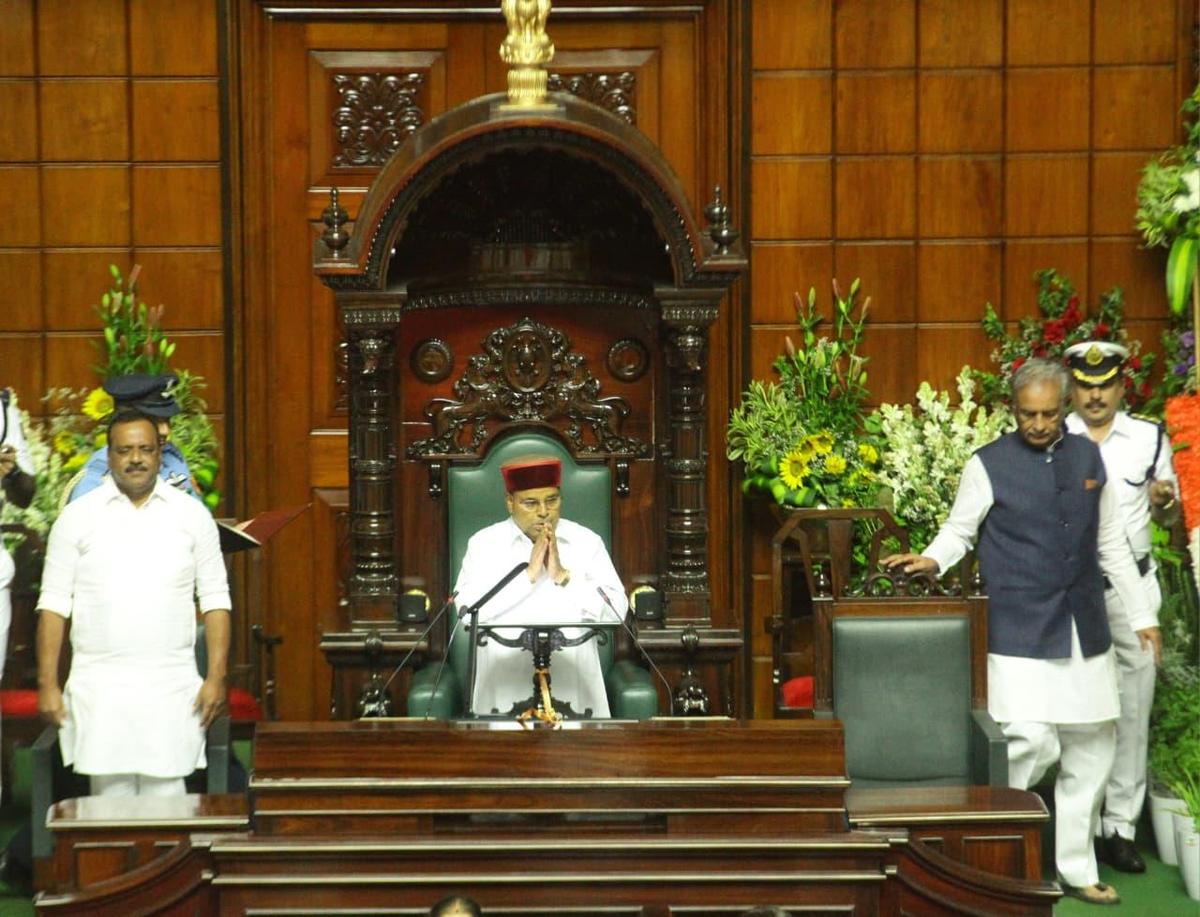
Security arrangements around the protest site were heightened, with police personnel deployed to maintain order and manage traffic in the surrounding areas. Officials confirmed that the demonstration remained largely peaceful, though the political rhetoric was sharp. Authorities monitored the gathering to ensure that public movement and daily activities in the central part of the city were not significantly disrupted. The symbolic choice of the Mahatma Gandhi statue as the protest venue added moral weight to the event, with leaders invoking Gandhian ideals of non-violent protest while expressing firm political opposition.
Participants emphasized that their agitation aimed to draw attention at the highest levels of governance. Memorandums outlining their demands were reportedly prepared for submission to relevant authorities. Several speakers highlighted the importance of protecting the dignity of constitutional offices irrespective of party affiliations. They stated that upholding institutional respect forms the foundation of cooperative federalism and democratic functioning. By organizing the dharna in a visible public space, the legislators sought to convey the seriousness of their concerns to citizens, urging broader reflection on political conduct and accountability.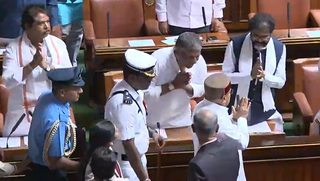
POLITICAL TENSIONS AND CONSTITUTIONAL DEBATE
The episode has intensified an ongoing political standoff between the ruling party and the opposition in Karnataka. BJP and JD(S) leaders described the situation as part of a pattern of what they termed institutional disregard, while the ruling side dismissed the allegations as politically motivated. The protest thus reflects deeper differences over governance style and political communication in the State. Analysts note that confrontations involving constitutional authorities often acquire symbolic significance, shaping public perceptions of the relationship between elected governments and institutions meant to function above partisan politics.
Opposition speakers during the dharna argued that respecting the Governor’s office is essential to preserving constitutional balance. They contended that personal or political disagreements should never cross into conduct perceived as disrespectful. According to them, the issue transcends party lines and concerns the sanctity of democratic offices. Some leaders cited historical precedents where political figures accepted responsibility in moments of controversy to protect institutional credibility. The protest, they said, aimed to remind all stakeholders that constitutional decorum must remain a shared commitment across the political spectrum.
In response, representatives from the ruling establishment maintained that the protest was an attempt to divert attention from policy issues and development initiatives. They suggested that the controversy was being amplified for political mileage. Government sources indicated that official procedures would be followed to examine the matter, and any action would be based on factual findings rather than public pressure. This divergence in narratives has fueled intense political discourse, with both sides appealing to constitutional principles to justify their positions.
Legal experts observing the developments noted that allegations involving conduct toward constitutional authorities require careful handling. They emphasized the importance of due process and impartial inquiry to establish facts. At the same time, they acknowledged that public perception plays a significant role in political accountability. The dharna highlights how constitutional debates can move beyond legislative chambers into public spaces, becoming part of broader civic discussion. Such events, experts said, underscore the delicate balance between political contestation and institutional respect in democratic systems.
The protest also brought together BJP and JD(S) leaders on a common platform, reflecting evolving political alignments in the State. Joint demonstrations often signal strategic cooperation on issues of mutual concern. Observers suggest that this coordinated action may influence future political equations, especially in the context of legislative dynamics. However, leaders from both parties stressed that the immediate focus remained on their demands regarding the Excise Minister and the alleged misconduct incident, rather than electoral calculations.
PUBLIC RESPONSE AND THE ROAD AHEAD- GANDHI STATUE
Citizens observing the developments expressed mixed reactions. Some residents near the protest site appreciated the peaceful conduct of the demonstration and the emphasis on constitutional values. Others voiced concern about the frequency of political confrontations in public spaces, which they felt could disrupt civic life. Political analysts believe that such protests play a dual role: they serve as democratic expressions of dissent while also shaping narratives that influence voter perceptions. The symbolism of Gandhi’s statue added emotional resonance, connecting contemporary politics with historical ideals of ethical public life.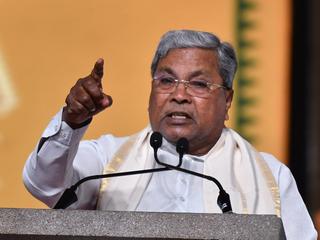
Civil society voices have called for restraint and dialogue, urging political leaders to address differences through institutional channels. They stressed that maintaining public trust requires measured communication and responsible conduct from all sides. Some organizations suggested that clarity from official investigations would help reduce speculation and restore focus on governance priorities. The episode has thus sparked discussion beyond party politics, touching upon broader themes of political culture, respect for institutions, and the responsibilities of public representatives.
Within legislative circles, the issue is expected to feature prominently in upcoming sessions, with opposition members likely to seek detailed explanations from the government. Debates may center on procedural aspects, accountability mechanisms, and the broader context of relations between the State government and constitutional authorities. Political observers anticipate that the controversy could influence legislative strategy and public messaging in the near term. However, they also note that sustained attention to development and policy issues remains essential to address citizens’ everyday concerns.
The demand for resignation and disciplinary action places the government under political pressure, but the outcome will depend on official processes and findings. Analysts caution that quick decisions made solely under political pressure may not always align with procedural fairness. Balancing accountability with due process remains a core challenge in democratic governance. The situation illustrates how political responsibility, legal standards, and public expectations intersect in complex ways during moments of controversy involving high offices.
As the dharna concluded, leaders reiterated that their agitation would continue until their demands were addressed. They framed their protest as part of a broader commitment to protecting constitutional dignity. Whether the episode leads to immediate administrative action or prolonged political debate, it has highlighted the sensitivity of interactions involving constitutional authorities. Ultimately, the resolution of the issue will shape not only immediate political narratives but also the tone of institutional relationships in Karnataka’s governance landscape.
Follow: Karnataka Government
Also read: Home | Channel 6 Network – Latest News, Breaking Updates: Politics, Business, Tech & More
