
Former Karnataka Chief Minister Basavaraj Bommai has appealed to political parties, civil society groups, and local stakeholders not to oppose the proposed Bedti–Varada river linking project based on what he described as misconceptions and incomplete information. Speaking amid renewed debate on inter-basin water transfer, Bommai said the project was conceived to address chronic drinking water scarcity in several parts of north Karnataka and should be evaluated on scientific, environmental, and humanitarian grounds rather than political suspicion.
Bommai argued that resistance to the project has largely been driven by fears that are either outdated or exaggerated, especially regarding environmental damage and displacement. He maintained that modern river-linking initiatives are fundamentally different from older large-scale projects, with far greater emphasis on ecological safeguards, minimal submergence, and community consultation. According to him, dismissing the project outright without understanding its technical framework would deny relief to thousands of people facing acute water stress year after year.
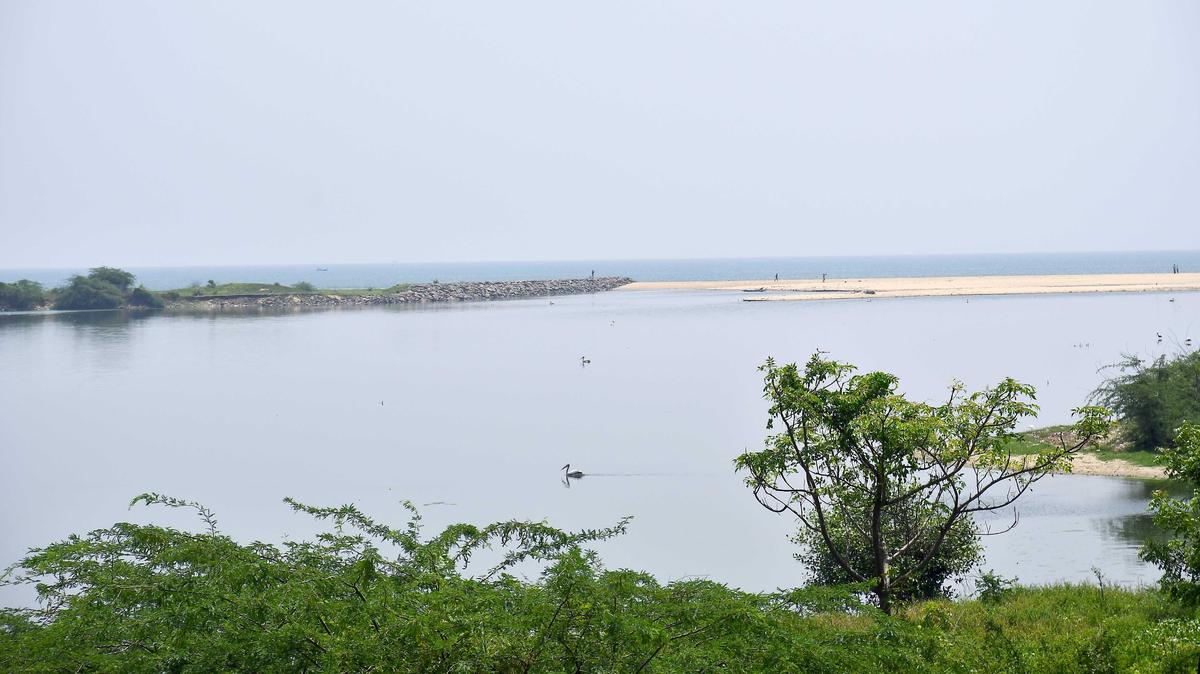
The Bedti–Varada project proposes transferring surplus water from the Bedti river basin in Uttara Kannada district to the water-deficient Varada basin, benefiting parts of Haveri, Gadag, and Dharwad districts. Bommai said these regions have endured decades of drought-like conditions, forcing dependence on tanker water and depleting groundwater reserves. He described access to drinking water as a basic human right and said policy decisions must prioritise human welfare alongside environmental protection.
The former Chief Minister stressed that Karnataka’s water challenges cannot be solved through piecemeal solutions. With erratic rainfall patterns and increasing pressure on groundwater, long-term planning was essential. He said the Bedti–Varada link was one such strategic intervention that could provide sustainable relief if implemented responsibly and transparently.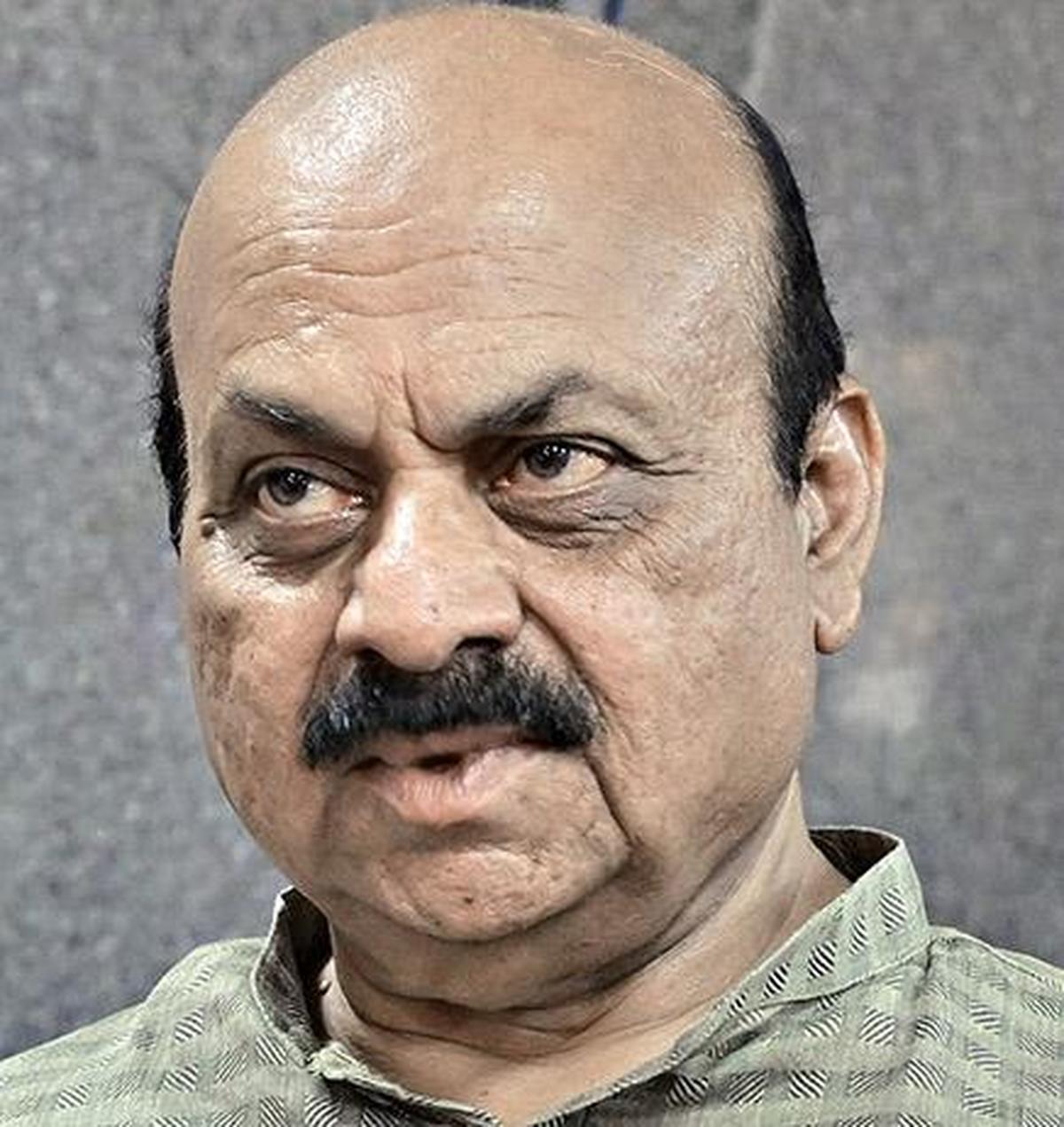
Clarifying Concerns and Environmental Safeguards
Addressing concerns raised by environmental groups, Bommai said the project has been subjected to multiple rounds of technical scrutiny. He emphasised that fears of large-scale deforestation and irreversible ecological damage were misplaced. According to him, the alignment and design of the project have been modified to reduce forest land usage and avoid ecologically sensitive zones as much as possible.
Bommai noted that environmental impact assessments are a statutory requirement and not a formality. He said expert committees, hydrologists, and forest officials have been involved in evaluating the project’s feasibility and risks. Any clearance, he added, would be contingent on strict compliance with mitigation measures, including compensatory afforestation and continuous ecological monitoring.
He also rejected claims that the project would deprive coastal regions of water. Bommai said only surplus flows during monsoon months would be diverted, ensuring that the natural needs of the Bedti basin remain protected. He argued that allowing excess water to flow unused into the sea while inland districts face severe shortages was neither rational nor equitable.
The former Chief Minister acknowledged that mistrust often arises due to lack of communication. He called for greater transparency and public outreach to explain the project’s scope, limitations, and safeguards. He said consultations with local communities, particularly those living near the proposed project areas, were essential to address genuine concerns and incorporate feedback.
Bommai also highlighted that technological advancements have significantly improved water transfer efficiency. Modern tunnelling methods, controlled flow mechanisms, and digital monitoring systems reduce environmental disturbance and enhance operational safety. He urged critics to consider these developments rather than judging the project through the lens of older river-linking schemes.
Water Security, Regional Equity, and Political Consensus
Bommai framed the Bedti–Varada project as an issue of regional equity rather than political ideology. He said north Karnataka has historically lagged behind in water infrastructure despite contributing significantly to the State’s economy. Persistent water scarcity, he noted, has affected agriculture, public health, education, and overall development in the region.
He pointed out that women and children bear the brunt of water shortages, spending hours each day fetching water from distant sources. In many villages, schools and healthcare centres struggle to function due to unreliable water supply. Bommai said such realities should inform policy debates more than abstract arguments detached from ground conditions.
Calling for bipartisan support, Bommai urged ruling and opposition parties to rise above political differences. He said water projects should not become casualties of political rivalry, especially when they address long-standing humanitarian needs. He reminded legislators that several major irrigation and drinking water projects across India were completed only because successive governments continued them irrespective of party lines.
The former Chief Minister also addressed concerns about cost and financial viability. He said while the project involves significant investment, the long-term social and economic benefits far outweigh the expenditure. Reduced tanker dependence, improved public health outcomes, agricultural stability, and industrial growth would collectively contribute to regional development and revenue generation.
Bommai suggested that an independent monitoring mechanism involving experts, civil society representatives, and local stakeholders could enhance credibility and accountability. Such a body, he said, would ensure that implementation adheres strictly to approved norms and that grievances are addressed promptly.
He concluded by urging citizens to engage with the issue through informed dialogue rather than fear-driven opposition. The Bedti–Varada project, Bommai said, represents a crucial opportunity to balance environmental responsibility with human necessity. Whether Karnataka can achieve that balance, he added, will depend on collective wisdom, scientific integrity, and the willingness to look beyond misconceptions for the greater good.

Follow: Karnataka Government
Also read: Home | Channel 6 Network – Latest News, Breaking Updates: Politics, Business, Tech & More
