
Karnataka has long held the spotlight as India’s premier destination for space research, innovation, and development. From its sprawling campuses of the Indian Space Research Organisation (ISRO) in Bengaluru to numerous private aerospace start-ups, the state has built a robust ecosystem over decades. Karnataka’s edge comes from a unique combination of academic excellence, government support, and a skilled workforce. However, with other states rapidly investing in infrastructure, the question now arises: can Karnataka retain its numero uno status, or will emerging competitors gradually chip away at its lead in India’s ambitious sector?
Bengaluru, often dubbed the “Space City of India,” houses ISRO’s headquarters, which coordinates multiple high-profile satellite launches, deep missions, and technological innovations. The city’s tech ecosystem, combined with aerospace research institutions and universities, has enabled a vibrant talent pool. Private players in technology, including satellite manufacturing and launch services, have found a supportive environment in Karnataka. This unique combination of public and private engagement has positioned the state as the nation’s frontrunner in aerospace ventures, attracting both domestic and international collaboration opportunities.
Over the past decade, Karnataka has witnessed exponential growth in its start-up ecosystem. Entrepreneurs are capitalising on affordable satellite technologies, data analytics, and launch services, creating new avenues for innovation. Government incentives, incubators, and research grants have further strengthened the ecosystem. Bengaluru’s technological heritage complements these efforts, allowing start-ups to tap into software, AI, and robotics expertise for applications. This synergy has given the state a competitive advantage, attracting investments and talent that are crucial for maintaining leadership in India’s space ambitions.
The state’s dominance, however, is being challenged by other regions. Telangana, Andhra Pradesh, and Tamil Nadu have launched dedicated space parks, funded research institutes, and forged public-private partnerships aimed at creating alternative hubs for aerospace innovation. These states are leveraging lower costs, dedicated infrastructure, and strategic incentives to attract companies and researchers. Karnataka, while still leading, faces the strategic challenge of retaining its edge in this increasingly competitive environment. The government and industry leaders acknowledge that without continuous investment and innovation, the state’s lead could be gradually eroded.
Academic institutions play a central role in Karnataka’s space supremacy. Institutes such as the Indian Institute of Science (IISc), BMS College of Engineering, and several premier universities offer specialised programs in aerospace engineering, satellite communication, and space sciences. These institutions have consistently produced a skilled workforce capable of handling sophisticated projects. Additionally, collaborative programs between universities and ISRO facilitate hands-on experience for students, ensuring a steady supply of trained engineers and researchers. Maintaining these academic pipelines is critical for sustaining the state’s leadership in the sector.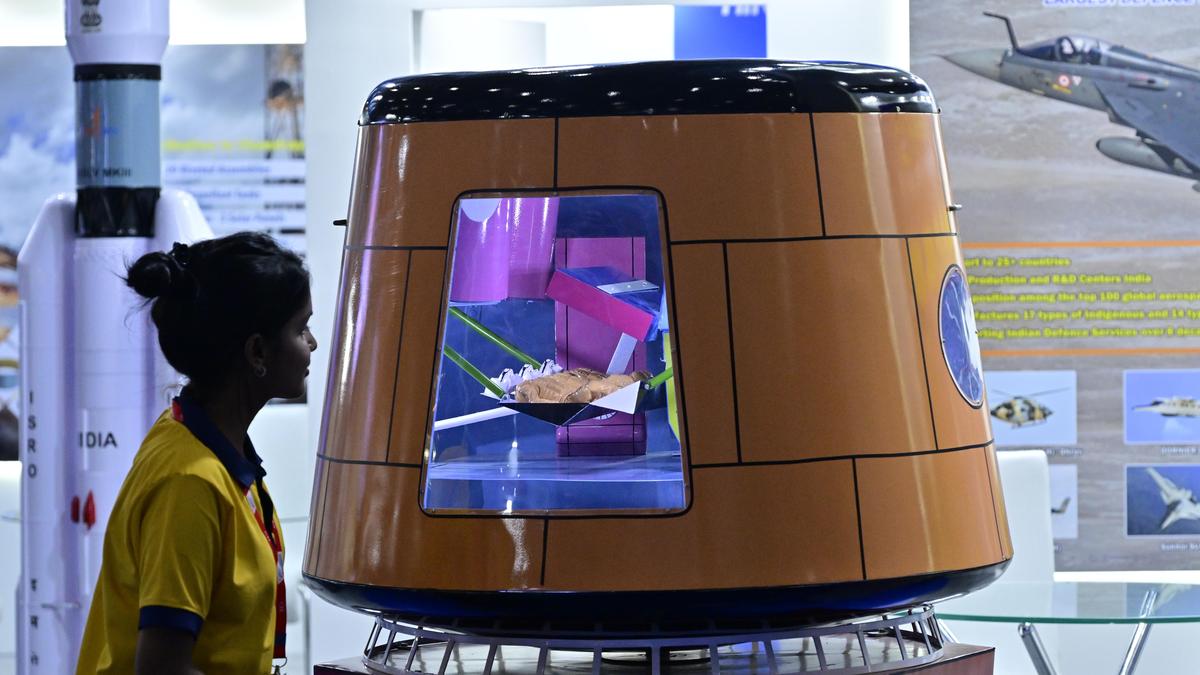
Infrastructure and Innovation: Keys to Retaining Leadership
Karnataka’s infrastructure advantage is significant but not unassailable. ISRO’s satellite assembly facilities, mission control centres, and testing labs provide an ecosystem difficult to replicate elsewhere. Private aerospace companies benefit from proximity to these resources, enabling knowledge transfer and rapid prototyping. However, other states are investing heavily in modern facilities, space parks, and launch pads. Karnataka’s challenge is to continue upgrading its infrastructure, while promoting private sector participation and collaborative projects that can drive cutting-edge innovation in satellite technology and deep-space exploration.
Innovation is another pillar of Karnataka’s supremacy. Start-ups and established companies in Bengaluru are experimenting with micro and nano satellites, reusable launch vehicles, and AI-powered satellite imagery analysis. Collaborations with global space agencies have further enhanced research capabilities, giving Karnataka a reputation for high-tech excellence. To sustain this advantage, the state must ensure continuous investment in R&D, incentives for technology transfer, and a regulatory environment that encourages experimentation while maintaining safety and compliance standards.
Private sector participation is rising across India, challenging Karnataka’s monopoly in space ventures. Companies in Telangana, Andhra Pradesh, and Maharashtra are emerging as serious contenders, offering competitive facilities and incentives. For Karnataka, retaining talent is crucial, as skilled engineers may relocate to newer hubs with lucrative opportunities. Strengthening local talent retention strategies, fostering start-ups, and supporting industry-academia partnerships will be essential to maintain the state’s preeminent position in the national space ecosystem.
The government of Karnataka recognises the stakes involved. Policy measures, such as the aerospace policy framework, tax benefits, and streamlined approval processes, aim to maintain Karnataka’s attractiveness to both domestic and international players. Additionally, the state is investing in satellite and rocket technology clusters that encourage collaboration between research institutions and private companies. Strategic vision combined with pragmatic governance is essential for retaining leadership, especially as other states ramp up their investments in space technology.
ISRO’s continued presence in Karnataka remains a significant asset. Major projects, including satellite launches, deep-space exploration missions, and research initiatives, are coordinated from Bengaluru. This centralisation of expertise provides not only technical advantages but also attracts international attention and funding. Maintaining this concentration of resources while fostering decentralised innovation hubs will help Karnataka continue to dominate India’s space sector. The challenge lies in balancing centralised institutional control with flexible, innovative approaches by private entities and start-ups.
The question of workforce retention is particularly pressing. With talent mobility increasing, engineers and scientists often relocate to regions offering better infrastructure, incentives, or international exposure. Karnataka must ensure that the ecosystem remains attractive through competitive compensation, research grants, and opportunities for career growth. Mentorship programs, training initiatives, and collaborative research projects with global agencies can reinforce the state’s position as the most desirable destination for aerospace professionals in India.
Competition and the Road Ahead
Other Indian states are making strategic investments to catch up. Telangana’s Aerospace and Defense Industrial Corridor, Andhra Pradesh’s space parks, and Tamil Nadu’s research clusters are designed to attract private investment and skilled personnel. These regions are creating specialised facilities for satellite assembly, testing, and launch operations. Karnataka must accelerate infrastructure development, promote policy clarity, and actively nurture collaborations to stay ahead. Failing to do so could see the state’s current supremacy challenged within the next five to ten years.
Global partnerships are increasingly vital. Karnataka has been proactive in establishing collaborations with international space agencies and private companies. These partnerships facilitate technology transfer, funding, and global market access. Continued international collaboration will be essential for Karnataka to maintain its competitive edge, especially in emerging areas like small satellite constellations, AI-powered space analytics, and deep-space exploration. These alliances also reinforce the state’s image as India’s primary space destination, enhancing both credibility and opportunity.
Start-ups form the backbone of Karnataka’s aerospace innovation. Companies focusing on satellite miniaturisation, space data analytics, and launch vehicle components have flourished in Bengaluru. The state must continue to support incubation centers, innovation labs, and accelerator programs that nurture early-stage ventures. Providing seed funding, mentorship, and infrastructure access will be critical to prevent talent and ideas from migrating to competing hubs. A thriving start-up ecosystem ensures sustained innovation, keeping Karnataka at the forefront of India’s space industry.
The academic pipeline must also evolve. Universities and technical institutes need to continuously update curricula to align with emerging space technologies. Programs in AI, robotics, satellite communications, and propulsion systems should be expanded. Internships, joint research programs, and collaborative projects with ISRO and private companies can equip students with practical skills. This ensures a continuous influx of trained professionals ready to lead research and development, solidifying Karnataka’s leadership in the aerospace sector.
Policy consistency is another crucial factor. Regulatory uncertainties, delays in approvals, or inconsistent incentives can drive investors and innovators to competing states. Karnataka must maintain a transparent and predictable policy environment. Clear rules regarding land allocation, taxation, R&D grants, and international collaborations will strengthen investor confidence. A stable policy framework, combined with strong infrastructure and talent, can reinforce Karnataka’s position as India’s number one space destination.
Karnataka also faces challenges related to affordability and access. With high costs of living in Bengaluru, many start-ups struggle to recruit and retain talent. Housing, office space, and research infrastructure costs are significantly higher compared to newer hubs. Strategic initiatives such as affordable incubators, shared lab spaces, and housing incentives can address these concerns. Ensuring equitable access to resources will prevent fragmentation of the talent and innovation ecosystem, maintaining Karnataka’s competitive advantage.
Public awareness and perception also play a role. Media coverage, international recognition, and successful missions enhance Karnataka’s reputation. Positive publicity can attract global talent, investors, and collaborators. Conversely, perceived complacency or stagnation may encourage new hubs to attract attention. The state must actively showcase its successes, highlight opportunities, and create an inclusive narrative that reinforces its space supremacy while motivating the next generation of scientists and innovators.
Collaboration between government, academia, and private sector remains a key strength. Joint initiatives, shared infrastructure, and cooperative research projects have driven Karnataka’s leadership. Expanding these partnerships, encouraging cross-sector innovation, and fostering interdisciplinary research can ensure the state remains a hub for cutting-edge technology. Such cooperation also enables rapid adaptation to emerging trends, from AI-enabled satellites to reusable launch technologies.
As the aerospace sector grows in India, Karnataka must anticipate future challenges. Emerging technologies, competitive incentives from other states, and global innovation trends will test the state’s agility. Strategic investments in next-generation propulsion systems, AI applications in space, and satellite constellations can secure leadership. Karnataka’s ability to combine policy foresight, infrastructure development, and talent nurturing will determine whether it can retain its numero uno tag in the rapidly evolving Indian space ecosystem.
The workforce, institutions, start-ups, policies, and infrastructure together create a delicate ecosystem. Karnataka has maintained dominance so far, but the competitive environment is intensifying. Sustained investment, consistent policy support, and innovation-led growth will be necessary to stay ahead. The coming years will test the state’s capacity to respond to challenges, harness opportunities, and maintain India’s top destination status amid growing competition.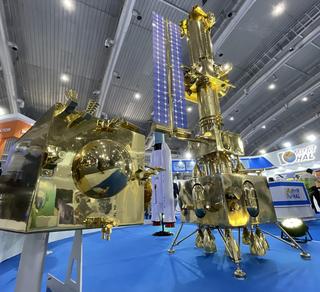
For Karnataka’s citizens, students, and industry stakeholders, the question is both practical and emotional. Pride in hosting India’s achievements is intertwined with anxiety over potential competition. Retaining leadership is not only about infrastructure or missions; it reflects the state’s ability to foster innovation, support talent, and remain a beacon of scientific excellence. Karnataka’s response in the coming years will set the tone for India’s ambitions and the state’s continued prominence on the global aerospace map.
The roadmap ahead is clear: strengthen infrastructure, nurture talent, incentivise start-ups, foster collaborations, and maintain policy consistency. Karnataka has the foundation, but sustaining its numero uno tag requires proactive action. The balance between innovation, governance, and collaboration will define whether the state continues to dominate India’s sector or gradually cedes ground to emerging hubs. For now, Karnataka’s leadership is intact, but the challenge of retaining it is both urgent and ongoing.
Follow: Karnataka Government
Also read: Home | Channel 6 Network – Latest News, Breaking Updates: Politics, Business, Tech & More
