
Environmental activists and residents have expressed deep concern over the fate of 368 mature trees at the Cantonment Railway Colony following the withdrawal of its biodiversity heritage site status. The decision has triggered fears that large-scale tree felling could soon begin, fundamentally altering one of the last remaining green pockets in the heart of Bengaluru. Conservationists argue that the removal of legal protection has exposed the area to infrastructure and real estate pressures, undoing years of effort to preserve its ecological value.
The Cantonment Railway Colony has long been regarded as an urban ecological refuge, supporting a diverse range of flora and fauna despite being surrounded by dense development. The biodiversity heritage tag, granted earlier, had served as a crucial safeguard against indiscriminate alteration of land use. With that protection now withdrawn, activists fear that redevelopment plans could proceed without adequate environmental scrutiny, placing hundreds of trees at immediate risk.
Officials have maintained that no final decision on tree felling has been taken. However, the absence of statutory protection has heightened apprehension among environmental groups, who argue that once clearance processes begin, reversing them becomes extremely difficult. The issue has reopened debates on how urban planning decisions balance infrastructure needs with ecological preservation in a rapidly expanding city.
Residents living around the railway colony say the uncertainty has created anxiety about the future of their neighbourhood. Many recall how the green cover has helped regulate local temperatures, reduce pollution, and provide a rare sense of calm in an otherwise congested area. For them, the potential loss is not just environmental but deeply personal.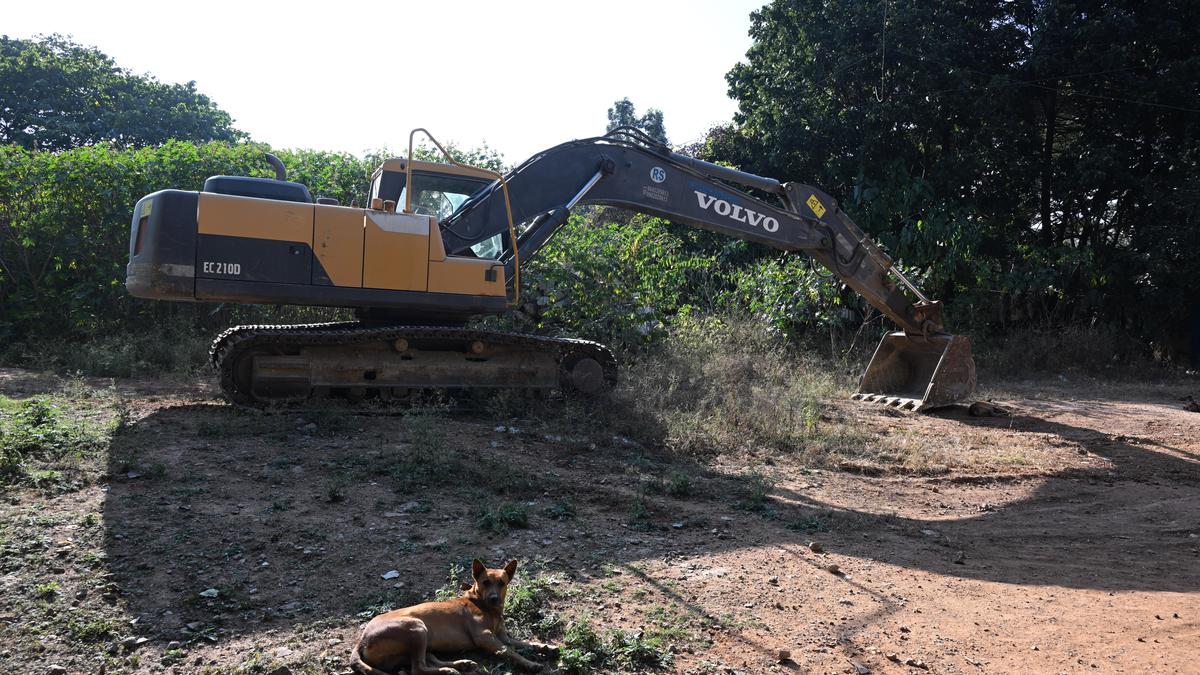
Ecological Value Beyond Numbers
Activists stress that the 368 trees are not merely numbers on a list but represent decades of natural growth. Many of the trees are old, native species that support birds, insects, and small mammals. The canopy they form plays a critical role in maintaining microclimates, especially during increasingly intense summers.
Environmental experts point out that urban trees take decades to mature and cannot be easily replaced through compensatory plantation. Saplings planted elsewhere, they argue, cannot replicate the ecological services provided by fully grown trees in terms of carbon sequestration, oxygen generation, and habitat creation.
The railway colony’s green cover has also been documented as a corridor for urban wildlife. Birdwatchers and nature enthusiasts have recorded several species using the area as a nesting and foraging ground. The removal of such habitats, activists warn, contributes to the steady decline of urban biodiversity.
Experts also note that trees in dense urban areas provide critical ecosystem services by absorbing pollutants, reducing noise, and preventing soil erosion. Losing a cluster of this scale, they say, will have ripple effects beyond the immediate locality, impacting air quality and thermal comfort across surrounding wards.
Conservationists argue that once tree cover is lost, urban flooding risks increase due to reduced water absorption. With Bengaluru already struggling with drainage and flooding during heavy rains, they warn that cutting down hundreds of trees could exacerbate existing vulnerabilities.
Why the Biodiversity Tag Was Withdrawn
The withdrawal of the biodiversity heritage site status has become the central point of contention. Activists claim the decision was taken without adequate public consultation and lacked transparency. They argue that the criteria used to reassess the site’s status were not clearly communicated, leaving room for speculation about external pressures.
Officials, on the other hand, have stated that the designation was reviewed based on updated assessments and legal considerations. According to them, certain procedural and jurisdictional issues necessitated the withdrawal. However, they have maintained that environmental norms will still apply to any future development.
Critics counter that the biodiversity heritage tag was precisely what ensured stricter scrutiny and community involvement. Without it, they say, decisions related to land use changes become easier to push through administrative channels, often sidelining ecological concerns.
Legal experts observing the issue note that biodiversity heritage site status carries symbolic and practical importance. While it does not make development impossible, it raises the threshold for approvals and mandates broader consultations. Its removal, they say, weakens the negotiating position of conservation advocates.
Residents have questioned why alternative solutions, such as partial redevelopment or adaptive reuse that preserves existing trees, were not explored more seriously. They argue that development and conservation need not be mutually exclusive if planning is sensitive and inclusive.
Urban Development Versus Green Spaces
The controversy has reignited a larger debate about Bengaluru’s development trajectory. As the city expands, pressure on land has intensified, often bringing green spaces into conflict with infrastructure projects. Activists argue that such conflicts are increasingly resolved in favour of construction, with ecological costs treated as secondary concerns.
The Cantonment area, given its strategic location, has long been viewed as valuable real estate. Environmentalists fear that once the biodiversity tag is removed, the land could be repurposed for commercial or residential use, leading to irreversible ecological loss.
Urban planners sympathetic to conservation argue that cities need to rethink how they value green spaces. Instead of viewing them as vacant land waiting to be developed, planners say they should be treated as essential infrastructure, as critical as roads or water supply systems.
Some experts suggest that Bengaluru’s existing planning frameworks lack robust mechanisms to protect mature green cover. While tree protection laws exist, they are often overridden by project clearances granted in the “public interest,” a term activists say is used too broadly.
The situation at Cantonment Railway Colony, they argue, reflects a systemic issue where environmental considerations are addressed late in the decision-making process, rather than being integrated from the outset.
Public Response and Activist Mobilisation
In response to the withdrawal of the biodiversity tag, citizen groups and environmental activists have intensified their efforts. Meetings, petitions, and awareness campaigns are being organised to draw attention to the issue. Activists are urging authorities to reconsider the decision and restore the site’s protected status.
Local residents’ associations have joined hands with environmental groups, highlighting the community’s dependence on the green space. They argue that the colony’s trees act as a shared resource, benefiting not just railway employees but the wider neighbourhood.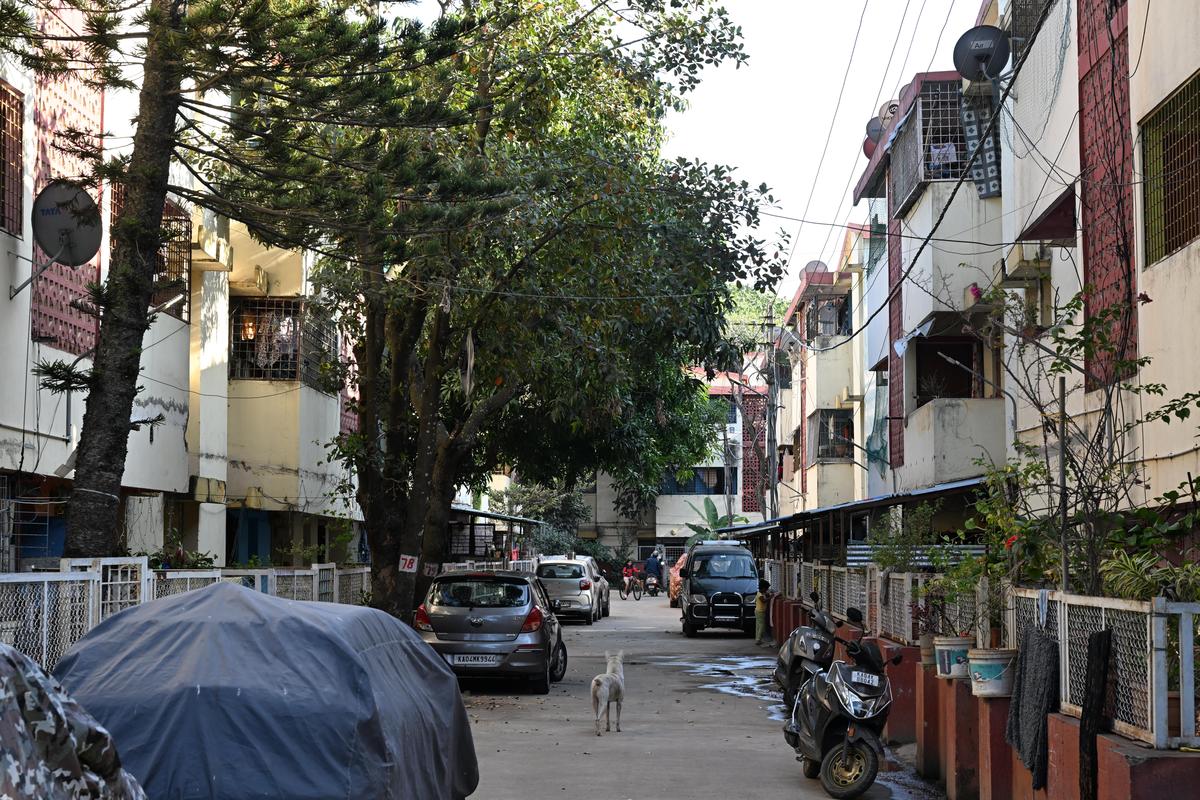
Some activists have called for an independent ecological assessment of the area before any further administrative decisions are taken. They argue that such an assessment should be conducted transparently, with findings made available to the public.
Environmental lawyers are also exploring legal options, pointing out that tree felling on this scale requires multiple clearances. They say that procedural lapses or inadequate impact assessments could be challenged through legal channels if necessary.
At the same time, activists emphasise that their goal is not to halt development entirely but to ensure that it proceeds responsibly. They argue for a participatory planning process where ecological concerns are given equal weight alongside developmental objectives.
What Lies Ahead
Authorities have stated that any proposal involving tree felling will follow due process, including public hearings and compensatory measures. However, activists remain sceptical, citing past instances where assurances did not translate into meaningful protection on the ground.
Environmentalists argue that the true test will lie in whether alternative plans that preserve most of the existing tree cover are seriously considered. They stress that once felling begins, mitigation measures cannot undo the damage.
Urban climate experts warn that cities like Bengaluru, already grappling with heat stress and air pollution, cannot afford to lose established green spaces. The long-term costs, they say, will far outweigh short-term gains from redevelopment.
For residents and activists, the issue has become symbolic of a broader struggle to defend urban ecology in the face of relentless growth. The Cantonment Railway Colony, they say, represents a choice between short-term convenience and long-term sustainability.
As debates continue, the future of the 368 trees remains uncertain. What is clear, however, is that the decision will have lasting implications — not just for one neighbourhood, but for how Bengaluru defines its relationship with nature in the years to come.
Follow: Karnataka Government
Also read: Home | Channel 6 Network – Latest News, Breaking Updates: Politics, Business, Tech & More
