
A member of the Central Empowerment Committee (CEC) visited Bannerghatta National Park recently, engaging directly with local farmers and stakeholders to address ongoing human-wildlife conflicts and conservation challenges. The visit, part of a broader initiative to foster collaboration between authorities and communities near protected areas, involved field interactions, community meetings, and on-site assessments. Officials emphasised that the engagement aimed to balance ecological preservation with the livelihoods of farmers residing near the park’s boundaries.
During the visit, the CEC member conducted detailed discussions with farmers whose lands border the national park. Concerns raised included crop damage from wild animals, livestock predation, and restrictions on land use due to conservation regulations. The member assured farmers that their grievances would be taken seriously and that efforts are underway to develop sustainable mitigation measures, including compensation mechanisms and preventive strategies.
Park authorities highlighted the importance of such interactions for fostering mutual understanding between conservation efforts and community needs. Farmers, in turn, expressed a willingness to collaborate on wildlife management initiatives provided their concerns are addressed adequately. The CEC member also emphasised that participatory approaches, combining scientific research and local knowledge, would be central to future policy recommendations.
The CEC member also visited farms on the periphery of the park to observe firsthand the impact of wildlife on agriculture. Farmers demonstrated areas damaged by elephants and wild boars, pointing out vulnerable crops such as paddy, maize, and vegetables. Officials took note of soil erosion, broken fencing, and other vulnerabilities, emphasizing that infrastructure support like reinforced boundaries, trenches, and community-managed watch groups could reduce losses while minimising conflict.
Local women’s groups, who play a key role in farming and household management, highlighted the additional burden posed by human-wildlife conflict. They explained how repeated crop damage affects household nutrition, income, and daily routines, particularly when male members migrate for work. The CEC member acknowledged these concerns and promised to integrate gender-sensitive measures into policy planning, ensuring that relief and mitigation strategies address the needs of all community members.
Discussions during the visit also touched upon wildlife corridors and animal migration patterns. Park officials explained that deforestation and encroachment have forced animals to seek food outside the forest boundaries, inadvertently creating conflict with human settlements. The CEC member recommended scientific studies to identify corridors and habitat zones that could be protected or restored, ensuring safe movement for wildlife while reducing interactions with farmlands.
The visit concluded with a community meeting where residents were briefed on immediate measures to protect crops and livestock, including the use of deterrent devices, lighting systems, and cooperative patrolling. Farmers expressed cautious optimism, noting that the government’s willingness to engage directly signals a commitment to long-term solutions rather than temporary fixes. Authorities assured that regular follow-ups and feedback mechanisms would be established to track progress and adjust interventions as needed.
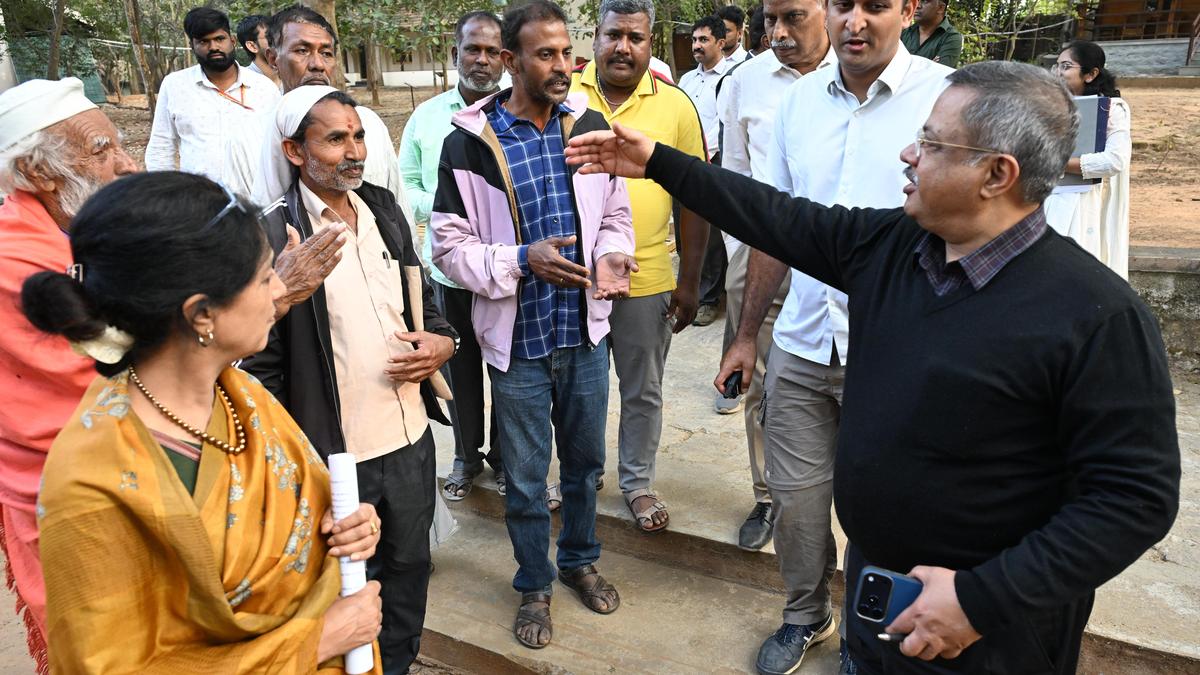
HUMAN-WILDLIFE CONFLICT AND SUSTAINABLE SOLUTIONS: Member
Human-wildlife conflict has been a persistent challenge in areas surrounding Bannerghatta National Park. Crop raids by elephants, wild boars, and herbivores, along with occasional encounters with predators, have caused economic losses and heightened safety concerns for residents. Officials noted that monitoring, early-warning systems, and buffer zones are being explored as tools to mitigate such conflicts without compromising wildlife conservation.
The CEC member also visited areas identified as high-risk zones, engaging with forest staff and local communities to assess the effectiveness of current mitigation measures. Discussions included potential initiatives such as insurance schemes for crop damage, construction of deterrent infrastructure, and awareness campaigns to educate communities about wildlife behaviour. Experts believe that combining administrative support with community participation is crucial to reducing conflict and promoting coexistence.
Community leaders appreciated the CEC’s proactive engagement, highlighting that past complaints were often delayed or inadequately addressed. They emphasised that regular interactions with policymakers and conservation authorities are vital for building trust and ensuring that both farmers’ rights and environmental priorities are respected.
A member of the Central Empowerment Committee (CEC) visited Bannerghatta National Park recently, engaging directly with local farmers and stakeholders to address ongoing human-wildlife conflicts and conservation challenges. The visit, part of a broader initiative to foster collaboration between authorities and communities near protected areas, involved field interactions, community meetings, and on-site assessments. Officials emphasised that the engagement aimed to balance ecological preservation with the livelihoods of farmers residing near the park’s boundaries.
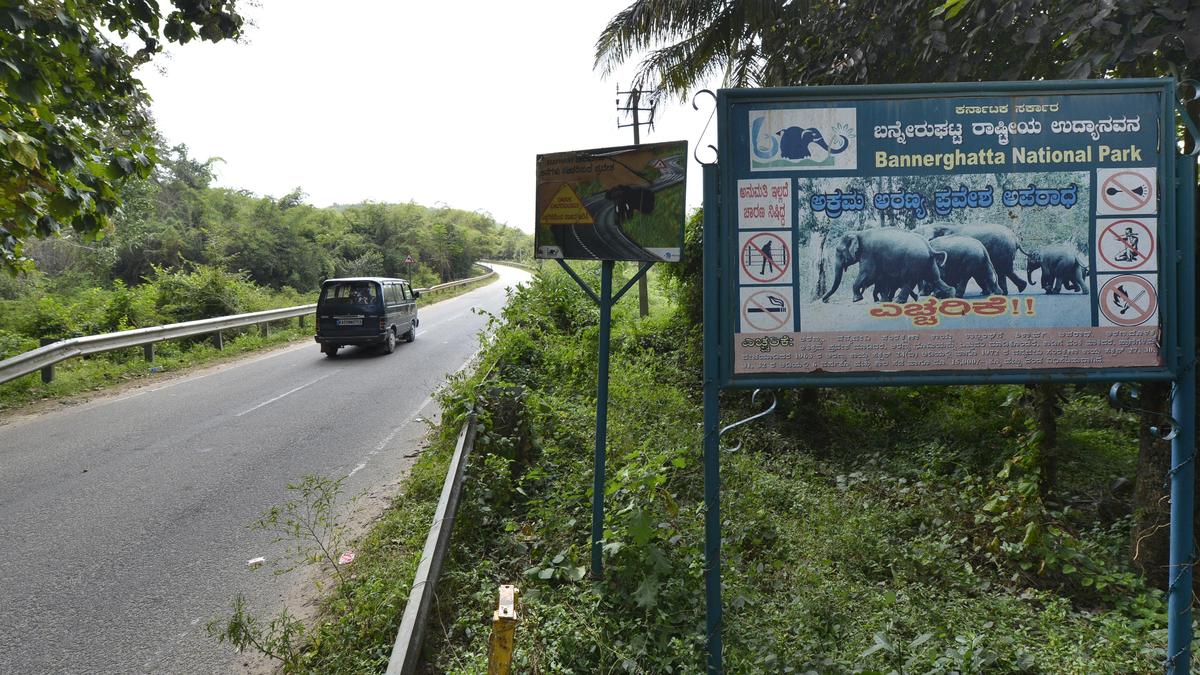
Officials clarified that the visit was also intended to facilitate dialogue between multiple stakeholders, including forest officials, local governing bodies, and civil society organisations. By creating an open forum for discussion, the CEC aims to identify practical, context-specific strategies that can be scaled to other regions experiencing similar challenges.
The CEC member concluded the visit by committing to follow-up actions, including detailed field reports, recommendations for improved compensation schemes, and proposals for infrastructure support to safeguard crops and livestock. Authorities assured farmers that their input would directly inform policy adjustments and future planning for human-wildlife conflict management.
In the coming months, Bannerghatta National Park is expected to pilot some of these interventions, combining technological solutions, community participation, and administrative oversight. Officials hope that such measures will reduce losses, improve farmer-wildlife coexistence, and serve as a model for sustainable management in other protected areas across Karnataka.
The engagement highlights a broader trend in conservation policy: recognising that effective wildlife protection must integrate the needs and voices of local communities. By bridging the gap between ecological objectives and human livelihoods, initiatives like the CEC visit aim to promote harmony between conservation imperatives and socio-economic realities.
The visit has been widely reported in local media and has sparked discussions about participatory governance and the role of community input in environmental management. Observers note that sustained attention from high-level committees such as the CEC can significantly enhance the credibility and effectiveness of conservation strategies.
Ultimately, the CEC member’s visit to Bannerghatta National Park reflects a shift toward inclusive policy-making in conservation. By listening to farmers, understanding their challenges, and incorporating their perspectives into planning, authorities hope to ensure that environmental preservation goes hand in hand with community welfare, creating a model of coexistence that balances nature and livelihoods in Karnataka.
The CEC member’s visit comes amid growing concerns about the increasing interface between human settlements and forested areas near Bannerghatta National Park. Over the years, encroachment, agricultural expansion, and urban development have brought residents closer to wildlife habitats, escalating the risk of crop damage and livestock predation. Forest officials highlighted that careful zoning, awareness drives, and mitigation measures are essential to ensure both ecological protection and community safety.
During field interactions, several farmers narrated incidents of elephant raids, wild boar damage, and leopard sightings near village boundaries. Many reported repeated losses during the monsoon season when animals frequently venture out of the park in search of food. The CEC member assured residents that a comprehensive assessment of these high-risk zones would be undertaken, with recommendations for preventive measures, including fencing, early warning systems, and compensation mechanisms.
Officials indicated that mitigation strategies will include technological interventions such as sensor-based monitoring, mobile alert systems, and drone surveillance in critical zones. These tools are expected to enable timely alerts to villagers, reducing the likelihood of encounters that endanger both humans and wildlife. Additionally, forest personnel will be trained to use these technologies effectively while maintaining minimal disturbance to animal habitats.
The visit also focused on the economic impact of human-wildlife conflict. Losses from crop damage, livestock predation, and property destruction have placed significant financial strain on households, particularly those relying solely on agriculture for income. The CEC member stressed the need for state-backed insurance schemes, direct compensation mechanisms, and support for alternative livelihoods, such as eco-tourism initiatives or forest-based employment programs, to offset these losses.
Community representatives highlighted that past compensation measures were often delayed or inadequate, leading to frustration and a sense of neglect. The CEC member committed to streamlining these processes, advocating for quicker assessment protocols, transparent disbursal of funds, and clear communication channels so that affected families are not left waiting for extended periods. This emphasis on efficiency is intended to restore trust between residents and authorities.
In addition to addressing human-wildlife conflict, the visit served as an opportunity to educate communities about wildlife conservation and environmental stewardship. Awareness sessions were conducted, explaining animal behaviour, the ecological importance of the park, and safe practices to minimise encounters. Farmers were encouraged to adopt preventive strategies, including secure livestock enclosures, crop protection techniques, and controlled access to forest edges.
The CEC member also engaged with forest staff stationed at Bannerghatta National Park, discussing operational challenges such as patrolling, habitat management, and community engagement. Officials emphasised that adequate staffing, resource allocation, and logistical support are critical to implementing effective human-wildlife conflict mitigation measures. The member assured the park authorities of central oversight and support for capacity-building initiatives.
Discussions extended to long-term planning, including afforestation drives, habitat restoration, and buffer zone development. Authorities stressed that a holistic approach is necessary, combining ecological restoration with socio-economic interventions to ensure sustainable coexistence. Community participation is expected to be central, with local residents involved in tree planting, monitoring, and eco-tourism activities that generate income while preserving biodiversity.
The visit underscored the role of policy integration, highlighting the need for coordination between forestry departments, local governance bodies, agricultural agencies, and civil society organisations. By fostering multi-stakeholder collaboration, Karnataka aims to create models for participatory conservation that balance ecological goals with the livelihoods and safety of residents near protected areas.
Finally, the CEC member concluded the engagement by promising follow-up actions, including a comprehensive report detailing findings, proposed interventions, and a roadmap for implementation. Officials assured that recommendations would inform state-level policy and guide future initiatives, ensuring that Bannerghatta National Park continues to thrive as a protected ecosystem while enabling residents to live safely and sustainably alongside wildlife.
Follow: Karnataka Government
Also read: Home | Channel 6 Network – Latest News, Breaking Updates: Politics, Business, Tech & More
