
Chief Minister Siddaramaiah has announced the establishment of a superspeciality hospital in Haveri district, a long-standing demand of residents who have been seeking advanced healthcare facilities closer to home. The announcement has been welcomed across the district, particularly by patients who currently depend on hospitals in Hubballi, Davanagere, or Bengaluru for specialised treatment. The proposed hospital is expected to significantly strengthen the public healthcare network in central Karnataka and reduce the financial and emotional burden on families.
The announcement has also renewed discussions around strengthening the referral network between primary health centres, taluk hospitals, and the proposed superspeciality hospital. Health officials said an efficient referral system would ensure that patients reach the right level of care without delay. Clear protocols are expected to be put in place so that cases requiring advanced intervention are identified early and transferred seamlessly, reducing avoidable complications and overcrowding in emergency departments.
Infrastructure planning for the hospital is expected to factor in future population growth and disease patterns. Experts have advised that flexibility must be built into the design so that departments can be expanded as demand rises. With non-communicable diseases on the rise, planners are likely to prioritise cardiology, oncology, and nephrology services, ensuring the hospital remains relevant over the coming decades.
Another important consideration is affordability. While the hospital will offer superspeciality services, the government has indicated that treatment costs will remain within the public healthcare framework. Officials said schemes covering economically weaker sections would be fully integrated, ensuring that financial constraints do not prevent patients from accessing life-saving procedures. This assurance has been particularly welcomed by rural families dependent on daily wages.
The project is also expected to create employment opportunities at multiple levels. Beyond doctors and nurses, the hospital will require technicians, pharmacists, administrative staff, and support workers. Local youth groups have expressed hope that priority will be given to trained candidates from the district, contributing to economic activity and skill development in Haveri and surrounding areas.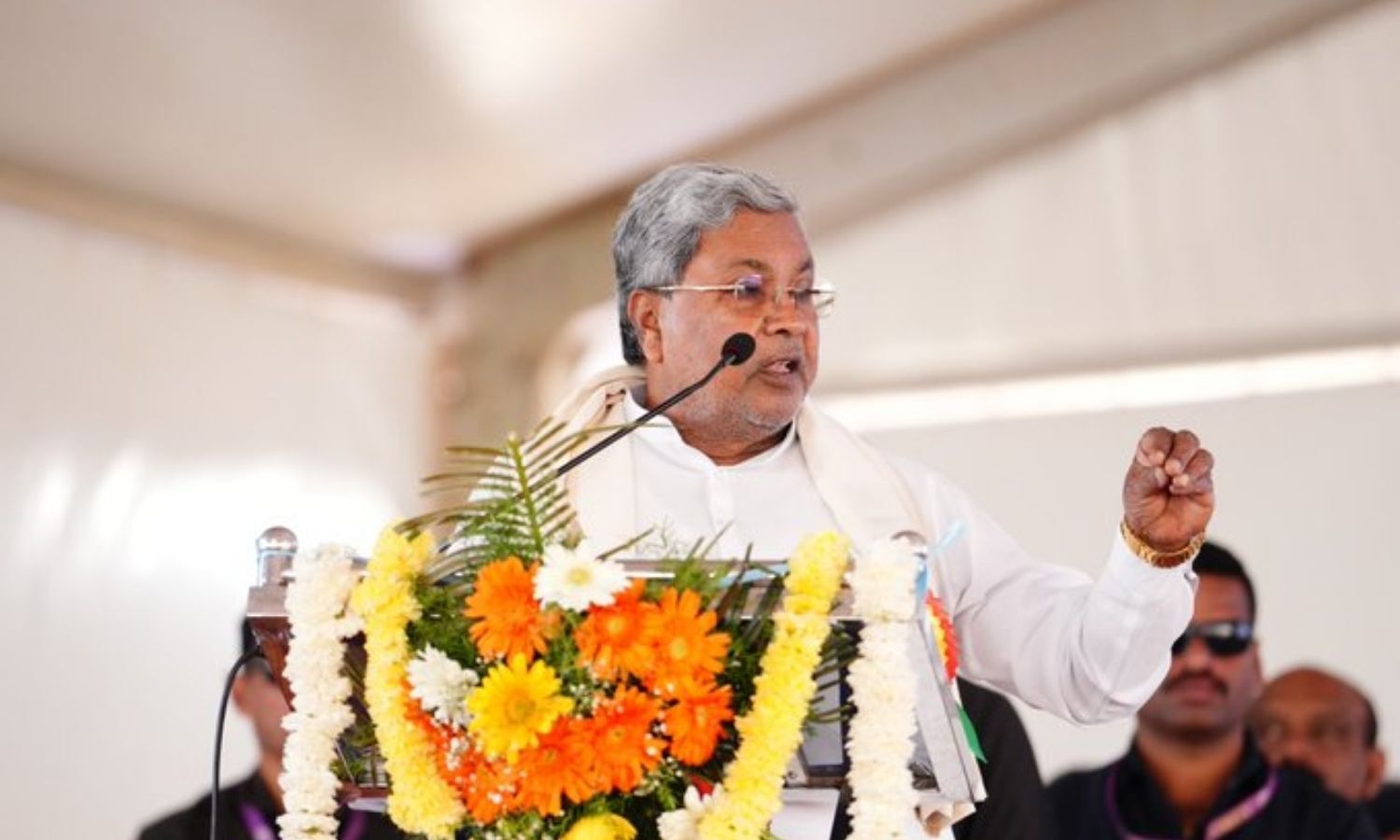
Public health analysts believe the hospital could play a role in improving health awareness in the region. Regular outreach programmes, screening camps, and health education initiatives could be anchored at the superspeciality facility. Such efforts would help in early detection of diseases and promote preventive healthcare, reducing the long-term burden on the medical system.
Coordination with medical colleges and research institutions is another possibility being discussed. Experts suggest that partnerships could enhance clinical research and training opportunities while improving patient care standards. Exposure to a diverse patient base would also benefit specialists, enabling the hospital to evolve into a centre of excellence over time.
Despite optimism, some residents have urged the government to ensure transparency in execution. Past experiences with delayed projects have made communities cautious. Civil society groups have called for regular public updates on land acquisition, construction progress, and staffing plans, arguing that openness will build trust and sustain public support.
As anticipation builds, the superspeciality hospital has become a symbol of aspiration for Haveri. For many, it represents long-awaited recognition of the district’s needs and potential. If delivered as promised, the hospital could redefine healthcare access in the region, turning a policy announcement into a lasting institution that safeguards lives and restores faith in public healthcare.
Addressing officials and public representatives, the Chief Minister said the government is committed to ensuring equitable access to quality healthcare, regardless of geography. Haveri, despite its growing population and strategic location, has lacked advanced medical infrastructure for years. The superspeciality hospital, he said, would bridge this gap and serve not only Haveri but also neighbouring districts.
According to preliminary plans, the hospital will offer advanced treatment facilities across multiple disciplines, including cardiology, neurology, oncology, nephrology, and trauma care. It is expected to be equipped with modern diagnostic tools, intensive care units, and specialised operation theatres. Officials said the focus would be on providing high-end treatment at affordable costs under the public healthcare system.
The Chief Minister emphasised that the hospital would be developed in a phased manner, with infrastructure and staffing plans aligned to long-term needs. He added that the project reflects the government’s broader vision of strengthening district-level healthcare to reduce pressure on tertiary hospitals in major cities.
For residents of Haveri, the announcement carries deep emotional significance. Many families have faced difficult choices when confronted with serious illnesses, often selling assets or taking loans to afford treatment in private hospitals far from home. The promise of a superspeciality facility within the district has rekindled hope for timely and dignified healthcare.
Healthcare officials noted that the new hospital would also improve emergency response capabilities. In critical cases such as heart attacks, strokes, or severe accidents, the availability of specialised care within the district could prove life-saving. Reduced travel time, they said, often makes the difference between recovery and irreversible damage.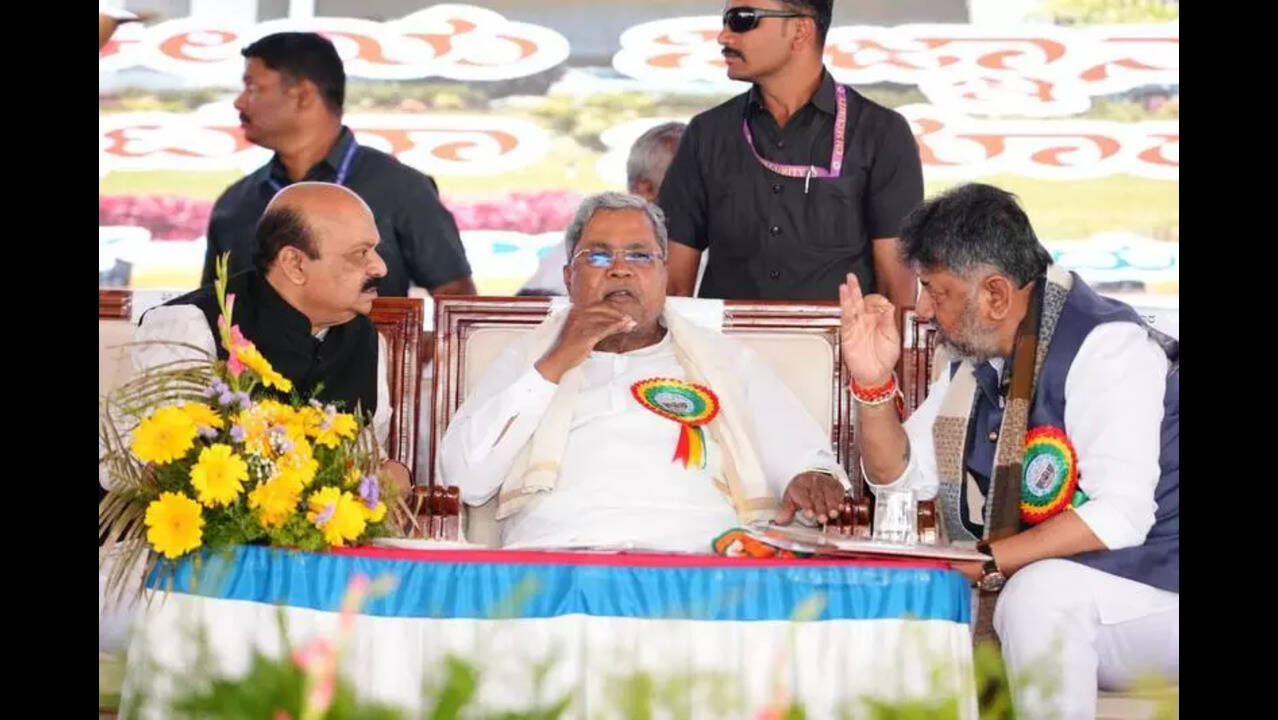
ADDRESSING REGIONAL HEALTHCARE GAPS
Haveri district has historically lagged behind in access to specialised medical services. While primary and secondary healthcare facilities exist, patients requiring advanced procedures are routinely referred elsewhere. This has placed additional strain on families, particularly those from rural and economically weaker backgrounds.
The proposed superspeciality hospital is expected to address this imbalance by decentralising advanced healthcare. Officials said the hospital would be integrated with existing government health schemes, ensuring that beneficiaries of public insurance programmes can access specialised treatment without prohibitive costs.
Medical education and training are also likely to benefit. With the establishment of a high-end hospital, opportunities may arise for specialist doctors, nurses, and technicians to work and train in Haveri. This could help attract medical talent to the district, which has traditionally struggled to retain specialists.
Public health experts have pointed out that regional hospitals play a crucial role in early diagnosis and continuous care. Chronic conditions such as cancer, kidney disease, and heart ailments require regular follow-up, which becomes difficult when patients must travel long distances. A local superspeciality hospital would enable continuity of care and better health outcomes.
The Chief Minister said the government would ensure that the hospital is adequately staffed and maintained. He acknowledged that infrastructure alone is not sufficient and stressed the importance of skilled human resources, transparent administration, and regular monitoring.
Local elected representatives have pledged support for the project, assuring cooperation in land identification and administrative clearances. They said the hospital has the potential to transform Haveri into a regional healthcare hub, benefiting surrounding taluks and districts.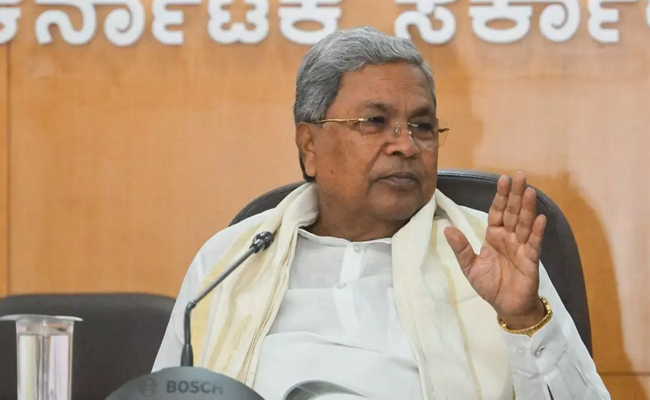
PUBLIC RESPONSE AND FUTURE EXPECTATIONS
The announcement has sparked optimism among civil society groups and healthcare advocates. Many see it as a corrective step towards addressing regional disparities in Karnataka’s healthcare system. Activists have urged the government to ensure that construction and operational timelines are clearly defined to avoid delays that often plague large public projects.
There are also expectations that the hospital will prioritise patient-centric services. Clean facilities, transparent billing, and respectful treatment are among the demands voiced by local residents. They argue that public hospitals must not only match private institutions in technology but also set higher standards in accessibility and ethics.
Financial sustainability will be another key factor. Experts note that superspeciality hospitals require substantial recurring expenditure for equipment maintenance, consumables, and specialist salaries. Long-term budgetary support, they say, will be essential to ensure uninterrupted services.
The government has indicated that the hospital will be aligned with broader health sector reforms, including digital health records and improved referral systems. Such integration could enhance efficiency and ensure that patients receive timely and appropriate care.
Chief Minister Siddaramaiah has announced the establishment of a superspeciality hospital in Haveri district, a long-standing demand of residents who have been seeking advanced healthcare facilities closer to home. The announcement has been welcomed across the district, particularly by patients who currently depend on hospitals in Hubballi, Davanagere, or Bengaluru for specialised treatment. The proposed hospital is expected to significantly strengthen the public healthcare network in central Karnataka and reduce the financial and emotional burden on families.
The announcement has also renewed discussions around strengthening the referral network between primary health centres, taluk hospitals, and the proposed superspeciality hospital. Health officials said an efficient referral system would ensure that patients reach the right level of care without delay. Clear protocols are expected to be put in place so that cases requiring advanced intervention are identified early and transferred seamlessly, reducing avoidable complications and overcrowding in emergency departments.
For young people in Haveri aspiring to careers in healthcare, the project offers new possibilities. The presence of a major hospital could inspire students to pursue medical and paramedical education, contributing to the district’s human resource base over time.
As Karnataka continues to expand its public healthcare infrastructure, the Haveri superspeciality hospital stands out as a symbol of intent. It reflects a recognition that access to advanced medical care should not be determined by proximity to metropolitan cities.
For now, the announcement has brought a sense of reassurance to thousands of families. While challenges remain in translating policy into practice, the promise of a superspeciality hospital has already reshaped expectations in Haveri. It represents not just a building or a project, but a commitment to dignity, care, and the fundamental right to health.
Follow: Karnataka Government
Also read: Home | Channel 6 Network – Latest News, Breaking Updates: Politics, Business, Tech & More
