
Karnataka Chief Minister Siddaramaiah has written to Kerala Chief Minister Pinarayi Vijayan, asserting Karnataka’s constitutional right to oppose the proposed Malayalam Bhasha Bill, while underlining the need to protect linguistic harmony and federal principles. In the letter, the Chief Minister conveyed that Karnataka’s objections were not directed against the Malayalam language or its speakers, but were rooted in constitutional provisions and concerns over the implications the proposed legislation could have on linguistic balance in border regions.
The letter comes amid growing debate over language policy and its political and administrative consequences in States with diverse linguistic populations. Siddaramaiah stressed that Karnataka respects linguistic diversity and has a long tradition of accommodating multiple languages, but said that any legislative move affecting language usage beyond a State’s boundaries must be approached with caution and mutual consultation.
Linguistic Sensitivity as a Governance Challenge
The Chief Minister’s letter places linguistic sensitivity at the centre of governance challenges in multilingual States. He underlined that language policies cannot be treated as isolated cultural initiatives when they intersect with administration, education, and public communication. Siddaramaiah noted that language-related decisions often influence signage, official correspondence, and service delivery, especially in border districts. Any lack of coordination, he warned, could lead to confusion among citizens and officials alike. This, he argued, was why Karnataka felt compelled to flag its concerns early rather than respond after consequences emerge on the ground.
Historical Context of Language Debates
The issue also revives memories of past language-related debates in southern India, where linguistic reorganisation of States itself was born out of such sensitivities. Siddaramaiah referred to this historical context to emphasise caution. He suggested that while promotion of regional languages is constitutionally encouraged, history has shown that abrupt or unilateral measures can trigger resistance and misunderstandings. By invoking constitutional history, the Chief Minister sought to frame Karnataka’s response as informed by experience rather than driven by immediate political considerations.
Kannada Interests and Administrative Practicalities
Within Karnataka, the government has maintained that protecting Kannada in administration and public life remains a priority. Siddaramaiah reiterated that any external language policy perceived to influence administrative practices in Karnataka would naturally invite scrutiny. He clarified that the State was not questioning Kerala’s right to legislate for its people, but was concerned about potential spillover effects. Administrative clarity, he said, was essential to ensure that citizens are not subjected to conflicting language requirements across State borders.
Message to Bureaucracy and Institutions
The letter also serves as a signal to the State’s bureaucracy and institutions. By asserting constitutional rights, the Chief Minister has indicated that departments should remain vigilant about inter-State policy developments that could affect Karnataka. Officials interpret this as a call to strengthen coordination between language, education, and home departments. It also reinforces the idea that constitutional positions taken by the government are not merely political statements, but guidance for administrative preparedness and response.
Opposition and Civil Society Views
Opposition parties in Karnataka have responded cautiously, acknowledging the sensitivity of the issue. While some leaders have supported the Chief Minister’s assertion of constitutional rights, others have warned against turning language debates into political flashpoints. Civil society groups, particularly those working on linguistic harmony, have urged both States to prioritise dialogue over public posturing. They argue that language, while deeply emotional, should be addressed through inclusive consultation to prevent polarisation.
Inter-State Communication as Preventive Tool
Political analysts note that Siddaramaiah’s decision to directly write to Pinarayi Vijayan reflects an attempt at preventive diplomacy. Instead of allowing the issue to escalate through public statements, the Chief Minister chose formal communication. Analysts say such direct engagement can help de-escalate tensions and create space for clarification. This approach, they argue, aligns with the spirit of cooperative federalism, where States address disagreements through dialogue rather than confrontation.
Federalism Under Renewed Scrutiny
The episode adds to a series of recent instances where federal boundaries and State autonomy have come under scrutiny. Language, taxation, and administrative authority have increasingly become areas of contention between States and, at times, with the Centre. Siddaramaiah’s letter situates the Malayalam Bhasha Bill within this broader federal debate. Experts say such episodes highlight the need for clearer mechanisms to resolve inter-State concerns before they evolve into prolonged disputes.
Potential for Institutional Resolution
There is also discussion about whether such language-related concerns should be addressed through institutional forums. Experts suggest that bodies designed for inter-State coordination could play a role in facilitating dialogue on sensitive issues. Siddaramaiah’s emphasis on constitutional routes hints at the possibility of seeking such platforms if bilateral discussions do not yield clarity. Institutional engagement, analysts say, could lend legitimacy and structure to resolving language-related disagreements.
Awaiting Kerala’s Response
Attention is now focused on Kerala Chief Minister Pinarayi Vijayan’s response to the letter. His reply, if any, will indicate whether the issue moves towards dialogue or further political debate. Observers believe the tone and substance of the response will be crucial in shaping the next phase. For now, Karnataka has formally placed its position on record, asserting its constitutional right while signalling openness to discussion, leaving the ball firmly in Kerala’s court.
Constitutional Rights and Federal Principles
In his communication, the Chief Minister made it clear that Karnataka would exercise its constitutional rights to raise objections if it believed that a proposed law could have implications beyond the jurisdiction of the State enacting it. He emphasised that the Indian Constitution provides space for States to express dissent and seek dialogue when policies may affect inter-State relations.
Siddaramaiah noted that language is a sensitive subject closely tied to identity, administration, and education. Any attempt to introduce legislation with potential cross-border impact, he argued, must be discussed within the broader framework of cooperative federalism. He reiterated that Karnataka’s stance was guided by constitutional duty rather than political rivalry.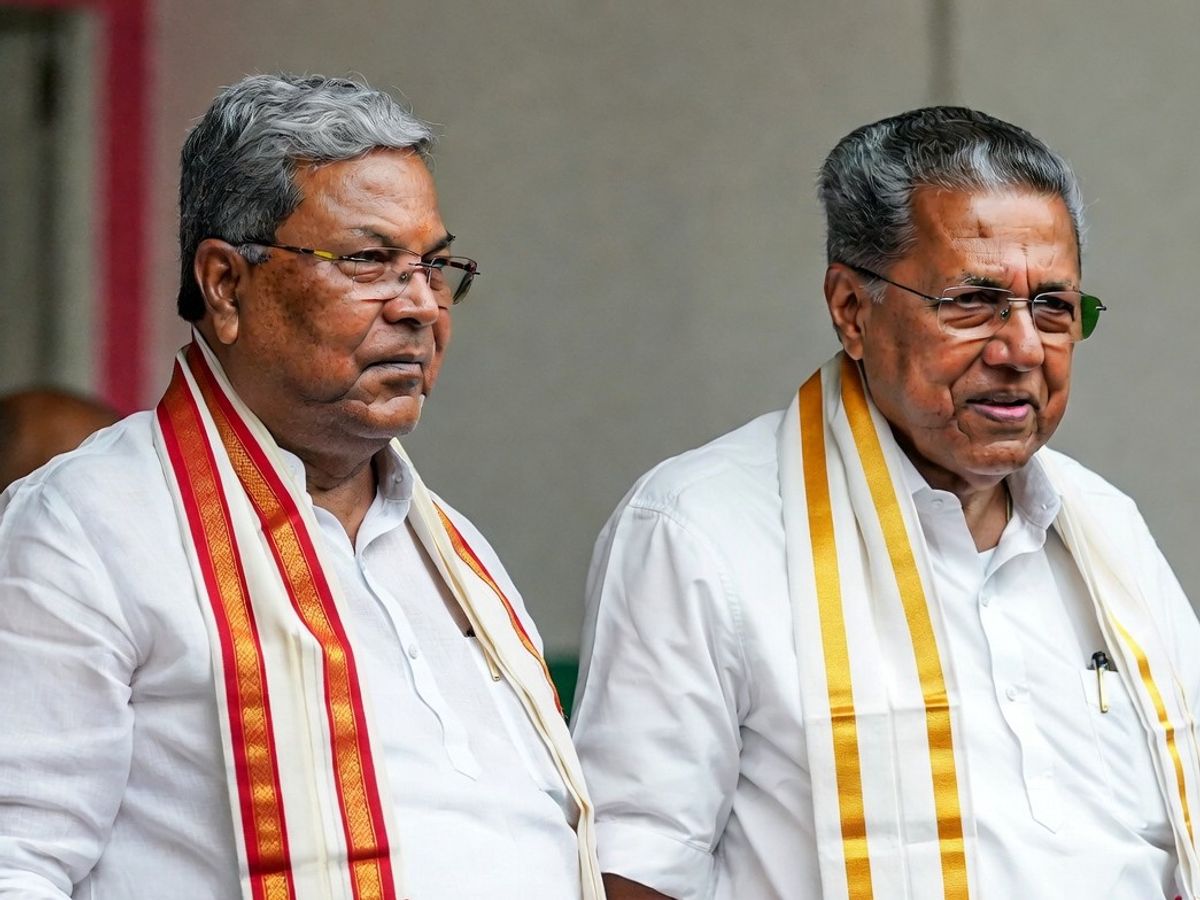
Concerns Over Border Regions
The Chief Minister highlighted concerns specific to border districts, where linguistic communities coexist and administrative arrangements often require careful balancing. He warned that unilateral decisions on language policy could create confusion among citizens and officials, particularly in areas where Kannada and Malayalam speakers live side by side.
According to Siddaramaiah, Karnataka has consistently worked to ensure that linguistic minorities feel secure and respected. He said that any perception of imposed language policies could disturb social harmony and administrative clarity. The letter urged Kerala to consider these sensitivities before proceeding further with the proposed Bill.
Respect for Malayalam Language
Seeking to dispel any misunderstanding, Siddaramaiah categorically stated that Karnataka holds the Malayalam language and its literary heritage in high regard. He pointed out that thousands of Malayali families have lived in Karnataka for decades and have contributed significantly to the State’s cultural, economic, and social life.
The Chief Minister said opposition to the Bill should not be misconstrued as opposition to a language or a community. Instead, he framed Karnataka’s position as one rooted in constitutional interpretation and the practical challenges that could arise from the proposed legislation.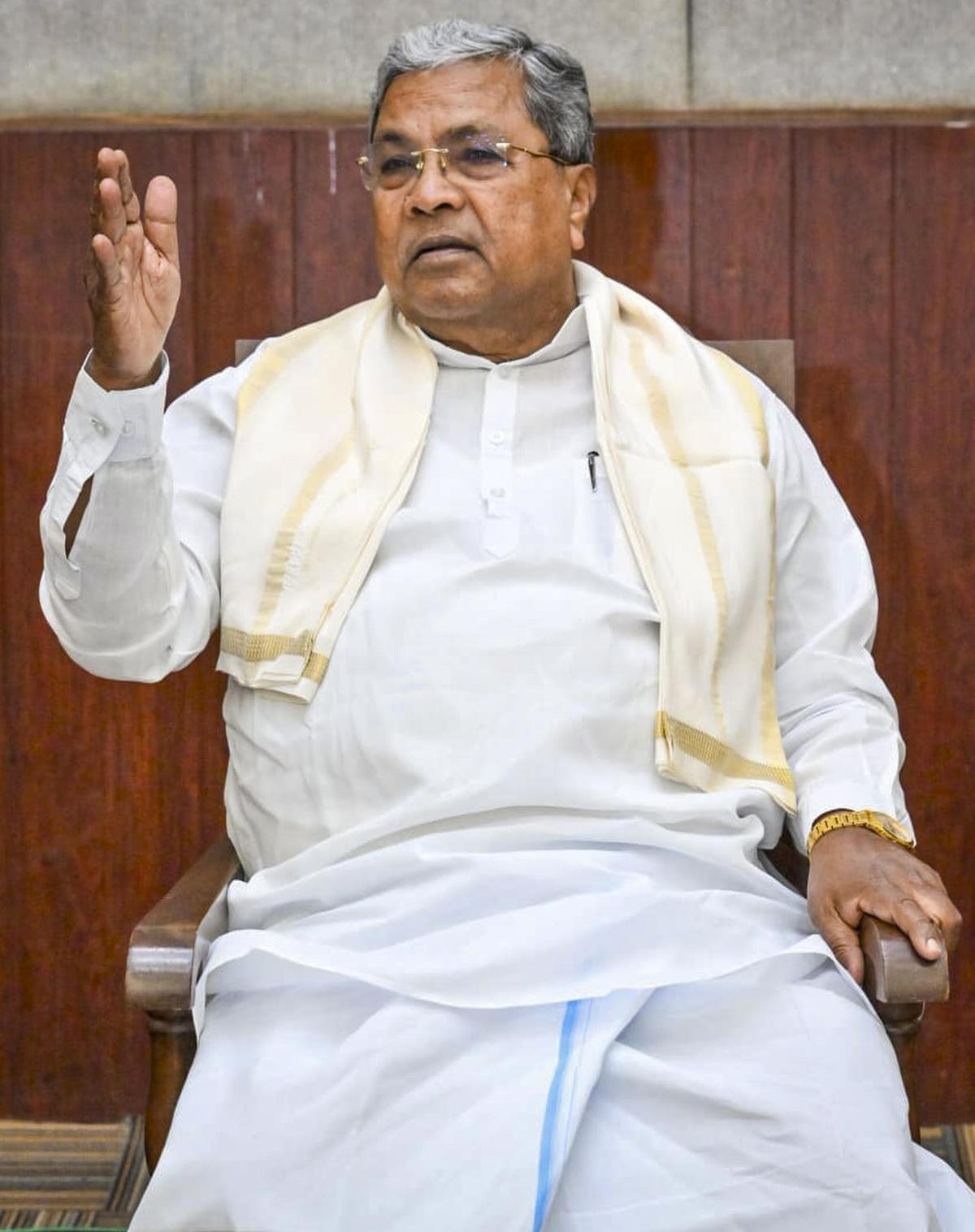
Call for Dialogue and Consultation
Siddaramaiah’s letter emphasised dialogue as the preferred route to resolving differences. He suggested that issues related to language policy be discussed through inter-State consultations or appropriate constitutional forums. According to him, open communication between States was essential to prevent misunderstandings from escalating into political or social tensions.
He also indicated that Karnataka was open to engaging with Kerala to better understand the objectives of the Malayalam Bhasha Bill and to convey its own concerns in a constructive manner. The Chief Minister stressed that cooperative federalism thrived on mutual respect and continuous engagement.
Political and Administrative Reactions
The letter has drawn attention within political circles in both States. In Karnataka, leaders from across party lines have broadly supported the Chief Minister’s assertion of constitutional rights, though opinions differ on how the issue should be pursued further. Some have called for a measured approach to avoid unnecessary escalation, while others have urged the State government to firmly protect Kannada interests.
In Kerala, the communication is being viewed as an indication of Karnataka’s seriousness on the matter. Observers say it could prompt further discussions at the political and bureaucratic levels to address concerns raised by neighbouring States.
Broader Debate on Language Policy
The exchange has once again brought the larger debate on language policy in India into focus. With multiple States navigating questions of linguistic identity, administration, and education, experts say the need for clarity and consultation has never been greater. Language-related legislation, they argue, must carefully balance cultural promotion with constitutional limits.
Siddaramaiah’s letter reflects this broader tension, highlighting how language policies, though often framed within a State’s jurisdiction, can have ripple effects beyond borders. The episode underscores the complexity of managing linguistic diversity within a federal structure.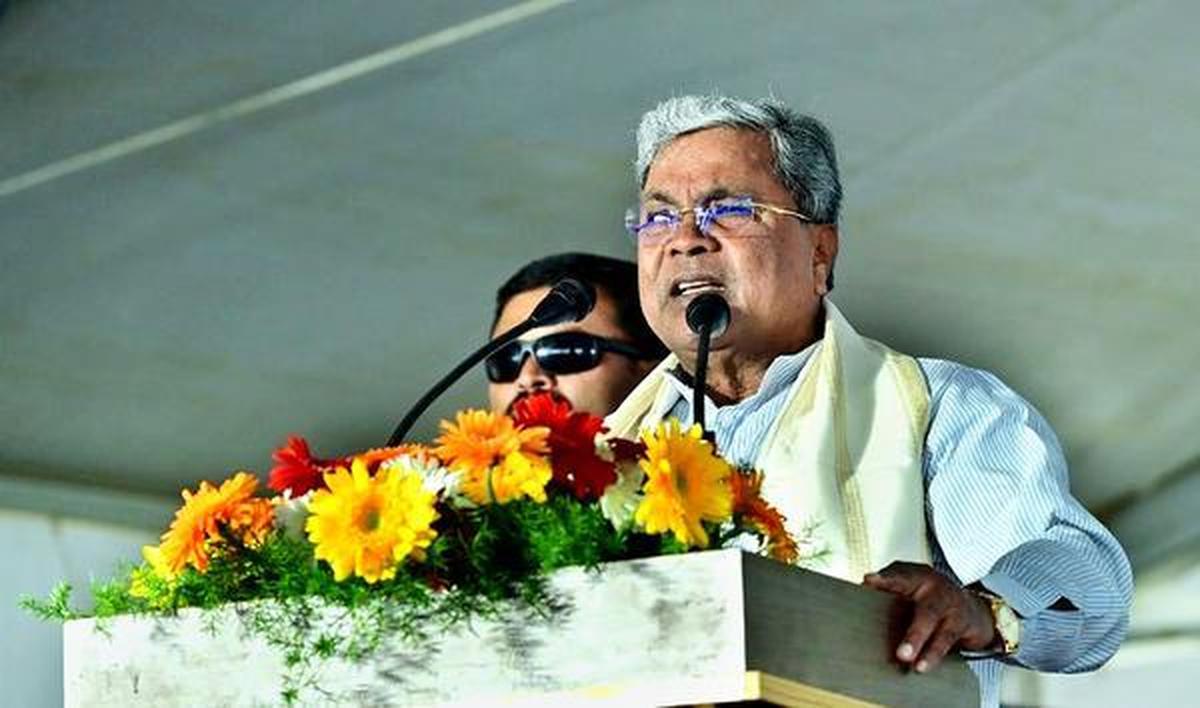
Way Ahead
As the Malayalam Bhasha Bill continues to be debated, the Chief Minister’s letter signals Karnataka’s intent to remain vigilant and assertive in safeguarding its constitutional interests. At the same time, the emphasis on dialogue suggests that the State is keen to avoid confrontation and instead seek consensus through established democratic channels.
The coming days are likely to see further communication between the two States, as well as discussions within political and administrative circles. How the issue is handled could set an important precedent for inter-State engagement on sensitive subjects such as language, identity, and federal rights.
Follow: Karnataka Government
Also read: Home | Channel 6 Network – Latest News, Breaking Updates: Politics, Business, Tech & More
