
A recent remark by Karnataka Chief Minister Siddaramaiah has gained significant traction online, sparking intense political debate and widespread public discussion. His statement, “Politics is not permanent,” delivered during an informal interaction, travelled rapidly across social media platforms, generating reactions from supporters, critics, and analysts alike. As the comment circulated, different interpretations emerged, ranging from readings of humility and pragmatism to speculation about political transitions. The viral moment has now evolved into a topic of statewide interest, prompting questions about its context, its intended meaning, and its impact on Karnataka’s political atmosphere.
Background of the Statement
The remark was made during a discussion on governance, public expectations, and shifting political commitments. Siddaramaiah reflected on the temporary nature of political power, emphasising that leadership roles are meant to serve people rather than guarantee lifelong authority. The statement coincided with internal party discussions, upcoming administrative reviews, and the evolving political climate in Karnataka. Although leaders have previously made similar observations about public life’s unpredictability, the timing and tone of Siddaramaiah’s words amplified their impact. The simplicity of the phrase allowed it to be interpreted in multiple ways, fuelling curiosity among observers.
Social Media Reaction and Virality
Within hours of its circulation, the clip containing Siddaramaiah’s remark was shared widely by political pages, influencers, regional media handles, and individual users. The phrase “politics is not permanent” was quoted repeatedly in captions and discussions, often detached from its original context. Supporters shared the clip to highlight Siddaramaiah’s experience and grounded approach, while critics used it to speculate about leadership uncertainty within the government. Memes, short edits, and posts analysing the comment multiplied across platforms, reflecting how a brief statement can drive days of online engagement in today’s fast moving digital ecosystem.
Interpretation by Supporters
For Siddaramaiah’s supporters, the statement exemplifies his long standing image as a leader rooted in humility and public responsibility. Many interpreted the remark as a reminder that governance should prioritise welfare schemes, social justice, and inclusive development rather than personal ambition. Supporters argued that Siddaramaiah was reiterating his consistent message that leaders must accept change and focus on delivering results during their time in office. They viewed the viral attention positively, stating that it highlighted a mature perspective on public service and contrasted with the aggressive tone of contemporary political discourse.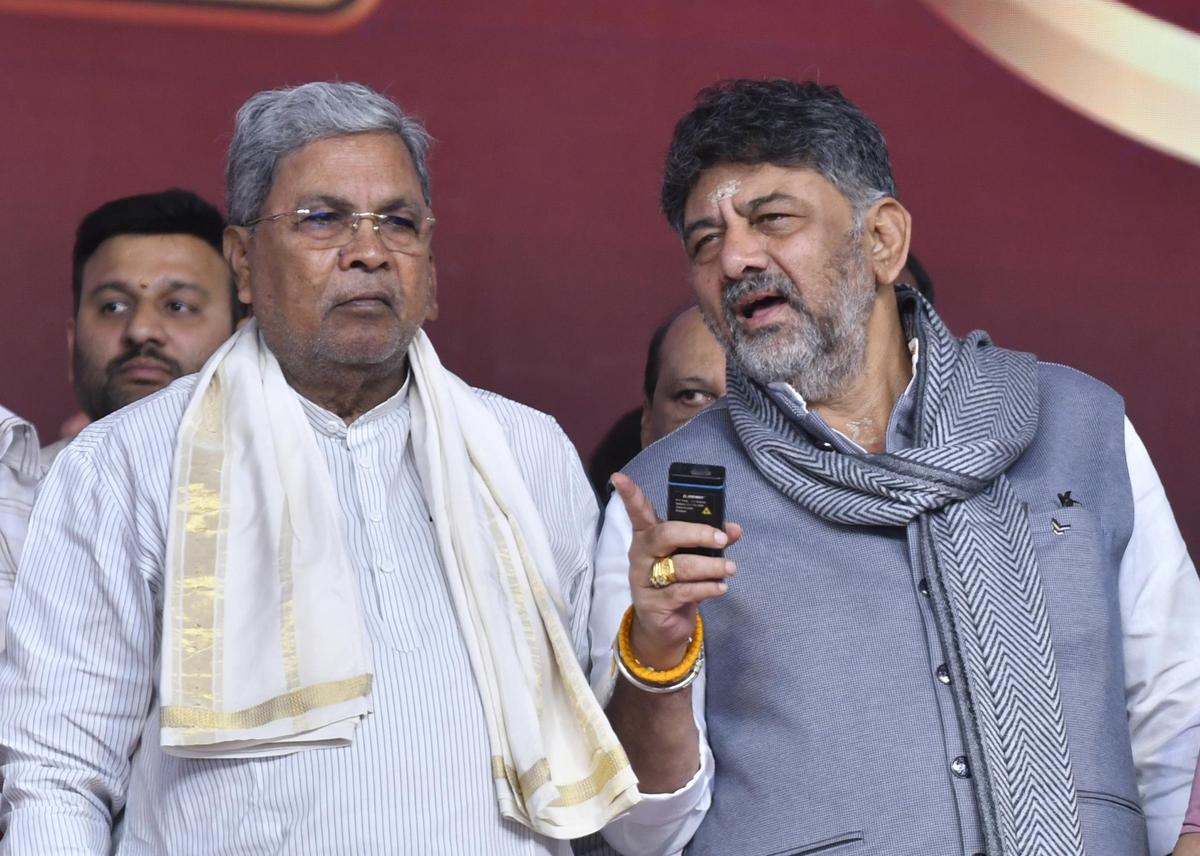
Criticism and Opposition Reaction
Opposition leaders reacted swiftly, offering alternative interpretations that framed Siddaramaiah’s comment as a sign of instability or internal tension within the ruling party. Some argued that the remark could signal fatigue, potential leadership reshuffles, or dissatisfaction with coalition dynamics. Others questioned whether the statement reflected concerns about governance challenges or upcoming electoral pressures. While opposition voices used the clip to fuel narratives questioning the government’s longevity, critics also acknowledged that the ambiguity of Siddaramaiah’s wording allowed room for speculation. The competing interpretations ensured the remark remained central to political conversations for several days.
Context within Karnataka’s Political Climate
Karnataka’s political environment has been marked by shifts in alliances, internal party negotiations, and public debates on welfare policies. Against this backdrop, Siddaramaiah’s statement landed at a sensitive moment when discussions regarding governance, financial allocations, and administrative decisions were already dominating headlines. The remark added a new dimension to these discussions, prompting analysts to examine whether it hinted at deeper developments. While the Chief Minister did not make any explicit references to party dynamics, the political climate encouraged observers to read the statement through the lens of ongoing institutional debates and electoral considerations.
Historical Instances of Similar Remarks
Throughout Indian politics, leaders across parties have occasionally commented on the impermanent nature of political power. Such remarks generally highlight the unpredictability of public life and the importance of adopting a service oriented approach. Analysts have drawn parallels between Siddaramaiah’s comment and earlier statements made by regional and national leaders during moments of transition. These historical comparisons helped situate the remark in a broader tradition of political reflection. However, the rapid virality achieved by Siddaramaiah’s words demonstrated how digital amplification can elevate a routine observation into a major statewide talking point.
Media Coverage and Editorial Responses
Regional and national media outlets covered the viral remark extensively, debating its implications in televised discussions and editorial columns. Newsrooms analysed both the context of the statement and the public reaction, framing it as a snapshot of contemporary politics where a simple phrase can trigger widespread speculation. Editorials noted that such moments offer insight into the relationship between leaders and voters, especially in an era when communication is instant and heavily scrutinised. Commentators highlighted the need for caution when interpreting partial clips out of context, while acknowledging that viral content often shapes political narratives.
Impact on Party Cadre and Internal Communication
Within the ruling party, Siddaramaiah’s remark reportedly prompted informal discussions among cadres, local leaders, and organisational bodies. While senior figures downplayed suggestions of instability, party members engaged with supporters to clarify the context and reiterate the Chief Minister’s commitment to ongoing governance initiatives. Some saw the incident as an opportunity to strengthen communication between the leadership and the grassroots network. Others noted that viral moments can create unnecessary distractions but also offer a reminder of the importance of consistent messaging in maintaining unity and public confidence.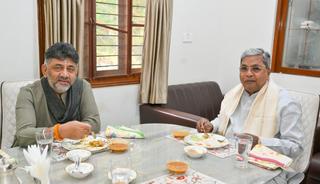
Public Perception and Citizen Responses
Citizens across Karnataka expressed mixed reactions to the viral statement. Many appreciated the sentiment behind the remark, viewing it as a candid acknowledgment of political realities. Others interpreted it through the lens of ongoing local issues, such as development concerns, economic challenges, or upcoming civic decisions. The phrase sparked conversations about the responsibilities of elected leaders and the expectations of voters in a democracy. The public engagement demonstrated how political statements can transcend official settings and enter everyday discussion, highlighting the increasing role of digital media in shaping civic dialogue.
Potential Influence on Governance Narrative
The viral moment introduced a new layer to discussions around governance in Karnataka. Some analysts suggested that Siddaramaiah’s remark reinforced his image as a leader focused on policy delivery rather than political manoeuvring. Others argued that the statement could influence administrative priorities by drawing attention to the transient nature of political power and the need to maximise the impact of welfare schemes. The emphasis on impermanence might encourage departments to accelerate initiatives or communicate results more effectively. While its direct influence remains uncertain, the remark has undeniably contributed to the evolving narrative around state governance.
Reactions from Coalition Partners and Allies
Allies within the broader political landscape offered varied interpretations of the statement. Some coalition partners viewed it as a philosophical reflection detached from immediate political concerns. Others used it to initiate deeper discussions about long term planning, leadership roles, and collective governance responsibilities. While none publicly suggested major shifts, the remark created an opportunity for internal coordination and reevaluation of current administrative targets. Allies emphasised that stable governance requires clear communication, and viral moments such as this can either strengthen collaboration or demand additional clarity to avoid misunderstandings.
Speculation About Leadership and Future Plans
The phrase sparked fresh speculation regarding Siddaramaiah’s future plans, particularly among political observers who often monitor subtle cues for indications of change. While analysts cautioned against reading too much into a single statement, discussions circulated around possible succession debates, party strategy adjustments, and long term electoral positioning. Some theorised that the remark might reflect an intention to prepare younger leaders for greater responsibility. Others argued that it could simply be an expression of personal philosophy. The speculation highlights how political commentary often evolves rapidly based on limited information.
Statements from Siddaramaiah’s Office
In response to widespread interpretations, individuals close to the Chief Minister clarified that the remark should be understood in its original context. They emphasised that Siddaramaiah was reflecting on the principle that public office is temporary and must be used responsibly. According to these clarifications, the statement did not imply any change in leadership decisions, administrative commitments, or future plans. The Chief Minister’s office reiterated that governance priorities remain unchanged and that the administration intends to continue implementing major schemes, welfare programmes, and development initiatives without interruption.
Influence of Digital Culture on Political Discourse
The rapid spread of the remark underscores the increasingly influential role of digital culture in shaping political narratives. Short clips, quotes, and isolated statements often travel faster and farther than detailed interviews or policy documents. This dynamic creates opportunities for engagement but also challenges leaders to navigate constant scrutiny. The viral moment illustrates how digital communication compresses complex political contexts into easily shareable fragments. As a result, leaders must anticipate varied interpretations and be prepared to address conversations that emerge spontaneously across online communities.
Role of Memes and Online Commentary
Memes and humorous posts contributed significantly to the virality of Siddaramaiah’s statement. Users adopted the phrase to comment on unrelated topics, transforming it into a flexible tagline for jokes, observations, and satire. This form of engagement indicates how political discourse has expanded beyond traditional formats, merging commentary with entertainment. While memes can dilute the seriousness of political messaging, they also amplify visibility and encourage public participation. Analysts note that such online trends reflect a generational shift in how political information is consumed, interpreted, and redistributed across digital platforms.
Broader Themes of Leadership and Change
Siddaramaiah’s comment aligns with broader themes of leadership transition, adaptability, and reflection that often arise in democratic systems. Political roles, by nature, are temporary, and leaders frequently acknowledge this reality when discussing service and accountability. The remark highlighted an awareness of change as an inherent aspect of governance. Whether interpreted philosophically or politically, the phrase encouraged conversations about continuity, institutional responsibility, and the need for leaders to remain grounded despite shifting circumstances. Such themes resonate widely because they reflect shared experiences of uncertainty and transformation in public life.
Analyst Opinions and Expert Commentary
Political analysts offered detailed insights into the significance of the statement. Some argued that it demonstrated self awareness and maturity, suggesting that the Chief Minister prioritises long term policy outcomes over personal political gains. Others examined the phrase as a communication strategy aimed at preparing the public for future changes. A few interpreted it as an attempt to redirect political discussions toward governance rather than leadership debates. Expert commentary consistently noted that the ambiguity of the remark allowed for diverse readings, making it a compelling case study in political communication.
Conclusion
The viral spread of Chief Minister Siddaramaiah’s remark, “Politics is not permanent,” reveals the complexity of contemporary political communication. A brief reflective statement evolved into a multifaceted public discussion shaped by interpretations, speculation, and digital amplification. While the phrase drew mixed reactions from supporters, critics, and analysts, it ultimately highlighted the transient nature of political power and the importance of public service. The incident underscores how leaders must navigate a rapidly shifting media environment where context can be lost within moments. As the discussions fade, the remark remains a reminder of the enduring interplay between politics, perception, and public engagement.
Follow: Karnataka Government
Also read: Home | Channel 6 Network – Latest News, Breaking Updates: Politics, Business, Tech & More
